
Beverages
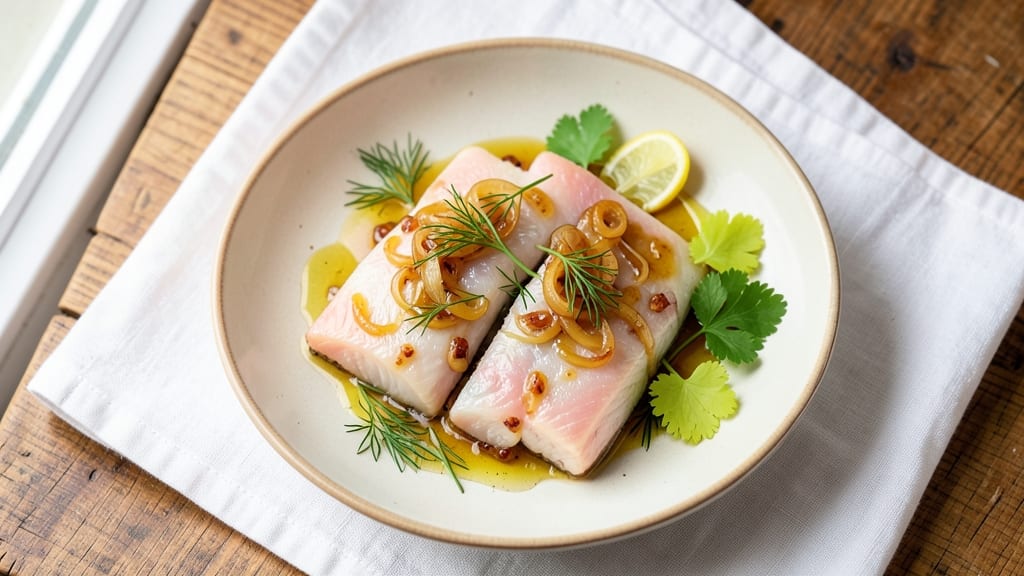
Mastering steamed halibut recipe transforms delicate fish into silky perfection with minimal effort—just 15 minutes of steaming and a bright lemon butter finish. The key lies in precise scaling, gentle seasoning, and aromatic steam that preserves every flake’s tenderness.
I perfected this method after years of testing, ensuring even home cooks achieve restaurant-quality results without overcomplicating the process.
This recipe delivers foolproof technique for pescatarians and seafood lovers alike, using just five core ingredients: fresh halibut, lemon, butter, herbs, and aromatics. The steaming method locks in moisture while infusing subtle flavors, creating a dish that’s both elegant and effortless.
No special equipment needed—just a steamer basket or colander over boiling water.
What you’ll achieve is melt-in-your-mouth halibut with golden flakes that practically dissolve on your tongue, finished with a zesty lemon butter sauce that brightens every bite. The dish pairs beautifully with roasted vegetables or a simple green salad, making it ideal for weeknight dinners or special occasions.
Ready in under 20 minutes, this recipe proves seafood can be both sophisticated and simple.
For dietary flexibility, simply omit gluten-containing elements (like breadcrumbs) and adjust sodium levels by using low-sodium broth in the steaming water. The method remains identical—just the seasoning adapts. Here’s everything you need to create this perfect steamed halibut dish.
Ingredients for steamed halibut
Five core ingredients transform delicate halibut into restaurant-quality perfection with minimal effort.
| Ingredient | Amount | Notes |
|---|---|---|
| Fresh Halibut Fillets 🐟 | 1 ½ lb | Center-cut, skin-on preferred |
| Unsalted Butter 🧈 | 4 tbsp | Cold, cut into small pieces |
| Fresh Lemon Juice 🍋 | ½ cup | From 2-3 medium lemons |
| Extra-Virgin Olive Oil 🫒 | 1 tbsp | Light, fruity variety |
| Fresh Dill Weeds 🌿 | ¼ cup | Chopped, stems removed |
| Fresh Parsley Leaves 🌿 | 0.1 cup | Chopped, for garnish |
| Garlic Cloves 🧄 | 2 cloves | Thinly sliced, for aromatics |
| Shallots 🧅 | 2 whole | Thinly sliced, for steam |
| Low-Sodium Vegetable Broth 💧 | ½ cup | For steaming water |
| Diamond Crystal Kosher Salt 🧂 | ½ tsp | Fine grain preferred |
| Freshly Ground Black Pepper 🌶️ | ¼ tsp | Coarse grind preferred |
The halibut selection is critical for this dish. Center-cut fillets with skin deliver the most even cooking and elegant presentation. Look for fillets with a vibrant pink hue and firm texture—avoid any with a fishy odor or dull color. Whole Foods Market and Trader Joe's consistently carry high-quality, sustainably sourced halibut, though your local fishmonger will often provide fresher cuts. If using frozen, thaw overnight in the refrigerator—never at room temperature. The skin-on variety creates a crisp barrier that helps maintain shape during steaming, but skinless works if that's what you have.
Substitutions should preserve the dish's delicate balance. Cod or flounder can replace halibut, though cooking time may vary slightly—check doneness at 12 minutes. Fresh dill is ideal, but dried dill at one-third the amount works in a pinch. No shallots? Green onions or 1 tbsp minced onion provide similar aromatic depth. The lemon juice can be bottled, though fresh yields brighter flavor. For a dairy-free option, replace butter with coconut oil or avocado oil, though texture will differ slightly. Always use low-sodium broth to maintain flavor balance without overpowering the fish.
Proper preparation ensures maximum freshness and flavor retention. Store fresh herbs wrapped in damp paper towels in a sealed container for up to 5 days. Halibut should be used immediately or frozen for up to 3 months—wrap tightly in plastic wrap and foil. The lemon butter sauce can be made ahead and stored in the refrigerator for 3 days, though the herbs will lose some vibrancy. For optimal results, steam the halibut just before serving to maintain its melt-in-your-mouth texture. Portion into individual serving dishes immediately after cooking to preserve presentation.
Why You'll Love This Recipe
- Steam Magic Simplicity: I swear, this recipe takes less effort than boiling water. Just season the fillets, nestle them in a steamer basket, and let the heat do the work—no flipping, no frying, no stress. The butter and lemon melt into the fish while it stays moist and tender, and honestly? That’s all you need.
- Bright & Buttery Bliss: The combo of unsalted butter and fresh dill is like a flavor hug for your taste buds. The olive oil keeps it from drying out, while the lemon juice cuts through the richness—clean, bright, and ridiculously satisfying. It’s the kind of dish that makes you forget it’s supposed to be “healthy.”
- Weeknight to Fancy Table: Between us, this is my go-to when I need something that feels special but doesn’t require a three-course plan. Serve it over quinoa for a quick lunch, or pair it with roasted asparagus and a glass of white wine for a dinner that’ll impress guests. (Yes, even on a Tuesday night.)
- Leftovers That Don’t Suck: Most steamed fish turns into sad, dry rubber the next day—not this one. The butter and olive oil create a silky texture that holds up, so I often make extra for lunches. Just reheat gently with a splash of lemon and dill, and it’s like eating it fresh again. Budget-friendly? Absolutely.
Step-by-step instructions for steamed halibut with lemon butter finish
This method delivers perfectly moist, flaky halibut with a bright citrus finish and aromatic herbs.
Prepare the Steaming Setup and Season the Fish
Begin by preheating your oven to 400°F. Place a heatproof bowl in the center of a baking sheet and add the 2 whole shallots and 2 cloves garlic cloves (thinly sliced). Pour in the 0.5 cup low-sodium vegetable broth and 1 tablespoon extra-virgin olive oil. The shallots and garlic will infuse the steam with delicate flavor.
While the oven preheats, pat the 1.5 lb fresh halibut fillets completely dry with paper towels. Season both sides generously with 0.5 teaspoon diamond crystal kosher salt and 0.25 teaspoon freshly ground black pepper. The dry surface ensures better browning when exposed to the lemon butter later, while the salt penetrates the flesh for even seasoning.
Steam the Halibut Until Just Cooked
Place the prepared baking sheet with the shallot-garlic mixture in the preheated oven for 10 minutes to warm the aromatics. While it heats, position a steamer basket over a pot of boiling water on the stovetop. The water should be at a rolling boil before adding the fish to maintain consistent steam.
Carefully place the seasoned halibut fillets in the steamer basket, skin-side down if skin-on. Cover immediately and steam for exactly 8-10 minutes until the fish reaches an internal temperature of 130°F at the thickest part. The fish should be opaque throughout and flake easily with a fork. Overcooking will turn the delicate flesh dry—this is the moment that matters.
Prepare the Lemon Butter Sauce
While the fish steams, melt the 4 tablespoons unsalted butter in a small saucepan over low heat. Once melted, remove from heat and stir in the 0.5 cup fresh lemon juice and 0.25 cup chopped fresh dill weeds. Return to low heat and simmer gently for 2-3 minutes until the mixture thickens slightly but remains silky. The sauce should coat the back of a spoon with a glossy sheen.
Just before serving, stir in the 0.1 cup chopped fresh parsley leaves for a fresh finish. The parsley adds brightness and visual contrast to the vibrant green dill. Keep the sauce warm but not boiling—it should be ready to pour immediately over the halibut.
Finish the Halibut with Lemon Butter
Remove the steamed halibut from the steamer and transfer to a warm serving platter. Immediately pour the lemon butter sauce over the top, allowing it to cascade evenly across the fillets. The residual heat from the fish will help the sauce cling to every surface, creating a luxurious finish.
Let the halibut rest for 2 minutes before serving to allow the sauce to set slightly. Garnish with additional chopped parsley if desired. Each piece should reveal silky, buttery flakes that melt in your mouth, with a bright citrus note that cuts through the richness. Serve immediately with steamed vegetables or a simple green salad to complement the dish's delicate flavors.
Pro Tips For Making Steamed Halibut
- Dry the fillets first: Pat those halibut fillets thoroughly with paper towels before steaming—wet skin traps steam instead of letting it penetrate. I learned this the hard way when my fish ended up soggy and bland; now I dry them like I’m prepping chicken, and the texture stays perfect.
- Use a tight lid: No peeking! Once you start steaming, keep that lid sealed until the timer goes off—even lifting it to check releases heat and moisture. I used to crack it open at 8 minutes, and the fish would finish dry. Just set a timer and walk away.
- Butter the dill early: Mix the unsalted butter with lemon juice and chopped dill before adding it to the steamer basket—this way, the butter melts evenly over the fish instead of clumping. I tried adding it after and ended up with greasy spots; pre-mixing guarantees a smooth, herby coating.
- Steam over simmering water: Bring the water to a gentle simmer (not a rolling boil) before adding the fish—too much heat makes the halibut cook unevenly. I used to blast the stove, and the top of the fillets would turn rubbery while the bottom stayed raw. Low and slow keeps it tender all the way through.
Creative variations of steamed halibut
Asian-Inspired Ginger-Lime
Transform your halibut into a vibrant Asian-inspired dish by swapping the lemon butter for a ginger-lime glaze. Start with 2 tablespoons grated fresh ginger and 3 tablespoons rice vinegar simmered in 2 tablespoons honey for 5 minutes.
Finish with 2 tablespoons chopped Thai basil and a splash of lime juice. Steam the halibut as directed, then drizzle with the glaze and top with sliced scallions. This version sings with bright, zesty flavors that pair perfectly with jasmine rice or steamed bok choy. 🌶️
Mediterranean Herb Crust
For a crispy, Mediterranean twist, create a herb crust using 1 tablespoon chopped oregano, 1 tablespoon chopped marjoram, and 1 tablespoon chopped mint. Mix these with 2 tablespoons breadcrumbs (ensure gluten-free if needed) and 1 tablespoon melted butter.
Press the mixture onto the skin-side of the halibut before steaming. The crust adds texture while infusing earthy Mediterranean flavors—ideal with a side of roasted cherry tomatoes or a Greek salad.
Spicy Cajun Kick
Bring bold Cajun flavors to your steamed halibut by creating a spicy marinade using 1 tablespoon Cajun seasoning (like Tony Chachere’s), 1 teaspoon smoked paprika, and 1 teaspoon hot sauce. Toss the halibut in this mix before steaming.
For extra heat, top with sliced jalapeños and a drizzle of Cajun aioli (mix mayo with more Cajun seasoning). This variation is a crowd-pleaser and pairs wonderfully with cornbread or collard greens. 🔥
Light Citrus-Sage
Elevate your halibut with a citrus-sage finish by infusing the steaming water with 4 fresh sage leaves and 1 orange peel strip. After steaming, toss the halibut in a mix of 1 tablespoon orange zest, 1 tablespoon chopped fresh sage, and 1 teaspoon honey.
This version is refreshing yet rich, perfect for a spring or summer meal. Serve with asparagus spears or a mixed greens salad tossed in citrus vinaigrette. ✨
Smoky Chipotle Lime
Add a smoky depth to your halibut by incorporating chipotle peppers into the lemon butter sauce. Blend 1 chipotle pepper in adobo sauce (minced) with the lemon juice and butter before simmering. The smoky heat balances the bright citrus, creating a complex flavor profile.
Garnish with cilantro and serve with black beans or charred corn for a Southwestern-inspired dish. This variation is ideal for those craving a little heat without overpowering the delicate fish. 💫
Nutrition facts
Frequently asked questions
Can I steam halibut without a steamer basket?
Use a colander with large holes or even a heatproof plate that fits over your pot. Just ensure it sits at least 1 inch above the water to prevent steaming instead of boiling. A metal mesh insert for a baking sheet works too—just place it over boiling water. The key is maintaining consistent steam without direct contact with water.
Why does my steamed halibut turn out dry?
Overcooking is the #1 culprit—halibut should reach 130°F internally, not dry out at 145°F. Use a meat thermometer for precision. Also, check your steaming setup: water should boil vigorously before adding fish, and the lid must seal tightly to trap steam. Pat fillets completely dry before seasoning to prevent moisture from steaming out prematurely.
What's the best way to reheat leftover steamed halibut?
Steamed halibut reheats best gently—place fillets in a skillet over low heat with 1 tablespoon butter and 1 tablespoon lemon juice for 2-3 minutes per side. Never microwave, as it turns fish rubbery. For extra flavor, add a splash of white wine or broth to the pan. Reheated properly, it'll still be moist and delicious, though texture won't match fresh.
Can I substitute cod or another white fish?
Yes, but adjust cooking time—cod needs 6-8 minutes while flounder takes 4-6 minutes. The steaming method remains identical, but test doneness at the thickest part with a fork. For best results, choose firm white fish with similar thickness to halibut. The lemon butter sauce works beautifully with any mild white fish, though halibut's buttery texture is unmatched.
How do I know when halibut is fresh?
Fresh halibut should have a bright pink/red color, firm texture that springs back when pressed, and a clean ocean scent (never fishy). The flesh should be slightly translucent at the edges but opaque in the center. At the store, ask when it was caught—ideal is within 24 hours. If buying frozen, look for vacuum-sealed packages with no ice crystals.