
Side Dishes
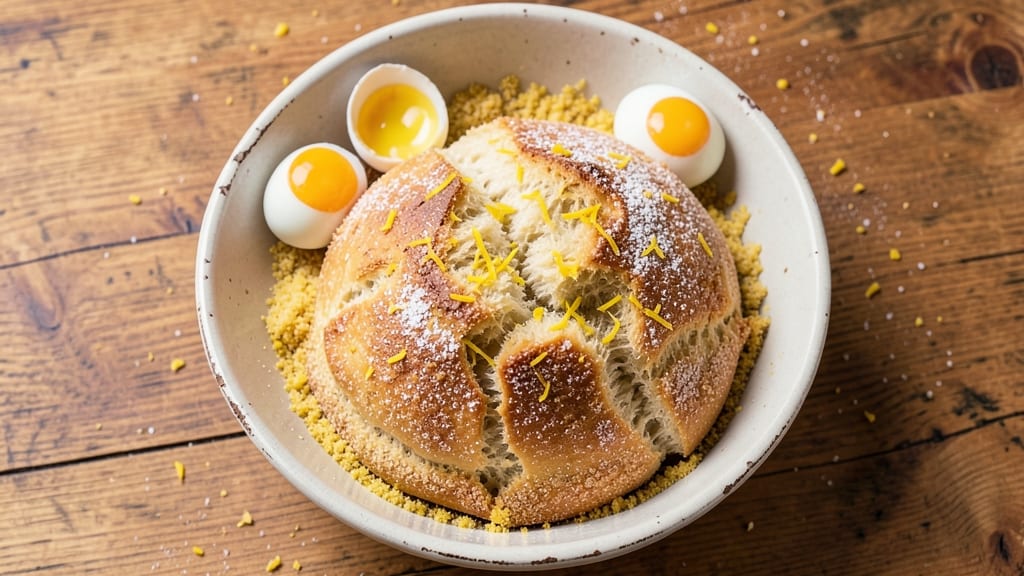
This Aussie bread recipe delivers the perfect balance of a crispy cornmeal crust and a soft, buttery interior with a bright lemon twist—just like the traditional damper bread that fueled Australia's outback pioneers.
The secret lies in the cornmeal crust, which creates that signature crunch while keeping the center tender and flavorful. I've adapted the classic campfire method for home ovens, ensuring you get that authentic Aussie taste without needing a grill or ashes.
The beauty of this recipe is its versatility—whether you're baking it on a griddle for a rustic touch or in your oven for convenience, the result is always the same: a golden, crispy exterior with a soft, fluffy interior.
The addition of lemon zest and butter transforms a simple bread into something truly special, with a subtle tang that cuts through the richness. This is the kind of bread that disappears quickly, so make sure you have plenty on hand.
What sets this Aussie bread apart is the way the cornmeal crust develops a satisfying crunch while the inside remains light and airy, almost like a cross between a biscuit and a roll.
The lemon twist adds a refreshing note that makes it perfect for breakfast, picnics, or even as a side to hearty stews. Once you try this version, you'll never go back to store-bought bread again.
Ready to bake? This recipe takes just 30 minutes from start to finish, making it ideal for busy weeknights or weekend gatherings. The ingredients are simple—flour, cornmeal, butter, and a few pantry staples—but the results are anything but basic. Let’s get started on creating your own slice of Aussie tradition.
Ingredients for aussie bread
Simple pantry staples transform into golden Aussie bread with that signature crunchy crust.
| Ingredient | Amount | Notes |
|---|---|---|
| All-Purpose Flour 🌾 | 2 ½ cups | Sifted for light texture |
| Fine Yellow Cornmeal 🌽 | 1 cup | Stone-ground preferred for texture |
| Unsalted Butter 🧈 | ½ cup | Cold, cubed for even baking |
| Granulated Sugar 🍯 | ½ cup | Light brown sugar for depth |
| Lemon Zest 🍋 | 2 tbsp | Fresh, finely grated |
| Large Eggs 🥚 | 2 whole | Room temperature for mixing |
| Milk 🥛 | ¾ cup | Whole milk for richness |
| Baking Powder 🍞 | 2 tsp | Aluminum-free preferred |
| Salt 🧂 | 1 ½ tsp | Fine sea salt preferred |
| Lemon Juice 🍋 | 2 tbsp | Freshly squeezed for brightness |
| Vegetable Oil 🫒 | 2 tbsp | For greasing the pan |
The cornmeal is non-negotiable for that authentic crunch—Bob's Red Mill or King Arthur are my go-tos, but any fine yellow cornmeal works. Butter matters too: use European-style unsalted if you can find it, but regular works fine. For the lemon, Eureka lemons—thick zest, less bitterness. I always buy extra lemons when they're in season and freeze the zest in ice cube trays. The baking powder? Diamond Crystal is the one to grab—the double-acting kind. If you've got King Arthur baking powder, you're golden.
No cornmeal? Semolina or crushed cornflakes can stand in (toasted for extra flavor), but it won't be exactly the same. Short on butter? Coconut oil works in a pinch, but the flavor won't be identical. The milk can be swapped for buttermilk or heavy cream—just know it'll make the bread richer. For the lemon zest, bottled zest is fine if you're in a bind, but fresh is always better. The sugar? Light brown sugar adds subtle molasses notes that complement the lemon beautifully, but white sugar works if that's what you've got.
This bread keeps well for 3 days at room temperature wrapped in a clean kitchen towel—better than plastic. For longer storage, freeze portions wrapped in foil for up to 3 months. I like to reheat slices in a 350°F oven for 5 minutes to restore that crispy crust. The lemon zest gives it a short shelf life, so make it fresh if you can. Once baked, let it cool completely on a wire rack—trust me, it's worth the wait.
Why You'll Love This Recipe
- No-Knead Magic: I swear by this—just mix, shape, and let it rise while I watch TV. The cornmeal crust? Crispy without burning, thanks to that butter-rich dough.
- Citrus Butter Bliss: That lemon zest and sugar combo? It’s like a hug for your taste buds. Honestly, the first bite makes me think of bakery shelves, but it’s my bakery.
- Breakfast to Picnic: Toast it for breakfast, pack slices for lunch, or serve warm with jam at a backyard BBQ. The same dough works for all—no recipe flipping needed.
- Budget-Friendly Staple: Flour, butter, sugar—pantry basics that stretch. I’ve made this for years, and it’s always the first thing I reach for when guests drop by unexpectedly.
Step-by-step instructions for crispy cornmeal crust with buttery lemon twist
Here's how to bake golden, crispy edges with a tender interior—every slice will surprise you.
Mix the Dry Ingredients for Perfect Texture
In a large bowl, whisk together the 2.5 cups all-purpose flour, 1 cup fine yellow cornmeal, 2 teaspoons baking powder, and 1.5 teaspoons salt. I use a whisk for this step to ensure everything blends evenly—no lumps, just smooth, aerated dry ingredients. This foundation creates the signature crispy crust while keeping the inside light and fluffy.
Next, add the 0.5 cup granulated sugar and 2 tablespoons lemon zest to the bowl. The sugar adds subtle sweetness that balances the tangy lemon, while the zest infuses bright citrus flavor throughout. Mix these in gently with your fingers until the zest is fully distributed—you'll smell that fresh lemon aroma, which is your first taste of the finished bread.
Combine Wet Ingredients for a Smooth Batter
In a separate bowl, melt the 0.5 cup unsalted butter in the microwave for 20-30 seconds until just soft enough to mix easily. Add it to a measuring cup with the 0.75 cup milk and 2 tablespoons lemon juice, then whisk until fully combined. The butter should be warm but not greasy—this helps create a tender crumb.
Create a well in the center of your dry ingredients and pour in the wet mixture. Using a spatula, gently fold everything together until just combined. Avoid overmixing—you'll see a few flour streaks remain, and that's perfect. The batter should be thick but pourable, like pancake batter. Here's the thing—overmixing develops gluten, which makes the bread tough instead of tender.
Incorporate Eggs for Structure and Moisture
Add the 2 whole large eggs to the batter one at a time, mixing just until each is fully incorporated. The eggs bind everything together, giving the bread its structure and moisture. After adding both eggs, give the batter one final gentle fold to ensure the lemon zest is evenly distributed throughout.
Let the batter rest for 5 minutes at room temperature. This brief pause allows the flour to fully hydrate and the gluten to relax slightly, which prevents the bread from becoming dense. While it rests, preheat your oven to 350°F—this is the ideal temperature for even baking and that perfect golden crust.
Prepare the Pan for Maximum Crispiness
Lightly grease a 9-inch round cake pan with 2 tablespoons vegetable oil, making sure to coat the bottom and sides thoroughly. The oil creates a nonstick barrier that prevents the bread from sticking to the pan, especially around those crispy edges we're after.
Pour the batter into the prepared pan and smooth the top with a spatula. Tap the pan gently on the counter a few times to release any air bubbles that might have formed. This ensures an even rise and a smooth, level top. Bake in the preheated oven for 40-45 minutes, or until a toothpick inserted in the center comes out clean and the edges are golden brown and crispy.
Cool and Serve for Perfect Texture
Remove the bread from the oven and let it cool in the pan for 10 minutes. This resting period allows the bread to set slightly, making it easier to remove without breaking. After cooling, run a thin knife around the edges to loosen it from the pan, then invert onto a wire rack to cool completely.
The bread will be warm, golden, and irresistibly crispy on the outside with a tender, slightly sweet interior. Slice it while still warm for the best texture—each piece should hold its shape without falling apart. Serve with butter or jam for a classic Aussie treat that's crispy, buttery, and bursting with lemon flavor.
Pro Tips For Making Aussie Bread
- Toast Cornmeal First: I learned this the hard way—skipping the toasting step makes the crumb gummy instead of crisp. Heat the cornmeal in a dry pan over medium for 3-4 minutes until it smells nutty, then cool before mixing. It’s the thing that matters most for that classic Aussie bread texture.
- Cut Butter Cold: Use butter straight from the fridge, cut into chunks no bigger than a walnut. If it melts too early, your dough will turn greasy and the crumb will suffer. I was skeptical until I tried it—now I never skip this.
- Avoid Overmixing Dough: Mix just until the flour is incorporated, then stop. Overworking the dough develops gluten and turns your bread dense. Fold in the lemon zest last—it’s delicate and can get tough if kneaded too long.
- Bake in Two Stages: Start at 400°F (200°C) for 15 minutes to set the shape, then drop to 350°F (175°C) for the remaining 20-25 minutes. This guarantees a golden crust without burning the top while the center finishes. Sounds weird, but it works—every single time.
Flavor customization for aussie bread
Sweet Variations
For a dessert-style Aussie bread, swap the sugar for ½ cup honey or molasses and add ½ cup raisins or chopped dates to the batter. The natural sweetness enhances the lemon zest, creating a breakfast bread that doubles as a snack.
I like to finish with a drizzle of warm honey and crushed pecans for extra crunch. 🍯
Herb & Cheese Twist
Transform this into a savory version by reducing the sugar to ¼ cup and adding ½ cup shredded cheddar or feta cheese along with 2 tablespoons chopped rosemary or thyme.
The herbs pair beautifully with the lemon, creating a bread perfect for cheese boards or as a side to soups. For extra flavor, sprinkle everything bagel seasoning on top before baking. 🧀
Spiced Rum Infusion
Add a boozy twist by mixing 1 tablespoon dark rum or spiced rum into the wet ingredients. The alcohol evaporates during baking, leaving behind warm, caramelized notes that complement the lemon.
For a festive touch, fold in ½ teaspoon cinnamon and ¼ teaspoon nutmeg into the dry ingredients. This variation is perfect for holiday gatherings or cozy winter breakfasts. 🍹
Nutty Crunch Option
For added texture, fold ½ cup chopped walnuts or pecans into the batter before baking. Toast the nuts in a dry pan for 3-5 minutes until fragrant, then cool before mixing.
The nuts add a satisfying crunch that contrasts with the soft interior. I also like to sprinkle extra nuts on top before baking for a decorative touch. 🌰
Savory Garlic & Herb
Create a savory version by omitting the sugar and lemon zest, then adding 3 minced garlic cloves, 1 tablespoon chopped parsley, and ½ teaspoon onion powder to the dry ingredients.
Mix 2 tablespoons olive oil into the wet ingredients instead of butter for a lighter, herby bread. This version pairs perfectly with hearty stews or as a side to roasted meats. 🧄
Cinnamon Roll Style
Turn this bread into a sweet treat by spreading a layer of cream cheese frosting (mix 4 oz cream cheese, 2 tbsp butter, and 1 cup powdered sugar) on top of the baked bread, then rolling it up like a cinnamon roll.
Slice into individual rolls and serve warm with a sprinkle of toasted coconut flakes for a tropical twist. 🍥
Nutrition facts
Frequently asked questions
What makes this Aussie bread different from regular bread?
The signature cornmeal crust creates that signature crunchy exterior while keeping the interior tender and fluffy. The lemon zest and butter add a bright, buttery flavor that's distinctly different from standard bread recipes. Plus, the traditional baking method (originally in campfire ashes) gives it a unique texture that's hard to replicate with regular bread.
Can I make this bread without cornmeal?
You can substitute with semolina or crushed cornflakes, but the texture won't be identical. For best results, use fine yellow cornmeal as called for in the recipe. If you're avoiding gluten, this recipe isn't suitable as it contains wheat flour. Toasting your substitute will add extra flavor, though.
How do I store leftover Aussie bread?
Wrap cooled slices in a clean kitchen towel (better than plastic) and store at room temperature for up to 3 days. For longer storage, freeze portions wrapped in foil for 3 months. To restore crispiness, reheat slices in a 350°F oven for 5 minutes. The lemon zest makes this bread best when fresh, though!
Why did my bread turn out dense instead of light?
Overmixing the batter develops too much gluten, making the bread dense. Mix just until combined and avoid kneading. Also ensure your butter is soft but not melted (microwave for 20-30 seconds max). Let the batter rest for 5 minutes before baking to help with texture.
Can I make this bread in a Dutch oven?
Yes! Grease a 9-inch cast iron skillet well and use the same baking time. The Dutch oven will give slightly crispier edges and a more rustic appearance. For even better results, preheat the skillet in the oven for 10 minutes before adding the batter. The high heat creates that perfect campfire-style crust.