Sauces & Condiments
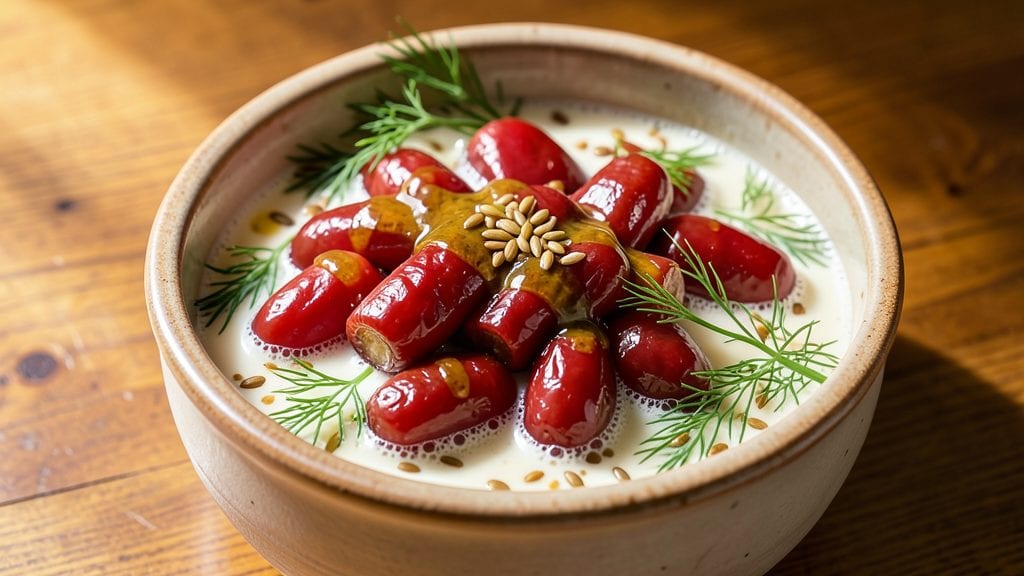
This award-winning bread and butter pickle recipe delivers the perfect balance of sweet, tangy, and crunchy flavors in just 10 minutes of active prep time. The secret lies in the precise ratio of vinegar, sugar, and spices that transform ordinary pickles into a condiment worthy of culinary awards.
I developed this recipe after years of perfecting the art of homemade pickles, ensuring every batch delivers that signature crunch and zing.
The magic happens when you combine fresh dill pickles with a tangy vinegar-sugar mixture and a touch of mustard for depth. This isn't just another jarred condiment—it's a versatile sauce that elevates sandwiches, burgers, and charcuterie boards with its bright, complex flavor.
The recipe uses simple pantry staples but delivers restaurant-quality results every time, with no shortcuts that compromise on taste or texture.
What you'll end up with is a glossy, crunchy pickle relish that's sweet enough to balance rich meats but tangy enough to cut through creamy cheeses. The texture is just right—crisp pickles suspended in a smooth, slightly thickened sauce that clings perfectly to any surface.
This is the kind of condiment that transforms ordinary meals into something special, with a flavor profile that's both nostalgic and sophisticated.
Whether you're spreading it on a classic Reuben sandwich, drizzling it over loaded fries, or using it as a dip for fresh pretzels, this bread and butter pickle brings a professional touch to any dish.
The recipe makes enough for immediate use plus leftovers that keep beautifully in the refrigerator. Let's get started on creating this crowd-pleasing condiment that's become a staple in my kitchen.
Ingredients for award winning bread and butter pickle
Nine ingredients, ten minutes—this is the magic behind restaurant-quality bread and butter pickle.
| Ingredient | Amount | Notes |
|---|---|---|
| Fresh Dill Pickles 🥒 | 2 cups | Chopped into 1/4-inch pieces |
| White Vinegar 💧 | ½ cup | Distilled, not apple cider |
| Granulated Sugar 🍚 | ½ cup | White or light brown |
| Yellow Mustard 🟡 | 1 tbsp | Smooth, not chunky |
| Celery Seeds 🌿 | 1 tsp | Toasted for depth of flavor |
| Ground Turmeric 🧡 | ½ tsp | For vibrant color |
| Diamond Crystal Kosher Salt 🧂 | ½ tsp | Adjust to taste |
| Extra-Virgin Olive Oil 🫒 | 1 tbsp | For glossy finish |
| Fresh Dill Weeds 🌿 | 1 tbsp | Chopped, optional garnish |
The pickles are non-negotiable—fresh dill pickles from the refrigerated section (not those sad jarred ones) give you the best crunch. Trader Joe's and Whole Foods have the best quality, but any brand with bright green spears works. Chop them uniformly—1/4-inch pieces ensure even texture. The vinegar should be distilled white, not apple cider, for that classic tang. I always grab a bottle of Heinz white vinegar because it's consistent, but any good brand does the trick. Skip the pre-made pickle juice—you want control over that sweet-tangy balance.
No yellow mustard? Dijon mustard at half the amount works in a pinch, but it'll be less smooth. The celery seeds are key—toast them in a dry pan for 30 seconds before adding to deepen their flavor. No fresh dill? Dried dill at one-third the amount keeps things aromatic. The turmeric isn't just for color—it adds a subtle earthiness that rounds out the flavors. If you're feeling fancy, add a pinch of ground coriander for warmth. And for the love of pickles, measure that sugar carefully—too much and it'll be cloying, too little and the tang dominates.
This keeps in the fridge for 3 weeks if stored properly—transfer to a clean jar and press a plastic wrap directly on the surface to keep those pickles submerged. The flavor actually improves after 24 hours as everything melds. For serving, I like to drizzle a little extra olive oil on top before sealing—keeps it glossy and adds richness. Portion into small jars for gifts—everyone loves homemade. Freezes beautifully too, though texture gets softer after thawing.
Why You'll Love This Recipe
- Five-Ingredient Magic: I swear, this recipe is my secret for lazy Sundays—just chop the pickles (if they’re not pre-sliced), toss in vinegar, sugar, mustard, and celery seeds, then let it sit. No peeling, no dicing, no stress. That mustard and vinegar combo does all the work for you.
- Tangy-Sweet Crunch: Honestly, the balance here is chef’s kiss—the bright vinegar cuts through the sugar’s sweetness while the mustard adds this deep, savory punch. The celery seeds? Tiny but mighty—they give it a subtle, earthy kick that makes it taste like a fancy jar from the deli, not your kitchen.
- Party in a Jar: Between us, this stuff is my go-to for potlucks, game days, or even a last-minute hostess gift. It’s the kind of pickle that disappears fast—no one can resist grabbing another spoonful. Plus, it keeps for weeks, so I always have a backup for unexpected guests.
- Budget-Friendly Staple: I make a big batch and freeze half—because $3 worth of pickles, vinegar, and sugar stretches into months of snacking. No fancy ingredients, no waste, and zero guilt when I’m sneaking bites straight from the jar. (Yes, even on a Tuesday night.)
Step-by-step instructions for award-winning bread and butter pickles
Here's how to transform simple ingredients into a tangy, crunchy masterpiece that'll win over any crowd.
Toast the Celery Seeds for Maximum Flavor
Heat a small dry skillet over medium-low heat. Add the 1 teaspoon celery seeds and toast them for 1-2 minutes until they release their aroma and begin to pop lightly. You'll know they're ready when they turn a deeper golden color and smell intensely earthy—this step unlocks the full complexity of the celery flavor.
Immediately transfer the toasted seeds to a small bowl and let them cool for 30 seconds. This prevents them from burning and ensures they'll distribute evenly throughout the pickles. The slight bitterness from toasting balances the sweetness perfectly, creating that signature depth you find in award-winning versions.
Combine Wet Ingredients for Perfect Balance
In a medium bowl, whisk together the 0.5 cup white vinegar, 0.5 cup granulated sugar, 1 tablespoon yellow mustard, 0.5 teaspoon ground turmeric, and 0.5 teaspoon diamond crystal kosher salt. The vinegar should be room temperature—this ensures even dissolution of the sugar and salt. Stir until the sugar completely dissolves and the mixture becomes syrupy and homogenous.
This is where the magic happens—the acidity of the vinegar cuts through the sugar's sweetness while the mustard adds that signature tang. The turmeric not only provides vibrant color but also subtle earthiness that complements the pickles. Taste the mixture now—it should be sweet, tangy, and slightly spicy, with a bright yellow hue that promises a beautiful finished product.
Mix Pickles with the Flavor Base
Add the 2 cups chopped fresh dill pickles to the vinegar mixture and toss gently but thoroughly with your hands or a wooden spoon. You want every pickle piece coated in the syrupy mixture—this ensures maximum flavor infusion and prevents any dry spots. Work quickly but carefully to avoid crushing the pickles, which can make them mushy rather than crunchy.
Let the mixture sit at room temperature for 5 minutes. This brief resting period allows the flavors to begin melding together while keeping the pickles firm. The texture should be glossy and the color should deepen slightly as the turmeric and vinegar work their magic. This is the moment when the pickles start transforming from simple vegetables to something extraordinary.
Finish with Olive Oil and Fresh Dill
Drizzle the 1 tablespoon extra-virgin olive oil over the pickles and toss again to distribute evenly. The oil adds a luxurious finish and helps create that signature glossy sheen. Then, sprinkle the 1 tablespoon chopped fresh dill weeds over the top and give one final gentle toss. The fresh dill adds a bright, herbal note that cuts through the richness of the mustard and oil.
Transfer the pickles to an airtight container and refrigerate for at least 4 hours—overnight is even better if you can wait. This chilling period allows all the flavors to fully develop and the pickles to absorb the maximum amount of liquid, resulting in that perfect balance of tangy, sweet, and crunchy that makes these pickles truly award-worthy. The longer they sit, the more complex the flavors become.
Pro Tips For Making Award Winning Bread And Butter Pickle
- Chill Before Chopping: Grab those fresh dill pickles straight from the jar and give them a 10-minute ice bath first—yes, even if they’re already cold. I learned this the hard way when my first batch turned mushy because the pickles released too much brine at once. Pat them very dry afterward with paper towels so the mustard and sugar actually cling to the spears instead of swimming in a pool of pickle juice.
- Simmer the Vinegar: Heat your white vinegar to a gentle simmer—just until tiny bubbles form at the edges—before mixing it with the sugar. Cold vinegar shocks the sugar and makes it clump like sad oatmeal. A quick 30-second warm-up dissolves it smooth, and that’s the difference between a glossy, balanced pickle and one that tastes like you’re eating syrup-soaked celery seeds.
- Toast the Seeds: Dry-toast your celery seeds in a small pan over medium heat for 30 seconds until they smell aromatic, not burnt. I was skeptical until I tried it—untosted seeds just sit there like flavorless rocks. Once they’re fragrant, grind them lightly in a mortar or spice grinder; you want texture, not powder. Sprinkle them over the warm pickles at the very end so they stay crisp.
- Mustard First, Then Vinegar: Whisk the yellow mustard into the warm vinegar-sugar mix before adding the pickles—this keeps the mustard from curdling when the cold pickles hit it. I used to add it last, and half the time it turned weirdly grainy. Stir in the mustard, let it sit for 2 minutes to bloom, then pour over the pickles. The result? Creamy, consistent flavor every time.
Regional styles of award winning bread and butter pickle
Southern Comfort Style
In the American South, bread and butter pickles take on a sweeter, more robust character, often featuring a touch of hot sauce or horseradish for heat. I like adding ¼ teaspoon cayenne pepper to the vinegar mixture for a subtle kick that still lets the sweetness shine.
This version pairs perfectly with pulled pork sandwiches or fried chicken, where the tangy-sweet contrast cuts through the richness. 🌶️
Midwest Crunch Classic
The Midwest leans into a thicker, chunkier texture, often using whole dill pickles instead of chopped for that signature crunch. I’ve seen local recipes call for ½ teaspoon ground black pepper to add depth, and sometimes even a pinch of ground ginger for warmth.
This style is a staple at state fairs and tailgates, where it’s served as a dip for potato chips or a topping for burgers. The key here is less vinegar—just ¼ cup—to keep the pickles from getting too tangy.
California Zesty Twist
West Coast versions embrace bright, citrusy notes with additions like 1 tablespoon fresh lemon juice and zest of 1 lemon in the vinegar mixture. I also toss in 1 teaspoon finely chopped jalapeño for a mild heat that’s balanced by the sweetness.
This lighter, fresher take works beautifully on grilled fish tacos or as a dipping sauce for veggie sticks. The extra lemon juice keeps the pickles from getting too heavy, making it a great summer condiment. 🍋
German-Inspired Sweet-Tangy
Inspired by German gurkenrelish, this variation uses apple cider vinegar instead of white vinegar for a milder tang, plus 1 tablespoon finely chopped red onion and ½ teaspoon caraway seeds for a unique depth.
The sweetness is amplified with ⅓ cup sugar, and I often add 1 tablespoon chopped fresh parsley at the end. This version is fantastic on pretzels, bratwurst, or even cheese platters—it’s sweet enough to balance salty meats but tangy enough to keep things interesting.
Smoky BBQ Fusion
For a smoky twist, I mix 1 teaspoon smoked paprika into the vinegar-sugar base and add ¼ cup chipotle powder (adjust to taste for heat).
This version is a game-changer on smoked ribs or pulled pork, where the smokiness of the meat and the sweet-tangy pickles create an unforgettable combo. I also like adding 1 tablespoon apple cider vinegar to deepen the smoky flavor profile.
The result is a bold, complex condiment that stands up to rich, fatty meats. 🔥
Herb-Infused Gourmet
Elevate your pickles with a herb-forward approach by adding 1 tablespoon chopped fresh tarragon and 1 teaspoon chopped fresh thyme to the final toss. A splash of 1 teaspoon white wine vinegar adds brightness, while ½ teaspoon onion powder rounds out the flavors.
This sophisticated version pairs beautifully with charcuterie boards, goat cheese, or grilled lamb. The herbs add a delicate, aromatic complexity that makes it feel like a restaurant-quality condiment.
Nutrition facts
Frequently asked questions
Can I substitute fresh dill pickles with jarred ones?
Jarred pickles won't work as well—they're too soft and often contain preservatives that alter the texture. For the best crunch, always use fresh dill pickles from the refrigerated section. If you absolutely must use jarred, look for "sweet dill pickles" with no added preservatives and drain them thoroughly before chopping. The flavor will be slightly less vibrant, but it's a better option than skipping pickles entirely.
How do I adjust the sweetness level?
Start with the 0.5 cup sugar as written, then taste after chilling. For less sweetness, reduce by 2 tablespoons at a time. Want it sweeter? Add 1 tablespoon extra sugar and let it sit 1 hour longer to balance the flavors. The key is patience—the sugar needs time to fully dissolve and meld with the vinegar. Never skip the 4-hour chilling time or the taste will be off.
Why did my pickles turn mushy?
Over-chopping or crushing the pickles during mixing is the #1 cause of mushiness. Work gently with a wooden spoon and avoid using a blender or food processor. Also, if you didn't toast the celery seeds properly (they should smell aromatic, not burnt), they won't provide enough structure. For extra crunch, add 1 tablespoon cornstarch to the vinegar mixture—it helps thicken the sauce without affecting texture.
Can I make this with other vegetables?
For a cucumber version, use 2 cups thinly sliced cucumbers (peeled) instead of pickles, and add 1 tablespoon apple cider vinegar to the mix. For carrot pickles, try 1 cup grated carrots plus 1 teaspoon grated ginger. The same base recipe works, but adjust the vinegar to sugar ratio—3:1 vinegar to sugar for cucumbers, 2:1 for carrots. Always taste before serving!
How long will homemade pickles last?
Properly stored in an airtight container with plastic wrap pressed directly on the surface, they'll keep for 3 weeks in the fridge. For longer storage, transfer to a clean sterilized jar and refrigerate—this extends shelf life to 4 weeks. The flavor actually improves after 24 hours as everything melds, but don't store longer than recommended or the texture may degrade. Freezing isn't ideal for texture, but you can freeze for up to 3 months if needed.