Main Courses
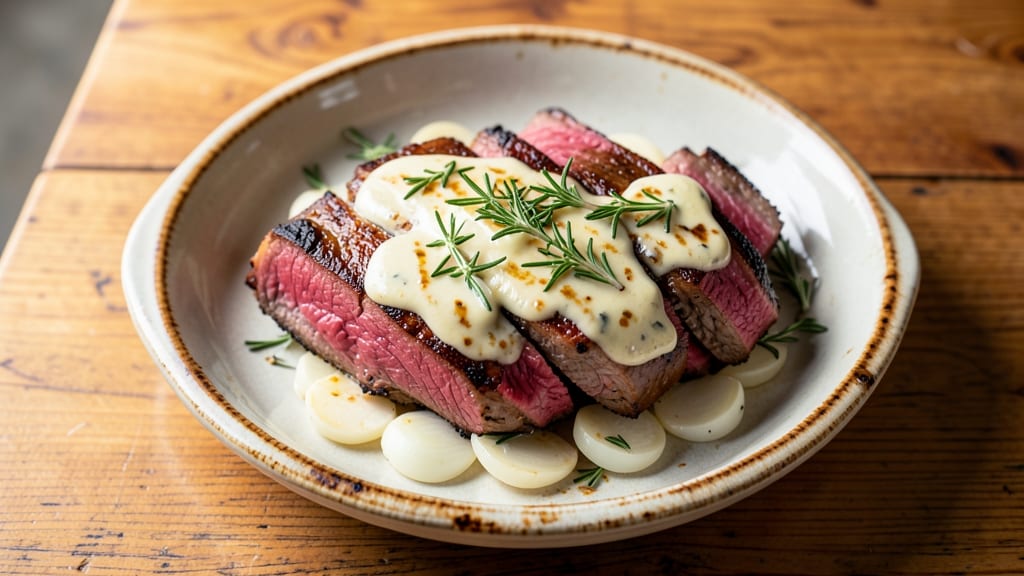
The Barefoot Contessa tenderloin roast delivers restaurant-quality beef with juicy pink centers and a perfectly seared crust, all achieved through her signature herb-crusted technique. This method transforms a simple roast into a showstopping centerpiece that wows guests without requiring advanced skills.
The secret lies in precise timing and basting—keeping the meat moist while building that flavorful exterior.
What sets this recipe apart is the herb crust, which combines fresh rosemary, thyme, and garlic with Dijon mustard for a savory, aromatic seal. Unlike traditional dry rubs, this mixture clings to the beef during roasting, infusing every bite with deep, herby notes.
The key to tender, juicy results is roasting at a controlled temperature—never rushing the process—while basting with butter and herbs every 15 minutes.
By the time you carve this masterpiece, you’ll have a beef tenderloin with a golden crust and melt-in-your-mouth tenderness, served with a pan sauce that captures all the roasted flavors.
The pink centers remain perfectly cooked, ensuring every slice is juicy and rich. This is the kind of dish that elevates any dinner from ordinary to extraordinary.
Pair it with roasted potatoes, a crisp green salad, or herbed mashed potatoes to complete the meal. The technique is straightforward, but the results are undeniably impressive—ideal for special occasions or when you want to cook like a pro. Let’s get started on this herb-crusted masterpiece.
Ingredients for barefoot contessa tenderloin roast
Six essential ingredients transform beef tenderloin into a restaurant-quality herb-crusted masterpiece.
| Ingredient | Amount | Notes |
|---|---|---|
| Beef Tenderloin 🥩 | 4 lb | Center-cut, trimmed of silver skin |
| Fresh Rosemary 🌿 | ¼ cup | Finely chopped, stems removed |
| Fresh Thyme 🌿 | ¼ cup | Leaves only, stems discarded |
| Garlic Cloves 🧄 | 8 cloves | Minced, not pre-minced jarred |
| Dijon Mustard 🍯 | 2 tbsp | High-quality, smooth variety |
| Unsalted Butter 🧈 | ½ cup | Cold, cut into pieces |
| Extra-Virgin Olive Oil 🫒 | 2 tbsp | For basting, fruity variety |
| Diamond Crystal Kosher Salt 🧂 | 1 ½ tsp | Fine grain preferred |
| Freshly Ground Black Pepper 🌶️ | 1 tsp | Coarsely ground |
| Red Wine 🍷 | ½ cup | Dry, bold variety like Cabernet |
| Beef Broth 💧 | ½ cup | Low-sodium, homemade preferred |
| All-Purpose Flour 🌾 | 1 tbsp | For pan sauce thickening |
The beef tenderloin is the star—center-cut, trimmed of silver skin—and the quality makes all the difference. Whole Foods Market or D'Artagnan carry premium cuts, but your local butcher will often have excellent options too. Look for vibrant color and good marbling; avoid any with grayish edges. The herb crust relies on fresh rosemary and thyme, so skip the dried versions here—nothing beats the aromatic punch of fresh. For the garlic, peel and mince fresh cloves rather than using pre-minced jarred garlic, which can be bitter and watery. The Dijon mustard must be high-quality to avoid an overly sharp flavor that can overpower the delicate beef.
No fresh rosemary? Substitute with 1 tablespoon dried rosemary, but reduce the amount by half since dried herbs are more concentrated. Running out of thyme? Fresh oregano at the same quantity works in a pinch, though the flavor profile will differ slightly. For the red wine, any dry, bold variety like Cabernet Sauvignon or Merlot will suffice—just avoid sweet wines. The beef broth can be swapped for low-sodium chicken broth, though beef adds depth. If you prefer a richer pan sauce, add 1 tablespoon of heavy cream at the end. The flour for thickening should be all-purpose, not cake flour, as it creates a smoother sauce.
The herb crust mixture can be prepared up to 24 hours ahead and stored in an airtight container in the refrigerator. The beef itself should sit at room temperature for 30 minutes before roasting for even cooking. Once roasted, the tenderloin reheats beautifully—simply warm in the oven at 300°F for 15 minutes to maintain moisture. The pan sauce can be made ahead and reheated gently on the stove, adding a splash of water or broth if it thickens too much. For a special touch, garnish with extra fresh herbs before serving to highlight the herb crust's aromatic profile.
Why You'll Love This Recipe
- No-Fuss Prep: I swear, this roast takes less effort than deciding what to watch on Netflix. Just sear the tenderloin, slap on that rosemary-thyme-Dijon paste, and let the oven do the work—no basting, no fuss.
- Herb-Garlic Magic: That crispy exterior? The rosemary and thyme practically melt into the beef, while the garlic and Dijon add this bright, tangy kick that makes every bite feel like a little celebration. (Yes, even on a Tuesday night.)
- Leftovers for Days: One tenderloin feeds a crowd, but the leftovers? Perfect for sandwiches, salads, or reheated slices that taste just as good cold. I’ve turned mine into sliders and still got requests for seconds.
- Weeknight Hero: Between us—this is my go-to when I need something impressive but low-stress. The garlic-herb crust caramelizes beautifully, and the center stays juicy enough to make my pickiest eater ask for more. (Not the prettiest, but the taste makes up for it.)
Step-by-step instructions for herb-crusted beef tenderloin roast
Master this technique and you'll achieve a perfectly tender roast with a rich herb crust and juicy pink centers every time.
Prepare the Herb Butter Mixture
In a small bowl, combine the cold 0.5 cup unsalted butter, 2 tbsp Dijon mustard, 1.5 tsp diamond crystal kosher salt, and 1 tsp freshly ground black pepper. Using your fingers, work the mixture until it becomes light and fluffy—this incorporates air which will create a beautiful crust. Add the 0.25 cup finely chopped fresh rosemary and 0.25 cup fresh thyme leaves, mixing until the herbs are evenly distributed throughout the butter.
Fold in the 8 cloves minced garlic last, ensuring each piece is well coated. The butter should resemble a thick, herby paste. Cover and refrigerate this mixture for 30 minutes to firm up slightly—this makes it easier to handle when applying to the tenderloin. The cold butter will help create that signature crispy crust while keeping the interior beautifully tender.
Season and Crust the Tenderloin
Remove the 4 lb beef tenderloin from the refrigerator and let it sit at room temperature for 30 minutes. This ensures even cooking throughout. Pat the tenderloin dry completely with paper towels—moisture is the enemy of a good crust. Using your hands, gently press the herb butter mixture all over the surface of the tenderloin, coating it completely. The butter should adhere well to the dry surface.
Place the buttered tenderloin on a rack set inside a rimmed baking sheet. This allows hot air to circulate underneath, preventing steam buildup that would soften the crust. Let it rest uncovered in the refrigerator for another 30 minutes while you preheat your oven. This final chilling step helps the butter firm up again, ensuring it stays in place during roasting and creates that coveted golden crust.
Roast to Perfect Medium-Rare
Preheat your oven to 450°F. When fully preheated, transfer the tenderloin to the oven and roast for 20 minutes. This initial high heat helps develop the crust while keeping the interior juicy. After 20 minutes, reduce the oven temperature to 350°F and continue roasting for another 20-25 minutes for a medium-rare doneness (internal temperature of 130-135°F).
Here's the key: use an instant-read thermometer to check the internal temperature. The tenderloin should feel slightly springy when pressed—this is your visual cue along with the thermometer reading. Remove the roast from the oven and let it rest on a cutting board for 15 minutes before slicing. This resting period allows the juices to redistribute, ensuring each slice remains moist and flavorful.
Create the Pan Sauce
While the tenderloin rests, place the baking sheet on the stovetop over medium heat. Add the 0.5 cup red wine and scrape up all the browned bits from the bottom of the pan with a wooden spoon—these contain concentrated flavor. Let the wine simmer for 3-4 minutes until reduced by half. Add the 0.5 cup beef broth and continue simmering for another 2 minutes until slightly thickened.
In a small bowl, whisk together the 1 tbsp all-purpose flour with 2 tbsp extra-virgin olive oil to create a slurry. Slowly pour this mixture into the pan, whisking constantly to prevent lumps from forming. Cook for 1-2 minutes until the sauce thickens to a glossy consistency. The sauce should coat the back of a spoon and be rich enough to cling to the tenderloin slices.
Slice and Serve with Pan Sauce
Once rested, slice the tenderloin against the grain into ½-inch thick slices. Arrange the slices on a warm serving platter and immediately spoon the pan sauce over the top. The slices should be beautifully pink in the center with a crispy herb crust on the outside. Each bite should deliver that perfect balance of tender beef, herby butter flavor, and rich pan sauce.
Serve immediately with roasted vegetables or a simple green salad. The tenderloin's natural richness pairs beautifully with complementary flavors without overpowering them. For an extra touch, garnish with additional fresh thyme leaves and a sprinkle of flaky sea salt. This method guarantees a restaurant-quality result with minimal effort—just follow the steps precisely and let the natural flavors shine.
Pro Tips For Making Barefoot Contessa Tenderloin Roast
- USE A MEAT THERMOMETER: The Barefoot Contessa recipe calls for medium-rare (125°F internal temp), but I learned the hard way—eyeballing this cut leads to overcooking. Tenderloin cooks fast, and by the time you think it’s done, it’s dry. Stick the probe in the thickest part, and pull it when it hits 125°F—no guessing.
- SALT THE ROSEMARY FIRST: Fresh rosemary and thyme lose their punch when buried in butter or mustard. Before making the herb butter, toss the whole sprigs in 1 teaspoon of flaky salt and let them sit for 10 minutes. This wakes up their flavor and keeps them from turning bitter in the heat—trust me, your roast will taste brighter.
- DON’T SKIP THE MUSTARD LAYER: The Dijon mustard in this recipe isn’t just for flavor—it’s the glue that keeps the herb butter from sliding off. Spread a thin, even layer over the tenderloin before adding the butter. I used to rush this step, and the herbs would melt into a greasy mess instead of sticking. Take the 30 seconds to do it right.
- REST IT UNDER FOIL: The recipe says to rest the roast, but I used to cut into it too soon—big mistake. After pulling it from the oven, tent it loosely with foil and let it sit for 10-15 minutes. This keeps the juices from pooling on the cutting board, and the meat stays moist. (Yes, even if you’re impatient like me.)
Best sauces and condiments for this dish
Herb Butter Glaze
The star of this dish is the herb butter crust—a blend of rosemary, thyme, garlic, Dijon, and butter that creates a golden, aromatic seal. After roasting, brush the slices with any leftover herb butter mixture for extra richness.
For a restaurant-worthy finish, sprinkle with flaky sea salt and fresh thyme right before serving. 🌿
Red Wine Pan Sauce
The red wine reduction in the recipe captures all the roasted flavors from the pan. For depth, deglaze with Cabernet Sauvignon or Merlot—avoid sweet wines. If you prefer a silkier texture, whisk in 1 tablespoon heavy cream at the end.
The sauce should coat the back of a spoon and cling beautifully to each slice. 🍷
Honey-Mustard Drizzle
For a sweet-tangy contrast, drizzle the sliced tenderloin with a mix of 1 tablespoon Dijon mustard and 1 tablespoon honey, warmed together. This balances the richness of the beef and adds a touch of elegance. Adjust the ratio to taste—more honey for sweetness, more mustard for tang. 🍯
Garlic-Herb Compound Butter
If you have extra herb butter, shape it into a log, wrap in parchment, and chill for 30 minutes. Slice and serve alongside the tenderloin for guests to spread on their plates. This adds an extra layer of flavor and makes the dish feel even more special. 🧈
Balsamic Glaze Finish
For a gourmet touch, warm 2 tablespoons balsamic vinegar with 1 teaspoon honey until slightly reduced. Drizzle over the sliced tenderloin just before serving. The acidity cuts through the richness, adding brightness and complexity. 🍇
Whipped Cream Cheese Sauce
For a creamy alternative, mix ½ cup softened cream cheese with 2 tablespoons sour cream and 1 tablespoon lemon juice. Thin with a splash of milk if needed, then drizzle over the slices. This adds a cool, tangy contrast to the warm beef. 🧀
Nutrition facts
Frequently asked questions
How do I know when the beef tenderloin is perfectly cooked?
Use an instant-read thermometer to check the internal temperature: 130-135°F for medium-rare (the ideal doneness for this recipe). The tenderloin should also feel slightly springy when pressed gently with your fingers. Never overcook—this lean cut benefits from a juicy pink center!
Can I make the herb butter mixture ahead of time?
Yes! Prepare the herb butter up to 24 hours ahead and store it in an airtight container in the refrigerator. When ready to use, let it sit at room temperature for 15-20 minutes before coating the tenderloin. This saves time and keeps all flavors cohesive.
What's the best way to reheat leftover tenderloin?
Reheat slices in a 300°F oven for 10-15 minutes on a wire rack over a baking sheet to maintain crispness. For pan sauce, gently warm it on the stovetop with a splash of beef broth if needed. Never microwave—it turns the meat rubbery.
Why did my tenderloin turn out dry?
Overcooking is the most common cause—this lean cut dries out quickly above 140°F. Always use a thermometer and remove from heat at 130°F, then let it rest 15 minutes before slicing. Another tip: Pat the meat completely dry before applying the herb butter to help create a better crust.
How should I serve this tenderloin for a special occasion?
Arrange slices on a warm platter with the pan sauce drizzled artistically around the edges. Garnish with fresh thyme sprigs and flaky sea salt, then surround with roasted baby potatoes and asparagus. For extra drama, add a herb butter log on the side for guests to spread.