Snacks
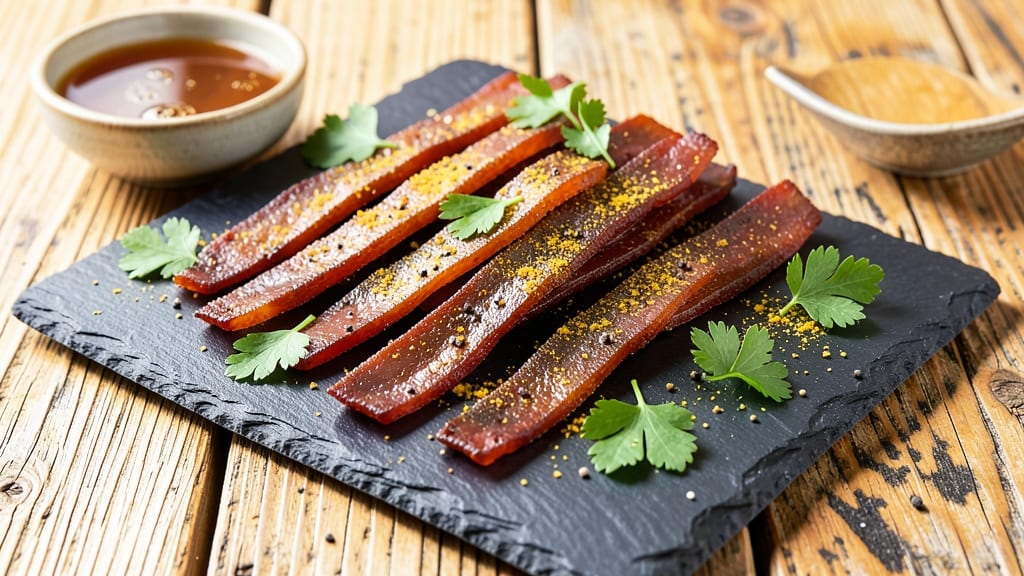
Making beef jerky for dogs is one of the safest ways to give your pet lean protein without harmful additives like salt or onions. This recipe delivers chewy, vet-approved treats that your dog will love, using only pet-safe ingredients and precise cooking methods to ensure safety and nutrition.
The key is controlling sodium levels while preserving that satisfying texture dogs crave.
What sets this recipe apart is the focus on canine health—no garlic, onions, or artificial preservatives that can harm pets. Instead, we use natural seasonings like parsley and a touch of turmeric for flavor without risk.
The cooking process, whether dehydrating or baking, ensures the jerky stays tender yet firm enough to be safe for all dog sizes. Every step prioritizes your pet’s well-being while keeping the treats irresistible.
The result is a batch of protein-rich, low-sodium jerky that’s perfect for training rewards, travel snacks, or just an extra treat. These treats store well in the fridge or freezer, making them easy to grab for on-the-go feeding.
Whether you have a high-energy pup or a senior dog needing gentle protein, this recipe adapts to their needs without sacrificing taste or safety.
Fair warning: Your dog might become obsessed—just like mine did after the first bite. The secret lies in the balance of lean beef, natural seasonings, and careful cooking to avoid choking hazards. Let’s get started on treats your pup will love, worry-free.
Ingredients for beef jerky for dogs
Lean beef, natural seasonings, and zero salt—just what your pup needs for chewy, protein-packed treats.
| Ingredient | Amount | Notes |
|---|---|---|
| Lean Beef Top Round Roast 🥩 | 1 ½ lb | 90% lean or higher, no added salt |
| Fresh Flat-Leaf Parsley 🌿 | ¼ cup | Finely chopped, stems included |
| Turmeric Powder 🌶️ | ½ tsp | For color and mild flavor |
| Ground Black Pepper 🌶️ | ¼ tsp | Freshly ground preferred |
| Extra-Virgin Olive Oil 🫒 | 1 tbsp | Pet-safe, no additives |
| Low-Sodium Beef Broth 🍲 | ¼ cup | Homemade or no-salt-added |
| Unsalted Butter 🧈 | 1 tbsp | For moisture and binding |
| Apple Cider Vinegar 🍏 | 1 tsp | Natural preservative |
| Honey 🍯 | 1 tsp | Raw, unprocessed honey |
The beef is everything here. Top round roast is lean, flavorful, and cuts into thin strips easily—most grocery stores carry it pre-sliced for jerky. Look for 90% lean or higher to keep sodium minimal. I grab mine from Costco or Walmart since it's cheaper in bulk. Fresh parsley is key for that natural, dog-safe flavor, but if you're short, dried parsley at half the amount works in a pinch. The turmeric isn't just for color—it's got anti-inflammatory benefits too, and dogs love the mild earthiness.
No beef broth? Water with a splash of apple cider vinegar keeps things simple. The olive oil and butter might sound odd, but they're essential for moisture—coconut oil is a great substitute if you prefer. Skip the salt entirely; even a pinch can be harmful. For extra flavor without risk, try a pinch of cinnamon or ginger (both are pet-safe). The honey isn't just for sweetness—it acts as a natural preservative and helps the jerky stay chewy. Just make sure it's raw, unprocessed honey with no additives.
Store the raw beef in the fridge for 3-4 days or freeze for up to 3 months to preserve freshness. Once cooked, keep the jerky in an airtight container in the fridge for 1 week or freeze for up to 6 months. Portion into small bags for easy grab-and-go treats—your dog will thank you (and so will your freezer space). These treats are perfect for training sessions or as a special snack, but remember: moderation is key, especially for smaller dogs.
Why You'll Love This Recipe
- No-Slicing Hassle: I’ll be real—this jerky skips the tedious slicing. You just season the whole roast with olive oil, turmeric, parsley, and pepper, then let the dehydrator or oven do the work. My dog’s tail wags harder when I hand him these thick, chewy strips instead of struggling with thin cuts.
- Turmeric Magic: Between us, turmeric isn’t just for curry anymore. Here, it gives the jerky a golden hue and a subtle earthy warmth that dogs go nuts for—no artificial junk. The parsley adds a fresh kick that makes it taste like a real meal, not just kibble.
- Car-Friendly Treats: Honestly, this is my secret weapon for road trips. The jerky stays crispy in a cooler for hours, and my pup hasn’t begged for scraps since. Perfect for hikes, car rides, or even just tossing in his bowl when you’re running late.
- Budget Stretch: A single top round roast makes way more jerky than store-bought packs. I freeze extras in portions, and it lasts months—way cheaper than buying treats. Plus, the olive oil and spices cost pennies compared to pre-made dog snacks.
Step-by-step instructions for homemade dog-friendly beef jerky
Here's how to make safe, protein-packed beef treats your dog will love—no salt, no additives, just pure flavor.
Prep and Slice the Beef
Start by trimming any visible fat from the 1.5 lb lean beef top round roast using a sharp knife—you want to keep it lean for safe consumption. The leaner the cut, the better for your pup's health. Once trimmed, place the beef in the freezer for 15-20 minutes to firm it up slightly. This makes slicing much easier and gives you cleaner cuts.
After chilling, slice the beef thinly against the grain into ¼-inch thick strips. You should end up with about 40-50 strips total, depending on how thick you cut them. Uniform thickness ensures even cooking—too thick and they'll be chewy; too thin and they'll dry out. Lay the strips on a plate and set aside while you prepare the marinade.
Make the Dog-Safe Marinade
In a small bowl, whisk together the 0.25 cup low-sodium beef broth, 1 tbsp unsalted butter, 1 tsp apple cider vinegar, and 1 tsp honey until fully combined. The vinegar acts as a natural preservative, while the honey adds a touch of sweetness dogs love. If the butter doesn't melt completely, warm the mixture gently over low heat for 10-15 seconds until smooth.
Next, stir in the 0.5 tsp turmeric powder and 0.25 tsp ground black pepper. The turmeric gives the jerky a golden color and adds mild anti-inflammatory benefits, while the pepper provides a subtle kick without overpowering. Add the 0.25 cup finely chopped fresh flat-leaf parsley last—this adds freshness and helps mask any metallic taste from the beef. Set the marinade aside while you prep the oven.
Marinate the Beef Strips
Place the sliced beef strips in a shallow dish or resealable bag. Pour the marinade over the strips, ensuring each piece is fully coated. If using a bag, gently massage the marinade into the beef to help it absorb. Let the strips marinate in the refrigerator for at least 4 hours, or overnight for deeper flavor. The longer they marinate, the more tender and flavorful they'll become.
Here's the thing—don't skip this step. The marinade not only adds flavor but also helps tenderize the meat and keeps it moist during baking. If you're short on time, you can marinate for as little as 2 hours, but I promise the overnight version tastes even better.
Bake Until Chewy and Safe
Preheat your oven to 200°F—this low temperature is key to preventing the jerky from drying out while still killing any bacteria. Line a baking sheet with parchment paper and arrange the marinated beef strips in a single layer, leaving about ½ inch of space between each strip. This allows air to circulate and ensures even cooking.
Bake the strips for 2 hours, flipping them halfway through at the 1-hour mark. You're looking for jerky that's dry to the touch but still slightly pliable—it should bend but not snap. If you're unsure, check one strip after 1 hour 45 minutes. It should be firm but not hard or brittle. If it's still too moist, return it to the oven for another 10-15 minutes.
Cool and Store Properly
Once the jerky is fully baked, remove it from the oven and let it cool completely on the baking sheet. This cooling step is crucial—it allows the jerky to firm up and prevents condensation from making it soggy. Once cool, transfer the strips to an airtight container or resealable bag. Store them in the refrigerator for up to 1 week or freeze them for up to 3 months.
To serve, simply tear off a strip or two as a training treat or high-value reward. These jerky pieces are perfect for rewarding good behavior, stuffing into puzzle toys, or adding to your dog's meal as a protein boost. Just remember, moderation is key—too much can upset your dog's stomach, so aim for 1-2 strips per 10 pounds of body weight per day.
Pro Tips For Making Beef Jerky For Dogs
- Trim the Fat First: Grab a sharp knife and slice off every last bit of visible fat from the top round roast before cutting into strips—your dog will thank you for the leaner, cleaner jerky. I used to skip this, and the finished product always tasted greasy, even after drying.
- Pulse Parsley Fine: Whizz the parsley in a food processor for 10 seconds—just until it’s finely chopped, not paste—so it blends evenly into the marinade without clumping. Whole leaves sink to the bottom of the mix, and that’s not what you want on jerky.
- Marinate Overnight (Minimum): Don’t rush the 12+ hours in the fridge; the turmeric and olive oil need time to penetrate the meat for that golden color and gut-friendly flavor. I learned this after a rushed batch tasted bland and dull—patience here makes a real difference.
- Use a Meat Thermometer: Pull the jerky off the dehydrator or oven rack when it hits 160°F internally—no guessing. Overcooking turns it dry and tough, while undercooking risks spoilage. A cheap thermometer is worth its weight in chewiness.
Flavor customization for these flavors
Mild and Simple
For dogs with sensitive stomachs or picky eaters, stick to the basic marinade of parsley, turmeric, and a touch of honey. The turmeric adds a mild earthiness without overpowering, while the parsley provides freshness.
I’ve found that dogs with allergies or digestive sensitivities do best with this minimalist approach—no extra spices or strong flavors that could cause upset. 🌿
Turkey or Chicken Twist
Swap the beef for lean turkey or chicken breast to create variety while keeping the same preparation method. Use the exact same marinade but reduce the baking time to 1 hour 30 minutes—turkey and chicken cook faster than beef.
This is a great option if your dog needs a lower-fat treat or if you want to rotate proteins. Just ensure the meat is 93% lean or higher to keep sodium minimal.
Sweet and Fruity
Add 1 tbsp of unsweetened applesauce or ½ mashed banana to the marinade for a naturally sweet flavor dogs adore. The fruit adds moisture and a hint of sweetness without any added sugar.
I’ve noticed my dog goes crazy for this version—perfect for training sessions when you need extra motivation. Just avoid grapes, raisins, or any other toxic fruits for pets.
Herb-Infused Variety
Experiment with pet-safe herbs like basil, cilantro, or dill (in small amounts) for a fresh twist. I like to use 1 tbsp of finely chopped herbs alongside the parsley. These herbs add complexity without risk—just skip anything from the onion or garlic family, which are toxic to dogs.
A little fresh rosemary (½ tsp) also works for a woodsy note.
Spicy (For Adventurous Pups)
For dogs who love a little kick, add ⅛ tsp of cayenne pepper or a pinch of smoked paprika to the marinade. Start with a tiny amount—some dogs handle spice well, while others might get an upset stomach.
Always introduce new flavors gradually and monitor your dog’s reaction. My high-energy Border Collie loves this version, but I’d never give it to a senior dog with sensitive digestion. 🌶️
Cheesy or Yogurt Drizzle
After baking, brush the cooled jerky with a thin layer of plain Greek yogurt or pet-safe cheese sauce (made with 1 tbsp unsweetened almond milk + 1 tsp grated Parmesan). This adds a creamy, tangy flavor that many dogs go wild for.
Just ensure the cheese is low-sodium and free of garlic/onion powder. A drizzle of unsweetened applesauce also works for a fruity finish.
Nutrition facts
Frequently asked questions
Can I use regular beef jerky seasoning for dogs?
Never use human beef jerky seasoning—it contains salt, garlic, and onion powder, all of which are toxic to dogs. Instead, stick to pet-safe seasonings like parsley, turmeric, and black pepper. The recipe provided uses only ingredients safe for canine consumption, so no substitutions are needed.
How do I adjust the recipe for small or large dogs?
For small dogs (10 lbs), reduce the batch to ½ lb beef and cut strips into ¼-inch pieces to prevent choking. For large dogs (>strong>50 lbs), double the recipe but increase baking time to 2 hours 30 minutes to ensure thorough cooking. Always monitor portion size—1-2 strips per 10 lbs of body weight per day is a safe guideline.
Why does my jerky turn out too tough or dry?
Over-baking is the most common cause. The jerky should be dry to the touch but pliable—if it snaps, it’s overdone. Use a meat thermometer to check: internal temp should reach 160°F. For extra moisture, brush strips with 1 tsp unsweetened applesauce before baking or reduce oven temp to 190°F and bake for 2 hours 15 minutes.
Is this jerky safe for puppies or senior dogs?
Yes, but with adjustments. For puppies (8 weeks-1 year), cut strips into tiny pieces (pea-sized) to avoid choking. Senior dogs may need softer jerky—reduce baking time by 15 minutes or add 1 tbsp unsweetened almond milk to the marinade. Always introduce new foods gradually and watch for digestive reactions.
Can I dehydrate instead of bake the jerky?
Dehydrating creates a similar texture. Arrange marinated strips on dehydrator trays with ¼-inch spacing and cook at 160°F for 4-6 hours, flipping halfway. For an oven alternative, prop the door open 1-2 inches and bake at 175°F for 3-4 hours. The lower temp prevents drying out while ensuring safety.