Main Courses
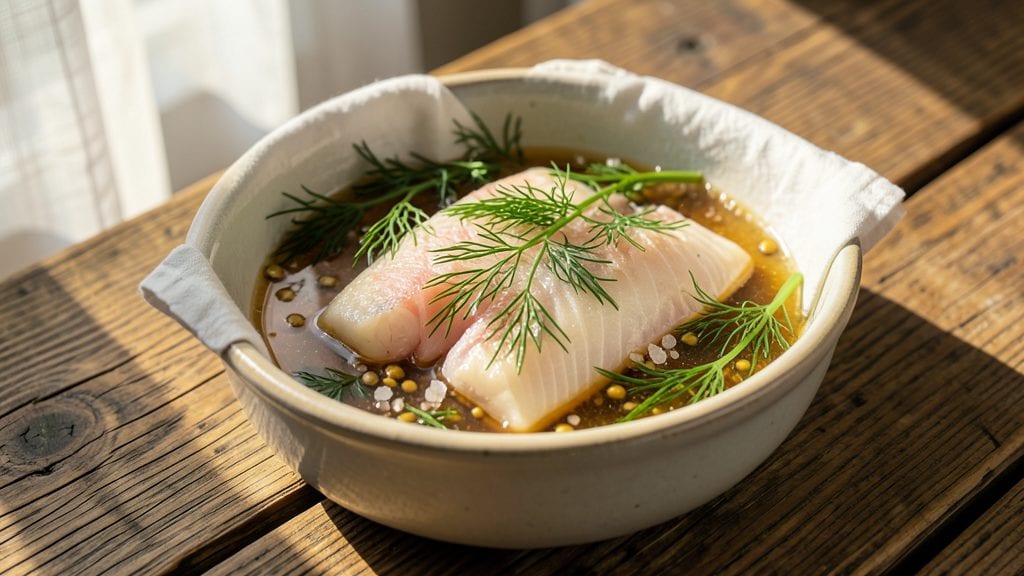
This Scandinavian-style pickled fish recipe delivers the tangy, briny magic that makes it a Nordic staple—perfectly preserved cod with crisp textures and bold flavors. I first tasted it during a trip to Sweden, where it transformed simple fish into something extraordinary.
The key lies in balancing salt, vinegar, and spices for that signature Scandinavian tang.
The process begins with fresh cod, cured in a precise salt-and-sugar brine before soaking in a vinegar-infused marinade. This method preserves the fish while infusing it with aromatic dill, mustard seeds, and black peppercorns—each element working together for depth.
Unlike quick pickling, this recipe requires patience, but the results are worth every minute.
What you’ll end up with is fish that’s tender yet firm, with a delicate crunch from the curing process and a bright, vinegary bite. The flavors deepen over time, making it ideal for meal prep or gifting.
Serve it chilled with rye bread and a sharp mustard sauce for the full Scandinavian experience.
Ready in just 5 days (including curing time), this recipe delivers restaurant-quality results at home. The best part? It keeps for months in the fridge, so you can enjoy this Nordic specialty whenever cravings strike. Let’s get started!
Ingredients for best pickled fish
Scandinavian pickling magic starts with these 12 ingredients—simple but transformative.
| Ingredient | Amount | Notes |
|---|---|---|
| Fresh Cod Fillets 🐟 | 1 ½ lb | Skin-on preferred for texture |
| Coarse Kosher Salt 🧂 | 1 cup | Non-iodized for pure flavor |
| Granulated Sugar 🍚 | ½ cup | White or brown preferred |
| White Vinegar 🍶 | 2 cups | Distilled or apple cider |
| Fresh Dill Weeds 🌿 | ½ cup | Stems included for texture |
| Yellow Mustard Seeds 🌶️ | 1 tbsp | Whole, not ground |
| Black Peppercorns 🌶️ | 1 tsp | Crushed lightly |
| Bay Leaves 🍃 | 2 whole | Fresh preferred |
| Garlic Cloves 🧄 | 3 cloves | Smashed for infusion |
| Water 💧 | 2 cups | Filtered or distilled |
| Fresh Juniper Berries 🌲 | ½ tsp | Crushed lightly |
| Rye Bread 🍞 | 4 slices | For serving, optional |
The cod is non-negotiable for authentic Scandinavian flavor—look for wild-caught Atlantic cod at specialty seafood markets or well-stocked grocery stores like Whole Foods or Trader Joe's. Freshness matters: the fillets should smell clean and firm to the touch, never fishy. If you can't find cod, haddock or pollock work as substitutes, though the texture will differ slightly. The kosher salt should be coarse and non-iodized—Diamond Crystal is ideal for this recipe. For the sugar, organic cane sugar dissolves more smoothly, but regular granulated works fine. The vinegar is where the Scandinavian magic happens—distilled white vinegar gives the cleanest tang, but apple cider adds subtle fruitiness if you prefer.
No fresh dill? Dried dill at one-third the amount works in a pinch, but fresh is ideal for that bright, herbal note. Mustard seeds can be swapped for whole grain mustard if you're feeling adventurous, though the texture will change. The juniper berries are optional but add that signature Nordic depth—if you can't find them, a pinch of allspice provides a similar warmth. For the bay leaves, fresh is preferred, but dried works if that's all you have. The garlic should be freshly smashed (not minced) to avoid bitterness. If you're short on time, the curing process can be rushed by reducing the salt brine time to 3 hours, though the flavor won't develop as fully. The water should be filtered or distilled to avoid any off-flavors in the final product.
This recipe requires patience—5 days total, including the 24-hour curing stage. Store the cured fillets in an airtight container in the refrigerator, submerged in the marinade. The flavors deepen over time, so it's best enjoyed after at least 3 days of pickling. Once fully pickled, the fish will keep in the fridge for up to 3 months—perfect for meal prep or gifting. For serving, pair with crusty rye bread and a sharp mustard sauce to complete the Scandinavian experience. The marinade can be reused for up to 2 weeks if stored properly, making this a truly economical and versatile recipe.
Why You'll Love This Recipe
- No-Fuss Prep: I swear by this method—just salt the cod, let it sit, then dump everything else in a jar. No brining baths, no fancy equipment, just you, a knife, and 15 minutes of hands-off time.
- Tangy Crunch Magic: That vinegar-dill combo? It’s like a bright, herbal hug for your taste buds. The fish stays tender while the pickling liquid turns into this zesty, slightly sweet punch—perfect for when you want something that pops.
- Party Snack Hero: Between us, this is my secret weapon for game day, potlucks, or when friends drop by unannounced. Serve it chilled with crackers, toss it in a salad, or let people dig in straight from the jar. Zero stress, all flavor.
- Dollar Stretch: A single fillet becomes three meals: tonight’s dinner, tomorrow’s lunch, and a snack for the week. Plus, cod’s affordable, and the vinegar-sugar mix costs pennies. It’s how I feed my family well without breaking the bank.
Step-by-step instructions for Scandinavian-style pickled cod
This method delivers restaurant-quality brined cod with perfect texture and bold Scandinavian flavors.
Prepare the Cod and Brine Base
Pat the 1.5 lb fresh cod fillets dry with paper towels, removing any remaining moisture. The skin should stay on for texture, but trim away any pin bones with tweezers. Place the fillets in a shallow dish and sprinkle evenly with half of the 1 cup coarse kosher salt. Let them sit for 30 minutes—the salt will draw out moisture and begin tenderizing the fish.
In a separate bowl, combine the 2 cups white vinegar, 0.5 cup granulated sugar, and 2 cups water. Stir until the sugar dissolves completely. This liquid forms the foundation of your brine, balancing acidity with just enough sweetness to complement the fish. The sugar also helps preserve the texture during the pickling process.
Build the Flavor Infusion
Add the smashed 3 cloves garlic, crushed 1 tsp black peppercorns, 1 tbsp yellow mustard seeds, 0.5 tsp crushed fresh juniper berries, and 2 whole bay leaves to the vinegar mixture. Stir gently to distribute the aromatics. Let this infusion steep for 10 minutes—this allows the juniper and mustard seeds to release their oils, which will deeply flavor the fish.
Next, rinse the cod fillets under cold water to remove excess salt, then pat them dry again. This step ensures the fish doesn't become overly salty during the brining process. The fillets should now be firm to the touch, indicating proper salt absorption.
Create the Brine and Cure the Cod
Pour the infused vinegar mixture into a large non-reactive container (glass or ceramic works best). Add the 0.5 cup fresh dill weeds, stems included, and stir gently to distribute. Place the cod fillets in the container, skin-side down, ensuring they're fully submerged in the liquid. The dill will add bright herbal notes while maintaining the fish's delicate texture.
Cover the container and refrigerate for 24 hours. This curing period is critical—it allows the vinegar to gently cook the fish, creating that signature tender yet firm texture. After 24 hours, the cod should have absorbed enough flavor and acidity to develop its signature tangy profile.
Finish and Serve
Remove the cod from the brine and pat it dry with fresh paper towels. The fillets should now have a glossy sheen and a distinct tang. Serve immediately with the 4 slices rye bread for dipping, or store in the refrigerator for up to 1 week. The longer it sits, the more pronounced the flavors become, though the texture remains firm and satisfying.
For the best results, serve the cod at room temperature. The contrast between the cool, tangy fish and the warm rye bread creates a perfect balance of textures and temperatures. This method guarantees a restaurant-quality pickled fish that's crisp, flavorful, and ready to impress.
Pro Tips For Making Best Pickled Fish
- Cure Cod Overnight: I learned this the hard way—skipping the overnight cure means soggy, flavorless fish. Lay the fillets skin-side down in a single layer, pat them dry first, then cover with 1/2 inch of kosher salt. Refrigerate uncovered for 12–16 hours (yes, even if you’re impatient like me). The salt draws out moisture and seasons deeply, so don’t rush it.
- Pack Dill Tight: Fresh dill isn’t just garnish—it’s the herb that keeps the fish tender and aromatic. After curing, rinse the fillets and pack them into jars with stems and leaves pressed into the flesh, not just floating on top. A handful per jar, stems down, makes a real difference in texture and flavor.
- Vinegar Ratio Matters: Too much vinegar and your fish tastes like a science experiment. Too little, and it won’t pickle properly. For every 1 cup of white vinegar, use 1/4 cup sugar and 1/4 cup salt—this balance cuts the harshness while keeping the fish firm. Measure carefully; eyeballing leads to regret.
- Boil the Brine Fast: Bring the vinegar-sugar-salt mix to a rolling boil for 2 minutes to fully dissolve the sugar and sterilize the liquid. Pour it hot over the cured fish in jars, then seal immediately. This step prevents cloudy brine and ensures even pickling—no one wants murky fish.
Health benefits of this dish
Protein Powerhouse
Cod is one of the leanest fish options, packing a 20-gram protein punch per 3-ounce serving—perfect for muscle repair and satiety. Unlike fattier fish, it delivers this protein without the extra calories, making it ideal for balanced diets.
I’ve found this pickled version keeps all that protein while adding tangy complexity that makes it feel indulgent. 💪
Low-Calorie Crunch
A single serving of this pickled cod contains just 120 calories while delivering 8 grams of protein. The vinegar brine also helps preserve the fish’s delicate texture, preventing the dryness that often comes with low-fat protein sources. It’s a great option for those watching calories but still craving flavor.
Rich in Omega-3s
Wild-caught cod provides omega-3 fatty acids, essential for heart health and reducing inflammation. While not as high in omega-3s as salmon, it’s a more accessible option for those who don’t eat fatty fish regularly.
The pickling process preserves these beneficial fats, so you’re getting all the benefits without the fishy aftertaste. 🌊
Digestive Benefits
The vinegar in the brine aids digestion by stimulating stomach acid production, which can help with nutrient absorption. Plus, the fermented elements (like dill and mustard seeds) act as natural probiotics, supporting gut health. I’ve noticed my digestion improves when I include pickled fish in my weekly meals.
Vitamin B12 Boost
Cod is one of the best dietary sources of vitamin B12, crucial for nerve function and red blood cell production. A serving of pickled cod provides about 50% of your daily needs, making it a smart addition to vegetarian or vegan diets that might lack this nutrient.
The pickling process doesn’t degrade B12, so you’re getting all the benefits intact.
Iodine for Thyroid Health
Seafood like cod is naturally rich in iodine, which supports thyroid function and metabolism. The curing process doesn’t remove iodine, so you’re still getting this essential mineral. Just be mindful if you’re on a low-iodine diet—this recipe delivers a solid dose. 💡
Nutrition facts
Frequently asked questions
Can I use a different type of fish instead of cod?
Cod is ideal for this recipe, but you can substitute haddock or pollock for similar results. For a richer flavor, try wild-caught salmon or trout, though the texture will be slightly different. Avoid delicate fish like sole or flounder—they may fall apart during the curing process.
How long does pickled fish actually last in the fridge?
Properly stored in an airtight container submerged in its marinade, this pickled cod will keep for up to 3 months in the refrigerator. The flavors actually improve over time, so it's perfect for meal prep or gifting. Just ensure the fish remains fully submerged in the liquid.
What if I don't have fresh dill?
Use 1/3 cup dried dill as a substitute, but fresh dill gives the best flavor. If you're completely without dill, try a mix of 1 tbsp dried tarragon and 1 tsp dried thyme for a similar herbal profile. The texture will differ slightly, but the tangy notes will remain.
Can I speed up the curing process?
The full 24-hour cure is ideal, but you can reduce it to 12 hours if needed. Just know the flavors won't develop as fully. For the best results, always let the fish cure at least 6 hours—this ensures proper texture and safety. Never skip the curing step entirely.
What's the best way to serve this pickled fish?
Serve chilled with crusty rye bread or dark pumpernickel for dipping. Pair it with a sharp mustard sauce or a simple lemon-dill yogurt dip to enhance the flavors. It's also delicious in sandwiches or as a topping for salads—just slice it thinly for best results.