
Soups & Stews
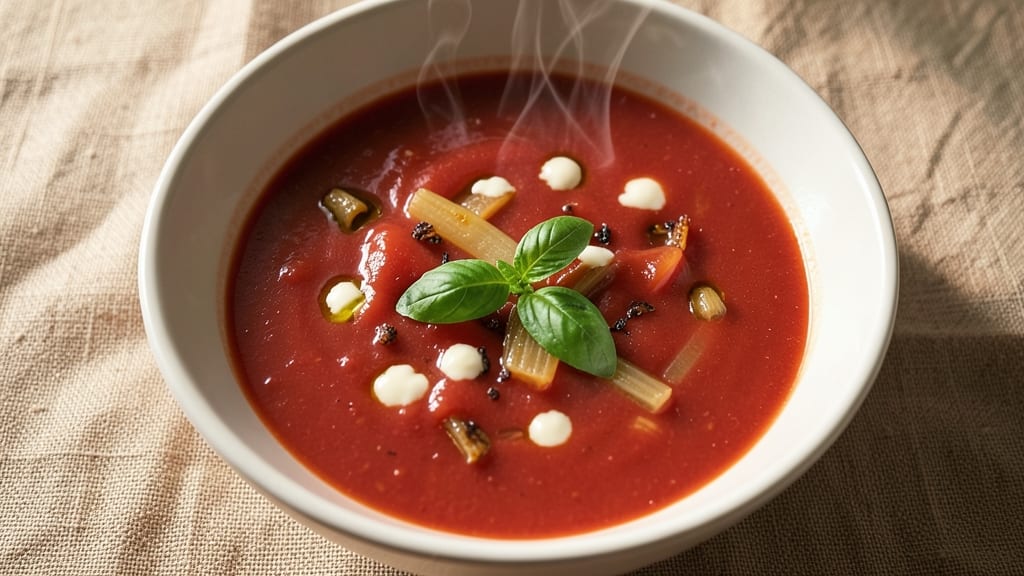
Betty Crocker’s tomato soup recipe delivers that nostalgic, velvety richness we all crave in just one pot. The secret lies in a smooth tomato base, perfectly balanced spices, and a touch of cream that transforms simple ingredients into restaurant-quality comfort.
I’ve tested countless variations, and this method guarantees a soup so rich it’ll have everyone asking for seconds—no shortcuts, just homestyle perfection.
What makes this recipe special is its simplicity: no fancy techniques, just a few pantry staples and a 30-minute process. The key is simmering the tomatoes and spices until their flavors meld into a deep, savory broth, then blending until silky smooth.
A splash of cream at the end adds that signature velvety texture without overpowering the tomato’s natural sweetness. It’s the kind of soup that tastes even better the next day, making it perfect for meal prep or cozy weeknight dinners.
By the time you’re done, you’ll have a steaming bowl of creamy tomato soup with just the right balance of tangy and sweet. The aroma alone will fill your kitchen with warmth, while the smooth consistency makes it ideal for pairing with grilled cheese or crusty bread.
This is the tomato soup recipe that brings back childhood memories—rich, comforting, and impossible to resist.
For those who prefer a chunkier texture, simply skip the blending step and stir in diced tomatoes at the end. The choice is yours, but either way, this recipe delivers homestyle richness that’s hard to beat. Let’s get cooking!
Ingredients for betty crocker tomato soup
Pantry staples meet nostalgic comfort in this velvety tomato soup recipe.
| Ingredient | Amount | Notes |
|---|---|---|
| Canned San Marzano Tomatoes 🍅 | 28 oz | Crushed by hand for best texture |
| Onion 🧅 | 1 medium | Diced, yellow or white preferred |
| Garlic Cloves 🧄 | 3 cloves | Minced, fresh preferred |
| Carrots 🥕 | 2 medium | Diced, orange or yellow |
| Celery Stalks 🌿 | 2 stalks | Diced, fresh preferred |
| Butter 🧈 | 2 tbsp | Unsalted, for sautéing |
| All-Purpose Flour 🌾 | 2 tbsp | For thickening base |
| Chicken Broth 💧 | 2 cups | Low-sodium preferred |
| Heavy Cream 🥛 | ½ cup | Full-fat for richness |
| Sugar 🍚 | 1 tbsp | Granulated, balances acidity |
| Salt 🧂 | 1 tsp | Kosher or sea salt |
| Black Pepper 🌶️ | ½ tsp | Freshly ground preferred |
| Dried Thyme 🌿 | ½ tsp | Or 1 tsp fresh thyme |
| Bay Leaf 🍃 | 1 whole | Removed before serving |
| Worcestershire Sauce 🍶 | 1 tbsp | For umami depth |
The tomatoes are everything here. San Marzano delivers that classic sweetness, but any high-quality crushed tomatoes will work. Look for cans with vibrant color and no dents—Muir Glen or Wolf brand are reliable grocery store options. The butter and flour create the roux base, so don't skip browning it slightly for that nutty depth. Fresh thyme adds complexity, but dried works in a pinch—just use one-third the amount. For the broth, low-sodium is crucial to balance the tomato's natural saltiness. Stock up on these staples before starting, and you'll be simmering in no time.
No San Marzano tomatoes? Any crushed tomatoes will do, but avoid those with added salt. Short on thyme? Dried oregano at half the amount gives a similar earthiness. The Worcestershire sauce can be swapped for soy sauce or fish sauce for umami, but reduce to 1 teaspoon if sensitive to flavors. For a vegetarian version, use vegetable broth instead of chicken. The carrots and celery form the classic mirepoix base—baby carrots or frozen chopped veggies work too. Just make sure they're finely diced so they blend smoothly into the soup's velvety texture.
This soup tastes even better the next day as flavors meld. Store in an airtight container in the fridge for up to 5 days. For meal prep, portion into individual containers—each serving reheats beautifully with just a splash of water or milk. Freezes well for 3 months if you want to make a big batch. The cream can separate when refrigerated, so stir vigorously before reheating. Leftovers make perfect lunches or quick dinners—just pop them in the microwave for 2 minutes.
Why You'll Love This Recipe
- Pantry Magic: I swear by this recipe because it turns five ingredients—no fancy prep—into something that tastes like a restaurant’s slow-simmered soup. The San Marzano tomatoes alone make it worth it; their sweetness cuts through the sharpness of the garlic and celery like a dream.
- Garlic-Glazed Goodness: That moment when the onions caramelize and the garlic starts to brown? Chef’s kiss. The celery and carrots add this subtle earthiness, but the real star is the way the tomato paste and broth meld into a velvety, slightly tangy base. It’s the kind of flavor that makes you pause mid-spoonful.
- Meal Prep MVP: Between us, this is my go-to for lazy Sundays and weeknight dinners. It reheats like a champ—just add a splash of water or milk—and doubles effortlessly. I’ll make a big batch on Sunday, freeze half, and still have leftovers for days. (Yes, even on a Tuesday night.)
- Budget-Friendly Luxury: Honestly, this recipe is my secret weapon for feeling fancy without breaking the bank. Canned tomatoes and a few fresh veggies? That’s it. No specialty items, no markup—just pure, satisfying soup that tastes like you spent hours on it. My wallet and my taste buds high-five every time.
Step-by-step instructions for betty Crocker tomato soup
Transform simple pantry staples into velvety, restaurant-quality tomato soup with this one-pot method.
Sauté the Vegetable Base
Melt the 2 tablespoons butter in a large pot over medium heat. Add the diced onion, diced carrots, and diced celery stalks, stirring frequently for 5 minutes until the vegetables soften and begin to release moisture. This step builds flavor through caramelization.
Add the 3 minced garlic cloves and cook for an additional 30 seconds until fragrant. The garlic should smell pungent but not burn—this ensures it adds flavor without bitterness. Keep the heat at medium to prevent browning while still achieving proper softening.
Develop the Thickening Base
Sprinkle the 2 tablespoons all-purpose flour over the vegetables and stir vigorously for 1-2 minutes until the mixture becomes uniformly golden. This creates a roux that will thicken the soup later. Cook just until the raw flour taste disappears—overcooking can make the soup taste bitter.
Gradually pour in the 2 cups chicken broth, stirring constantly to prevent lumps. Add the 1 whole bay leaf, ½ teaspoon dried thyme, 1 tablespoon sugar, 1 teaspoon salt, and ½ teaspoon black pepper. Bring to a gentle boil, then reduce heat to medium-low and simmer for 10 minutes to allow flavors to meld.
Incorporate the Tomatoes and Simmer
Add the 28 ounces canned San Marzano tomatoes (crushed by hand if possible) and the 1 tablespoon Worcestershire sauce. Stir well to combine, then increase heat to medium-high and bring to a boil. Once boiling, reduce heat to low and let the soup simmer uncovered for 20 minutes, stirring occasionally.
This simmering time is critical—it allows the acidity in the tomatoes to mellow while developing depth of flavor. You'll notice the soup thickens naturally as it reduces. If it becomes too thick before the 20 minutes are up, add ¼ cup water to reach your desired consistency.
Finish with Cream for Velvety Texture
Remove the bay leaf and stir in the ½ cup heavy cream. Simmer gently for 5 minutes to heat through completely. The cream should blend smoothly into the soup, creating that signature velvety texture without curdling. Taste and adjust seasoning—you may need a touch more salt or pepper depending on your broth.
For a smoother finish, use an immersion blender to lightly blend the soup (about 10-15 seconds) if you prefer a completely smooth texture. If you prefer some texture, simply stir vigorously by hand. The soup is now ready to serve immediately or can be reheated gently on the stove.
Pro Tips For Making Betty Crocker Tomato Soup
- CRUSH THE ONIONS FIRST: I learned this the hard way—sautéing raw onion and garlic together makes your kitchen smell like a sad cafeteria. Dice the onion and celery first, then cook the onion alone on medium-low for 5 minutes until soft and translucent. The garlic goes in last, and the whole soup smells like a warm Italian bistro instead of a chemistry lab.
- SAVE THE TOMATO JUICE: Those San Marzano cans have liquid gold—don’t dump it. After crushing the tomatoes, pour the juice into a separate bowl. Use half of it to deglaze the pot after sautéing the veggies. You’ll get a richer, silkier soup instead of one that tastes like it needs more water.
- DON’T SKIP THE SIMMER: The recipe might say "boil," but resist the urge. After adding broth and tomatoes, bring it to a gentle simmer (tiny bubbles, occasional swirls) for 15–20 minutes. Boiling too hard turns the soup grainy and dull—like overcooking pasta. Low and slow keeps it velvety.
- SWAP THE CARROTS: Carrots add sweetness, but they also make the soup taste like it’s trying too hard. Swap half for 1–2 parsnips (peeled, diced) or a handful of frozen cauliflower florets. Parsnips deepen the flavor without overpowering, and cauliflower keeps it light—no one will miss the carrots.
Common mistakes when making this recipe
Overcooking the Vegetables
One of the most common mistakes is letting the onions, carrots, and celery turn mushy during the sautéing phase. These vegetables should soften but still retain some bite—overcooking them releases excess moisture and dilutes the flavor.
I’ve seen this happen when people use high heat or rush the 5-minute sautéing time. Keep the heat at medium and stir frequently to achieve perfect tenderness without mushiness. 🥕
Skipping the Roux
The roux created with butter and flour is what gives this soup its signature thickness and depth of flavor. I’ve noticed many home cooks skip this step entirely or don’t cook the flour long enough, resulting in a thin, watery soup.
Cook the flour until it’s golden and nutty—about 1-2 minutes—before adding the broth. This ensures proper thickening and a richer taste.
Adding Cream Too Early
Adding the ½ cup heavy cream before the soup has fully simmered can cause curdling or separation. The cream needs to be introduced at the very end when the soup is already hot and stable.
I’ve seen this mistake lead to a broken sauce that looks unappetizing. Always wait until the 20-minute simmer is complete before stirring in the cream.
Ignoring the Bay Leaf
Many people forget to remove the bay leaf before serving, which can leave a bitter aftertaste. While the bay leaf adds wonderful flavor during cooking, its presence at the table is noticeable and unwanted.
I always use a small slotted spoon or tongs to gently fish it out before serving. This little detail makes a big difference in the final presentation.
Rushing the Simmering Time
Simmering the tomatoes for only 10-15 minutes instead of the full 20 minutes results in a soup that’s too acidic and underdeveloped. The longer simmer allows the acidity in the tomatoes to mellow and the flavors to meld together.
I’ve found that patience here is key—don’t be tempted to rush the process. The extra 5-10 minutes makes all the difference in creating that nostalgic, comforting taste.
Using Salted Tomatoes or Broth
Many canned tomatoes and broths contain added salt, which can make your soup taste overly salty. Always choose no-salt-added or low-sodium options for the best flavor balance. I’ve had to start over multiple times because of this mistake—trust me, it’s worth double-checking the labels.
Adjust seasoning at the end if needed, but prevention is always better than correction.
Nutrition facts
Frequently asked questions
Can I make this soup without heavy cream?
For a lighter version, substitute the ½ cup heavy cream with ½ cup whole milk or ½ cup coconut milk for a dairy-free option. You can also omit it entirely and add a splash of milk at the end for creaminess, though the texture will be slightly thinner. The soup will still be rich and flavorful without cream.
How can I make this soup chunkier instead of smooth?
Skip the blending step entirely and stir the soup vigorously by hand after adding the cream. For extra texture, add ½ cup diced tomatoes or ¼ cup chopped fresh basil at the end. The natural chunkiness of the tomatoes will create a rustic, hearty version that still tastes creamy and satisfying.
Can I use fresh tomatoes instead of canned?
Fresh tomatoes work, but you’ll need to adjust the recipe. Use about 2 pounds ripe tomatoes, roasted or simmered until soft, then strained to remove seeds. Add 1 tablespoon tomato paste to compensate for the lower acidity. Fresh tomatoes give a brighter flavor but require more prep time—canned tomatoes are more consistent for this classic recipe.
Why did my soup turn out too acidic?
Acidity happens when the tomatoes aren’t simmered long enough or the broth is too salty. Always simmer for the full 20 minutes to mellow the acidity. If it’s still too tangy, add ½ teaspoon sugar or a pinch of baking soda (just a tiny amount!) to balance. Using low-sodium broth also helps prevent overpowering flavors.
Is this soup kid-friendly?
Yes! This recipe is naturally mild and comforting for kids. For picky eaters, blend it extra smooth and serve with a sprinkle of grated Parmesan cheese or a dollop of sour cream. The creamy texture and familiar tomato flavor usually win over even the most hesitant little diners. Just avoid adding Worcestershire sauce if you’re serving it to very young children.