
Sauces & Condiments
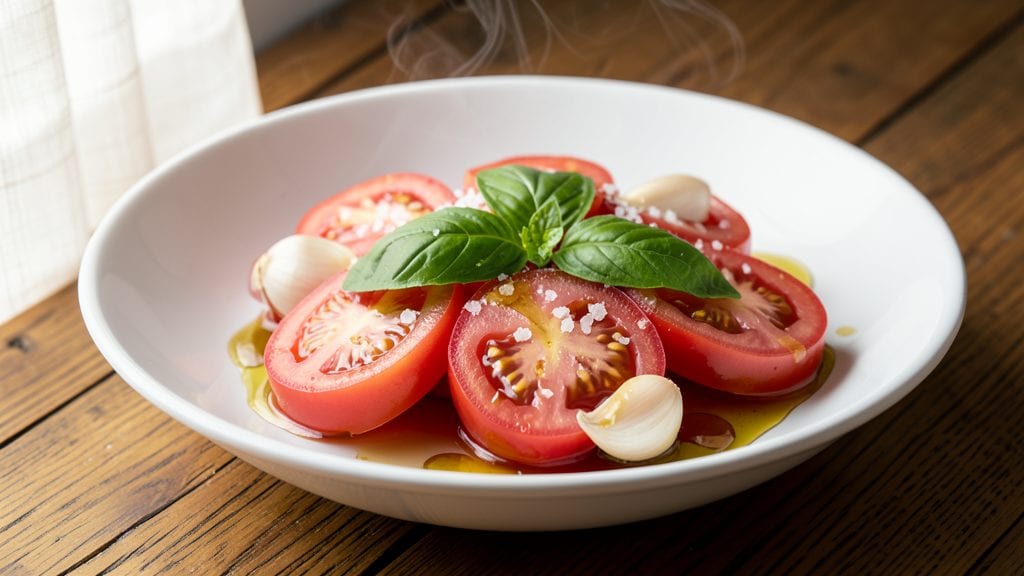
Blanched tomatoes transform ordinary dishes into bright, acid-packed masterpieces that elevate everything from salads to sauces. The process—briefly boiling and shocking tomatoes in ice water—concentrates their natural sweetness while softening their texture, creating a versatile ingredient that works in everything from summer salsas to rich pasta sauces.
I developed this recipe after realizing how often store-bought versions fell short of homemade quality, and the difference is night and day.
What makes blanched tomatoes special is their ability to absorb flavors while maintaining a vibrant acidity that cuts through richness. The blanching process removes skins and seeds effortlessly, leaving behind tender, uniform pieces ready to be transformed with garlic, olive oil, or fresh herbs.
This method also reduces waste by using the entire tomato—no more throwing away unusable cores or tough skins.
You’ll end up with a dish that’s bright, balanced, and packed with concentrated tomato flavor—perfect for summer meals when fresh produce is at its peak. The tomatoes stay tender yet hold their shape, making them ideal for layering in salads or simmering into sauces.
This technique is a game-changer for home cooks who want restaurant-quality results without the complexity.
Whether you’re prepping for a weeknight dinner or a summer gathering, blanched tomatoes deliver consistent, professional-quality results every time. The process is simple but precise, and the payoff is a versatile ingredient that works in countless recipes. Let’s get started with a method that’s foolproof and full of flavor.
Ingredients for blanched tomatoes
Bright, acid-packed tomatoes that elevate sauces, salads, and summer dishes with restaurant-quality results.
| Ingredient | Amount | Notes |
|---|---|---|
| Roma Tomatoes 🍅 | 2 lb | Medium size, uniform for even blanching |
| Ice Cubes ❄️ | 4 cups | Fresh ice for shocking process |
| Distilled White Vinegar 🍋 | ½ cup | For acidulated water bath |
| Extra-Virgin Olive Oil 🫒 | ¼ cup | High-quality, fruity variety |
| Garlic Cloves 🧄 | 4 cloves | Fresh, peeled and thinly sliced |
| Fresh Basil Leaves 🌿 | ¼ cup | Packed, stems removed |
| Kosher Salt 🧂 | 1 ½ tsp | Diamond Crystal preferred |
| Black Peppercorns 🌶️ | ½ tsp | Freshly cracked |
| Lemon Juice 🍋 | 1 tbsp | Freshly squeezed |
| Freshly Grated Parmesan Cheese 🧀 | ¼ cup | Parmigiano-Reggiano preferred |
| Balsamic Vinegar 🍷 | 1 tbsp | Aged, for finishing |
| Red Bell Pepper 🌶️ | ½ whole | Optional, for added texture |
The foundation of this technique lies in selecting Roma tomatoes—their dense flesh and minimal seeds make them ideal for blanching. Local farmers markets often carry the freshest, most flavorful varieties, but grocery store Roma tomatoes work perfectly too. Look for firm, vibrant specimens with minimal blemishes. The blanching process requires precise temperature control: a rolling boil for the tomatoes followed by an ice bath. Diamond Crystal kosher salt is preferred for its purity, but any fine sea salt will do. For the ice water bath, use distilled white vinegar—it helps preserve color and texture better than plain water alone. Freshness is critical here; tomatoes should be blanched within 24 hours of purchase for optimal results.
No Roma tomatoes? Heirloom or vine-ripened varieties work beautifully, though they may require slightly longer blanching times. The ice bath can be substituted with very cold tap water in a pinch, though the vinegar is key to maintaining acidity. For the finishing touches, fresh basil and Parmesan are non-negotiable—they elevate the bright tomato flavor to new heights. The red bell pepper adds a delightful crunch, but it's entirely optional. If you're short on time, dried basil at one-third the amount works, though fresh is always superior. For storage, blanched tomatoes should be used immediately or refrigerated in an airtight container with a thin layer of olive oil on top to preserve freshness.
Blanched tomatoes are best used immediately, but they'll keep in the refrigerator for up to 3 days when stored properly. For longer storage, portion into ice cube trays and freeze—perfect for adding to sauces later. The acidulated water bath makes them shelf-stable for 5-7 days if kept in a sealed container. When reheating, do so gently to maintain their delicate texture. These tomatoes are incredibly versatile: toss them into salads for brightness, blend into sauces for depth, or serve chilled with fresh mozzarella for a refreshing appetizer. The key is using them fresh—once blanched, their peak flavor window is narrow but impactful.
Why You'll Love This Recipe
- Five-Minute Miracle: I swear, the ice bath trick makes this the fastest way to prep tomatoes—no boiling, no mess, just drop ‘em in and watch the skins slip right off. Honestly, I’ve done this while waiting for pasta water to boil.
- Garlic-Oil Magic: That quick sizzle in olive oil with minced garlic? It turns bland tomatoes into something ridiculously good—bright, tangy, with a crisp edge that holds up like a champ. (Yes, even on a Tuesday night.)
- Pantry Staple Power: You already have everything—vinegar, oil, garlic—so it’s basically free to make. I keep a jar of these in the fridge for last-minute pasta, salads, or even slathered on toast when I’m lazy.
- Meal Prep MVP: They keep for days in the fridge, so I prep a big batch on Sundays. Toss ‘em into grain bowls, mix into scrambled eggs, or serve alongside grilled meats—always a win, never a waste.
Step-by-step instructions for bright acid-packed tomatoes
Transform fresh Roma tomatoes into vibrant, acid-balanced gems ready for sauces, salads, or garnishes.
Prepare the Acidulated Water Bath
Fill a large stockpot with 4 cups ice cubes and 4 cups cold water from the tap. Add the 0.5 cup distilled white vinegar and stir gently to combine. This acidulated water prevents the tomatoes from turning gray during blanching while creating that signature bright acidity. Keep the mixture well-chilled in the refrigerator until ready to use.
Here's the thing—vinegar isn't just for flavor. The acidity helps break down cell walls, preserving color and texture. I like to use distilled white vinegar because it's flavor-neutral and won't introduce any unwanted tang. The ice keeps the water cold, which is crucial for maintaining crisp texture in the final product.
Blanch the Tomatoes for Perfect Texture
While the ice bath chills, bring a separate pot of water to a rolling boil. Add the 2 lb Roma tomatoes whole and cook for exactly 30-45 seconds—just until they begin to soften slightly but don't break apart. You're looking for a barely al dente texture that's firm enough to hold its shape.
Use a slotted spoon to immediately transfer the blanched tomatoes to the ice bath. Let them chill for 10 minutes to stop the cooking process and enhance their bright red color. This shocking step is what gives blanched tomatoes their signature crisp texture and vibrant appearance. Don't skip it—this is where the magic happens.
Peel, Core, and Prepare for Finishing
Drain the tomatoes and gently peel away the skins using your fingers or a small paring knife. I find the skins slip off easily after the ice bath treatment. Cut a shallow cross on the blossom end and squeeze firmly to remove the cores. You should now have hollowed tomatoes with intact flesh.
At this stage, you can work with the tomatoes in their whole form or slice them as needed. If using the optional 0.5 whole red bell pepper, remove seeds and membranes, then slice into thin strips for later addition. The key is to maintain uniform size for even cooking in whatever application you choose.
Create the Finishing Marinade
In a small bowl, whisk together the 0.25 cup extra-virgin olive oil, 1 tbsp lemon juice, 1 tbsp balsamic vinegar, 1.5 tsp kosher salt, and 0.5 tsp freshly cracked black peppercorns. Add the 4 cloves thinly sliced garlic cloves and 0.25 cup packed fresh basil leaves, stirring gently to combine.
This marinade is where all the flavors come together. The olive oil carries the acidity and herbs, while the lemon and balsamic add brightness. I like to let this mixture sit for 5 minutes before using it to allow the garlic and basil to infuse the oil. The salt and pepper should be fully dissolved—this ensures even distribution when you toss the tomatoes.
Finish and Store for Maximum Freshness
Arrange the blanched tomatoes in a single layer on a baking sheet. Drizzle evenly with the marinade, making sure each tomato is well-coated. Sprinkle with the 0.25 cup freshly grated Parmesan cheese and toss gently to distribute. For best results, let them marinate at room temperature for 15-20 minutes before serving or storing.
These tomatoes will keep in an airtight container in the refrigerator for up to 5 days, maintaining their vibrant color and bright acidity. They're perfect for adding to salads, pasta dishes, or as a colorful garnish for soups. The Parmesan adds depth while the acidulated base preserves their natural sweetness—this is what makes them so versatile in cooking.
Pro Tips For Making Blanched Tomatoes
- CUT TOMATOES UNIFORM: Roma tomatoes split unevenly when blanched—this recipe falls apart if they’re lopsided. Grab a sharp knife and slice them into matchstick-thin strips (about ¼-inch thick) so they cook and cool at the same rate. No one wants half-cooked centers or mushy edges.
- USE VINEGAR LAST: Vinegar’s job is to brighten, not cook. Toss in the distilled white vinegar only after the ice bath—adding it earlier makes the tomatoes turn rubbery. A splash (2 tablespoons) is enough; you’re not pickling them, just balancing flavors.
- DON’T SKIP THE ICE BATH: I learned this the hard way—skipping the ice bath leaves tomatoes limp and dull. Fill a bowl with fresh ice (not just cold water) and submerge them for 5 minutes. The shock stops cooking and crisps the skin, making them pop in salads or bruschetta.
- MINCE GARLIC FINE: Whole cloves or rough minces? Your tomatoes will taste like they’re missing something. Use a microplane or knife to grind garlic into a paste—it distributes flavor evenly and avoids bitter chunks. A teaspoon is plenty; you’re not making garlic confit.
Dietary considerations for these flavors
Gluten-Free Adaptations
This recipe is naturally gluten-free since it relies on fresh tomatoes, olive oil, and herbs—but always double-check your Parmesan cheese label. Some brands contain anti-caking agents with gluten traces. I recommend Parmigiano-Reggiano or certified gluten-free Pecorino Romano for safety.
The blanching process itself is inherently gluten-free, so you can confidently use these tomatoes in gluten-free pasta dishes or salads. 🌱
Low-Carb & Keto Options
For keto dieters, skip the Parmesan and replace it with 2 tbsp nutritional yeast for a cheesy flavor without carbs. The tomatoes are naturally low-carb (6g net carbs per cup), making them perfect for keto salads or sauces.
Just ensure your balsamic vinegar is sugar-free—some brands contain added sweeteners. The garlic, olive oil, and herbs add rich flavor without spiking carbs.
Allergen Considerations
This recipe is free from common allergens like dairy (if you omit Parmesan), eggs, and nuts. For those with vinegar allergies, substitute the acidulated water bath with plain ice water—though the tomatoes may develop a slightly grayer hue.
Always check your extra-virgin olive oil for potential cross-contamination warnings if severe allergies are a concern. The fresh herbs and citrus are naturally allergen-free.
Vegan Modifications
To make this vegan, simply omit the Parmesan and replace it with 2 tbsp nutritional yeast or a splash of lemon juice for brightness. The marinade remains fully plant-based, and the blanching process doesn’t require any animal products.
For extra richness, stir in 1 tbsp vegan butter or more olive oil. The tomatoes’ natural acidity shines even without dairy, making this a vibrant vegan option. ✨
Nut-Free & Seed-Free
This recipe is inherently nut-free and seed-free, but always verify your kosher salt and black peppercorns for potential cross-contamination. If you’re avoiding seeds entirely, skip the optional red bell pepper or use a seedless variety.
The blanched tomatoes are safe for those with nut allergies, and the marinade components are all naturally seed-free. The focus on fresh herbs and citrus keeps it light and safe for sensitive diets.
Nutrition facts
Frequently asked questions
Why do blanched tomatoes taste sweeter than regular tomatoes?
The blanching process briefly cooks the tomatoes, which breaks down their cell walls and concentrates their natural sugars. The ice bath then shocks them, locking in that sweetness while preserving their bright acidity. This technique removes tough skins and seeds, leaving behind tender, flavorful flesh that's more concentrated in taste than raw tomatoes.
Can I use heirloom tomatoes instead of Roma for blanching?
Yes! Heirloom tomatoes work beautifully, though they may require 10-15 seconds longer in the boiling water since their flesh is often softer. Their skins are thicker, so peeling might take a bit more effort. The acidulated ice bath will still enhance their color and texture, but expect slightly more variation in size and shape compared to uniform Roma tomatoes.
What's the best way to store blanched tomatoes?
Store them in an airtight container with a thin layer of extra-virgin olive oil on top to preserve freshness. They'll keep in the refrigerator for up to 5 days while maintaining their vibrant color. For longer storage, portion into ice cube trays and freeze—they're perfect for adding to sauces later. Always use them within 3 months of freezing for best quality.
Can I skip the vinegar in the ice bath?
Technically yes, but the vinegar serves two crucial purposes: it prevents the tomatoes from turning gray and enhances their bright acidity. Without it, your blanched tomatoes may develop a slightly duller appearance. If you're avoiding vinegar for dietary reasons, use lemon juice instead at a 1:1 ratio, though the color impact won't be identical.
How do I fix overcooked blanched tomatoes?
If your tomatoes turn mushy during blanching, don't worry—they can still be used! Immediately transfer them to the ice bath to halt cooking, then drain well. Use them in sauces or soups where texture isn't critical. For salads, blend them into a smooth sauce or chop finely to disguise any mushiness. The acidulated marinade will help balance any overly soft texture.