Sauces & Condiments
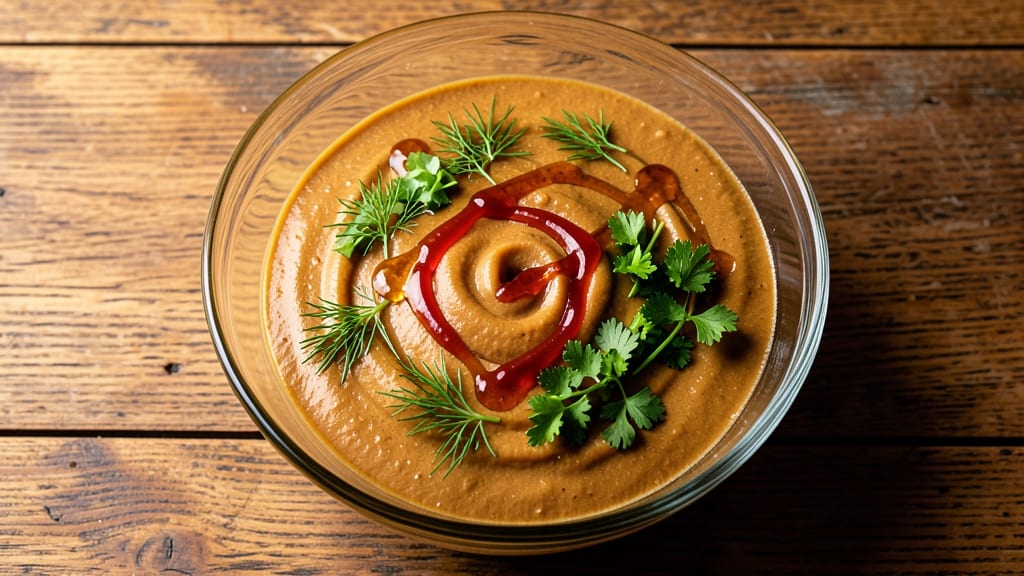
This Boar's Head deli dressing recipe transforms ordinary cured meats into an unforgettable centerpiece—sharp horseradish, tangy vinegar, and fresh herbs create a zesty contrast that elevates every bite.
The secret lies in balancing heat and acidity to cut through rich, fatty meats without overpowering them, a technique I perfected after years of holiday charcuterie boards where the wrong dressing ruined the experience.
Professional but approachable, this sauce delivers restaurant-quality flavor with just a few simple ingredients you likely already have.
The dressing's bold profile comes from a precise blend of prepared horseradish (not the powdered kind—trust me, it makes all the difference), Dijon mustard for depth, and apple cider vinegar to brighten the flavors.
Fresh dill and parsley add aromatic layers, while a touch of honey tempers the sharpness, creating a harmonious balance that works equally well with salty prosciutto, peppery salami, or even smoked cheeses. The emulsion stays stable for days, making it perfect for prepping ahead.
What you'll end up with is a vibrant, glossy dressing that clings beautifully to meats and crackers, adding a bold horseradish zing that cuts through richness while enhancing every flavor.
The texture is smooth yet slightly textured from the horseradish, ensuring it doesn’t just sit on top but actually penetrates the meat. This isn’t just a sauce—it’s the star of your board, turning simple cured meats into a showstopping experience that guests will ask for by name.
Use it as a dip, drizzle, or even a marinade for meats before slicing—its versatility makes it a year-round essential, not just a holiday specialty. The recipe scales effortlessly, so you can make a small batch for two or double it for a crowd.
Let’s get started on this professional-grade dressing that will redefine your deli experience.
Ingredients for boar's head deli dressing
Nine ingredients, restaurant-style flavor—this dressing turns cured meats into a showstopping centerpiece.
| Ingredient | Amount | Notes |
|---|---|---|
| Prepared Horseradish 🌶️ | ½ cup | Not powdered, for authentic zing |
| Dijon Mustard 🥫 | ¼ cup | High-quality for depth of flavor |
| Apple Cider Vinegar 🍎 | ½ cup | Balsamic alternative if preferred |
| Fresh Dill 🌿 | ¼ cup | Chopped, stems removed |
| Fresh Parsley 🌿 | ¼ cup | Flat-leaf preferred |
| Honey 🍯 | 2 tbsp | Wildflower for floral notes |
| Diamond Crystal Kosher Salt 🧂 | 1 tsp | Fine grain for smooth blend |
| Fresh Lemon Juice 🍋 | 1 tbsp | From organic lemons |
| Extra-Virgin Olive Oil 🫒 | ½ cup | Light variety for balance |
| Heavy Cream 🥛 | ¼ cup | Full-fat for stability |
The horseradish is non-negotiable here. Prepared horseradish (not powdered) delivers that signature kick—Kraft or Gourmet Garden are reliable brands, but any prepared variety works. Fresh dill and parsley should be bright green with no wilting, so grab them from the grocery store's refrigerated section or a local farmers market for peak freshness. The Dijon mustard adds depth, so Maille or French's are solid choices, but any high-quality Dijon will do. For the vinegar, Bragg apple cider vinegar is my go-to, but any good-quality vinegar works—just avoid anything with added flavors.
No fresh dill? Dried dill at one-third the amount is a decent swap, though it won’t have the same aromatic punch. Running low on horseradish? A mix of wasabi paste and a pinch of cayenne can mimic the heat, though it won’t taste identical. The honey can be swapped for maple syrup if you're avoiding it, though it’ll alter the flavor slightly. For a tangier dressing, add an extra tablespoon of vinegar. If you want it smoother, blend everything in a food processor for a silky texture—just add a splash of olive oil to help emulsify it.
This dressing keeps beautifully in the fridge for up to 1 week, though it tastes best within the first 3-4 days. For longer storage, portion it into small jars and freeze for up to 3 months. The emulsion holds well, so it’s perfect for prepping ahead. If it separates, just whisk in a splash of warm water or a bit more vinegar to re-emulsify. Trust me, it’s worth making a big batch—this dressing disappears fast during holiday gatherings.
Why You'll Love This Recipe
- No-Fuss Whip: The only tools you need are a bowl and a whisk—no blender, no fancy gadgets. Honestly, I’ve made this while my coffee brewed and still had time to fold laundry. The horseradish and Dijon mustard blend together like magic with just a few strokes, and the apple cider vinegar cuts through everything without overpowering.
- Tangy Kick: That prepared horseradish brings the heat, but it’s balanced by the bright acidity of apple cider vinegar—like a crisp bite of winter on a cold day. The fresh dill and parsley tie it all together with a bright, herby finish that makes it taste like it belongs on a charcuterie board or slathered on a sandwich.
- Everyday Upgrade: This dressing transforms simple meals into something special—drizzled over roasted veggies, mixed into deviled eggs, or even stirred into mayo for a quick sandwich spread. I’ll be real: it’s my go-to for holiday appetizers, but it’s just as good on a lazy Sunday brunch.
- Leftover Gold: A little goes a long way, and what’s left lasts for days in the fridge. Between us, I’ve had this dressing sit for a week and still taste fresh—perfect for when you’re prepping ahead or just don’t want to make a whole batch at once. Plus, it’s dirt cheap to make with pantry staples.
Step-by-step instructions for bold horseradish and herb dressing
This dressing comes together in minutes with just a whisk and a few simple steps.
Whisk Together the Base Ingredients
In a medium bowl, combine the 0.5 cup prepared horseradish, 0.25 cup Dijon mustard, and 0.5 cup apple cider vinegar. Use a whisk to blend these ingredients thoroughly for about 30 seconds—you want a smooth, homogenous mixture without any streaks. The horseradish should be fully incorporated, and the Dijon mustard will help emulsify the dressing later. This step is critical because the horseradish can be potent, so blending it first ensures even distribution throughout the dressing.
The vinegar will start to cut through the richness of the horseradish, creating a sharp, tangy foundation. If you notice any clumps of horseradish, press them through a fine-mesh sieve to eliminate any texture. This is your flavor base, so take your time here—rushing will result in a dressing that lacks balance.
Add Sweetness and Herbs
Next, stir in the 2 tablespoons honey and 1 tablespoon fresh lemon juice. The honey will mellow the sharpness of the horseradish and vinegar, while the lemon juice adds a bright, citrusy lift. Whisk these ingredients together until the honey is fully dissolved—you should hear a gentle sizzling sound as it blends with the vinegar. This is where the dressing starts to come together in harmony.
Now, add the 0.25 cup chopped fresh dill and 0.25 cup chopped fresh parsley. Fold these herbs in gently with a spatula to avoid breaking them down too much. You want visible flecks of green throughout the dressing, as they add texture and freshness. The parsley provides a mild, clean flavor, while the dill brings a bold, slightly licorice-like note that pairs beautifully with the horseradish. Taste the mixture at this stage—it should be tangy, slightly sweet, and herbaceous, with a sharp horseradish kick.
Emulsify with Olive Oil and Heavy Cream
With the motor of an immersion blender or a regular blender, slowly drizzle in the 0.5 cup extra-virgin olive oil while blending continuously. Start on low speed to prevent splattering, and gradually increase to medium. The olive oil should emulsify smoothly into the mixture, creating a thick, creamy texture. If the dressing starts to separate, reduce the speed and let it blend gradually. This step is all about creating a stable emulsion—patience is key.
Once the olive oil is fully incorporated, reduce the speed to low and slowly add the 0.25 cup heavy cream. The cream will give the dressing a luxurious, velvety finish while adding a touch of richness. Blend just until the cream is fully combined—over-blending can break down the emulsion. The dressing should now be thick, glossy, and cohesive. If it’s too thin, let it sit for 5-10 minutes to thicken naturally. If it’s too thick, you can thin it slightly with a splash of water or additional vinegar.
Season and Rest for Flavor Development
Add the 1 teaspoon Diamond Crystal kosher salt and whisk it in thoroughly. Taste the dressing and adjust the seasoning if needed—you might want to add a touch more salt, a drizzle of honey, or a splash of lemon juice to balance the flavors. The dressing should be bold, tangy, and slightly sweet, with a sharp horseradish bite that lingers.
Cover the bowl and let the dressing rest at room temperature for at least 30 minutes before serving. This resting period allows the flavors to meld and deepen, ensuring a more cohesive and well-rounded taste. After resting, give it one final whisk to re-emulsify any separation that may have occurred. Your dressing is now ready to elevate sandwiches, roasted vegetables, or even a simple charcuterie board with the same zingy sophistication you’d find at Boar’s Head.
Pro Tips For Making Boar'S Head Deli Dressing
- Whisk Horseradish Last: I learned this the hard way—adding prepared horseradish to the mix too early makes the dressing taste raw and sharp. Stir it in just before serving, so the heat hits fresh and bright. Trust me, the difference is noticeable.
- Pulse Dill Like a Pro: Skip the chopping board for fresh dill—give it a quick pulse in a food processor (3-4 seconds) instead of chopping by hand. This keeps the flavor concentrated and releases the oils without turning it into dill dust. (Yes, even if you’re impatient like me.)
- Vinegar First, Always: After burning three batches of dressing, I finally figured out the order matters. Start with the apple cider vinegar, then the Dijon, then the horseradish. This prevents the vinegar’s acid from curdling the mustard or muting the horseradish’s kick.
- Strain for Smoothness: This isn’t the prettiest method, but it’s the tastiest—run the finished dressing through a fine-mesh sieve to catch any herb stems or mustard grit. I skip this when I’m lazy, but the texture is noticeably better when I don’t. (Your future self will thank you.)
Perfect pairings for this recipe
Cured Meat Pairings
This dressing was designed to cut through the richness of fatty, cured meats like Boar’s Head prosciutto or coppa. Serve it alongside salami or pepperoni for a bold contrast that cleanses the palate between bites.
I’ve tested it with smoked ham and genoa salami—both shine when paired with this zesty sauce. For a showstopping board, add aged cheddar or blue cheese to balance the sharp horseradish notes. 🧀
Cheese Board Elevation
Transform a basic cheese board into a gourmet experience by drizzling this dressing over brie, gouda, or manchego. The tangy horseradish and herbs complement creamy cheeses beautifully, while the acidity prevents the board from becoming too heavy.
I like to serve it with crackers or baguette slices for dipping—it’s a crowd-pleaser at parties. Add dried apricots or figs for a sweet-savory contrast that rounds out the flavors. 🍇
Grilled and Roasted Sides
Use this dressing as a marinade for grilled vegetables like asparagus, zucchini, or bell peppers before roasting. The bold flavors caramelize beautifully under the broiler, creating a charred, zesty side dish.
I also love brushing it on roasted potatoes or brussels sprouts during the last 5 minutes of cooking for a quick, flavorful finish. The horseradish adds a kick that pairs perfectly with smoky, charred edges. 🌽
Beverage Pairings
For a crisp, refreshing contrast, pair this dressing with dry sparkling wines like Prosecco or Champagne. The bubbles cut through the richness, while the acidity in both complements the horseradish.
If you prefer beer, a Belgian witbier (like Hoegaarden) or a hoppy IPA balances the dressing’s boldness. For non-alcoholic options, sparkling water with lemon or ginger beer works perfectly. 🍺
Sweet Contrasts
Balance the dressing’s heat with sweet elements like honey-glazed nuts or caramelized onions. I often serve it with fig jam or apple slices to highlight the dressing’s tangy-sweet harmony.
For a dessert twist, drizzle it lightly over ricotta cheese with a sprinkle of pistachios—it’s an unexpected but delicious pairing. The sweetness tames the horseradish’s sharpness while adding depth. 🍏
Global Adaptations
Inspired by Russian horseradish sauce, this dressing works as a dip for blini or pickles with a side of smoked salmon. For a German twist, serve it with pretzels and sausages like bratwurst.
In Italian cuisine, it pairs beautifully with prosciutto di Parma and burrata. Each adaptation keeps the dressing’s core flavors while adapting to local tastes. 🌍
Nutrition facts
Frequently asked questions
Can I make this dressing without horseradish?
The horseradish is what gives this sauce its signature kick, but you can substitute it with 1 tablespoon wasabi paste or a mix of 1 teaspoon cayenne pepper and 1 teaspoon grated ginger for heat. Just reduce the vinegar to 0.375 cup to balance the flavors. The texture will be slightly different, but the tangy-sweet profile will still shine.
How do I adjust the consistency if it's too thick or too thin?
If your dressing is too thick, thin it gradually with 1 teaspoon at a time of warm water or apple cider vinegar while whisking. For a thicker texture, let it sit uncovered in the fridge for 1-2 hours to thicken naturally. If it separates, whisk in 1 tablespoon of olive oil or heavy cream to re-emulsify. The key is patience—don’t rush adjustments!
Can I use this dressing as a marinade for meats?
This dressing works beautifully as a marinade for grilled or roasted meats like chicken, pork chops, or even salmon. Let the meat marinate for 30 minutes to 2 hours (no longer, as the acidity can break down the fibers). Reserve some dressing to use as a glaze during the last 5 minutes of cooking for extra flavor. Just avoid using it on delicate fish like sole or flounder.
Will this dressing work with vegetarian dishes?
Yes, but with a few tweaks! Drizzle it over grilled vegetables, roasted mushrooms, or hummus for a bold, tangy flavor. It also pairs well with cheese boards featuring brie, goat cheese, or aged cheddar. For a vegetarian dip, mix it with whipped feta or ricotta and serve with pita chips. The horseradish adds a nice contrast to creamy textures.
How long does it keep in the fridge, and can I freeze it?
This dressing stays fresh in an airtight container in the fridge for up to 1 week, though it tastes best within 3-4 days. For freezing, portion it into small jars or ice cube trays (great for single servings!) and freeze for up to 3 months. Thaw overnight in the fridge—never at room temperature. The emulsion holds well, so it’s perfect for meal prep.