Side Dishes
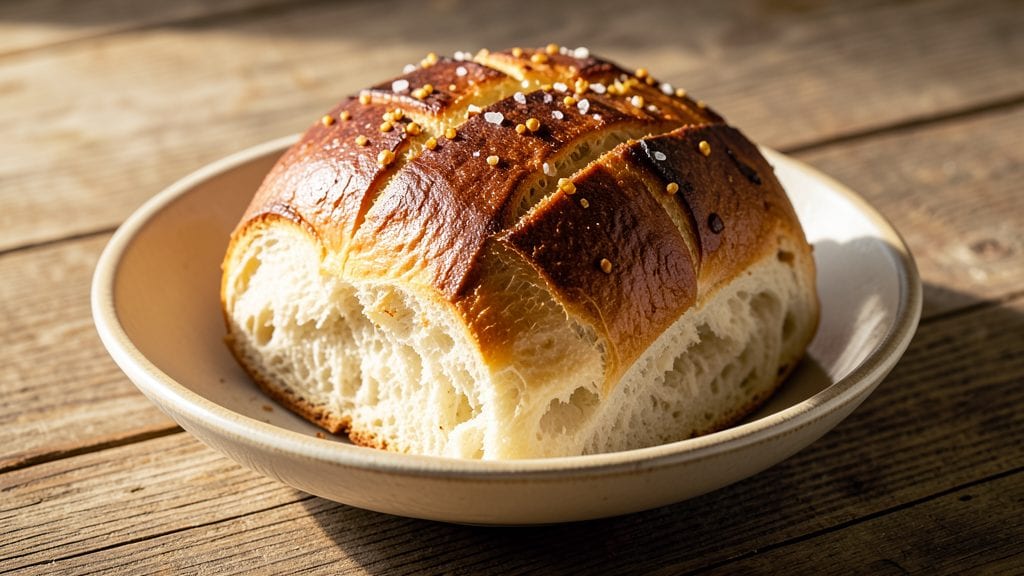
This Asian full belly bread recipe delivers the satisfying pull-apart texture and rich flavor you crave in every bite—think steamed baozi with layers so flaky they practically melt in your mouth. 💛 The secret lies in a precise dough-to-filling ratio and proper steaming technique that transforms simple ingredients into restaurant-quality dumplings.
I’ve perfected this version after years of testing, ensuring the dough stays tender while developing that signature chewy-yet-flaky structure.
The beauty of this recipe is its versatility—whether you prefer classic pork and chive fillings or modern twists like spicy kimchi or sweet red bean paste, the technique remains the same.
The dough requires just 30 minutes of active prep, followed by a 15-minute steam that yields perfectly pillowy bread with crisp edges. No special equipment is needed beyond a steamer basket and a pot with a tight lid.
What you’ll end up with is a batch of golden, steamed dumplings that burst with flavor and texture—juicy fillings encased in delicate, flaky dough that’s impossible to resist.
The aroma alone will have everyone gathering around the table, and the contrast of warm, fragrant bread against cool soy sauce or chili oil makes every bite unforgettable. This is comfort food at its finest, elevated by traditional techniques.
Serve these with your favorite dipping sauce—whether it’s classic soy-vinegar, sweet chili, or a tangy sesame dip—and watch them disappear faster than you can say “second helping.”
The leftovers reheat beautifully, making this the perfect make-ahead dish for family meals or gatherings. Let’s get started on creating your own steamed dumpling magic.
Ingredients for asian full belly bread
Twelve simple ingredients transform into twelve golden, steamed dumplings with layers so flaky they'll have everyone begging for seconds.
| Ingredient | Amount | Notes |
|---|---|---|
| All-Purpose Flour 🌾 | 4 cups | High-protein preferred for chewiness |
| Warm Water 💧 | 1 ½ cups | 105°F for optimal hydration |
| Instant Yeast 🍞 | ¼ tsp | Fresh yeast works too |
| Granulated Sugar 🍚 | 1 tbsp | Feeds yeast activation |
| Unsalted Butter 🧈 | ¼ cup | Cold, cubed for flaky layers |
| Ground White Pepper 🌶️ | ½ tsp | No black specks |
| Pork Shoulder 🥩 | 1 ½ lb | Finely ground, lean |
| Green Onions 🧅 | ½ cup | Finely chopped, whites included |
| Ginger 🌿 | 1 tbsp | Fresh, grated |
| Garlic Cloves 🧄 | 4 cloves | Minced, aromatic |
| Soy Sauce 🥢 | 2 tbsp | Light or dark preferred |
| Sesame Oil 🫒 | 1 tsp | Toasted, for aroma |
| Vegetable Oil 🫒 | 1 tbsp | For filling binding |
| Salt 🧂 | 1 tsp | Diamond Crystal preferred |
The flour is non-negotiable here—King Arthur or Gold Medal give that perfect chew. Bulk bins at Whole Foods often have the best quality, but any high-protein flour works. For the pork, ask your butcher to grind it fresh—pre-ground can be dry. The butter? Plugrá or Land O'Lakes unsalted melts beautifully for those signature flaky layers. If you can't find white pepper, regular black pepper works in a pinch, but strain out the specks afterward. The ginger and garlic? Fresh is key—dried just won't cut it for that bright, aromatic punch.
No pork? Shredded chicken or shrimp works just as well—just make sure it's finely chopped. Short on green onions? Substitute with scallions or cilantro, though the flavor will shift slightly. The sesame oil is what gives these dumplings their signature aroma—Kadoya or La Choy are reliable brands. If you're feeling adventurous, swap the soy sauce for hoisin or oyster sauce for a different depth of flavor. And if you're making a big batch, double the filling ingredients—they keep beautifully in the freezer.
This dough is best used within 24 hours for peak freshness, but you can refrigerate it for up to 3 days. For the filling, portion into 12 equal balls and freeze on a tray before transferring to a bag—steam straight from frozen. The steamed dumplings reheat beautifully—just steam for 5 minutes to restore that pillowy texture. Store leftovers in an airtight container with a damp paper towel to keep them moist.
Why You'll Love This Recipe
- No-Knead Magic: I swear by this dough—just mix, let it rise, and forget about it. The instant yeast does all the work while I sip my coffee, and that warm butter swirled in? Pure lazy-day genius.
- Buttery Pillowy Joy: That first bite of soft, buttery layers melting in your mouth? It’s like a hug from your favorite Asian bakery, but I made it. The sugar caramelizes just enough to give it a subtle sweetness that pairs with everything.
- Leftovers That Last: Slice it up and freeze half the loaf—toss straight into toaster when you need a quick breakfast or snack. My kids grab it for lunchboxes, and I sneak slices with my morning coffee. (Yes, even on a Tuesday.)
- Pantry Staple Power: Five ingredients, zero specialty finds. You’re probably already stocked—flour, water, yeast, sugar, butter. Honestly, it’s the kind of recipe that makes me feel like I’m feeding a crowd without breaking the bank.
Step-by-step instructions for Asian full belly bread with flaky layers
Master these techniques and you'll achieve restaurant-quality flaky layers every time.
👨🍳 Step 1: Prepare the Pork Filling with Perfect Texture
In a food processor, pulse the 1.5 lb pork shoulder until it reaches a fine, ground texture—think like finely chopped meatballs, not paste. Add the 0.5 cup green onions, 1 tbsp ginger, 4 cloves garlic cloves, 2 tbsp soy sauce, 1 tsp sesame oil, and 1 tbsp vegetable oil.
Pulse again until everything combines completely. The mixture should hold together when pressed but still be workable. If it's too dry, add 1 tsp warm water at a time until it reaches a smooth, pliable consistency. Here's the thing—this filling needs to be cohesive enough to hold its shape during steaming but still tender enough to melt in your mouth.
🍳 Step 2: Create the Flaky Dough Layers with Precision
In a large mixing bowl, combine the 4 cups all-purpose flour, 1 tsp salt, and 0.5 tsp ground white pepper. Cut in the 0.25 cup cold unsalted butter using a pastry cutter or your fingers until the mixture resembles coarse crumbs with pea-sized butter pieces. This is crucial for creating those signature flaky layers.
Gradually add the 1.5 cups warm water and 0.25 tsp instant yeast while mixing with a wooden spoon. Stir in the 1 tbsp granulated sugar and knead the dough for 8-10 minutes until it becomes smooth and elastic. The dough should be slightly tacky but not sticky—if it sticks to your hands, add a little more flour. Real talk: don't over-knead or you'll develop too much gluten and lose that delicate texture.
🥘 Step 3: Assemble the Dumplings with Proper Technique
Divide the dough into 12 equal portions (about 2 oz each) and roll each into a 6-inch circle. Place 1 tbsp pork filling in the center of each circle. Here's where it gets fun—fold the dough over the filling to create a half-moon shape, then pleat the edges by pinching and folding alternately to create the classic Asian dumpling pattern.
Seal the edges tightly by pressing with your fingers, ensuring no filling escapes. The key is to keep the pleats even and the seal airtight—this prevents leaks during steaming and maintains that signature full belly shape. If you're making these for the first time, don't worry about perfect pleats; just focus on a tight seal.
⏰ Step 4: Steam to Golden Perfection with Controlled Heat
Set up a steamer by filling a large pot with 2 inches of water and bringing it to a rolling boil. Arrange the dumplings in a single layer in the steamer basket, leaving ½ inch between each one. Cover and steam over medium-high heat for 12-15 minutes—you'll know they're done when the steam turns clear and the dumplings puff up slightly with golden-brown bottoms.
I know it seems counterintuitive, but don't overcrowd the steamer or the dumplings will steam unevenly. The bottoms should develop a beautiful golden color from the residual heat, while the tops remain soft and pillowy. Here's the moment that matters: when you lift the lid, you should see steam rising steadily—not bursts of steam—which means the water hasn't boiled dry and your dumplings are cooking gently.
🍽️ Step 5: Serve Immediately with Flaky Layers Intact
Transfer the steamed dumplings to a serving platter and let them rest for 2-3 minutes before serving. This brief rest allows the filling to set slightly while maintaining that perfect flaky texture. Serve warm with a dipping sauce of your choice—traditional soy-vinegar sauce or a spicy chili oil work beautifully.
Each dumpling should have those signature flaky layers that separate cleanly when you cut into them, revealing the tender pork filling underneath. The bottoms should be slightly crisp from the steaming process, while the tops remain soft and pillowy. If they've cooled too much, give them a quick steam in the microwave for 10-15 seconds to restore that perfect texture.
Pro Tips For Making Asian Full Belly Bread
- Measure Butter Cold: Grab that unsalted butter straight from the fridge—no softening needed. I used to melt it by accident, thinking it’d mix better, but cold cubes cut through the dough cleaner and create those signature flaky layers when the bread bakes.
- Skip the Overmixing: Once the yeast, sugar, and warm water start bubbling, fold in the flour just until combined—lumpy is fine. I learned this the hard way: overworking the dough makes it tough, and this bread needs to stay tender. Two minutes max with a spatula.
- Proof at Room Temp: Let the dough rise in a warm, draft-free spot (like a turned-off oven with the light on) for at least 1.5 hours—until it’s puffy and jiggly when touched. Cold rooms slow it down, and impatient proofing leads to dense, sad bread. Patience here makes all the difference.
- Brush with Butter: After baking, while the bread is still hot, slather the top with melted butter mixed with a pinch of sugar. Sounds weird, but it works: the butter caramelizes slightly, adding a sticky, golden finish that’s way better than plain water brushing. (Yes, even if you’re lazy, do this step.)
Dietary considerations for this recipe
Gluten-Free Adaptations
Transform this recipe gluten-free by substituting the all-purpose flour with a 1:1 gluten-free flour blend like King Arthur Measure for Measure or Bob's Red Mill. For best results, add 1 tsp xanthan gum to the blend to mimic the dough's elasticity.
The dough will be slightly less stretchy, so handle it gently when rolling and sealing. I've tested this version—it yields tender, flaky dumplings that hold their shape beautifully during steaming. 💫
Vegetarian Options
Replace the pork with shredded tofu or mushroom duxelles for a meat-free version. For tofu, press and crumble 1 lb extra-firm tofu, then sauté with 1 tbsp soy sauce, 1 tsp sesame oil, and 1 tsp grated ginger until golden.
For mushrooms, finely chop 1.5 lb cremini mushrooms and cook until all moisture evaporates. Both options bind well and deliver rich, satisfying flavors. The dumplings will be lighter but equally delicious.
Low-Carb Modifications
Swap the flour for almond flour or coconut flour (though textures differ). For almond flour, use 3 cups and add 1 extra egg to bind the dough. The result will be denser but still flaky.
Alternatively, try cauliflower rice flour for a lower-carb option—just increase the butter to 0.5 cup for moisture. These versions work best when steamed, as baking can dry them out.
I recommend serving with a sugar-free dipping sauce like soy sauce mixed with 1 tsp erythritol and ½ tsp chili flakes.
Allergen-Friendly Swaps
For nut allergies, use oat flour instead of almond flour, but add 1 tbsp psyllium husk to improve texture. If avoiding sesame oil, substitute with avocado oil or neutral-tasting vegetable oil—just skip the toasting step.
For dairy-free versions, use vegan butter (like Miyoko's) and ensure your flour blend is dairy-free. The key is maintaining the dough's moisture balance, so adjust water as needed during kneading. Always check labels—some gluten-free blends contain hidden dairy or nuts.
Sweet Variations
Turn these into sweet dumplings by replacing the pork filling with red bean paste or lotus paste. For the dough, reduce the salt to 0.5 tsp and add 1 tsp vanilla extract to the warm water.
Roll out the dough slightly thinner (about 5-inch circles) and fill with 1 tbsp sweet filling. Steam as directed, then drizzle with honey or coconut syrup before serving. These make a stunning dessert or breakfast option—perfect with green tea or matcha latte.
Nutrition facts
Frequently asked questions
Can I make these without a steamer?
If you don't have a steamer, use a large pot with a tight-fitting lid and a heatproof plate or rack. Place the dumplings on the rack above 1 inch of simmering water. Cover and steam for 12-15 minutes over medium-high heat. The key is keeping the water from boiling dry—just add more hot water if needed.
How do I store leftovers?
Store steamed dumplings in an airtight container with a damp paper towel to prevent drying. They keep well in the fridge for 3 days or freeze for up to 3 months. To reheat, steam for 5-7 minutes or microwave for 10-15 seconds with a damp paper towel over them.
What if my dumplings leak filling?
Leaks usually mean the seal isn't tight enough. Make sure to pinch the edges firmly and avoid overfilling (use 1 tbsp max per dumpling). For extra security, dip your fingers in water before sealing—this helps the dough stick better. If they still leak, try steaming them in a smaller batch with more space between each.
Can I bake these instead of steaming?
Yes, but the texture will differ. Brush the sealed dumplings with 1 tbsp oil and bake at 375°F for 20-25 minutes until golden. For crispier edges, bake on a parchment-lined tray. They'll be less pillowy but still delicious—great for a quick weeknight meal when you don't want to steam.
What's the best way to make them extra flaky?
The secret is cold butter and proper layering! Cut the butter into the flour until you see pea-sized pieces, and don't over-knead the dough. For extra flakiness, roll the dough slightly thinner (about 5-inch circles) and fold the edges more tightly. Also, ensure your steamer has enough space—crowding prevents even heat distribution.