Side Dishes
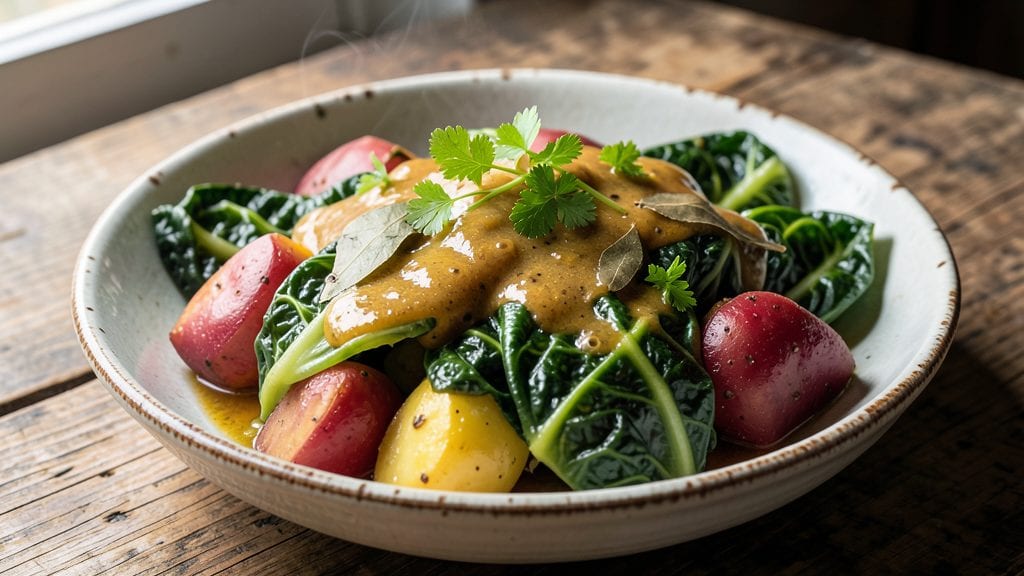
This cabbage boil recipe transforms humble green cabbage into a rich, flavorful side dish that's the heart of Southern comfort food. The slow-simmering process develops deep, savory notes that make every bite satisfying, and it's easier than you think to pull off in one pot.
I first discovered this technique while helping my grandmother prepare for Sunday dinners, where the aroma alone would bring everyone running to the table.
The beauty of this recipe lies in its simplicity—just cabbage, water, and a few key seasonings that build layers of flavor over time. A proper salting and boiling method ensures tender leaves without losing that satisfying crunch, while vinegar and herbs add brightness that cuts through the richness.
The result is a dish that pairs perfectly with everything from fried chicken to smoked sausage, making it a versatile addition to any meal.
What you'll end up with is a pot of cabbage so flavorful it becomes the star of the table—golden edges, tender leaves, and a broth that's packed with seasoning.
The slow cooking process allows the cabbage to absorb all those delicious flavors, creating a dish that's hearty enough to serve as a side or even a light main. This is comfort food at its finest, and it only takes about 45 minutes to prepare.
Serve it alongside your favorite proteins or enjoy it as a standalone dish with crusty bread for soaking up that flavorful broth. The best part? This recipe scales easily, so you can make a small batch for two or a large one for a crowd.
Let's get started on creating this classic Southern side dish.
Ingredients for cabbage boil
Just cabbage, potatoes, and a few pantry staples—this Southern classic turns simple ingredients into a flavorful one-pot meal.
| Ingredient | Amount | Notes |
|---|---|---|
| Green Cabbage 🥬 | 1 ½ lb | Whole head, cut into wedges |
| Large Red Potatoes 🥔 | 1 ½ lb | Cut into 1-inch chunks |
| Kosher Salt 🧂 | 2 tbsp | For salting cabbage |
| White Vinegar 🍶 | ¼ cup | White or apple cider |
| Fresh Bay Leaves 🌿 | 2 whole | For aromatic depth |
| Fresh Parsley 🌿 | ¼ cup | Chopped, for brightness |
| Fresh Thyme 🌿 | 1 tbsp | Leaves only, or 1 tsp dried |
| Garlic Cloves 🧄 | 3 cloves | Smashed, for subtle flavor |
| Black Peppercorns 🌶️ | 1 tsp | Crushed, for warmth |
| Onion 🧅 | 1 whole | Cut into wedges |
| Water 💧 | 4 cups | For simmering |
| Butter 🧈 | 2 tbsp | Full-fat for richness |
| Smoked Paprika 🌶️ | ½ tsp | For subtle smokiness |
The cabbage is the star, so grab a firm, heavy head—those outer leaves should be crisp and free of yellowing. I always pick up the heaviest cabbage at Trader Joe's (they carry good ones), but any grocery store works. The potatoes? Yukon Golds hold up best to the long simmer, but Russets work too. Skip the pre-cut bags—whole potatoes stay firmer. For the vinegar, white or apple cider both work, but apple cider adds a nice tang if you're feeling fancy. The bay leaves? Dried work too, but fresh ones infuse better flavor. I grab mine in bulk at Penzeys—lasts forever and tastes amazing.
No fresh thyme? Dried works at one-third the amount—just crush it between your palms first. Short on parsley? Fresh cilantro or chives give a similar brightness. The garlic can be roasted for a sweeter note (just toss whole cloves in a 400°F oven for 10 minutes), but raw works just fine. The smoked paprika is optional but adds that classic Southern touch—substitute regular paprika if you don't have it. The butter? Full-fat is worth it here—it coats the cabbage beautifully. And if you're making this for a crowd, double the batch—it reheats like a dream.
This dish tastes even better the next day—make extra for leftovers. Store in the fridge for up to 5 days, or freeze portions for 3 months. The broth thickens as it cools, so add a splash of water when reheating. Serve with crusty bread for soaking up that flavorful liquid. Pro tip: Save the broth—it's perfect for soups or gravies later. And if you've got any leftover cabbage, toss it into fried rice or scrambled eggs for a quick breakfast the next morning.
Why You'll Love This Recipe
- One-Pot Magic: I swear by this recipe—just toss whole potatoes and cabbage wedges into boiling water with bay leaves, and let the pot do the work. No chopping, no fuss, no extra pans. The vinegar splash at the end? That’s the secret to effortless flavor.
- Tangy Crunch Perfection: The vinegar doesn’t just season—it transforms. You get that bright, almost pickled bite from the cabbage, while the potatoes stay buttery and tender. Honestly, it’s the kind of dish where every bite feels like a little victory.
- Leftover Goldmine: This recipe actually improves the next day. The flavors meld, the cabbage softens just enough, and it reheats like a dream. I make it on Sundays and eat it for lunch all week—no takeout needed.
- Budget-Friendly Crowd-Pleaser: Potatoes and cabbage are cheap, but this tastes like you spent hours. Between us, it’s my go-to for potlucks or when friends drop by unannounced. Everyone leaves happy, and my wallet stays full.
Step-by-step instructions for slow-simmered cabbage boil
This one-pot wonder delivers hearty Southern comfort with tender vegetables and rich flavors.
Prepare the Vegetables for Even Cooking
Start by cutting the 1.5 lb green cabbage into 6-8 wedges, keeping the core intact to hold the shape. Peel and cut the 1.5 lb large red potatoes into 1-inch chunks for even cooking. Chop the 1 whole onion into 6 wedges and smash the 3 cloves garlic lightly with the side of your knife to release their flavor without mincing.
Crush the 1 tsp black peppercorns in a mortar or with the flat side of your knife for a warm, aromatic kick. Chop the 0.25 cup fresh parsley and 1 tbsp fresh thyme leaves separately—you'll add them later to preserve their bright flavors. Keep all prepped ingredients within easy reach for the next steps.
Build Flavor in the Pot
In a large Dutch oven or heavy pot, melt the 2 tbsp butter over medium heat until it foams. Add the onion wedges and cook for 5 minutes until they soften slightly and begin to color. Add the smoked paprika and stir for 30 seconds to toast the spices and deepen their flavor.
Toss in the garlic cloves and crushed black peppercorns, cooking for another 1 minute until fragrant. This step develops the foundation of your dish—don't skip it. The spices will infuse the butter, creating a rich base for the vegetables to absorb.
Layer and Simmer the Vegetables
Add the cabbage wedges to the pot, arranging them upright so they hold their shape. Pour in the 4 cups water, then sprinkle the 2 tbsp kosher salt evenly over the cabbage. Add the 2 whole fresh bay leaves and bring the mixture to a gentle boil over medium-high heat.
Once boiling, reduce heat to low and let it simmer for 20 minutes. You'll see the cabbage begin to soften and the potatoes start to peek out from underneath. Here's the thing—keep the lid slightly ajar to allow any excess moisture to escape. This prevents the vegetables from turning mushy.
Add Potatoes and Finish the Cook
After 20 minutes, carefully nestle the potato chunks around the cabbage wedges. The potatoes will cook faster, so positioning them this way ensures they absorb the cabbage's flavors without overcooking. Pour in the 0.25 cup white vinegar and stir gently to distribute it evenly.
Cover the pot and simmer for another 25-30 minutes on low heat, until the potatoes are fork-tender and the cabbage is tender but still holds its shape. You'll know it's done when a knife slides in easily and the flavors meld together beautifully. If the liquid reduces too much, add a splash of water to keep everything moist.
Finish with Herbs and Serve Warm
Remove the pot from heat and let it sit for 5 minutes to allow the flavors to settle. Discard the bay leaves, then stir in the chopped parsley and thyme leaves. Taste and adjust seasoning with more kosher salt if needed—this dish should be rich and satisfying, not bland.
Serve the cabbage boil warm, straight from the pot, with crusty bread to soak up every last drop of that flavorful broth. The combination of tender cabbage, hearty potatoes, and aromatic herbs makes this dish a true comfort food classic. Enjoy it with a side of cornbread or a simple green salad for a complete meal.
Pro Tips For Making Cabbage Boil
- PARBOIL POTATOES FIRST: DESCRIPTION:
- SALT THE WATER LIKE THE OCEAN: DESCRIPTION:
- DON’T SKIP THE VINEGAR BATH: DESCRIPTION:
- STACK THE LAYERS TIGHTLY: DESCRIPTION:
Pro cooking tips for this recipe
Salt the Cabbage Right
This is where many home cooks go wrong—they skip the initial salting step or don't give it enough time. Start by sprinkling the 2 tbsp kosher salt directly over the raw cabbage wedges and let them sit for 10-15 minutes before adding water.
This draws out moisture and seasons the cabbage deeply. I learned this from my grandmother, who swore by the "sweat the cabbage" method. Don't rinse the salt off—it's part of the flavor profile. 🧂
Low and Slow Wins
Resist the urge to crank the heat high to speed things up. Simmering at low heat (just enough to see small bubbles) ensures even cooking and prevents the cabbage from turning to mush. If you're using a Dutch oven, place it on the back burner where heat is gentler.
I've ruined cabbage boil multiple times by letting it boil too vigorously—trust me, patience pays off here. The ideal simmer time after adding potatoes is 25-30 minutes, but check at 20 minutes if you're using smaller potato chunks.
Vinegar for Brightness
The ¼ cup white vinegar might seem like an afterthought, but it's what elevates this dish from good to exceptional. Add it when you nestle the potatoes around the cabbage—this is when it does its magic. The acidity cuts through the richness of the butter and balances the earthy cabbage.
For extra depth, I sometimes add 1 tsp apple cider vinegar in addition to the white vinegar. If you're worried about sharpness, taste as you go—the vinegar will mellow as it cooks. 🍶
Herbs at the End
Fresh herbs like parsley and thyme should always go in at the very end—adding them earlier will turn them bitter. Stir them in just before serving to preserve their bright, fresh flavors.
I like to give the pot a final taste at this stage and adjust with a pinch more salt if needed. This is your chance to make the dish truly yours—add a dash of hot sauce for heat or a sprinkle of smoked paprika for extra depth.
The goal is a harmonious blend of flavors that sings together. 🌿
Potato Placement Matters
Don't just dump the potatoes on top of the cabbage—they'll steam instead of simmer and may not absorb the cabbage's flavors. Instead, carefully nestle them around the wedges so they're partially submerged in the broth. This ensures even cooking and maximum flavor infusion.
I've found that placing the larger potato pieces closer to the edges helps them cook through more evenly. If you're using different types of potatoes (like Yukon Golds and Russets), put the Russets on the bottom—they're denser and need more time.
Broth Rescue Trick
If your broth reduces too much during cooking, don't despair. Add ¼ cup hot water (not cold) to the pot and let it simmer for another 5 minutes. This prevents the vegetables from drying out and keeps the dish moist.
I've had to do this more times than I can count, especially when cooking for a crowd. The key is to add the water gradually—you don't want to dilute the flavors completely. This trick also works beautifully when reheating leftovers. 💧
Nutrition facts
Frequently asked questions
Can I make this cabbage boil without potatoes?
The recipe works beautifully as a cabbage-only dish. Simply omit the potatoes and reduce the simmering time to 30-35 minutes total. The key is keeping the heat low and maintaining a gentle simmer. You'll end up with tender, flavorful cabbage that's perfect as a side or even a light main dish.
What's the best way to store leftovers?
Store in an airtight container in the fridge for up to 5 days. The flavors actually deepen overnight! When reheating, add a splash of water or broth to restore moisture. For freezing, portion into meal-sized containers and freeze for up to 3 months. Thaw in the fridge before reheating.
Can I use red cabbage instead of green?
Yes, but expect a slightly different flavor profile. Red cabbage will give your dish a subtle sweetness and vibrant color. Use the same amount and cooking time, but you may want to add an extra ½ tsp salt since red cabbage tends to be milder. The vinegar will help balance its natural sweetness beautifully.
Why does my cabbage boil turn mushy?
This usually happens from either too much water or boiling too vigorously. Keep the pot uncovered or slightly ajar during simmering to let excess moisture escape. Also, never bring the liquid to a full rolling boil—maintain just a gentle simmer. The cabbage should be tender but still hold its shape. If it's too soft, you've likely overcooked it.
What other proteins pair well with this dish?
This cabbage boil is incredibly versatile! It pairs perfectly with smoked sausage, fried chicken, or even grilled fish. For a vegetarian option, serve with black-eyed peas or cornbread. The hearty flavors stand up to rich meats while complementing lighter proteins beautifully.