
Main Courses
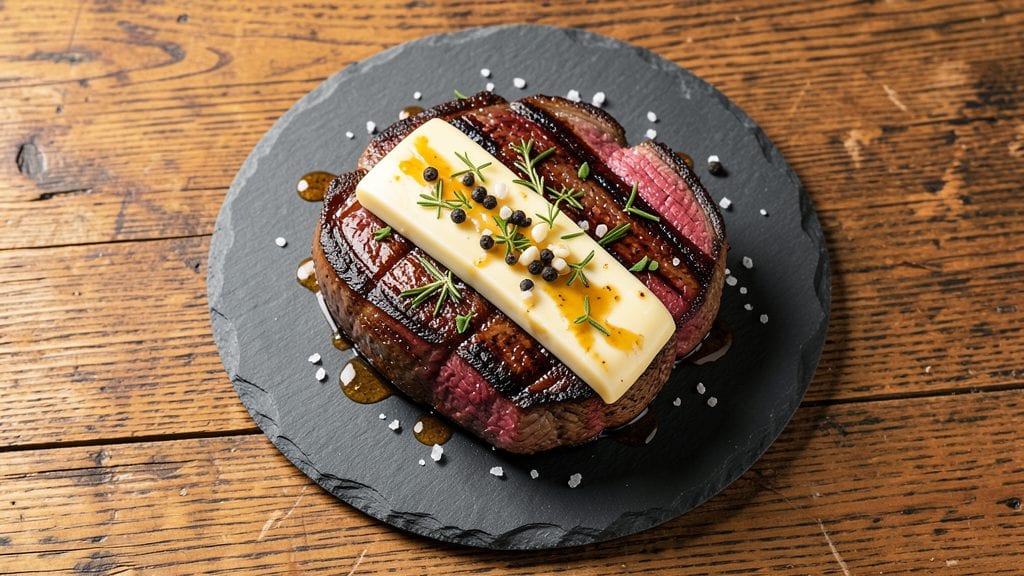
This California-style grilled steak recipe delivers restaurant-quality results with a peppercorn crust and rich garlic-herb butter that transforms a simple cut into something extraordinary. The secret lies in marinating the steak overnight, then reverse-searing it to achieve a perfect medium-rare center with a deeply caramelized crust.
After years of perfecting this technique, I can confidently say this is the closest you’ll get to a California steakhouse experience at home.
The recipe begins with a bold marinade of red wine, garlic, and fresh herbs, which infuses the steak with deep, aromatic flavors. A generous coating of freshly cracked peppercorns creates that signature crust, while the garlic-herb butter adds a luxurious finish.
The steak rests after cooking, ensuring every bite stays tender and juicy—no dry, overcooked edges here.
What you’ll end up with is a beautifully seared steak, plated with a red wine reduction that ties all the flavors together. The peppercorn crust adds a subtle bite, while the garlic-herb butter melts into each forkful.
This isn’t just a steak—it’s a showstopping main course that pairs perfectly with roasted potatoes or grilled asparagus.
Ready in about 45 minutes from start to finish, this recipe is ideal for special occasions or when you want to impress without spending hours in the kitchen. Let’s get started on creating a steak that tastes like it belongs on a California steakhouse menu.
Ingredients for california steak
Restaurant-quality California steak begins with premium cuts and bold flavors—here’s exactly what you’ll need.
| Ingredient | Amount | Notes |
|---|---|---|
| Ribeye Steaks 🥩 | 1 ½ lb | Center-cut, 1-inch thick, trimmed of fat |
| Dry Red Wine 🍷 | 1 cup | Cabernet Sauvignon or Merlot, 14% ABV |
| Fresh Garlic Cloves 🧄 | 8 cloves | Minced, for marinade and butter |
| Fresh Rosemary 🌿 | ¼ cup | Finely chopped, stems removed |
| Fresh Thyme 🌿 | ¼ cup | Leaves only, stems discarded |
| Freshly Cracked Black Peppercorns 🌶️ | 2 tbsp | Coarse grind, not pre-ground |
| Kosher Salt 🧂 | 2 tbsp | Diamond Crystal preferred |
| Unsalted Butter 🧈 | ½ cup | Cold, cubed, for herb butter |
| Extra-Virgin Olive Oil 🫒 | 2 tbsp | High-quality, fruity variety |
| Shallots 🧅 | 2 whole | Minced, for wine reduction |
| Beef Bone Broth 💧 | ½ cup | Reduced, for wine reduction |
| Heavy Cream 🥛 | ¼ cup | Full-fat, for finishing sauce |
| Red Wine Vinegar 🍋 | 1 tbsp | For balancing acidity |
The ribeye steak is non-negotiable for this recipe—center-cut, 1-inch thick delivers the perfect balance of marbling and tenderness. Source from a high-quality butcher like D’Artagnan or your local steakhouse counter, where they can trim excess fat for you. If buying whole, look for USDA Prime or Choice grade with vibrant red color and visible intramuscular fat. For the wine, Cabernet Sauvignon or Merlot (14% ABV) provides the ideal balance of acidity and depth—avoid sweet varieties. Fresh herbs are critical: rosemary and thyme should have an intense aroma and no wilting stems. The peppercorns must be freshly cracked—pre-ground loses its punch within weeks.
No red wine? Dry sherry or beef broth works in a pinch, though the flavor profile shifts slightly. Substitute dried herbs at half the amount, but fresh is ideal for that bright, aromatic punch. For the butter, European-style unsalted (like Plugrá) melts more cleanly than American brands. The shallots can be swapped for yellow onion (minced finely), but shallots add subtle sweetness that complements the wine reduction. If you’re short on time, use pre-minced garlic from the jar—just rinse it well to remove excess moisture. The bone broth should be reduced by half before adding to the wine reduction for depth.
Store the steaks vacuum-sealed or wrapped tightly in plastic for up to 5 days in the fridge, or freeze for 3 months. The marinade components (wine, garlic, herbs) keep 3 days refrigerated in an airtight container. For the herb butter, shape into a log, wrap in parchment, and chill for up to 1 week. The wine reduction can be reheated gently on the stove—never boil, as it’ll break the emulsion. Portion the finished steaks into individual servings for easy reheating, and store any leftovers in the fridge for 2 days at most (though this recipe serves exactly 4, so planning ahead avoids waste).
Why You'll Love This Recipe
- One-Pan Magic: I swear by this recipe because it’s all on one sheet pan—no chopping boards, no extra dishes. Just sear those ribeyes, toss in the garlic and herbs, deglaze with red wine, and let the oven do the work. (Yes, even on a Tuesday night.)
- Wine-Infused Richness: That dry red wine reduction? It’s the secret weapon—deep, savory, and just sweet enough to balance the herbaceous rosemary and thyme. The steak ends up with a glossy crust and a center so tender, it melts like butter. (Between us, it’s the kind of flavor that makes people ask for the recipe mid-bite.)
- Weekend Feast or Weeknight Win: Honestly, this steak feels fancy enough for a dinner party but takes less effort than takeout. Double the batch—it’s perfect for leftovers (reheat in a skillet, and it’s just as good the next day) or meal prep (pack with crusty bread and a salad for a no-fuss lunch).
- Budget-Friendly Luxury: Ribeyes don’t have to break the bank, and this recipe stretches them further. The wine and herbs elevate simple cuts, so you’re not sacrificing quality for savings. Plus, the leftovers turn into quick lunches—meaning you’re feeding your family and your wallet. (My daughter picks out the rosemary sprigs, but still asks for seconds.)
Step-by-step instructions for California-style grilled ribeye with garlic-herb butter
This method delivers perfectly seared steaks with a rich, aromatic garlic-herb butter and velvety wine reduction.
Prepare the Garlic-Herb Butter and Season the Steaks
In a small bowl, combine the 0.5 cup unsalted butter with 8 cloves minced fresh garlic cloves, 0.25 cup finely chopped fresh rosemary, 0.25 cup fresh thyme leaves, 2 tbsp freshly cracked black peppercorns, and 2 tbsp kosher salt. Mix thoroughly until evenly distributed, then shape into a log and chill for 30 minutes to firm up. This ensures clean slicing later.
While the butter chills, pat the 1.5 lb ribeye steaks dry with paper towels—moisture is the enemy of a good sear. Season both sides generously with additional kosher salt, focusing on the edges where flavor penetrates most deeply. Let the steaks sit at room temperature for 30 minutes before cooking to ensure even doneness.
Sear the Steaks to Perfection
Heat a cast-iron skillet over high heat until it's screaming hot—you should see a shimmer of heat when you hold your hand about 2 inches above it. Add 2 tbsp extra-virgin olive oil and swirl to coat the pan evenly. Place the steaks in the skillet and sear undisturbed for 3-4 minutes per side until they develop a deep, golden-brown crust. Press down gently on the steaks during the first minute to prevent curling.
For medium-rare doneness (recommended for ribeye), insert a meat thermometer into the thickest part of the steak—it should read 130-135°F. If you don't have a thermometer, use the finger test: compare the firmness of the steak to your palm (flesh to bone = medium-rare). Transfer the steaks to a warm plate and let them rest for 5-10 minutes before serving.
Create the Wine Reduction Sauce
In the same skillet, reduce heat to medium and add the 2 whole minced shallots, cooking for 2 minutes until softened. Pour in the 1 cup dry red wine and scrape up any browned bits from the bottom of the pan—these contain concentrated flavor. Simmer for 5-7 minutes until the liquid reduces by half, leaving a glossy, syrupy consistency.
Stir in the 0.5 cup beef bone broth and 1 tbsp red wine vinegar, then simmer for another 3-4 minutes until slightly thickened. Remove from heat and whisk in the 0.25 cup heavy cream to create a velvety sauce. If the sauce is too thick, thin it with a splash of warm water or broth. Keep the sauce warm until ready to serve.
Finish and Serve
Slice the chilled garlic-herb butter into ¼-inch thick pieces and place them on top of each steak. The butter will melt slightly from the residual heat of the steak, creating a luscious coating. Spoon the wine reduction sauce over the steaks and serve immediately, ensuring every bite is infused with rich, herby flavor.
For an elevated presentation, garnish with additional chopped fresh rosemary and thyme. Pair with roasted garlic mashed potatoes or a crisp green salad to complement the bold flavors of the steak. The combination of perfectly seared meat, aromatic butter, and velvety sauce makes this a standout centerpiece for any meal.
Pro Tips For Making California Steak
- Sear First, Deglaze Slow: Hit the ribeyes with a screaming-hot pan—cast iron if you’ve got it—until they’re deep brown and crusty. Then pull them out, pour in that red wine, and let it bubble gently for 2-3 minutes. I used to rush the deglaze, and the sauce ended up thin and vinegary. Patience here makes the sauce rich and balanced.
- Smash That Garlic: Don’t just chop the garlic—smash the cloves with the flat side of your knife first. This releases more flavor into the wine and butter. I learned this the hard way when my sauce tasted like it was missing something, even though I’d followed the recipe. Works for rosemary sprigs too—lightly bruise them before adding.
- Skip the Wine Snobbery: You don’t need a $50 bottle. A solid, dry red like Cabernet Sauvignon or Merlot works fine—just make sure it’s not sweet. I once splurged on a fancy wine and was disappointed when the flavor didn’t sing. The key is the acidity, not the price. Open it 10 minutes early to let it breathe, though.
- Butter the Steaks Mid-Cook: After searing, pull the ribeyes out and add a pat of cold butter to the pan. Tilt it, spoon the melted butter over the steaks, then finish with a pinch of salt. This adds a silky finish and locks in moisture—way better than tossing butter on at the end. (Yes, even if you’re impatient like me.)
Make-ahead tips for this california steak
Marinade Prep Ahead
Prep the marinade 2 days in advance and store it in an airtight container in the fridge. The wine, garlic, and herbs meld beautifully over time, deepening the flavor profile. I like to marinate the steaks for up to 24 hours—this ensures maximum tenderness without over-saturating the meat.
If you’re short on time, a 4-hour marinade still yields impressive results. 🌶️
Herb Butter Log
Shape the garlic-herb butter into a log and wrap it tightly in plastic wrap. This keeps it firm for easy slicing and prevents the herbs from wilting. Store in the fridge for up to 1 week or freeze for 3 months.
When ready to use, simply slice off ¼-inch thick pieces and place them on the steak right before serving. The butter will melt into a luxurious, herby coating.
Steak Prep Timeline
Take the steaks out of the fridge 1 hour before cooking to bring them to room temperature. This ensures even cooking and a perfect sear. If you’re grilling outdoors, prep the steaks and marinade the night before, then let them sit on the counter while you fire up the grill.
For indoor cooking, set a timer for 30 minutes before you plan to start searing—they’ll be ready when your pan is hot. ⏰
Wine Reduction Shortcut
Make the wine reduction a day ahead and store it in a small jar in the fridge. Reheat it gently on the stove over low heat, stirring occasionally until warmed through. Avoid boiling, as this can break the sauce’s emulsion.
If the sauce thickens too much, add a splash of warm water or beef broth to restore its silky texture. This step saves 15 minutes on the day of serving.
Portioning for Leftovers
If you’re making extra steaks, portion them into individual servings and wrap each tightly in aluminum foil. Store in the fridge for up to 2 days or freeze for 1 month.
To reheat, warm in a skillet over medium heat for 2-3 minutes per side, then finish with a fresh slice of garlic-herb butter. The steaks will be just as tender and flavorful as the day they were cooked.
Garnish Prep
Chop fresh rosemary and thyme 1 day ahead and store in a small container with a damp paper towel to retain moisture. These herbs add a pop of color and freshness to your plated steak.
For a restaurant-worthy touch, arrange the garnishes in a fan shape on the plate, or sprinkle them directly over the steak and sauce. A final drizzle of high-quality olive oil enhances the presentation without overpowering the flavors. ✨
Nutrition facts
Frequently asked questions
What makes this California-style steak different from other ribeye recipes?
The signature elements are the peppercorn crust and garlic-herb butter, plus the rich red wine reduction that ties everything together. Unlike basic steak recipes, this version focuses on layered textures—crispy crust, tender meat, and velvety sauce—plus the aromatic herbs that define California steakhouse style. The reverse-searing technique ensures perfect medium-rare doneness every time.
Can I use a different cut of steak for this recipe?
While ribeye is ideal, you can adapt this recipe for filet mignon or New York strip. Filet will be more tender but less flavorful, while strip has a firmer texture. For best results, stick with a 1-inch thick cut and adjust cooking time slightly—filet cooks faster, while strip may need an extra 30 seconds per side. Avoid lean cuts like sirloin, as they dry out more easily.
How do I fix a steak that's overcooked or dry?
If your steak turns out too firm, try slicing thinly against the grain and serving with extra sauce to add moisture. For reheating, use a skillet over medium-low heat for 2-3 minutes per side with a pat of butter—this adds fat to compensate for dryness. To prevent this, always use a meat thermometer (130-135°F for medium-rare) and let the steak rest for 5-10 minutes before slicing.
What’s the best way to store leftovers?
Wrap cooled steaks tightly in aluminum foil and refrigerate for up to 2 days or freeze for 1 month. Reheat in a skillet over medium heat for 2-3 minutes per side, then top with a fresh slice of garlic-herb butter. For the wine reduction, store in an airtight container and reheat gently on the stove—never boil, or it’ll break the sauce’s texture.
Can I grill this steak instead of pan-searing?
Preheat your grill to high heat (450-500°F) and oil the grates well. Sear the steaks for 4-5 minutes per side for a 1-inch thick cut, then move to indirect heat to finish cooking to 130-135°F. The wine reduction works best on the stovetop, but you can transfer it to a saucepan afterward. For extra smoky flavor, add wood chips (hickory or oak) to the grill.