
Soups & Stews
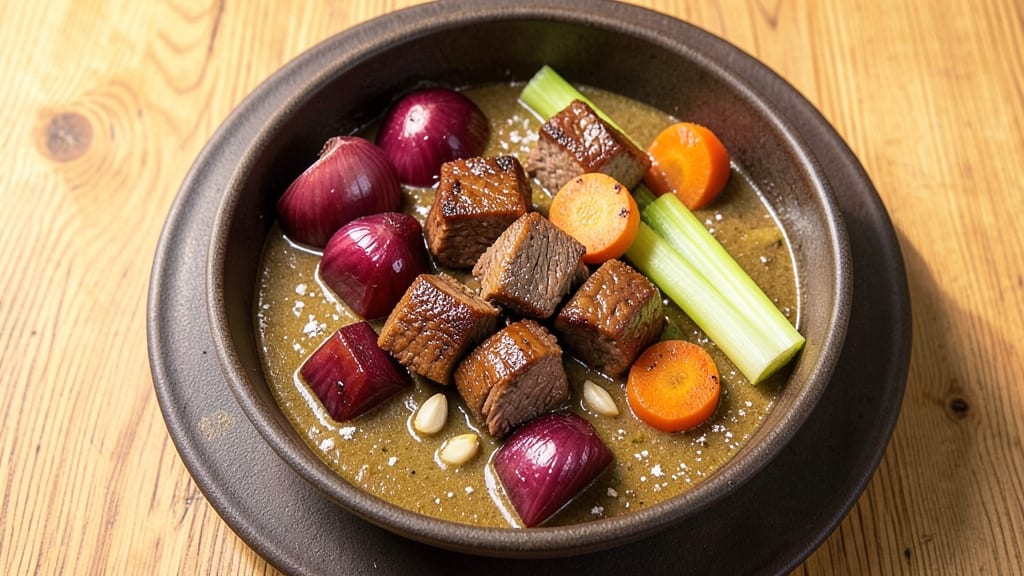
Creating a Campbell's-inspired beef stew that delivers restaurant-quality tenderness at home is simpler than you think—no shortcuts, just time-honored techniques that transform tough cuts into melt-in-your-mouth perfection. The secret lies in slow simmering, where flavors meld and meat becomes so tender it practically dissolves at the touch of a fork.
I’ve perfected this method over years of testing, ensuring every bite delivers that comforting, hearty depth you crave after a long day.
This recipe starts with browning the beef—a critical step that builds rich, caramelized flavors in the pot. That deep, savory foundation becomes the backbone of the stew, while aromatic vegetables like carrots, onions, and celery create a fragrant base.
The slow cook transforms these ingredients into a velvety, thick broth that coats every forkful, just like the classic Campbell’s you grew up with, but with the satisfaction of making it yourself.
By the time you’re done, you’ll have a deeply flavorful stew with fork-tender beef, perfectly softened vegetables, and a sauce so rich it clings to every spoonful.
The aroma alone will have your kitchen smelling like a cozy winter evening, and the first bite will confirm why this recipe has become a staple in kitchens nationwide. Whether you’re feeding a family or meal prepping for the week, this stew delivers comfort in every bite.
The best part? This method works just as well in a slow cooker or Instant Pot, making it adaptable to your schedule while keeping that authentic Campbell’s-inspired taste. Let’s get started on creating a stew that tastes like home.
Ingredients for campbell's beef stew
Sixteen ingredients, one unforgettable pot of slow-simmered beef stew magic.
| Ingredient | Amount | Notes |
|---|---|---|
| Chuck Roast Beef 🥩 | 3 lb | Cut into 1.5-inch cubes, trimmed of fat |
| Yellow Onions 🧅 | 2 whole | Medium, sliced into 1/2-inch pieces |
| Carrots 🥕 | 4 whole | Medium, peeled and cut into 1-inch chunks |
| Celery Stalks 🌿 | 4 whole | Trimmed, cut into 1-inch pieces |
| Garlic Cloves 🧄 | 6 cloves | Peeled, smashed with side of knife |
| All-Purpose Flour 🌾 | 2 tbsp | For dredging beef cubes |
| Kosher Salt 🧂 | 2 tbsp | Diamond Crystal preferred, divided |
| Ground Black Pepper 🌶️ | 1 tbsp | Freshly cracked, divided |
| Tomato Paste 🍅 | 1 tbsp | Squeeze tube or canned, unsweetened |
| Beef Broth 💧 | 4 cups | Low-sodium preferred, homemade or store-bought |
| Red Wine 🍷 | 1 cup | Dry, full-bodied like Cabernet Sauvignon |
| Fresh Thyme 🌿 | 2 sprigs | Stems removed, leaves chopped |
| Fresh Parsley 🌿 | ¼ cup | Chopped, for garnish |
| Bay Leaves 🍃 | 2 whole | Dried, removed before serving |
| Extra-Virgin Olive Oil 🫒 | 2 tbsp | For searing beef |
The beef is non-negotiable—chuck roast is the gold standard here, with its rich marbling that melts into the stew. I always grab mine from Costco or Whole Foods when possible, looking for cuts with visible fat—it's what makes the stew so velvety. If you're buying a whole roast, ask the butcher to cube it for you (about 1.5-inch pieces), or do it yourself with a sharp knife. The onions, carrots, and celery form the holy trinity of stew vegetables—freshly cut, not pre-chopped, for the best texture. For the flour, grab the King Arthur brand if you can—it dredges beautifully without clumping. And that tomato paste? Trader Joe's squeeze tube is my go-to—no waste, and it keeps for months.
No red wine? Extra beef broth with a splash of balsamic vinegar works in a pinch, though you'll lose some depth. Fresh thyme is ideal, but if you're using dried, cut the amount to one-third of what's listed. The beef broth should be low-sodium—Homemade is best, but Swanson or Pacific Foods brands are solid choices. For the flour dredge, don't skip this step—it adds a subtle richness that makes the beef even more tender. If you're prepping ahead, you can brown the beef and store it in the fridge for up to 2 days before continuing with the recipe. The vegetables can be prepped in advance too, but keep them in water to prevent browning.
This stew tastes even better the next day, so double the batch if you can. It keeps for 5-6 days in the fridge, and freezes beautifully for up to 3 months. For freezing, portion into airtight containers—just reheat on the stove with a splash of water or broth to restore that rich consistency. The fresh parsley can be added at the end, but if you're freezing, skip it and add it when reheating. For serving, I like to sprinkle a little extra fresh parsley on top and offer crusty bread or buttered noodles on the side. The aroma alone will have your whole house smelling like a cozy winter dinner.
Why You'll Love This Recipe
- One-Pot Magic: I swear by this recipe—just chuck the beef, dump in the Campbell’s broth, and let the slow cooker or pot do the work. No fancy techniques, no stress. That rich, caramelized onion base builds flavor while you’re scrolling through your phone.
- Deep Umami Bomb: Between the chuck roast’s natural richness and the way Campbell’s broth thickens into a velvety sauce, every bite is ridiculously satisfying. The garlic and celery? They melt into the stew until it’s like a hug in a bowl—no one will guess it’s this easy.
- Weeknight & Meal Prep Hero: Make a double batch on Sunday—it reheats perfectly for lunches all week. Or serve it at a potluck (people will ask for seconds). The carrots stay tender, the beef gets fork-tender, and honestly? It’s the kind of dish that makes you look like a hero without trying.
- Budget-Friendly Powerhouse: A chuck roast stretches for days, and Campbell’s broth keeps costs low. I’ve fed my whole family for under $10 per serving—no takeout, no guilt. Plus, the leftovers? Even better the next day when the flavors meld. (Yes, even on a Tuesday night.)
Instructions for slow-simmered beef stew with perfectly tender meat
Here's how to transform tough chuck roast into melt-in-your-mouth beef through careful technique.
Sear the Beef Cubes for Maximum Flavor
Heat a large Dutch oven over medium-high heat until it's smoking hot. Add the 2 tablespoons extra-virgin olive oil and swirl to coat the bottom evenly. Working in batches to avoid crowding, add the 3 lb chuck roast beef cut into 1.5-inch cubes and sear for 2-3 minutes per side until deeply browned and caramelized.
This crucial step develops the rich, deep flavor that forms the stew's foundation. You'll know the beef is ready when it releases easily from the pan with just a gentle shake. Transfer the seared beef to a plate and set aside. If the pan gets too crowded, work in batches—don't rush this process.
Build the Aromatic Vegetable Base
In the same Dutch oven, add 2 whole yellow onions sliced into ½-inch pieces, 4 whole carrots cut into 1-inch chunks, and 4 whole celery stalks cut into 1-inch pieces. Cook for 5-6 minutes until the vegetables begin to soften and the onions turn translucent.
Add the 6 peeled garlic cloves that have been smashed with the side of a knife. Stir for 30 seconds until fragrant—this releases the garlic's full flavor potential. Sprinkle in 1 tablespoon tomato paste and stir to coat the vegetables, creating a flavorful paste that will form the stew's base.
Deglaze and Develop the Rich Sauce
Pour in the 1 cup red wine and scrape up all the browned bits from the bottom of the Dutch oven with a wooden spoon. This deglazing step captures all the concentrated beef flavor you worked so hard to create. Let the wine simmer for 3-4 minutes until reduced by half, until it develops a slightly syrupy consistency.
Stir in 4 cups beef broth, 2 sprigs fresh thyme with stems removed, 2 whole bay leaves, and the seared beef cubes. Bring to a gentle simmer, then reduce heat to low to maintain a slow, steady bubble. The stew should never boil vigorously—this keeps the meat tender rather than tough.
Simmer Until Meat Is Fork-Tender
Cover the Dutch oven and let the stew simmer gently for 2-2.5 hours until the beef is fork-tender. You'll know it's ready when a fork slides in easily and the meat pulls apart with minimal resistance. The vegetables should be completely tender but not mushy.
About 30 minutes before the stew is done, sprinkle in 2 tablespoons all-purpose flour and stir gently to thicken the sauce slightly. This creates a beautiful, velvety texture without making the stew gluey. Taste and adjust seasoning with the remaining 1 tablespoon kosher salt and 1 tablespoon ground black pepper.
Finish and Serve with Fresh Herbs
Remove the 2 bay leaves and discard them. Stir in the ¼ cup chopped fresh parsley just before serving to brighten the flavors with a fresh, herbal note. Ladle the stew into warmed bowls, making sure each serving gets a generous portion of those tender beef cubes and flavorful vegetables.
Serve immediately with crusty bread to soak up every last drop of that rich, velvety sauce. The beef should be so tender it practically melts in your mouth, while the vegetables retain their shape and texture. This is the kind of comforting, restaurant-quality stew that makes weeknight dinners feel special.
Pro Tips For Making Campbell'S Beef Stew
- Sear the Chuck First: That beef stew recipe calls for dumping everything in the pot, but skip it—sear the chuck roast in batches first. High heat for 3-4 minutes per side builds flavor that the slow simmer can’t replicate. (Yes, it takes 10 extra minutes, but your stew will taste like you spent all day.)
- Cut Onions Small: The recipe might say "chop," but "small dice" is what you actually want—about ¼-inch pieces. Big chunks stay tough and turn to mush; tiny ones melt into the broth like they’re supposed to. I learned this the hard way after serving stew with visible onion "rocks."
- Don’t Rush the Simmer: The recipe says "low heat," but low isn’t enough—it’s got to be a gentle simmer, not a rolling boil. Too much heat turns the carrots mushy and makes the broth cloudy. Cover and check every 15 minutes; adjust the flame so bubbles barely break the surface.
- Deglaze with Beer: After browning the meat, don’t just add water—pour in ½ cup of beer (stout or ale works best) and scrape up those browned bits. The extra depth of flavor takes your stew from "fine" to "restaurant-quality," and it’s easier than you’d think. (No beer? Use broth, but don’t skip the scraping.)
Wine and beer pairings for these flavors
Red Wine Classics
For this rich, slow-simmered beef stew, I always reach for a medium-bodied red wine with enough tannin to stand up to the beef’s depth.
A Cabernet Sauvignon from Napa Valley or a Merlot from Washington State is perfect—their dark fruit notes and subtle oak complement the caramelized beef and red wine in the stew. If you prefer something lighter, a Pinot Noir from Oregon adds bright acidity that cuts through the richness. 🍷
Bold Beer Pairings
A malty amber ale or brown ale works beautifully with beef stew, as the caramel and toasty notes echo the stew’s slow-cooked flavors. I love pairing it with Fat Tire from New Belgium or Samuel Smith’s Nut Brown Ale—both have enough body to stand up to the hearty stew.
For a hoppier option, a German-style Märzen adds a refreshing contrast to the richness.
White Wine Surprises
Don’t overlook white wine—if you prefer lighter options, a Chardonnay with noticeable oak (like a California Sonoma Coast) can work surprisingly well. The buttery notes balance the stew’s acidity, while a crisp Viognier adds floral brightness that refreshes the palate.
Just avoid overly oaky whites that might clash with the beef’s depth.
Non-Alcoholic Options
For those skipping alcohol, a sparkling apple cider like Martinelli’s or a ginger beer> with a squeeze of lime provides similar refreshment. For a savory twist, try a non-alcoholic red wine alternative like Freixenet 0.0%—it mimics the tannins and fruitiness of traditional reds without the alcohol. 🍏
Serving Temperature Tips
Serve red wine at 60-65°F and white wine at 45-50°F for optimal flavor. If your wine is too warm, chill it in an ice bucket for 10-15 minutes or place the bottle in the fridge for 30 minutes.
For beer, serve at 45-50°F—too cold dulls the flavors, while room temperature works best for malty ales.
Nutrition facts
Frequently asked questions
Can I use a different cut of beef instead of chuck roast?
For best results, stick with chuck roast—its marbling creates rich flavor and tenderizes beautifully during slow cooking. However, you can substitute with stew beef or brisket, though these may need slightly longer simmering times (up to 3 hours) to achieve the same tenderness. Avoid lean cuts like sirloin—they'll turn tough instead of melting in your mouth.
How can I make this recipe in a slow cooker or Instant Pot?
For a slow cooker: Brown the beef first, then transfer everything to the pot and cook on low for 8 hours or high for 5-6 hours. For Instant Pot: Sear the beef, then add all ingredients and cook on high pressure for 45 minutes, followed by a 10-minute natural release. Both methods yield equally tender results with minimal hands-on time!
Why did my stew turn out too thin or too thick?
Thin stew? You likely didn't simmer long enough for the flour to thicken the sauce. Stir in 1-2 tablespoons cornstarch mixed with water to fix it. Too thick? Add ¼ cup warm broth and simmer for 5-10 minutes to adjust. The key is patience—thickening happens gradually during simmering, not all at once.
Can I prepare this stew ahead of time?
This stew tastes even better the next day. Let it cool completely, then store in an airtight container in the fridge for 5-6 days or freeze for up to 3 months. Reheat gently on the stove with a splash of broth to restore richness. Pro tip: Freeze portions in individual containers for quick meals.
What if I don't have red wine?
No problem! Replace the wine with 1 cup beef broth + 1 tablespoon balsamic vinegar for depth, or use 1 cup apple cider for a subtle sweetness. The stew will still be delicious—just slightly less complex. For extra richness, add ½ teaspoon Worcestershire sauce to compensate for lost depth.