Salads
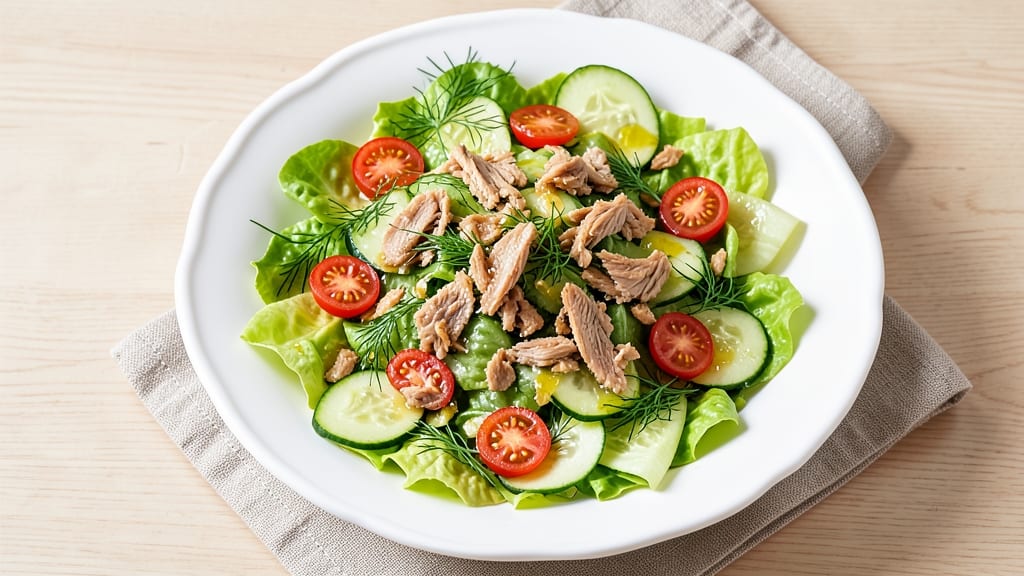
This canned mackerel salad recipe transforms humble pantry staples into a restaurant-worthy dish that’s ready in just 15 minutes. The secret lies in balancing rich, briny mackerel with bright lemon and fresh dill—creating a flavor profile that’s both elegant and effortless.
I developed this salad after realizing how versatile canned mackerel could be, especially when paired with crisp vegetables and a tangy dressing that cuts through its natural oiliness.
The beauty of this recipe is its foolproof simplicity: no fancy techniques, no last-minute grocery runs. You’ll use canned mackerel (in water or oil, drained), mixed greens, cherry tomatoes, cucumber, and a zesty lemon-dill dressing that comes together in minutes.
The result is a salad that’s packed with protein, omega-3s, and vibrant textures—crisp cucumbers, juicy tomatoes, and tender greens all holding their shape while soaking up the dressing.
What makes this dish truly special is how it elevates everyday ingredients into something memorable. The mackerel adds a deep, savory richness that pairs perfectly with the bright acidity of lemon and the herbal notes of fresh dill.
Each bite delivers a satisfying contrast—creamy fish, crisp vegetables, and a tangy dressing that keeps the palate refreshed. It’s the kind of salad that feels indulgent yet light, making it ideal for lunch or a light dinner.
This recipe also excels as a meal-prep friendly option, holding up well in the fridge for up to 2 days. Serve it as a standalone dish or pair it with crusty bread, grilled chicken, or a side of quinoa for a complete meal.
The possibilities are endless, but the preparation couldn’t be simpler. Let’s get started!
Ingredients for canned mackerel salad
Pantry staples and fresh herbs transform into a restaurant-worthy mackerel salad in minutes.
| Ingredient | Amount | Notes |
|---|---|---|
| Canned Mackerel in Water 🐟 | 2 cans | Drained thoroughly, flaked with fork |
| Mixed Baby Lettuce 🥬 | 4 cups | Butter lettuce or romaine preferred |
| Cherry Tomatoes 🍅 | ½ lb | Halved, seeds removed |
| English Cucumber 🥒 | 1 whole | Thinly sliced, seeds removed |
| Fresh Dill 🌿 | ¼ cup | Finely chopped, stems removed |
| Extra-Virgin Olive Oil 🫒 | ¼ cup | Light fruity variety preferred |
| Fresh Lemon Juice 🍋 | ½ cup | Strained, no pulp |
| Diamond Crystal Kosher Salt 🧂 | ½ tsp | Fine grain preferred |
| Freshly Ground Black Pepper 🌶️ | ½ tsp | Cracked peppercorns preferred |
| Red Wine Vinegar 🍷 | 1 tbsp | Dry variety preferred |
| Honey 🍯 | 1 tsp | Wildflower preferred |
| Garlic Cloves 🧄 | 2 cloves | Minced, not powdered |
| Crumbled Feta Cheese 🧀 | ¼ cup | Optional, for serving |
| Toasted Walnuts 🥜 | ¼ cup | Chopped, optional garnish |
The quality of your mackerel makes all the difference. Wild-caught brands like Wild Planet or Raincoast from specialty stores or high-end supermarkets deliver superior flavor and texture. Avoid any cans with a strong fishy odor or discolored oil—this indicates poor quality. For the dill, farmers market bunches stay fresher longer than grocery store containers. If you can't find fresh dill, dried works at one-third the amount, but the flavor won't be as vibrant. The cucumber should be crisp with no soft spots—English cucumbers from Whole Foods or Trader Joe's are ideal for this recipe.
No fresh dill? Tarragon or parsley can substitute at the same amount, though the flavor will differ slightly. Running low on red wine vinegar? Apple cider vinegar with a pinch of sugar works equally well. The honey in the dressing balances the acidity beautifully—avoid artificial honey substitutes as they lack the complexity. For the mackerel, if you prefer oil-packed over water-packed, simply drain it thoroughly and use the oil in your dressing instead of olive oil. The salad holds together well without dressing, but the lemon-dill vinaigrette is what truly elevates it to restaurant quality.
This salad keeps beautifully in the fridge for up to 2 days if stored in an airtight container with parchment paper between layers. The dressing separates slightly but can be whisked back together before serving. For meal prep, store components separately—dress the salad fresh to maintain crispness. The mackerel can be flaked ahead and stored for up to 1 day in the fridge, though it's best used immediately for peak texture. Garnishes like feta and walnuts should be added fresh before serving to prevent sogginess.
Why You'll Love This Recipe
- Fridge Stash Magic: I swear by this when my fridge has nothing but a can of mackerel and a sad cucumber. No fancy shopping—just open, drain, mix. That’s it. The mackerel’s rich, briny punch cuts through the fresh crunch of cucumber and tomatoes like a dream.
- Umami Bomb: Between us, canned mackerel is underestimated. The way it melts into the creamy dressing (I use lemon juice and olive oil, no fuss) while the dill brightens everything—it’s like a tiny flavor explosion. Honestly, my picky-eater husband goes back for seconds.
- Lunchbox Hero: This salad travels like a champ. Pack it in jars for work or school—no soggy lettuce here. The mackerel stays flaky, the cucumber stays crisp, and the tomatoes? They’re the perfect bite-sized snack. (Yes, even on a Tuesday night.)
- Budget Win: A single can of mackerel feeds four people for lunch. That’s $3 for a meal that feels gourmet. No wasted ingredients—every bite uses the lettuce, tomatoes, and cucumber before they go bad. My wallet and my leftovers thank me.
Step-by-step instructions for canned mackerel salad with lemon-dill dressing
Assemble this vibrant salad in minutes using pantry staples and fresh ingredients.
Prepare the Vegetable Base
In a large mixing bowl, combine the 4 cups mixed baby lettuce, 0.5 lb halved cherry tomatoes, and thinly sliced English cucumber. Gently toss with your hands to distribute evenly. The lettuce should remain crisp while the tomatoes and cucumber add juicy texture. Avoid overmixing to preserve their individual textures.
Add the 0.25 cup finely chopped fresh dill and the 2 minced garlic cloves, distributing them evenly throughout the greens. The dill will release its bright aroma immediately, while the garlic adds subtle depth. Set the bowl aside while you prepare the dressing - this gives the flavors time to begin melding together.
Create the Zesty Lemon-Dill Dressing
In a separate medium bowl, whisk together the 0.5 cup fresh lemon juice, 0.25 cup extra-virgin olive oil, 1 tbsp red wine vinegar, and 1 tsp honey. The mixture should emulsify slightly as you whisk, creating a smooth base. Add the 0.5 tsp diamond crystal kosher salt and 0.5 tsp freshly ground black pepper, whisking until fully dissolved.
This dressing should have a bright, tangy character with just a touch of sweetness from the honey. The acidity from the lemon and vinegar will cut through the richness of the mackerel while enhancing all the fresh components. Taste and adjust seasoning if needed - you want it balanced but still vibrant.
Flake and Combine the Mackerel
Open the 2 cans of drained mackerel in water and use a fork to gently flake the fish into small, even pieces. Avoid breaking them into tiny crumbles - you want visible flakes that add texture to each bite. Transfer the flaked mackerel to the vegetable mixture and gently fold together with a large spoon.
The mackerel should distribute evenly throughout the salad, with no large pockets of fish. This is where the salad's protein comes from, and the flakes will absorb the dressing beautifully. The natural oils from the mackerel will begin to infuse the greens with rich, umami flavor.
Assemble and Garnish
Pour the lemon-dill dressing over the mackerel and vegetable mixture, tossing gently but thoroughly to coat all components. The dressing should cling to the greens and mackerel without making the salad soggy. Add the 0.25 cup toasted walnuts and 0.25 cup crumbled feta cheese, folding them in just until distributed.
Let the salad sit for 5 minutes before serving to allow all the flavors to meld together. The feta will soften slightly while the walnuts add satisfying crunch. Taste one final time and adjust seasoning if needed - the flavors should be bright, tangy, and perfectly balanced.
Pro Tips For Making Canned Mackerel Salad
- DRAIN AND PAT DRY: The canned mackerel’s liquid is salty—skip rinsing it, but absolutely pat it dry with paper towels before mixing. I learned this the hard way when my salad tasted like the ocean after one bite.
- SALT THE CUCUMBER: Slice the English cucumber thin, toss it with a pinch of salt, and let it sit for 10 minutes before draining. This pulls out the bitterness and adds texture—no one wants a soggy, bland cucumber ruining the crispness.
- CHOP THE DILL FINE: Fresh dill loses its punch if you just toss in whole sprigs. Pulse it in a food processor for 2-3 seconds or finely chop it by hand—this releases the flavor so every bite tastes bright, not just the first.
- WAIT FOR ROOM TEMP: Take the canned mackerel out of the fridge 15 minutes before assembling. Cold fish makes the salad taste dull, and warm lettuce wilts faster—let everything sit at room temp so flavors meld properly.
Common mistakes when making perfect results
Over-Dressing the Salad
One of the most common mistakes is drowning the salad in dressing. The mackerel's natural oils already add richness, so you only need enough dressing to lightly coat the greens and vegetables.
I recommend starting with about ⅓ cup of dressing per serving—you can always add more if needed. Too much dressing makes the lettuce soggy and dilutes the vibrant flavors. 🥗
Skipping the Resting Time
After tossing everything together, resist the urge to serve immediately. Letting the salad sit for 5 minutes allows the mackerel's oils to distribute evenly and the flavors to meld. I once served it right away and found the textures and tastes felt disjointed. Patience here makes all the difference.
Using Stale or Low-Quality Ingredients
The quality of your ingredients directly impacts the final result. Using wilted lettuce or canned mackerel with a strong fishy odor will ruin the dish. I always check the expiration date on mackerel cans and choose brands like Wild Planet or Raincoast for the freshest taste.
Fresh herbs like dill should be vibrant green, not yellow or wilted.
Over-Mixing the Dressing
When making the lemon-dill dressing, avoid over-whisking. You only need to combine the ingredients until they're just emulsified—no need to create a thick mayonnaise-like consistency. Over-mixing incorporates too much air, which can make the dressing separate later. Whisk just until smooth, about 15-20 seconds, then taste and adjust.
Ignoring the Dressing's Balance
Many people forget to taste and adjust their dressing before serving. The lemon-dill dressing should have a perfect balance of tangy, sweet, and savory notes. If it tastes too acidic, add a pinch more honey.
If it's too sweet, add a splash of red wine vinegar. I always taste it before combining with the salad to ensure harmony.
Not Draining Mackerel Properly
If using canned mackerel in oil, draining it thoroughly is crucial. The oil can make the salad greasy and heavy. I recommend using a fine-mesh strainer and pressing the mackerel gently with a paper towel to remove excess oil.
For water-packed mackerel, simply drain and rinse briefly under cold water to remove any metallic taste from the can.
Nutrition facts
Frequently asked questions
Can I use canned mackerel in oil instead of water?
Yes, but you'll need to drain it thoroughly to avoid a greasy salad. Use a fine-mesh strainer and press the mackerel gently with a paper towel to remove excess oil. For best results, substitute the olive oil in the dressing with 2 tablespoons of the drained mackerel oil to maintain balance. The flavor will be richer, but the texture stays light and crisp.
How do I make this salad without fresh dill?
Use 1 tablespoon dried dill instead of fresh, or substitute with 1 tablespoon chopped tarragon or parsley. For maximum flavor, toast the dried herbs in a dry pan for 30 seconds before adding to the salad. The aroma will be slightly different but still bright and herbaceous.
Can I prepare this salad ahead of time?
Store the salad components separately in an airtight container for up to 2 days. Keep the dressing in a separate jar and toss everything together just before serving. For best texture, store the mackerel flakes separately and add them fresh. This prevents sogginess and maintains crispness in the greens.
What's the best way to serve this mackerel salad?
This salad works beautifully as a light lunch or side dish. For a complete meal, serve with toasted sourdough bread, crusty baguette slices, or a side of warm quinoa. It also pairs well with grilled vegetables or a simple tomato soup for a cozy dinner. The lemon-dill dressing makes it versatile for both summer and winter meals.
Why does my mackerel salad taste fishy?
This usually happens when using low-quality canned mackerel or not draining it properly. Always choose wild-caught brands and check for freshness—avoid cans with strong odors. For water-packed mackerel, rinse briefly under cold water to remove any metallic taste. The lemon dressing helps balance any fishiness, but quality ingredients make all the difference.