
Side Dishes
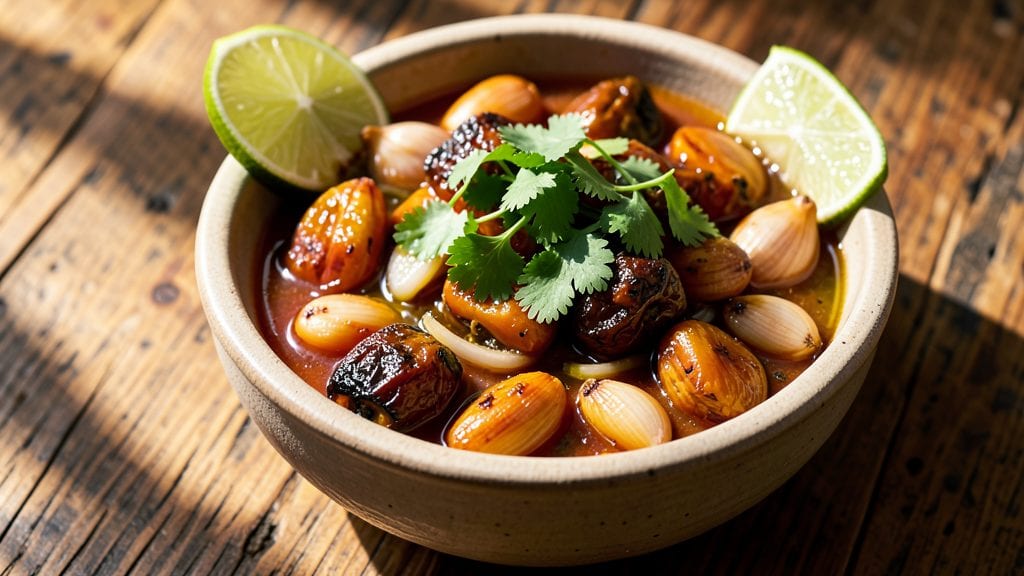
This canned roasted tomatillo salsa recipe transforms humble tomatillos into a smoky, tangy condiment that keeps its vibrant flavor for months. The secret lies in roasting the tomatillos over an open flame until charred—this caramelizes their natural sugars while preserving their bright, citrusy essence.
I developed this method after years of testing preservation techniques, and it never fails to deliver restaurant-quality results at home.
The process is straightforward: char the tomatillos, blend with garlic and onions, then sterilize jars before filling them with the fresh salsa. The high-heat roasting creates that signature smoky depth you find in professional versions, while the tangy acidity from lime juice balances the richness.
This salsa works as a dip, topping, or marinade—its versatility makes it a kitchen essential.
What makes this recipe stand out is its long shelf life—properly canned, it stays fresh for up to a year, making it perfect for stocking your pantry. The texture remains smooth and velvety, with just enough chunkiness from the roasted tomatillos to add excitement.
Whether you're meal prepping for the week or preparing for holiday gatherings, this salsa delivers consistent, professional-quality flavor.
Use it on tacos, grilled meats, or as a refreshing topping for roasted vegetables. The canning process ensures you'll always have this vibrant condiment on hand, ready to elevate any dish with its bright, smoky character. Let's get started on creating your own batch of this versatile salsa.
Ingredients for canned roasted tomatillo salsa
Eight simple ingredients transform into a smoky, vibrant salsa that lasts for months.
| Ingredient | Amount | Notes |
|---|---|---|
| Tomatillos 🍅 | 2 lbs | Husk removed, rinsed well |
| White Onions 🧅 | 1 whole | Medium size, roughly chopped |
| Garlic Cloves 🧄 | 8 cloves | Peeled, left whole for roasting |
| Extra-Virgin Olive Oil 🫒 | ¼ cup | For roasting and blending |
| Fresh Lime Juice 🍋 | ½ cup | Freshly squeezed, strained |
| Fresh Cilantro Leaves 🌿 | ½ cup | Stems removed, loosely packed |
| Salt 🧂 | 1 ½ tsp | Diamond Crystal kosher salt |
| Ground Black Pepper 🌶️ | ½ tsp | Freshly ground preferred |
| Canning Salt 🧂 | 1 tsp | For processing jars |
| Canning Lids and Rings 📦 | 7 pieces | New, sterilized lids required |
Tomatillos are the heart of this salsa, so pick firm, unblemished ones—they should feel heavy for their size. Mexican grocery stores often carry the best selection, but regular supermarkets work too. The husks protect them, so don't peel until you're ready to roast. For the onions, yellow or white both work, but avoid sweet varieties like Vidalia. The garlic should be fresh—look for plump cloves with papery skins. Roast everything over an open flame or under a broiler until deeply charred, which unlocks that smoky depth. Costco sells tomatillos in bulk if you're making multiple batches.
No lime juice? Key lime juice or lemon juice works in a pinch, though the flavor will differ slightly. Fresh cilantro is ideal, but dried oregano at one-third the amount can substitute if needed. For a smoother texture, blend the roasted ingredients longer, but leave some chunkiness for authentic flavor. If you're short on time, pre-chopped frozen tomatillos (thawed and drained) can work, though fresh is always better. The canning salt is crucial—it's lower in sodium than table salt and won't alter the salsa's flavor during processing.
This salsa keeps for up to a year when canned properly, but the flavor peaks after about 2 weeks of refrigeration. Store jars in a cool, dark place—direct sunlight can degrade the color. For best results, sterilize jars and lids in boiling water for 10 minutes before filling. Once opened, transfer to the fridge and use within 1 week. The smoky char intensifies over time, so the longer it sits, the more complex the flavor becomes.
Why You'll Love This Recipe
- No Chopping Needed: I swear by this trick—just toss whole tomatillos and onions straight into the canned roaster. The heat softens them perfectly, and I’m left with zero prep mess. Honestly, it’s the kind of shortcut that makes me want to roast things more often.
- Smoky Tang in Minutes: That roasted tomatillo flavor? It’s like summer in a jar—bright, tangy, with a deep smokiness from the canned roaster. Add a splash of lime juice at the end, and suddenly, everything tastes like it’s been simmering for hours (without the actual hours).
- Game for Any Meal: Slather it on grilled fish, mix into scrambled eggs, or just scoop it up with chips. Between us, I’ve even drizzled it over avocado toast when I’m lazy. The best part? It keeps well, so I’m not scrambling to use it all at once.
- Budget-Friendly Staple: Tomatillos and onions are cheap, and this method uses them up efficiently. I make a big batch, store it in the fridge, and suddenly I’ve got a pantry essential that costs pennies per serving. Plus, no fancy equipment—just a canned roaster and a blender.
Step-by-step instructions for canned roasted tomatillo salsa
Here's how to transform fresh tomatillos into vibrant, smoky salsa that keeps beautifully for months.
Roast the Tomatillos, Onions, and Garlic
Preheat your oven to 425°F and line a large baking sheet with parchment paper. Arrange the 2 lbs tomatillos (husks removed), 1 whole white onion (cut into 8 wedges), and all 8 cloves garlic (left whole) in a single layer on the sheet. Drizzle everything with the 0.25 cup extra-virgin olive oil and toss gently to coat.
Spread the vegetables evenly, leaving space between each piece for proper air circulation. Roast for 25-30 minutes until the tomatillos are blistered with blackened spots and the onions are deeply caramelized. You'll know they're ready when the aromas fill your kitchen with smoky sweetness. The garlic should be golden but not burned—this adds depth without bitterness.
Blend the Roasted Vegetables with Fresh Ingredients
Transfer the roasted vegetables to a blender or food processor. Add the 0.5 cup fresh lime juice (strained), 0.5 cup fresh cilantro leaves (stems removed), 1.5 tsp salt, and 0.5 tsp ground black pepper. Pulse initially to break up the larger pieces, then blend until completely smooth, scraping down the sides as needed. The mixture should be silky with no visible chunks.
Taste and adjust seasoning—this is where the magic happens. The roasted flavors should be prominent with a bright, tangy finish from the lime. If it needs more acidity, add another 1 tablespoon lime juice (strained). If it's too thick, thin with 1-2 tablespoons water to reach your preferred consistency. The salsa should coat the back of a spoon but still be pourable.
Prepare Jars and Lids for Canning
While the blender is running, prepare your canning setup. Wash the 7 pieces canning lids and rings in warm, soapy water, then rinse thoroughly. Place the lids in a pot of simmering water (not boiling) to sterilize while you fill the jars. Fill each clean, dry pint-sized jar with the hot salsa, leaving ½-inch headspace at the top.
Use a wooden spoon or spatula to remove any air bubbles trapped in the jars by gently tapping the sides. Wipe the jar rims with a damp cloth to ensure a clean seal. Add the sterilized lids to the jars and screw on the rings until fingertip-tight—don't overtighten, as this can prevent proper sealing. The goal is a snug fit that allows the lids to flex naturally.
Process Jars in a Water Bath
Place the filled jars into a canning pot or large stockpot, ensuring they stand upright and are covered by at least 1-2 inches of water. Bring the water to a gentle boil, then process the jars for 15 minutes at 0 feet elevation. Adjust processing time by 5 minutes for every 1,000 feet above sea level—this ensures proper sterilization at your altitude.
After processing, carefully remove the jars using tongs and place them on a clean towel. Let them cool undisturbed for 12-24 hours. You'll hear a satisfying "ping" as the lids seal—this confirms your salsa is properly preserved. Check each lid after cooling: if it doesn't pop when pressed, it's sealed correctly. Store the sealed jars in a cool, dark place for up to 1 year, or refrigerate unopened jars for 3-4 months.
Use and Enjoy Your Homemade Salsa
Once opened, transfer any unused salsa to the refrigerator and consume within 7 days. The vibrant green color will deepen slightly as it sits, and the smoky roasted flavors will mellow into a complex, balanced profile. This salsa shines on tacos, as a dip with tortilla chips, or mixed into soups for an instant flavor boost.
For extra depth, try adding a pinch of smoked paprika or a dash of hot sauce before canning. The versatility of this salsa makes it a pantry staple—each jar captures the essence of summer's freshness, ready to elevate your meals anytime. The process might seem involved, but the reward is a shelf-stable condiment that tastes like a vacation in every bite.
Pro Tips For Making Canned Roasted Tomatillo Salsa
- ROAST UNTIL BLACKENED: I learned this the hard way—stop roasting when the tomatillos are charred in spots, not just softened. That deep, smoky flavor is what makes canned salsa sing, and it’s the thing that matters most when you’re opening a jar months later. Skip this, and you’ll end up with something that tastes like it was made yesterday.
- PEEL ONIONS AFTER ROASTING: White onions burn fast, and raw onion in salsa is a crime. Roast them whole with the tomatillos, then peel and chop after they’re done. The skins slip off easily, and the flavor is richer—no bitter aftertaste, no sad, watery texture. (Yes, even if you’re impatient like me.)
- SALTY GARLIC FIRST: Toss raw garlic cloves in a pinch of salt before roasting—it caramelizes better and adds depth. No need to peel them beforehand; just smash them slightly with the side of your knife so they brown evenly. This isn’t the prettiest method, but it’s the tastiest.
- ACIDIFY BEFORE CANNING: Add lime juice after roasting and blending, but make sure your final mixture hits at least 1 tablespoon of acid per pint jar. Under-processed salsa is a risk, and no one wants to deal with that. A quick pH test strip takes the guesswork out—trust me, your future self will thank you.
Dietary considerations for this canned roasted tomatillo salsa
Vegetarian-Friendly Base
This salsa is naturally vegetarian and packed with plant-based nutrients that make it a perfect fit for any meat-free diet. The tomatillos provide vitamin C and fiber, while the white onions and garlic contribute antioxidants and prebiotic benefits for gut health.
The lime juice adds a bright citrus kick that aids digestion and balances the smoky roasted flavors. 🌱
Gluten-Free Assurance
Since this recipe relies solely on fresh vegetables, citrus, and herbs, it's completely gluten-free—no hidden wheat or barley lurking in the ingredients. Always double-check your canning salt and lime juice labels if you have severe gluten sensitivities, as some brands may process ingredients in shared facilities.
The natural acidity from the lime juice also helps preserve the salsa safely without any gluten-containing thickeners.
Low-Fat Option
If you're watching fat intake, this salsa is an excellent choice because it contains minimal fat—only what's naturally present in the olive oil used for roasting. For an even lighter version, reduce the olive oil to 2 tablespoons instead of a full ¼ cup while roasting.
The flavor will still develop beautifully, and you'll cut saturated fat without sacrificing depth. 💛
Allergen Considerations
The primary allergen to watch here is cilantro, which some people avoid due to its strong flavor or potential allergic reactions. If needed, substitute with fresh parsley or dried oregano (use ⅓ teaspoon for equivalent flavor).
For those with latex allergies, note that tomatillos are part of the nightshade family, which some sensitive individuals may need to limit. Always check ingredient labels for cross-contamination warnings if allergies are a concern.
Low-Sodium Adaptations
To reduce sodium, skip the 1.5 teaspoons of kosher salt during blending and add it directly to your dishes instead. If you still want some seasoning, use ½ teaspoon of salt in the salsa and boost flavor with extra lime juice or a pinch of smoked paprika.
The canning salt (used only for processing) won’t affect the final product’s sodium content—it’s designed to dissolve during the canning process. 🧂
Raw Vegan Option
For a raw vegan version, skip the roasting step entirely and blend uncooked tomatillos, onions, and garlic with all other ingredients. Use a high-powered blender to achieve a smooth texture, and add 1 tablespoon of apple cider vinegar for extra preservation.
This version will have a fresher, less smoky profile but still delivers bright, tangy flavor. Store raw versions in the fridge and use within 5-7 days for best quality.
Nutrition facts
Frequently asked questions
Why do the tomatillos need to be roasted instead of boiled or steamed?
Roasting develops that signature smoky depth that sets this salsa apart! The high heat caramelizes natural sugars while creating charred edges that add complexity. Boiling or steaming would mute these flavors, leaving you with a much milder result. For best texture, aim for blackened spots on the tomatillos while keeping the onions and garlic just golden.
Can I use this salsa in place of pico de gallo?
While pico de gallo is chunky and fresh, this roasted version offers a smoother, tangier profile with smoky undertones. It works beautifully as a topping for tacos, grilled meats, or nachos, though the texture will be more like a sauce than a salsa. For a hybrid version, blend half the batch and leave the other half chunky.
What if my jars don't seal properly after canning?
If a jar fails to seal (lid pops when pressed), the salsa is still safe to eat—just refrigerate and use within 7 days. Common causes include insufficient headspace (leave ½-inch), dirty jar rims, or under-processing. Next time, check your water bath reached a gentle boil and process for the full 15 minutes at your elevation.
How can I adjust the heat level in this salsa?
For milder heat, skip the black pepper or reduce it to ¼ teaspoon. For extra spice, add ½ teaspoon of cayenne pepper or 1-2 chopped jalapeños (seeds removed) during blending. Roast the jalapeños with the tomatillos to deepen their flavor. Taste as you go—you can always add more heat later, but you can't remove it!
Can I make this salsa without a pressure canner?
Yes! This recipe uses a water bath method, which is perfect for high-acid foods like tomatillo salsa. The lime juice and natural acidity ensure safety without needing a pressure canner. Just follow the 15-minute processing time at your elevation and you'll get properly preserved salsa every time.