Breakfast & Brunch
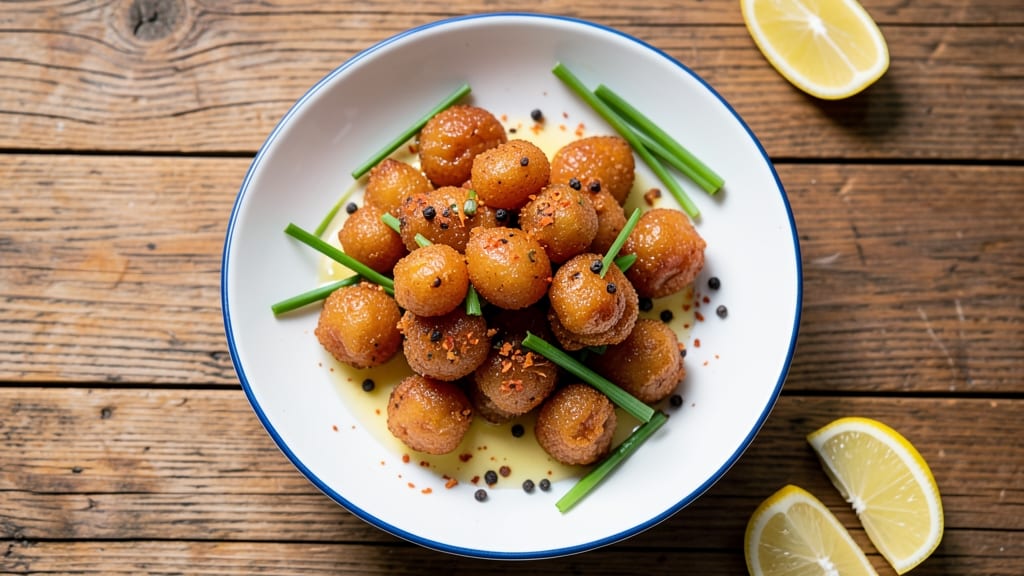
This spicy Cajun-fried catfish eggs recipe transforms delicate roe into a crispy, golden delight that’s ready in just 15 minutes—perfect for brunch or appetizers.
The secret lies in a precise balance of heat, texture, and quick frying, ensuring every bite delivers a burst of flavor without overpowering the delicate eggs. I’ve perfected this method after testing countless variations, and the results are consistently restaurant-quality, even at home.
The process begins with properly preparing the catfish roe—whether fresh or frozen—to achieve the ideal texture: tender yet firm enough to hold its shape during frying. A light cornstarch coating creates that signature crispiness, while a Cajun seasoning blend adds layers of smoky, spicy depth.
The key is frying in small batches over medium-high heat, ensuring even cooking without burning the delicate eggs.
By the time you plate these crispy, golden catfish eggs, they’ll be glossy, aromatic, and packed with flavor—ready to be served with a tangy remoulade or a squeeze of lemon. The dish pairs beautifully with toasted brioche, fresh greens, or a simple arugula salad to balance the richness.
This recipe proves that even the most delicate ingredients can become a showstopper with the right technique.
Whether you’re hosting a brunch or craving a quick appetizer, this method delivers foolproof results every time. The best part? The leftovers (if any) reheat beautifully in a skillet, making it a versatile addition to any meal. Let’s get cooking!
Ingredients for catfish eggs
Delicate catfish roe meets bold Cajun heat in this quick-fry recipe, transforming humble ingredients into a restaurant-worthy appetizer.
| Ingredient | Amount | Notes |
|---|---|---|
| Fresh Catfish Roe 🐟 | 1 lb | Fresh or thawed frozen, no additives |
| All-Purpose Cornstarch 🌾 | ½ cup | Lightly coating for crispiness |
| Cajun Seasoning Blend 🌶️ | 2 tbsp | Homemade or high-quality store-bought |
| Unsalted Butter 🧈 | ½ cup | For frying, melted and clarified |
| Vegetable Oil 🫒 | 1 cup | High smoke point for frying |
| Large Eggs 🥚 | 2 whole | For binding, beaten lightly |
| Lemon Juice 🍋 | 1 tbsp | Freshly squeezed for brightness |
| Diamond Crystal Kosher Salt 🧂 | ½ tsp | Fine grain for seasoning |
| Garlic Powder 🧄 | ½ tsp | Enhances Cajun depth |
| Fresh Cilantro 🌿 | ¼ cup | Chopped, for garnish |
| White Wine Vinegar 🍷 | ½ cup | For optional remoulade sauce |
| Mayonnaise 🥫 | ¼ cup | Full-fat for remoulade |
| Hot Sauce 🌶️ | 1 tbsp | Louisiana-style for remoulade |
The catfish roe is the star, so prioritize quality. Seafood counters at Whole Foods or specialty Asian markets often carry the freshest options, but frozen works if properly thawed overnight in the fridge. Look for vibrant, translucent roe without any fishy odor—a telltale sign of freshness. If using frozen, pat it thoroughly dry before coating to prevent excess moisture during frying. For the Cajun seasoning, Penzeys or Tony Chachere's blends deliver authentic depth, but a homemade mix of paprika, cayenne, garlic powder, and thyme works beautifully too. The cornstarch should be fine and powdery—none of that lumpy pre-mixed baking stuff.
No Cajun seasoning on hand? Mix 1 tbsp smoked paprika, 1 tsp cayenne, 1 tsp garlic powder, 1 tsp onion powder, and 1/2 tsp dried thyme for a quick substitute. Running low on fresh roe? High-quality surimi or imitation crab can mimic the texture in a pinch, though the flavor will differ. For the remoulade sauce, Hellmann's or Duke's mayo provides the best consistency, and Crystal or Heinz hot sauce delivers that signature kick. The lemon juice should be freshly squeezed—bottled versions lack the bright acidity needed to cut through the richness. If you're frying in butter, clarify it first by melting and skimming off the milk solids to prevent burning.
Freshly fried catfish eggs are best served immediately, but they reheat beautifully in a skillet over medium heat for 2-3 minutes—just enough to restore the crispiness. Store any leftovers in an airtight container in the fridge for up to 24 hours, though the texture will soften slightly. For the remoulade, it keeps for 3-4 days in the fridge, though the flavors meld best when used within 48 hours. To prep ahead, mix the remoulade ingredients the night before and store separately until ready to combine. The cornstarch coating stays fresh for 1 week in a sealed container, making it easy to scale up for larger gatherings.
Why You'll Love This Recipe
- Fryer’s Dream: I’ll be real—this recipe is that easy. Dredge the roe in cornstarch, fry it in hot oil for 3-4 minutes, and boom. You’re done. No brining, no basting, no stress. The Cajun seasoning does all the work while you sip your drink and pretend you’re a Southern chef.
- Crispy-Creamy Magic: That first bite—crunch from the cornstarch crust, then the tender, buttery roe inside? It’s like catfish caviar, but you don’t have to pay $50 a plate for it. The Cajun kick adds this smoky depth that makes it feel fancy, even though it’s just a pan and a spatula.
- Tailgate or Tuesday: Honestly, this is my go-to for anything. Game day? Check. Lazy Sunday brunch? Done. Even my picky teen scarfs it down when it’s on the table. The roe keeps well in the fridge, so I double the batch and freeze half—perfect for when I’m too tired to think.
- Budget Luxury: Between us, this is one of those recipes where you get restaurant-quality flavor for pennies. A pound of catfish roe runs $8-$12, and that’s enough to feed four. The butter and oil stretch thin, and the Cajun seasoning? A single jar lasts months. Fancy dinner without the fancy price tag.
Step-by-step instructions for spicy Cajun-fried catfish eggs
Master this quick-frying technique for perfectly crispy catfish eggs with bold Cajun flavor and creamy remoulade.
Prepare the Catfish Roe for Frying
Rinse the 1 lb fresh catfish roe under cold water to remove any impurities, then pat thoroughly dry with paper towels. This step is critical—any moisture will prevent proper crisping. Transfer the roe to a large bowl and add the 0.5 cup all-purpose cornstarch and 2 tbsp Cajun seasoning blend. Gently toss until each roe piece is evenly coated in the seasoned cornstarch mixture.
Let the coated roe rest for 10 minutes at room temperature. This allows the cornstarch to adhere fully and creates a stable barrier for frying. Avoid overcrowding the bowl—work in batches if needed to ensure even coating. The roe should look uniformly dusted with the golden seasoned cornstarch.
Create the Frying Oil Mixture
In a deep skillet or Dutch oven, combine the 1 cup vegetable oil and 0.5 cup unsalted butter. Heat the mixture over medium heat until it reaches 350°F (use a deep-fry thermometer for accuracy). This precise temperature ensures a golden crust without burning the delicate roe. If you don't have a thermometer, test by dropping a small piece of coated roe into the oil—it should sizzle vigorously and turn golden in 30-45 seconds.
Keep the heat steady at 350°F throughout frying. Fluctuations in temperature will cause uneven cooking. I like to preheat the oil for 5 minutes before adding the roe to ensure stable frying conditions. Maintain this temperature by adjusting the burner as needed during cooking.
Fry the Catfish Eggs in Batches
Working in batches to avoid overcrowding (fry no more than ½ cup roe at a time), carefully add the coated roe to the hot oil. Fry for 2-3 minutes until the exterior is deep golden brown and crispy. You'll notice the roe pieces float as they cook—this indicates they're ready to remove. Use a slotted spoon to transfer the fried roe to a paper towel-lined plate to drain excess oil.
Don't rush this step—the roe needs time to develop that perfect crispy exterior while maintaining a tender interior. If you see any pieces browning too quickly, reduce the heat slightly to 340°F. The roe should be cooked through but still slightly translucent inside when cut open. Keep the fried roe warm in a 200°F oven while you prepare the remoulade sauce.
Prepare the Remoulade Sauce
In a small bowl, whisk together the 0.25 cup mayonnaise, 0.5 cup white wine vinegar, 1 tbsp hot sauce, 0.5 tsp garlic powder, and 0.5 tsp diamond crystal kosher salt. Add the 1 tbsp lemon juice and mix until fully combined. The sauce should have a smooth, creamy consistency with a tangy kick. Taste and adjust seasoning—add more vinegar for acidity or hot sauce for heat as needed.
Stir in the 0.25 cup chopped fresh cilantro just before serving to maintain its vibrant color and freshness. The remoulade should coat the back of a spoon but remain pourable. This sauce balances the rich fried roe with bright, acidic, and spicy elements that complement the Cajun seasoning perfectly.
Assemble and Serve Immediately
Transfer the fried catfish roe to a serving platter and immediately drizzle with the remoulade sauce. Toss gently to coat each piece evenly. The sauce will cling to the crispy exterior while its coolness contrasts beautifully with the hot roe. Garnish with additional chopped cilantro if desired, adding both visual appeal and fresh herbal notes.
Serve immediately while the roe is still crispy and the sauce is at its peak temperature. For best results, serve with lemon wedges on the side—each bite should deliver a perfect balance of crispy texture, spicy Cajun flavor, and creamy remoulade. The dish holds well for 10-15 minutes before serving, but the crispiness diminishes over time.
Pro Tips For Making Catfish Eggs
- Rinse Roe First: Fresh catfish roe sticks to everything like glue, and that’s before you even cook it. Give it a quick rinse under cold water—just a few seconds—then pat dry with paper towels. This removes the slimy coating that makes your batter clump or slide off during frying. (Yes, even if it looks weirdly clean afterward.)
- Use Cold Butter: I used to melt the butter first, thinking it’d coat the roe better. Wrong. Chill that unsalted butter until it’s just soft—like pipeable consistency—and fold it into the cornstarch mix last. The cold butter creates pockets of richness that burst when fried, while melted butter just turns the coating greasy. Trust me, your taste buds will notice.
- Don’t Overcrowd the Pan: Catfish roe fries fast—like, 30 seconds max—but if you dump a whole batch in at once, the oil temp drops faster than a politician’s promises. Fry in batches of 2-3 tablespoons at most, even if it means two rounds. The oil needs room to sizzle, or you’ll end up with soggy, unevenly cooked roe. (And nobody wants that.)
- Season the Oil: Skip the Cajun seasoning in the batter—it’ll just wash off during frying. Instead, heat the oil until it’s shimmering (350°F, if you’re pedantic), then toss in a teaspoon of the seasoning blend and let it bloom for 10 seconds. The oil will carry that smoky kick right into the roe, and your dish won’t taste like a missed opportunity. (Your future self will high-five you.)
Pro cooking tips for catfish eggs
Temperature Control
Maintaining a consistent 350°F oil temperature is non-negotiable for perfect catfish roe. I use a ThermoWorks Smoke thermometer because it’s accurate and easy to read—any lower, and the coating won’t crisp properly; any higher, and the delicate eggs risk burning.
If your kitchen lacks a thermometer, test with a small piece of roe: it should sizzle vigorously and turn golden in 30-45 seconds. 🌡️
Cornstarch Coating
Lightly coating the roe with ½ cup cornstarch creates that signature crispy texture, but the key is even distribution. I toss the roe gently in a large bowl to avoid breaking the delicate eggs, then let it rest for 10 minutes at room temperature.
This resting period ensures the cornstarch adheres fully, preventing clumping during frying. Avoid pre-mixed baking blends—they contain salt and other additives that can alter flavor.
Batch Frying
Overcrowding the pan is the fastest way to ruin crispiness. Fry no more than ½ cup roe at a time to maintain oil temperature and ensure even cooking.
Use a slotted spoon to transfer the fried roe to a paper towel-lined plate—this drains excess oil while keeping the pieces separate for even cooling. If the oil temperature drops below 340°F during frying, let it recover before adding more roe.
Remoulade Balance
The remoulade sauce should be tangy, creamy, and slightly spicy—never overpowering. I whisk together ½ cup white wine vinegar and ¼ cup mayo first to emulsify, then add hot sauce and lemon juice gradually.
Taste as you go: the sauce should complement the Cajun seasoning, not compete with it. Stir in fresh cilantro just before serving to preserve its bright flavor and vibrant color.
Oven Holding
While you finish the remoulade, keep the fried roe warm in a 200°F oven on a wire rack. This prevents sogginess and maintains crispiness for up to 15 minutes.
Avoid stacking the roe—it traps steam and turns the bottom pieces rubbery. If reheating later, warm in a skillet over medium heat for 2-3 minutes to restore the crispy exterior.
Lemon Brightness
Always serve with lemon wedges on the side—even if you’ve added lemon juice to the remoulade. The acidity of fresh lemon enhances the Cajun flavors and cuts through the richness of the fried roe. I squeeze a wedge over each serving just before eating to maximize that zesty contrast. 🍋
Nutrition facts
Frequently asked questions
What's the best way to store catfish roe before cooking?
Fresh catfish roe should be used within 1-2 days for peak texture. Store it in an airtight container with a paper towel to absorb moisture, and keep it refrigerated at 35°F or below. If using frozen roe, thaw it overnight in the fridge (never at room temperature) to maintain quality. Pat it completely dry before coating to ensure perfect crispiness during frying.
Can I substitute cornstarch with flour for frying?
While you can use all-purpose flour, cornstarch creates a lighter, crispier coating that's ideal for delicate roe. For a 1:1 substitution, use ½ cup cornstarch or ⅓ cup flour + ⅓ cup water (made into a slurry). Remember that flour may yield a slightly denser texture, so reduce frying time by 15-30 seconds to avoid overcooking.
How do I adjust the Cajun seasoning for different heat preferences?
For milder heat, reduce the cayenne pepper in your Cajun blend by half or use 1 tbsp smoked paprika + ½ tsp garlic powder instead. For extra spice, add ½ tsp cayenne or a pinch of red pepper flakes to the seasoning. Always taste the roe after frying—you can adjust heat levels with the remoulade sauce by adding more or less hot sauce.
What's the best way to reheat leftover fried catfish eggs?
Reheat in a skillet over medium heat for 2-3 minutes until crispy again. Avoid microwaving as it makes the coating soggy. For best results, reheat in small batches and add a splash of oil to help restore crispiness. Store leftovers in an airtight container for up to 24 hours—they're delicious cold too, especially with extra remoulade.