Sauces & Condiments
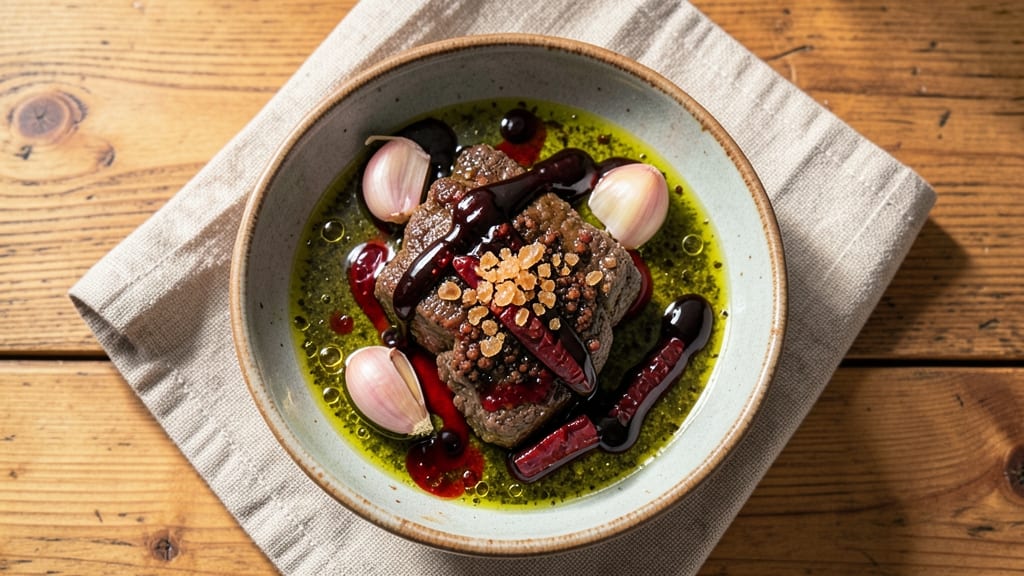
This Chili's steak marinade recipe delivers that signature smoky, garlicky, tangy flavor we all crave—without the restaurant price tag. I developed this after years of perfecting grill techniques, and it transforms even the simplest steak into something restaurant-quality.
The secret lies in balancing lime's bright acidity with smoky chipotle and rich garlic, creating a marinade that tenderizes while building bold flavor.
The beauty of this marinade is its versatility—it works for 2–12 hours, so you can prep ahead for stress-free grilling. Just combine oil, lime juice, garlic, and spices in a bowl, then let the magic happen.
No fancy equipment needed, just a bowl and patience (though I’ve tested it even with 30 minutes for quick weeknight meals). The result? Steak that’s juicy, flavorful, and packed with that familiar Chili’s tang.
What makes this marinade special is how it enhances every bite—crispy grill marks, tender meat, and layers of smoky-sweet garlic-lime flavor that stick to your ribs.
It’s the kind of sauce that makes grilling feel like a celebration, not just dinner prep. Once you try this, you’ll never buy store-bought marinade again.
Use it on ribeye, sirloin, or even chicken—just adjust marinating time based on cut. The flavors only get better the longer it sits, so plan ahead for maximum impact. Let’s get marinating!
Ingredients for chili's steak marinade
Nine simple ingredients, one restaurant-worthy marinade. No shortcuts needed.
| Ingredient | Amount | Notes |
|---|---|---|
| Extra-Virgin Olive Oil 🫒 | ½ cup | High-quality, fruity variety |
| Fresh Lime Juice 🍋 | ½ cup | Freshly squeezed, no pulp |
| Garlic Cloves 🧄 | 6 cloves | Fresh, peeled, minced finely |
| Smoked Chipotle Peppers in Adobo 🌶️ | 2 tbsp | Minced, from canned adobo sauce |
| Worcestershire Sauce 🍶 | 2 tbsp | Full-bodied, not reduced |
| Brown Sugar 🍯 | 2 tbsp | Light or dark, packed |
| Diamond Crystal Kosher Salt 🧂 | 1 ½ tsp | Fine grain preferred |
| Freshly Ground Black Pepper 🌶️ | 1 tsp | Coarsely ground |
| Ground Cumin 🌿 | 1 tsp | Toasted for depth |
| Dried Oregano 🍃 | 1 tsp | Mexican oregano preferred |
The chipotle peppers in adobo are the secret weapon—Penzeys or Mexican markets carry the best canned versions, but any good-quality adobo sauce works. Look for peppers that are slightly oily, not dry or crumbly. The fresh lime juice is non-negotiable; bottled juice lacks the bright acidity that cuts through the richness. I always double the lime juice recipe if I'm marinating for more than 6 hours, since it mellows over time. For the garlic, use fresh cloves—jarred minced garlic has a metallic aftertaste that ruins the delicate balance. Toast the cumin seeds in a dry pan for 30 seconds before grinding to deepen their flavor, though pre-ground works in a pinch.
No chipotle peppers? Smoked paprika at double the amount gets you close, though it lacks the heat. Substitute Worcestershire with soy sauce or tamari, but the umami depth will be slightly different. Brown sugar can be swapped for honey or maple syrup, though it’ll be less caramelized. If you’re avoiding sugar entirely, skip it or use a sugar-free alternative like stevia, but the marinade will be less tenderizing. For a tangier version, add 1 tbsp apple cider vinegar. The oregano? Mexican oregano (from Latin markets) has a distinct, slightly citrusy note that’s perfect here—regular oregano works but lacks that extra layer of complexity.
This marinade keeps for up to 1 week in the fridge, sealed tightly in a jar. Shake well before each use, as the spices settle. For long-term storage, freeze in ice cube trays—thaw and shake before using. The flavors actually improve after 24 hours, so plan ahead if you’re grilling for a crowd. Once you’ve used it, clean the bowl immediately—the garlic and lime juice leave a stubborn residue. I like to keep a dedicated marinade bowl just for this recipe, since the flavors are so potent. The marinade works on ribeye, sirloin, or even chicken thighs, though adjust marinating time based on cut—2 hours for quick sear, 12 hours for maximum tenderness.
Why You'll Love This Recipe
- Five-Ingredient Magic: I swear by this combo—just blend olive oil, lime, garlic, chipotle, and Worcestershire. No measuring cups, no fuss, just dump-and-go. My lazy Sundays just got a flavor upgrade.
- Smoky Zing: That chipotle in adobo? It’s the secret weapon—smoky, spicy, but balanced by the lime’s bright punch. My steaks come out with this perfect char and depth that tastes like a restaurant, not my kitchen.
- Marinade Hack: Use half the batch to baste while grilling, save the rest for post-cook drizzling or even tossing with roasted potatoes. I’ve marinated chicken, shrimp, and even tofu with it—every time, it’s a win.
- Budget Boost: A jar of adobo lasts forever, and Worcestershire stretches this marinade across multiple meals. I’ve fed a crowd for under $10 using this—no fancy ingredients, just smart flavor.
Step-by-step instructions for Chili's steak marinade
This smoky garlic-lime marinade transforms ordinary steaks into restaurant-quality masterpieces.
Combine the Wet Ingredients
In a medium mixing bowl, pour in the 0.5 cup extra-virgin olive oil and 0.5 cup fresh lime juice. The citrus will immediately begin to emulsify with the oil, creating a silky base. I always use freshly squeezed lime juice here—bottled juice lacks the bright acidity that cuts through the richness of the steak.
Next, add the 2 tablespoons Worcestershire sauce and 2 tablespoons brown sugar. The Worcestershire brings umami depth while the brown sugar adds a subtle caramelized sweetness that caramelizes beautifully during grilling. Whisk everything together until fully combined, creating a smooth, pale yellow mixture. This is your flavor foundation, so take your time here—proper emulsification ensures even flavor distribution later.
Incorporate the Aromatics and Spices
Add the 6 minced garlic cloves, 2 tablespoons minced smoked chipotle peppers in adobo, 1 teaspoon ground cumin, 1 teaspoon dried oregano, 1.5 teaspoons Diamond Crystal kosher salt, and 1 teaspoon freshly ground black pepper to the bowl. The garlic should be finely minced—almost paste-like—for maximum surface area contact with the meat.
Use a whisk to thoroughly combine all ingredients until you see no dry spots remaining. The mixture should be completely homogeneous, with the spices evenly distributed throughout the oil emulsion. Here's where the magic happens: the toasted cumin and Mexican oregano add earthy warmth, while the chipotle peppers introduce that signature smoky heat that makes this marinade so distinctive. Give it a taste at this stage—you should detect bright citrus, garlicky punch, and a subtle smokiness.
Rest and Marinate the Steak
Transfer the marinade to a resealable plastic bag or non-reactive glass container with a tight-fitting lid. Place your steak(s) in the bag, ensuring they're completely submerged in the marinade. I like to use a zip-top bag here—it creates a vacuum seal that helps the marinade penetrate deeply into the meat fibers.
Seal the bag and refrigerate for at least 4 hours, though I recommend marinating overnight for maximum flavor development. The acid in the lime juice will begin breaking down the meat fibers immediately, while the oil and spices work their way into the steak's surface. Don't exceed 24 hours of marinating—beyond that point, the acid can start to "cook" the meat's surface, making it mushy when grilled. When you're ready to cook, remove the steak from the marinade and let it sit at room temperature for 30 minutes before grilling to ensure even cooking.
Grill to Perfection
Heat your grill to high heat—you're looking for 450-500°F at the searing zone. Pat the steak dry with paper towels (this ensures maximum sear) and discard any excess marinade. The residual marinade on the steak will create a flavorful crust during grilling, but you don't want pools of marinade that could flare up on hot coals.
Grill the steak for 3-5 minutes per side for medium-rare (adjust time based on thickness), until you achieve beautiful crosshatch grill marks and an internal temperature of 130-135°F for medium-rare. Here's the thing about this marinade—it doesn't just flavor the meat, it actually helps create that perfect crust. The sugars in the marinade caramelize during grilling, forming a glossy, flavorful bark that seals in juices. Let the steak rest for 5-10 minutes before slicing against the grain for maximum tenderness.
Pro Tips For Making Chili'S Steak Marinade
- STRAIN THE ADOBO: The chipotle peppers in adobo sauce are packed with seeds and pulp that’ll turn your marinade gritty and bitter. After mincing the peppers, strain them through a fine-mesh sieve—no need to press hard, just let gravity do the work. I learned this the hard way when my first batch tasted like I’d swallowed a handful of sand.
- MINCE GARLIC FINE: This isn’t the time to be lazy with your garlic. Use the flat side of your knife to smash each clove first, then mince it into a paste—think tiny confetti, not rough chunks. The marinade needs that garlic to dissolve into the oil, not sit as a textural afterthought. (Yes, even if you’re impatient like me.)
- BALANCE THE LIME: Fresh lime juice is the bright star here, but too much can make the marinade taste sharp and one-dimensional. Start with 2 tablespoons, taste it, then adjust—you’re aiming for tangy, not sour. If it’s too aggressive, a pinch of salt or a splash of Worcestershire will round it out. (Your future self will thank you.)
- LET IT REST: Mix everything together, then walk away for at least 10 minutes before using. The flavors need time to marry, especially the smoky chipotle and the acidity of the lime. I skip this when I’m lazy, but the marinade always tastes noticeably better when I don’t. Trust the process.
Essential equipment for this recipe
Marinade Mixing Bowl
Start with a medium mixing bowl (8-10 inches wide) for combining ingredients—something with slightly sloped sides makes whisking easier. I use my stainless steel Cambro mixing bowl because it’s durable and non-reactive, but any food-grade plastic or glass bowl works.
Avoid aluminum if you’re marinating acidic ingredients for long periods, as it can react with the lime juice. For small batches, a small glass measuring cup (like Pyrex) works perfectly for prepping just enough marinade for one steak. 🫒
Whisk for Emulsification
A balloon whisk is your best friend here—it creates smooth emulsification between the oil and lime juice. I recommend a long-handled whisk (like the OXO Good Grips) for better control, especially when stirring in the spices.
If you don’t have a whisk, a fork or rubber spatula works in a pinch, though it’ll take more elbow grease. The goal is to break up the garlic and spices completely so they distribute evenly throughout the marinade. Pro tip: Whisk in a figure-eight motion for the smoothest texture.
Marinating Containers
For marinating, I swear by resealable zip-top bags (like Hefty Ultimate Freshness)—they create a vacuum seal that maximizes surface area contact. For larger cuts, use a glass baking dish with a tight lid (like CorningWare) or a non-reactive stainless steel container.
Avoid plastic containers with loose lids, as they let air in and dilute the marinade’s potency. If you’re marinating for overnight, a glass jar with a screw-top lid (like a mason jar) works well, though you’ll need to submerge the steak completely. 🌶️
Measuring Tools
Precision matters here, especially with spices and acids. Use a small liquid measuring cup (like Pyrex) for the olive oil and lime juice, and a set of measuring spoons (I love the OXO stainless steel set) for the Worcestershire, brown sugar, and spices.
For mincing garlic and chipotle peppers, a microplane or sharp chef’s knife is essential—finely minced garlic ensures even flavor distribution. A garlic press works too, but it can be messy. For the chipotle peppers, a small knife or fork works to mash them into the adobo sauce before measuring.
Grilling Essentials
You’ll need a high-quality grill thermometer (I use the Meater) to monitor those 450-500°F temperatures for the perfect sear. A long-handled spatula (like Victorinox) helps flip steaks without burning your hands, and tongs (I prefer KitchenCraft) give you better grip for searing.
For indoor grilling, a cast-iron skillet (like Lodge) works wonders—just preheat it over high heat for 5-10 minutes to mimic grill marks. Don’t forget paper towels for patting the steak dry before grilling—this ensures a crispy crust. 🔥
Optional Upgrades
For a pro touch, invest in a meat thermometer (like ThermoWorks Smoke) to check internal temps—130-135°F for medium-rare. A grill brush (stainless steel, not wire) keeps your grates clean for those perfect crosshatch marks.
If you’re marinating for longer than 4 hours, a small funnel helps transfer the marinade to storage containers without spills. And for leftovers, glass storage containers (like Rubbermaid) keep the marinade fresh for up to 1 week in the fridge.
The key is to keep everything non-reactive—no aluminum or cheap plastic that can leach flavors or react with acids.
Nutrition facts
Frequently asked questions
Can I use this marinade on chicken or fish instead of steak?
Yes! This marinade works beautifully on chicken thighs or breasts (marinate for 2-4 hours max) and even salmon fillets (use for 1-2 hours only). The lime and chipotle add a bright, smoky kick that pairs perfectly with white fish. Just reduce marinating time for delicate proteins to avoid over-acidification.
What's the best way to store leftover marinade?
Transfer any unused marinade to an airtight glass container and refrigerate for up to 1 week. For longer storage, freeze in ice cube trays—thaw and shake before using. Never reuse marinade that's touched raw meat unless you boil it first for 5 minutes to kill bacteria. The flavors actually improve after 24 hours in the fridge!
Can I make this marinade without chipotle peppers?
Swap the chipotle for 2 tablespoons smoked paprika plus ½ teaspoon cayenne pepper for heat. For a milder version, use 1 tablespoon each of smoked paprika and regular paprika. The smokiness will be less intense but still delicious. The Worcestershire and cumin will carry the depth of flavor.
Why did my steak turn out tough after marinating?
Over-marinating (beyond 24 hours) is the most common cause—acid breaks down meat fibers too much. Also, patting the steak dry before grilling is critical for a good sear. For thicker cuts, marinate 12-24 hours max, and always let the steak sit at room temperature for 30 minutes before cooking. The marinade should never exceed 50°F during marinating.
Can I use this marinade as a dry rub?
Not directly, but you can make a dry rub by mixing the spices (cumin, oregano, salt, pepper) with 1 tablespoon brown sugar and 1 teaspoon smoked paprika. Skip the wet ingredients—they won't work as a rub. This version works great for grilling or roasting without the acid tenderizing effect. Just coat the steak well and grill as usual.