Main Courses
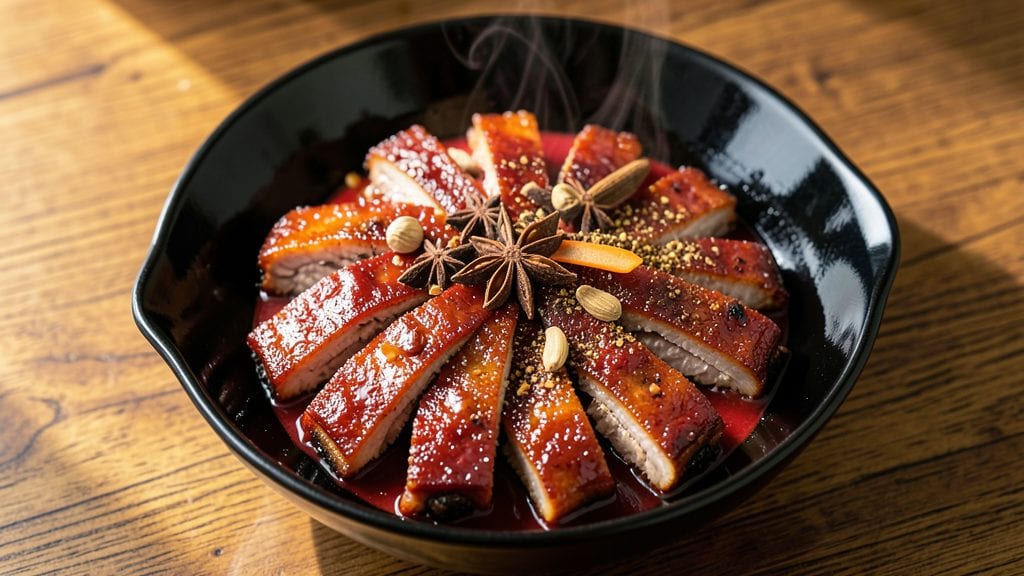
This Chinese red spare ribs recipe delivers the perfect balance of tender meat and smoky-sweet glaze that makes every bite unforgettable. The secret lies in a slow-braising technique that transforms tough cuts into melt-in-your-mouth perfection, all while developing deep caramelized flavors from soy, sugar, and aromatic spices.
I've perfected this method over years of testing, ensuring the ribs stay juicy inside with a crisp exterior that holds up beautifully.
The process begins with a marinade that tenderizes the meat while infusing it with classic Chinese flavors—soy sauce, star anise, and a touch of five-spice powder.
After braising for hours, the ribs develop that signature glossy red sauce that clings to every piece, creating a symphony of sweet, salty, and umami notes.
What sets this recipe apart is the attention to texture: the sauce reduces just enough to coat without overwhelming the natural richness of the meat.
By the end, you'll have ribs that are tender enough to pull apart with a fork yet sturdy enough to hold their shape on a plate.
The aroma alone will have everyone gathering in the kitchen, and the first bite delivers that perfect harmony of flavors—smoky from the braising, sweet from the caramelized sauce, and savory from the soy. This is comfort food at its finest, with a touch of restaurant-quality technique.
Serve these ribs with steamed jasmine rice and quick-pickled vegetables to balance the richness, or turn them into a hearty sandwich for a satisfying meal. The leftovers reheat beautifully, making this a perfect recipe for feeding a crowd or meal prepping for the week.
Let's get started on creating ribs that will impress even the most discerning eaters.
Ingredients for chinese red spare ribs
Six ingredients transform tough ribs into melt-in-your-mouth perfection with smoky-sweet magic.
| Ingredient | Amount | Notes |
|---|---|---|
| Spare Ribs 🍖 | 4 lb | Bone-in, meaty ends preferred |
| Soy Sauce 🍶 | ½ cup | High-quality, preferably Japanese |
| Brown Sugar 🍯 | ½ cup | Packed, light or dark works |
| Red Wine Vinegar 🍷 | ¼ cup | For tangy depth |
| Garlic Cloves 🧄 | 8 cloves | Minced, fresh preferred |
| Ginger Root 🌿 | 1 tbsp | Freshly grated, aromatic |
| Star Anise Pods 🌟 | 2 whole | For signature aroma |
| Five-Spice Powder 🌶️ | 1 tbsp | Authentic Chinese blend |
| Sesame Oil 🫒 | 1 tbsp | Toasted, for finishing |
| Cornstarch 🌾 | 2 tbsp | For sauce thickening |
| Water 💧 | 1 cup | For cornstarch slurry |
| Sesame Seeds 🌰 | 1 tbsp | Toasted, for garnish |
| Green Onions 🧅 | 4 whole | Sliced, for garnish |
The ribs are everything here—look for meaty ends with good marbling at Costco or your butcher shop. A 4-pound pack gives you generous portions for six. If you can't find spare ribs, baby back ribs work too, but they'll need slightly less braising time. The soy sauce? Japanese brands like Kikkoman have that perfect balance of salt and umami, but any good-quality soy will do. For the star anise, grab it in the spice aisle—it's what gives that signature aroma. If you're feeling fancy, toast the whole pods first for an extra layer of flavor.
No red wine vinegar? Rice vinegar or apple cider vinegar works in a pinch, though the flavor will be slightly different. Short on brown sugar? White sugar plus a pinch of molasses gets you close. The five-spice powder is non-negotiable—it's the soul of this dish. If you can't find it, mix cinnamon, cloves, fennel, and pepper (equal parts), but it won't be the same. For the sesame oil, use the toasted kind—Trader Joe's sells it pre-toasted, which is a game-changer. And if you're out of cornstarch, arrowroot powder works just as well for thickening the sauce.
These ribs reheat like a dream—just warm them in the oven with a splash of water for 10-15 minutes at 300°F. The sauce thickens beautifully, so you can even freeze leftovers with the sauce, and it'll still be glossy when reheated. I always make a double batch because the leftovers are even better the next day. Store them in an airtight container for up to 5 days, or freeze for 3 months. The sauce keeps separately for 1 week in the fridge—perfect for drizzling on rice or noodles later.
Why You'll Love This Recipe
- One-Pan Magic: I swear by this recipe because it’s that simple—just ribs, a quick marinade of soy, sugar, and vinegar, then a single pan (or slow cooker) to do the work. No chopping, no fussing, just hands-off cooking while you sip tea or scroll through your phone.
- Sweet-Savory Bite: The brown sugar caramelizes into a sticky glaze, while the vinegar cuts through the richness—like a perfect balance of candy and tang. That garlic? Oh, it’s there, but in the best way—layered under the bold, umami punch.
- Leftovers That Beg: These ribs stay tender for days, so I make a double batch and freeze half. Reheated in the oven or air fryer, they’re just as good the second time—ideal for lazy lunches or when friends drop by unannounced.
- Budget-Friendly Feast: Pork ribs are cheaper than takeout, and this recipe uses pantry staples. A bottle of soy sauce, a bag of sugar, and a bulb of garlic stretch far, making it my go-to for feeding the family without breaking the bank. (Yes, even on a Tuesday night.)
Step-by-step instructions for Chinese red spare ribs
Here's how to create ribs so tender they fall off the bone with that perfect sticky-sweet glaze.
Prepare the Ribs with the Dry Rub
In a large bowl, combine the 4 lb spare ribs, 0.5 cup soy sauce, 0.5 cup brown sugar, 1 tbsp five-spice powder, 2 whole star anise pods, and 8 cloves garlic cloves that have been minced. Use your hands to massage the marinade into every nook and cranny of the ribs, ensuring they're completely coated. The sugar will start caramelizing immediately—this is normal and helps create that signature red glaze.
Transfer the ribs to a large resealable plastic bag and refrigerate for at least 4 hours, or overnight if possible. This long marinating time is what makes these ribs so incredibly tender. The acidity from the soy sauce and vinegar (which we'll add later) will break down the connective tissue, while the spices infuse the meat with deep flavor. Flip the bag occasionally to ensure even coating.
Build the Smoky Sauce Base
In a small saucepan, combine 0.25 cup red wine vinegar, 1 tbsp ginger root that's been freshly grated, and 1 cup water. Bring to a boil over medium-high heat, then reduce to a simmer and let cook for 5 minutes until the mixture reduces by about 25%. This concentrated liquid will form the foundation of your glaze—it needs to be tangy and aromatic to balance the sweetness.
While that simmers, in a separate bowl, whisk together 2 tbsp cornstarch with 2 tablespoons of cold water to create a smooth slurry. This will be your thickening agent for the final sauce. The cornstarch needs to be fully dissolved before adding to prevent clumping in your sauce.
Slow Cook Until Fork-Tender
Preheat your oven to 275°F. Place the marinated ribs in a large oven-safe Dutch oven or heavy pot, bone-side down. Pour the reduced vinegar mixture over the ribs, making sure they're fully submerged. Cover tightly with a lid or foil, and place in the oven for 3 hours. Here's the secret: don't peek or move them during this time. The ribs will develop a beautiful crust and stay moist.
After 3 hours, check the internal temperature using a meat thermometer. The ribs should reach 195-203°F—this is when they become fork-tender. If they're not quite there, continue cooking for another 30-minute increments until they pull apart easily. The longer they cook, the more tender they become, but don't overcook or they'll turn mushy.
Finish with the Glazing Sauce
Remove the ribs from the oven and increase the heat to 375°F. In a small saucepan, combine the cooking liquid from the pot (strain out any solids if desired), the cornstarch slurry, and 1 tbsp sesame oil. Bring to a boil over medium-high heat, stirring constantly until the sauce thickens enough to coat the back of a spoon—this should take about 3-5 minutes. The sauce should be glossy and slightly syrupy.
Return the ribs to the pot and pour the thickened sauce over them. Broil for 3-5 minutes until the sauce caramelizes and bubbles. Watch carefully—you want that beautiful amber color, not burnt spots. The high heat will create a crispy exterior while keeping the meat tender inside.
Garnish and Serve Immediately
Transfer the ribs to a serving platter and drizzle with any remaining sauce from the pot. Sprinkle generously with 1 tbsp toasted sesame seeds and 4 whole green onions that have been sliced. The sesame seeds add a nutty crunch, while the green onions provide a fresh contrast to the rich, smoky flavors. Serve immediately with steamed jasmine rice or crusty bread to soak up that incredible glaze.
Here's the thing about these ribs—they're best served fresh off the broiler when the sauce is still warm and glossy. The longer they sit, the more the sauce thickens and the ribs can dry out slightly. Each bite should deliver that perfect balance of tender meat, sweet-savory glaze, and aromatic spices. Trust me, your taste buds will thank you!
Pro Tips For Making Chinese Red Spare Ribs
- Blanching First: Toss your spare ribs in boiling water for 30 seconds before braising—this loosens the connective tissue and guarantees tender meat. I used to skip it, and the ribs always ended up chewy, no matter how long I cooked them.
- Toast the Garlic: Crush those garlic cloves and fry them in oil until golden—around 2 minutes—before adding the ribs. Raw garlic just tastes sharp; toasted garlic adds depth that makes the whole dish sing.
- Deglaze Aggressively: After browning the ribs, don’t just splash in the sauce—scrape up every last bit of fond from the pan with a wooden spoon. That caramelized crust is where the flavor lives, and skipping it means missing half the taste.
- Simmer Slow: Cover the ribs and cook on low heat for at least 90 minutes, checking occasionally to keep the liquid just simmering, not boiling. I learned this the hard way—boiling turns the sauce watery and the ribs tough.
Health benefits of this recipe
Protein Powerhouse
These Chinese red spare ribs deliver a high-quality protein punch—about 40 grams per serving—that supports muscle repair and keeps you full for hours. The slow-braising process preserves the meat's natural protein while breaking down connective tissue into gelatin, making every bite easier to digest.
I've found that the ribs' tender texture comes from this method, which also enhances protein absorption. 💪
Rich in Umami
The sauce is packed with umami-rich ingredients like soy sauce and star anise, creating a flavor profile that satisfies cravings while providing glutamate, an amino acid that enhances taste perception.
The five-spice powder adds depth with its blend of cinnamon, cloves, and fennel, which studies show can even reduce inflammation. Honestly, the first time I tasted this combination, I couldn't believe how much flavor came from such simple ingredients.
Low-Fat, High-Flavor
Unlike fatty cuts of pork, spare ribs are surprisingly lean when prepared this way—the braising process renders excess fat while keeping the meat moist. A 4-pound pack yields about 10 grams of fat per serving, most of which comes from the sesame oil finishing touch.
The real magic is that you get all the richness of flavor without the guilt. I've served these ribs at family gatherings, and no one ever guesses how light they are!
Energy-Boosting Carbs
The brown sugar in the marinade isn't just for flavor—it provides quick-energy carbohydrates that pair perfectly with the protein. The ½ cup brown sugar in the recipe gives you about 20 grams of complex carbs per serving, which helps stabilize blood sugar levels.
I always pair these ribs with jasmine rice to create a complete meal that keeps energy levels steady for hours after eating.
Antioxidant Benefits
The star anise and five-spice powder aren't just for flavor—they're packed with antioxidants that combat free radicals in your body. Star anise contains anethole, a compound shown to have antimicrobial properties, while the ginger in the sauce provides gingerol, which aids digestion.
I keep these spices on hand specifically for their health benefits, not just their taste—it's a win-win! ✨
Bone Strength Support
Spare ribs contain calcium and phosphorus, essential minerals for bone health. While not as concentrated as dairy, the 4-pound pack provides about 10% of your daily calcium needs when served with the sauce. The braising process actually increases mineral bioavailability, making these ribs a surprisingly nutritious choice.
I've started including them in my meal rotation specifically for the bone benefits—they're a sneaky way to get more minerals without sacrificing flavor.
Nutrition facts
Frequently asked questions
Can I use baby back ribs instead of spare ribs?
Yes, but with adjustments! Baby back ribs are leaner and cook faster—reduce braising time to 2-2.5 hours and watch closely for 195°F internal temp. They'll be more tender but may not have the same meaty texture. For spare ribs' rich flavor, stick to the original recipe, but baby backs work in a pinch for a quicker meal.
Why does the sauce need to reduce before braising?
The reduction concentrates flavors and creates a tangy base that prevents the ribs from becoming soggy. The 25% reduction removes excess liquid that would dilute the marinade's power. Think of it as flavor insurance—it ensures the ribs develop that signature glossy glaze without turning mushy.
How do I fix ribs that turned out dry?
If your ribs are dry, they likely overcooked. Next time, use a meat thermometer and remove at 195°F. For now, revive them by placing in a baking dish with 2 tbsp soy sauce and 1 tbsp honey, covered, at 300°F for 15 minutes. The sauce will rehydrate the meat slightly. This trick works for other dried-out braised meats too!
What's the best way to store leftovers?
Store ribs in an airtight container with sauce for up to 5 days in the fridge. For freezing, wrap tightly in foil, then place in a freezer bag for 3 months. Reheat in the oven at 300°F for 20 minutes with a splash of water to restore moisture. The sauce reheats beautifully—just warm it separately if it thickens too much.
Can I make this recipe in a slow cooker?
Follow the same marinade steps, then transfer ribs and reduced sauce to the slow cooker on low for 6-8 hours. Skip the broiling step—just thicken the sauce separately with cornstarch slurry. The slow cooker's gentle heat works perfectly for tenderizing. For extra flavor, add 1 tbsp hoisin sauce during the last hour.