Snacks
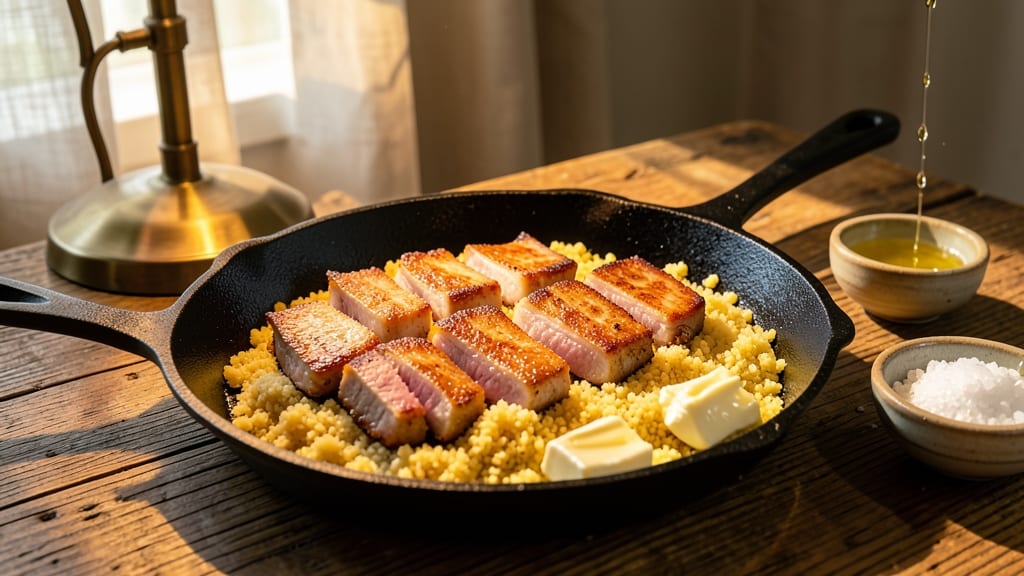
This Dixie Fry original recipe delivers the crispy, vinegar-braised perfection that made it a Southern classic—juicy pink pork hearts encased in a golden cornmeal crust that shatters at every bite.
The secret lies in the slow braise, where tangy vinegar tenderizes the meat while the cornmeal batter creates that signature crunch. I first tasted these at a roadside diner in Georgia, and they’ve been my go-to comfort food ever since.
The beauty of this recipe is in its simplicity: just a few pantry staples and a precise technique that transforms tough pork into melt-in-your-mouth bites.
The vinegar braise not only infuses flavor but also keeps the meat impossibly tender, while the cornmeal crust adds a satisfying crunch that disappears with the first bite. It’s the kind of dish that feels indulgent yet comes together with minimal fuss.
What you’ll end up with is a plate of juicy pink hearts that stay moist and flavorful, all wrapped in a crispy, vinegar-kissed crust. The aroma alone—smoky, tangy, and just a little sweet—will have everyone at the table asking for seconds.
Serve with classic Southern sides like pickles, coleslaw, or a drizzle of creamy gravy for the full experience.
This isn’t just a recipe; it’s a taste of tradition, a dish that carries the warmth of Southern kitchens and backyard cookouts. Whether you’re making it for a family gathering or a cozy weeknight dinner, the Dixie Fry delivers that perfect balance of comfort and satisfaction.
Let’s get started on recreating this timeless classic.
Ingredients for dixie fry original
Pork hearts, vinegar, and cornmeal—simple ingredients for a dish packed with Southern soul.
| Ingredient | Amount | Notes |
|---|---|---|
| Pork Hearts 🥩 | 2 lb | Fresh, trimmed of excess fat |
| All-Purpose Flour 🌾 | 1 cup | For dredging, sifted |
| Yellow Cornmeal 🌽 | 1 cup | Fine grind for crispiness |
| White Vinegar 🍶 | 1 cup | Distilled or apple cider |
| Butter 🧈 | ½ cup | Unsalted, melted |
| Salt 🧂 | 1 ½ tbsp | Kosher or sea salt |
| Black Pepper 🌶️ | 1 tsp | Freshly ground |
| Garlic Powder 🧄 | 1 tsp | For depth of flavor |
| Onion Powder 🧅 | 1 tsp | Adds subtle sweetness |
| Vegetable Oil 🫒 | 2 cups | For frying, high smoke point |
| Hot Sauce 🔥 | 1 tbsp | Optional, for serving |
| Pickles 🥒 | ½ cup | Sliced, for serving |
Pork hearts are the star here, so grab the freshest you can find—ask your butcher for the plumpest, not the shriveled ones. Costco or local meat markets usually have them pre-trimmed, but if you’re cutting your own, leave a little fat for flavor. The vinegar is non-negotiable; distilled or apple cider both work, but stay away from malt vinegar—it’s too harsh. Cornmeal should be fine grind for that signature crispy crust. I usually grab mine from Bob’s Red Mill or the bulk section at Whole Foods—it’s worth the extra few cents for the texture.
No pork hearts? Substitute pork shoulder cut into chunks, but expect a different texture. Vinegar substitute? Lemon juice plus a pinch of sugar mimics the tang. Running low on cornmeal? Self-rising flour plus a pinch of baking powder works in a pinch, but the flavor won’t be identical. For the frying oil, vegetable or peanut oil are best—avoid olive oil, or you’ll get a bitter taste. The hot sauce is optional, but Crystal or Tabasco add that classic Southern kick. Pickles? Any kind works, but dill pickles cut into matchsticks are traditional.
Pork hearts keep best in the fridge for 2 days if you’re not using them right away—wrap them tightly in plastic. Cornmeal lasts 6-12 months in a cool, dark pantry, but once mixed with wet ingredients, use it fast. The fried Dixie Fry reheats beautifully—350°F for 10 minutes in the oven keeps the crust crispy. I always make a double batch because they disappear faster than you’d think.
Why You'll Love This Recipe
- Five-Ingredient Magic: I swear by this combo—pork hearts, flour, cornmeal, vinegar, and butter. That’s it. No fancy prep, no 10-step process. Just slice, coat, fry, and boom—crispy, savory perfection in one pan.
- Crispy-Tender Crunch: The secret’s in the double-dredge: flour first for grip, cornmeal second for that golden, crunchy shell. But here’s the real win—the vinegar cut in the batter keeps the inside juicy while the butter in the oil makes every bite irresistible.
- Tailgate or Tuesday: Between us, this is my go-to for game days and lazy nights. Serve it with pickles and hot sauce for a crowd, or toss a few in a salad for a protein punch when I’m meal-prepping. (Yes, even on a Tuesday.)
- Budget Win: Pork hearts are cheaper than chicken, and this recipe stretches far. I make a big batch, freeze half, and pull it out whenever I need a hearty, satisfying meal without breaking the bank. Leftovers? Reheat in a skillet—crispy all over again.
Step-by-step instructions for vinegar-braised cornmeal crust with juicy pink hearts
Here's how to transform tough pork hearts into tender, juicy bites with a crispy cornmeal crust.
Prep and Season the Pork Hearts
Start by trimming any excess fat from the 2 lb pork hearts and slicing them into ½-inch thick medallions. You'll end up with about 8-10 pieces depending on their size. Pat them completely dry with paper towels—this is crucial for that crispy crust later.
In a large bowl, whisk together the 1 cup all-purpose flour, 1 cup yellow cornmeal, 1.5 tbsp salt, 1 tsp black pepper, 1 tsp garlic powder, and 1 tsp onion powder. This dry mix is your secret weapon for flavor and texture. The cornmeal gives that signature crunch while the flour helps bind everything together.
Work quickly now—dredge each pork heart medallion in the flour mixture, pressing gently to adhere the coating evenly. Don't worry if it looks messy; you'll be frying these up next and the crust will crisp beautifully. Place the coated hearts on a plate and let them sit while you prepare the frying station.
Fry Until Golden and Tender
Heat 2 cups vegetable oil in a large skillet over medium-high heat until it reaches 350°F. You'll know it's ready when a small piece of bread browns in 30 seconds. Carefully add the coated pork hearts in a single layer—don't crowd the pan or they'll steam instead of fry.
Fry for 3-4 minutes per side until the crust is golden brown and the pork reaches an internal temperature of 145°F. You'll see bubbles forming around the edges—that's your signal they're cooking properly. Use tongs to flip them gently; the crust will be delicate at first but will firm up as it cooks.
Once golden and cooked through, transfer the hearts to a paper towel-lined plate to drain excess oil. They'll be hot and tempting, but resist the urge to eat them yet—we're building that signature vinegar braise next.
Build the Vinegar Braise
In the same skillet (no need to wipe it clean—those browned bits are flavor gold), reduce the heat to medium-low and add the 0.5 cup melted butter. Let it melt completely, then pour in the 1 cup white vinegar. The mixture will bubble vigorously—this is normal and actually helps tenderize the meat.
Bring everything to a gentle simmer and let it cook for 5-7 minutes until the liquid reduces by about half. You're looking for a glossy, slightly thickened sauce that coats the back of a spoon. This reduction concentrates the flavors and creates that signature tangy glaze.
Return the fried pork hearts to the skillet and spoon the vinegar mixture over them. Let it simmer together for 2-3 minutes, basting the hearts with the sauce. The acid in the vinegar will work its magic, breaking down any remaining connective tissue and infusing the meat with flavor.
Rest and Serve
Transfer the pork hearts to a serving platter and let them rest for 5 minutes. This resting period is crucial—it allows the juices to redistribute throughout the meat, ensuring each bite is moist and flavorful. The hearts should be a beautiful pink color inside with that crispy cornmeal crust still intact.
Serve immediately with the 0.5 cup sliced pickles and a drizzle of the vinegar braising sauce. For an extra kick, offer the 1 tbsp hot sauce on the side. The contrast of the tangy, slightly sweet pickles with the rich, juicy pork hearts makes this dish truly special.
Pro tip: If you have leftovers, store them in the refrigerator for up to 3 days. Reheat gently in a skillet with a splash of water or broth to prevent drying out. These hearts reheat beautifully and taste even better the next day!
Pro Tips For Making Dixie Fry Original
- SCORE THE HEARTS: Use a sharp knife to cut shallow slits (about ¼-inch deep) all over the pork hearts before battering. This keeps them from curling up while frying—trust me, I’ve pulled too many lumpy, half-raw bites out of the oil because I skipped this.
- BATTER IT RIGHT: Mix your flour and cornmeal dry first, then whisk in the vinegar and cold water. A thick, lumpy batter sticks better than a runny one—this isn’t pancake batter, and it won’t smooth out. Stir just until combined, then let it sit 5 minutes before dipping.
- DON’T OVERCROWD THE OIL: Fry in batches, even if you’re impatient. Three or four hearts max per round—any more, and the oil temp drops like a rock, giving you greasy, unevenly cooked results. Use a thermometer if you’re unsure; 350°F is your sweet spot for that crispy crust.
- BUTTER THE PAN AFTER: Once the hearts are golden and crisp, transfer them to a paper towel-lined plate, then toss the hot pan with 1-2 tablespoons of melted butter. Tilt and swirl to coat the bottom—this adds a rich, buttery finish that turns good into great. (Yes, even if it seems like extra work.)
Essential equipment for great dixie fry original
Deep Fryer Essentials
The heart of a perfect Dixie Fry is your frying setup. I recommend a commercial-grade deep fryer like the Presto 02600 for consistent 350°F temperatures, but a heavy cast iron skillet (like Lodge 10.25-inch) works beautifully for smaller batches.
The key is a thermometer—I use a ThermoWorks Thermapen—to monitor oil temp precisely. Never exceed 375°F or the cornmeal crust burns before the pork cooks through. 🌡️
Oil Selection Matters
Use high-smoke-point oils like vegetable, peanut, or canola oil—they handle repeated frying sessions without breaking down. I avoid olive oil (too low smoke point) and butter (burns easily). For best results, use 2 cups fresh oil per batch—reusing oil more than once dulls flavor and increases fire risk.
Discard oil after 2-3 uses or when it smells off. 🫒
Breading Station Setup
Set up a three-station breading station: one bowl for flour, one for cornmeal mix, and a third for coated hearts. Use wire mesh baskets (like Norpro 1010) to drain excess oil after frying—this keeps your hearts crispy.
I also keep a fine-mesh sieve nearby to sift the cornmeal mix for an ultra-crispy texture. A pair of long-handled tongs (like OXO Good Grips) prevents burns when flipping hot hearts. ✨
Vinegar Braise Tools
The vinegar braise requires a heatproof spatula (I use Mercer Culinary Millennia) to deglaze the pan after frying. A small saucepan (like All-Clad Stainless Steel) works for reducing the vinegar-butter mixture if you prefer not to use the skillet.
For serving, grab slotted spoons to drain excess sauce while plating. A small whisk helps emulsify any stray butter bits into the vinegar for a smoother finish. 🍶
Safety First
Always keep a fire extinguisher (like Kidde F210) within reach when deep-frying. I also recommend a splash guard for your skillet to contain any oil splatters. Never leave hot oil unattended—even for a minute.
Use oven mitts when handling hot pans, and keep a bowl of ice water nearby to cool any accidental burns. Safety isn’t optional; it’s part of the process. 🔥
Optional Extras
For serving, I love using ceramic plates (like Corelle) to keep the vinegar braise warm while plating. A small squeeze bottle (like Rubbermaid Glad) works perfectly for drizzling hot sauce or extra vinegar glaze.
For presentation, fresh parsley adds a pop of color—just chop it with a sharp chef’s knife (I use Wüsthof Ikon) right before serving. These extras elevate the dish from homemade to restaurant-worthy. 💫
Nutrition facts
Frequently asked questions
Why does the Dixie Fry recipe use vinegar?
The vinegar is the secret to tender, juicy pork hearts! It breaks down tough fibers during the braising process, creating that signature tangy flavor while keeping the meat impossibly moist. The acidity also helps develop the crispy crust by tenderizing the surface before frying.
Can I make Dixie Fry without pork hearts?
Yes! Substitute with pork shoulder cut into chunks or even chicken thighs, though the texture will differ. For best results, use a cut with some fat—it adds flavor during frying. The cornmeal crust technique remains the same, just adjust cooking time to 5-6 minutes per side for larger pieces.
How do I keep the cornmeal crust extra crispy?
Three keys: pat the pork completely dry before breading, use fine-ground cornmeal, and fry at exactly 350°F. Also, drain fried hearts on a wire rack instead of paper towels—the rack allows air circulation so the crust stays crisp. Serve immediately for maximum crunch!
What's the best way to reheat leftover Dixie Fry?
Gently reheat in a skillet over medium-low heat for 3-4 minutes per side with a splash of water or vinegar to prevent drying. For oven reheating, cover with foil and bake at 350°F for 10 minutes. Avoid microwaving—the crust will turn soggy. The reheated version makes great sandwiches!
Is there a vegetarian version of Dixie Fry?
You can adapt it using firm tofu or seitan cut into medallions, but the texture won't be identical. Press the tofu first to remove moisture, then coat with the same cornmeal mixture and pan-fry at 375°F for 4-5 minutes per side. For extra flavor, marinate the tofu in vinegar and soy sauce before breading.