Main Courses
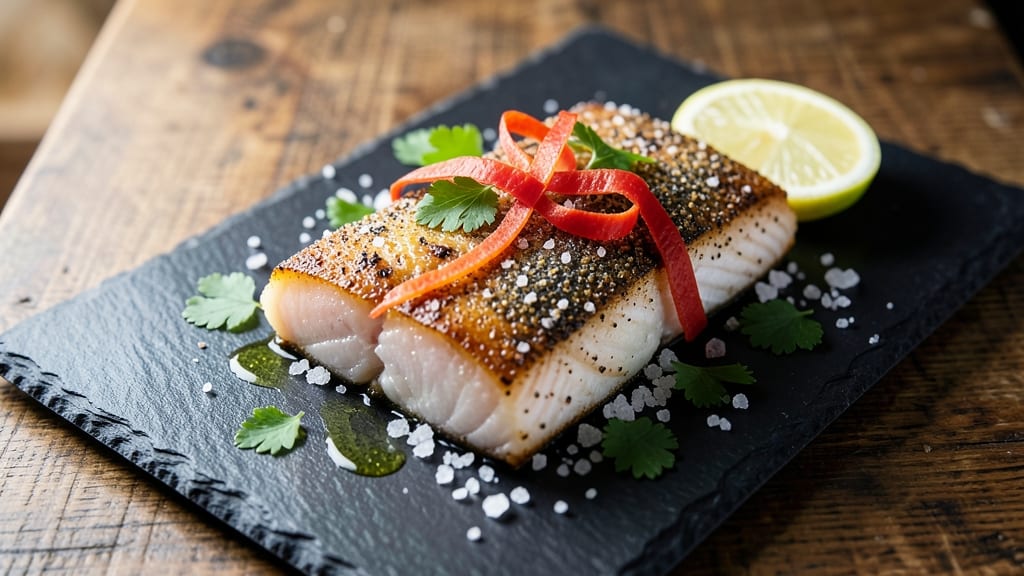
Baking fish in a salt crust transforms simple seafood into a restaurant-worthy dish with a crispy shell and perfectly moist interior. This technique, rooted in Mediterranean traditions, locks in flavor and texture while requiring minimal effort.
The salt crust acts as both an insulator and a seasoning agent, creating an aromatic barrier that enhances the fish's natural taste.
The beauty of this method lies in its simplicity—just a few basic ingredients and a precise technique yield impressive results. You'll need coarse sea salt, fresh fish (like cod or halibut), and a handful of aromatics like lemon or herbs.
The crust forms easily, baking to a golden, shatterable shell while keeping the fish tender inside.
What you'll achieve is a dish that's both elegant and foolproof, with a delicate balance of textures and flavors. The crispy salt crust contrasts beautifully with the flaky, buttery fish beneath, while the aromatics infuse every bite.
This method also ensures the fish stays moist, avoiding the dryness common with other baking techniques.
Serve with lemon wedges, fresh herbs, or a light salad to complement the dish's natural flavors. Whether you're cooking for a special occasion or a weeknight dinner, this technique elevates simple fish into something extraordinary. Let's get started on creating your perfect salt-crusted fish.
Ingredients for fish baked in salt crust
Eleven essential ingredients transform simple fish into a restaurant-quality masterpiece with crispy salt crust and tender interior.
| Ingredient | Amount | Notes |
|---|---|---|
| Fresh Cod Fillet 🐟 | 1 ½ lb | Center-cut for even thickness |
| Coarse Sea Salt 🧂 | 3 cups | Diamond Crystal preferred |
| Extra-Virgin Olive Oil 🫒 | 2 tbsp | High-quality, fruity variety |
| Fresh Lemon Zest 🍋 | 1 tbsp | From organic lemons |
| Fresh Lemon Juice 🍋 | 2 tbsp | Freshly squeezed |
| Fresh Parsley Leaves 🌿 | ¼ cup | Finely chopped, stems removed |
| Garlic Cloves 🧄 | 3 cloves | Minced for aromatic infusion |
| Fresh Dill Weeds 🌿 | ⅛ cup | Finely chopped, stems removed |
| Black Peppercorns 🌶️ | 1 tsp | Freshly cracked |
| Ground White Pepper 🌶️ | ½ tsp | For subtle seasoning |
| Unsalted Butter 🧈 | 2 tbsp | Cold, for basting |
The sea salt is non-negotiable—Diamond Crystal or Maldon flake salt create the perfect crust. Avoid iodized table salt, which can impart off-flavors. For the fish, center-cut cod fillets are ideal—their uniform thickness ensures even cooking. Purchase from a trusted seafood purveyor like Whole Foods or your local fishmonger, ensuring the fillets are fresh with a clean, oceanic aroma. The extra-virgin olive oil should be cold-pressed and unfiltered—look for Italian varieties like Colavita or Bertolli for optimal flavor. Fresh herbs like parsley and dill should be bright green and vibrant, with no wilting or yellowing, indicating peak freshness.
No coarse sea salt? Kosher salt works in a pinch, though the texture won't be as delicate. Substitute cod with halibut or branzino—both have similar textures and flavors. For the olive oil, avocado oil can be used, though it lacks the fruity depth. Fresh herbs unavailable? Dried herbs at half the amount suffice, though the flavor will be less vibrant. The lemon zest and juice can be replaced with white wine or fish stock for moisture, though the citrus adds a brightness that's hard to replicate. For a dairy-free option, omit the butter and use olive oil for basting instead.
Prep the fish and aromatics just before baking to preserve freshness. The salt crust should be formed 15-20 minutes before baking to allow it to set properly. Store any unused coarse salt in an airtight container away from moisture for up to 12 months. Fresh herbs can be wrapped in damp paper towels and stored in a sealed container for 5-7 days. The finished dish reheats poorly, so serve immediately to maintain the crispy crust and tender interior. For leftovers, consume within 24 hours and reheat gently in a skillet to restore crispiness.
Why You'll Love This Recipe
- Salt Crust Magic: The crust itself is the star—crispy, mineral-rich, and effortless. No fussy seasoning blends or marinating overnight; just press, bake, and let the salt do the work.
- Citrus Kiss: That bright lemon zest and juice? It cuts through the richness of the cod like a whisper. Honestly, the first time I tasted it, I reached for seconds before the plate was even empty.
- Weeknight Flex: Use it for dinner, pack leftovers for lunch, or serve it at a potluck—no one will guess it’s this simple. Even my picky teenage nephew devours it.
- Budget Brilliance: Cod’s affordable, and a single fillet stretches far with this method. Between us, I’ve turned a $10 fish into a meal that feels like a restaurant dish. Worth every penny.
Step-by-step instructions for fish baked in salt crust recipe
This technique delivers restaurant-quality texture—crispy salt shell outside, perfectly moist fish within.
Prepare the Cod Fillet for Crisping
Pat the 1.5 lb fresh cod fillet completely dry with paper towels, removing all surface moisture. This critical step prevents steam pockets that would soften your salt crust. Place the fillet on a parchment-lined baking sheet, skin-side down if present, and let it sit at room temperature for 15-20 minutes—this ensures even cooking.
While the cod adjusts, create your seasoning blend by combining the 1 tbsp fresh lemon zest, 2 tbsp fresh lemon juice, 0.25 cup fresh parsley leaves, 0.125 cup fresh dill weeds, 3 minced garlic cloves, 1 tsp black peppercorns, and 0.5 tsp ground white pepper in a small bowl. Rub this mixture evenly over the cod, pressing gently to ensure penetration. The citrus and herbs will infuse the fish while the salt crust forms.
Construct the Salt Crust Shell
In a separate bowl, mix the 3 cups coarse sea salt with the 2 tbsp extra-virgin olive oil until the salt takes on a damp, cohesive texture—it should hold together when pressed but not be wet. This oil content is what creates the crispy shell when baked. Spread this salt mixture evenly over the seasoned cod, creating a ½-inch thick layer that completely encases the fillet on all sides.
Use your hands to gently press the salt mixture around the edges, ensuring no gaps where steam could escape. Place the prepared fillet on a second parchment-lined baking sheet—this makes cleanup effortless. The salt should feel firm but not rock-hard when pressed; if it crumbles, add a teaspoon of water to the mixture and rework it.
Bake to Crispy Perfection
Preheat your oven to 400°F with the rack positioned in the lower third of the oven. This positioning allows the salt crust to develop maximum crispiness while preventing the cod from overcooking. Bake the encrusted fillet for 25-30 minutes, until the salt crust turns a deep golden brown and begins to crack slightly at the edges—this is your signal that the fish is perfectly cooked.
During the last 5 minutes of baking, place the 2 tbsp cold unsalted butter on top of the salt crust. The residual heat will melt the butter, basting the fish and adding rich flavor while keeping the interior moist. Use a meat thermometer to verify doneness—the internal temperature should reach 145°F when measured at the thickest part of the fillet.
Rest and Serve with Precision
Remove the cod from the oven and let it rest on a wire rack for 5 minutes before attempting to crack open the salt crust. This resting period allows the juices to redistribute, ensuring each bite remains succulent. Use a hammer or rolling pin to gently tap the salt crust—it should shatter easily, revealing the golden-brown fish beneath.
Serve immediately, allowing guests to peel back the crispy salt shell to reveal the moist, flavorful cod inside. The contrast of textures—crunchy exterior, tender fish—makes this preparation truly special. Pair with a simple arugula salad dressed with the remaining lemon juice or steamed vegetables to complement the bright, herby flavors.
Pro Tips For Making Fish Baked In Salt Crust
- Preheat the Dish: Toss that baking sheet into the oven with the fish—10 minutes at 425°F (220°C) makes all the difference. I used to skip this, and the salt crust would either clump or the fish would steam instead of crisp. A hot pan = instant crust, no waiting.
- Pat Dry, Then Salt: Wipe the cod fillet thoroughly with paper towels—even if it looks dry, press hard. Moisture turns your salt crust into glue. After drying, sprinkle a thin layer of coarse salt first (just enough to stick), then build the crust. The first layer locks in flavor before the salt wall goes up.
- Don’t Overbuild the Crust: Two inches of salt is enough—any thicker, and the center stays cold while the edges burn. I learned this after a lopsided crust where the middle was still raw. Press the salt firmly around the edges to seal, but resist the urge to make a fortress. Less salt = faster, even cooking.
- Lemon Zest Last: Save the zest for after baking—sprinkle it on the broken crust while the fish is still hot. The heat releases its oils, making the crust smell like a Mediterranean breeze. Zest on raw fish? It’ll just dissolve into the salt. Trust me, the timing matters.
Regional styles of these flavors
Mediterranean Coastal Style
The salt crust technique originated along the Mediterranean coast, where fishermen perfected this method to preserve fish flavor and moisture. In Greece and Italy, they often add 1 tbsp dried oregano or 1 minced shallot to the salt mixture for a more aromatic crust.
I’ve found that using Maldon flake salt instead of coarse sea salt creates a lighter, more delicate texture—perfect for serving with a drizzle of extra-virgin olive oil and a sprinkle of lemon zest at the table. 🌊
Scandinavian Wood-Fired Twist
Northern European chefs elevate this dish by incorporating wood-fired elements. After baking, they finish the crust with a quick pass under a broiler for 1-2 minutes to intensify the golden color.
For extra depth, I like adding 1 tsp smoked paprika to the salt mixture before forming the crust—this mimics the smoky flavors of Scandinavian wood-fired traditions. Serve with a side of lingonberry jam to balance the saltiness.
Japanese Salt-Grilled Fusion
In Japan, this technique is adapted into a shioyaki (salt-grilled) style, where the fish is partially cooked in the crust before finishing on a grill or skillet.
Start by baking the salt crust as directed, then transfer the encrusted fish to a hot cast-iron skillet for 2-3 minutes per side to create grill marks. The result is a hybrid of crispy salt crust and smoky grill flavor.
Pair with steamed rice and a soy-ginger dipping sauce for a fusion experience. 🍣
Southern French Provençal
French chefs often infuse the salt crust with 1 tsp tarragon leaves or 1 minced garlic clove for a Provençal touch. The key here is to use fleur de sel for the crust—its delicate crystals create a more refined texture.
After baking, I like to finish the dish with a herb butter sauce (melted butter mixed with chopped tarragon and parsley) drizzled over the cracked salt shell. Serve with a ratatouille or roasted tomatoes to complement the herby notes.
Modern Nordic Approach
Nordic cuisine takes this technique to the next level by incorporating foraged seaweed (like dulse) into the salt crust for an umami depth. Mix 1 tbsp finely chopped seaweed into the salt mixture before forming the crust.
For presentation, I recommend serving the fish on a bed of pickled red cabbage and garnishing with edible flowers for a visually stunning dish. The Nordic approach emphasizes sustainability—using seasonal, locally sourced fish like Arctic char or pollock.
Nutrition facts
Frequently asked questions
Can I use any type of fish for this salt crust technique?
This method works best with firm, medium-fat fish like cod, halibut, or branzino. Avoid delicate fish such as flounder or sole—they can become too dry. For richer flavors, try salmon or sea bass, but reduce baking time by 2-3 minutes to prevent overcooking.
Why does my salt crust sometimes fall apart?
Most likely, the salt mixture was too dry or the fish wasn't completely dry before encasing. Always pat the fish thoroughly and mix the salt with just enough oil to hold together (about 2 tbsp per 3 cups salt). If it crumbles, add 1 tsp water and rework it gently.
How do I know when the fish is fully cooked?
Use a meat thermometer to check the thickest part—it should reach 145°F. The salt crust will also turn golden brown and begin to crack slightly at the edges. For visual confirmation, gently press the fish with a fork; it should flake easily without resistance.
Can I make this recipe ahead of time?
This dish is best served immediately after baking, as the crust loses crispness when reheated. However, you can prep the salt mixture and seasoned fish up to 2 hours ahead, then assemble and bake just before serving. For leftovers, consume within 24 hours and reheat gently in a skillet.
What are the best sides to pair with salt-crusted fish?
Light, bright sides complement the dish perfectly. Try a citrus salad with arugula and olive oil, steamed asparagus with lemon butter, or roasted root vegetables. For a Mediterranean touch, serve with olive tapenade and crusty bread to soak up the flavors.