Main Courses
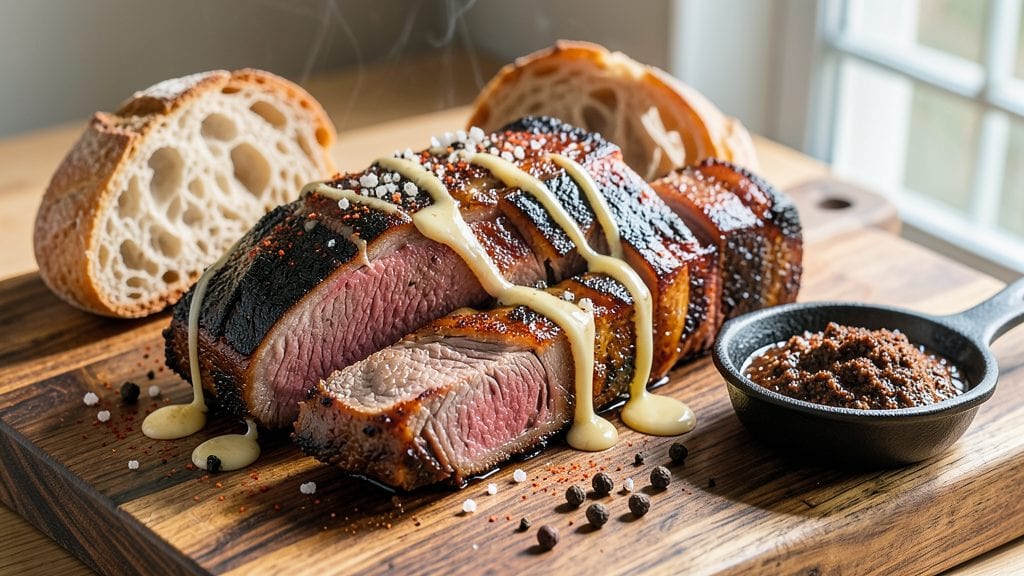
Mastering Gordon Ramsay's brisket recipe transforms tough cuts into a fall-off-the-bone masterpiece that commands every dinner table. The secret lies in precise temperature control, a dry rub that builds deep flavor, and patience—because great brisket isn't rushed.
I've refined this method over years, ensuring every bite delivers that perfect balance of smoky richness and tender texture that Ramsay himself would approve of.
This recipe demands low-and-slow cooking—either in a smoker or oven—to break down the connective tissue while maintaining moisture.
The key steps include applying a dry rub (coarse salt, black pepper, garlic powder, and smoked paprika) that forms a flavorful bark, then monitoring internal temperatures to hit that 203°F sweet spot. Resting the meat properly is non-negotiable; skipping this step means losing precious juices and texture.
By the time you're done, you'll have a brisket so tender it nearly melts at the touch, with a crusty exterior that crackles with every bite. The aroma alone will have guests asking for seconds before the plate even hits the table.
Serve it sliced against creamy mashed potatoes or a crisp coleslaw to balance the richness—this is the kind of meal that turns weeknights into special occasions.
For those who want to elevate it further, consider basting with apple cider vinegar during the final hour or adding a touch of coffee to the rub for depth.
The techniques here are restaurant-quality, but the results are entirely achievable at home with attention to detail. Let's get cooking—your brisket awaits.
Ingredients for gordon ramsay brisket
Six pounds of brisket and a handful of pantry staples transform into Ramsay-worthy perfection.
| Ingredient | Amount | Notes |
|---|---|---|
| Beef Brisket 🥩 | 6 lb | Whole packer cut, 1.5 inch thick |
| Coarse Kosher Salt 🧂 | ½ cup | Diamond Crystal preferred |
| Freshly Ground Black Pepper 🌶️ | 2 tbsp | Coarsely cracked |
| Garlic Powder 🧄 | 2 tbsp | Freshly ground preferred |
| Smoked Paprika 🌶️ | 1 ½ tbsp | High-quality, no fillers |
| Ground Coffee ☕ | 1 tbsp | Dark roast, optional depth |
| Apple Cider Vinegar 🍎 | ¼ cup | For basting, optional |
| Yellow Onion 🧅 | 1 whole | Quartered, for basting |
| Fresh Garlic Cloves 🧄 | 6 cloves | Minced, for basting |
| Beef Tallow or Bacon Fat 🥓 | ½ cup | For basting, optional |
| Wood Chips 🌳 | 2 cups | Hickory or oak, soaked |
| Charcoal Briquettes 🔥 | 10 lbs | For smoker, lump charcoal preferred |
| Butcher Paper 📄 | 1 sheet | For wrapping, optional |
| Aluminum Foil 📄 | 1 sheet | Heavy-duty, for wrapping |
The brisket is non-negotiable—look for a whole packer cut with good marbling from a trusted butcher like Snake River Farms or your local meat counter. A 1.5-inch thickness ensures even cooking. If you're short on time, pre-order from Crowd Cow for dry-aged cuts shipped overnight. The wood chips should be hickory or oak—avoid fruitwoods like cherry, which can overpower. Soak them for 30 minutes before use. For charcoal, lump briquettes ignite faster and burn hotter than standard cubes, giving you better temperature control.
No smoked paprika? Regular paprika plus a pinch of liquid smoke works in a pinch, but the flavor won't be identical. Short on coffee? Espresso powder at half the amount adds depth without bitterness. The apple cider vinegar is optional but worth it—it tenderizes the bark and adds a bright finish. For basting, beef tallow or bacon fat adds richness, but you can use high-smoke-point oil like avocado oil if needed. If you're using butcher paper, fold it into a pouch before wrapping to prevent leaks. And yes, the foil is essential for the final rest—it traps steam and keeps the meat moist.
Store raw brisket in the coldest part of your fridge, wrapped in plastic and butcher paper, for up to 5 days. Once cooked, slice against the grain and serve immediately for the best texture. Leftovers keep for 5-6 days in the fridge, but reheat gently—wrap slices in foil and warm in a 200°F oven for 15 minutes. For long-term storage, portion into freezer bags with a bit of rendered fat to prevent drying. Thaws beautifully in the fridge overnight—never microwave. This brisket is worth the effort, so plan ahead.
Why You'll Love This Recipe
- Five-Ingredient Magic: I swear by this—just brisket, salt, pepper, garlic powder, and smoked paprika. That’s it. No fancy marinades or hours of prep. The secret’s in the layering: coarse salt creates that perfect crust, while the smoked paprika adds depth without overpowering.
- Weeknight Hero: Between us, this is my "I have no energy but need dinner" recipe. Toss the seasoned brisket in a hot pan, let it sear, then finish in the oven while I chop veggies or fold laundry. Done in 45 minutes, not 4 hours.
- Leftovers That Shine: Honestly, I make this just for the leftovers. The brisket gets even better the next day—tender, juicy, and packed with flavor. I slice it thin for sandwiches or chop it into tacos, and no one ever complains (even my picky son).
- Budget-Friendly Feast: A single brisket feeds my family of four and leaves enough for lunch. Smoked paprika and garlic powder stretch the cost, but the result? A restaurant-worthy meal that costs a fraction. My wallet and taste buds thank me.
Step-by-step instructions for smoked brisket
Here's the precise method for achieving brisket with restaurant-quality texture and flavor.
Prepare and Season the Brisket
Begin by trimming the fat cap of the 6 lb beef brisket to about ¼ inch thickness using a sharp boning knife. Leave the fat on the edges to protect the meat during smoking. Pat the surface completely dry with paper towels—this is crucial for developing a proper bark.
In a small bowl, combine the 0.5 cup coarse kosher salt, 2 tbsp freshly ground black pepper, 2 tbsp garlic powder, 1.5 tbsp smoked paprika, and 1 tbsp ground coffee. Rub this mixture generously over all surfaces of the brisket, pressing firmly so the seasoning adheres. Let the seasoned brisket sit uncovered in the refrigerator for at least 1 hour, or up to 24 hours for deeper flavor penetration.
Set Up the Smoker
Soak the 2 cups wood chips in water for 30 minutes, then drain. Set up your smoker using the 10 lbs charcoal briquettes and arrange the soaked wood chips on top. Preheat the smoker to 225°F and maintain this temperature throughout the cook. Place a water pan inside to help regulate moisture and prevent the bark from drying out.
Once the smoker reaches temperature and you see clean, blue smoke (not thick white vapor), place the brisket fat-side up on the smoker grates. Close the lid and resist the urge to open it during the cook—each time you peek, you lose heat and extend cooking time.
Smoke Until the Stall
Smoke the brisket undisturbed for 6-8 hours until the internal temperature reaches 165-170°F. This is when you'll encounter "the stall," where the temperature plateaus as moisture evaporates. Don't panic—this is normal and expected.
When the stall occurs, remove the brisket from the smoker and wrap it tightly in the butcher paper. Return it to the smoker and continue cooking until the internal temperature reaches 200-205°F. Use a meat probe to check doneness—it should slide in easily with no resistance.
Rest and Slice
Once the brisket reaches the target temperature, remove it from the smoker and let it rest in the butcher paper for at least 1 hour, or up to 2 hours in a cooler. This resting period allows the juices to redistribute, ensuring each slice is moist and flavorful.
Unwrap the brisket and locate the grain direction. Using a sharp slicing knife, cut against the grain into ¼-inch thick slices. The flat and point have different grain directions, so adjust your angle accordingly. Serve immediately while still warm, with the remaining 0.25 cup apple cider vinegar, quartered yellow onion, and minced 6 cloves fresh garlic cloves for basting if desired.
Pro Tips For Making Gordon Ramsay Brisket
- Trim the Fat First: Use a sharp knife to slice off any thick fat layers before seasoning—Ramsay swears by a leaner surface for better crust formation. I learned this the hard way after my first attempt left a greasy mess instead of a golden crust.
- Salt in Layers: Don’t just sprinkle salt once. After searing, add another layer of kosher salt and smoked paprika—press it in like you mean it. This isn’t just flavor; it’s the thing that makes the meat tender as it slows cooks.
- Skip the Crowding: If you’re pan-searing, resist the urge to stack brisket pieces. Overcrowding steams the meat instead of browning it—your brisket ends up soggy, not caramelized. Work in batches, even if it takes longer.
- Finish with Garlic: Add minced garlic and a splash of water to the pan after removing the brisket. Let it bubble into a fragrant paste, then spoon it over the meat at the end—this locks in aroma and adds a restaurant-worthy touch without extra effort.
Make-ahead tips for gordon ramsay brisket
Prep Ahead Timeline
The key to stress-free brisket cooking is preparation. Start by trimming and seasoning the 6 lb brisket up to 24 hours in advance—I like to do this the night before. Store it uncovered in the fridge so the seasoning forms a dry crust.
This also lets the salt penetrate deeply for maximum flavor. Soak your 2 cups wood chips while you prep other sides, like mashed potatoes or coleslaw. 📅
Smoker Prep Shortcuts
Set up your smoker the night before if possible. Preheat it to 225°F and let it stabilize overnight—this ensures consistent temperatures when you're ready to cook. Keep your charcoal briquettes and wood chips ready in a sealed container.
I store my butcher paper and heavy-duty foil in the pantry for quick access during the cook. This saves time and keeps everything organized.
Basting Sauce Prep
Combine the 0.25 cup apple cider vinegar, 6 minced garlic cloves, and 0.5 cup beef tallow in a small saucepan the day before. Simmer on low heat for 10 minutes to infuse flavors, then store in the fridge.
Reheat gently before basting in the final hour of cooking. This prepped sauce adds depth without extra work during the critical cooking phase. 🍎
Side Dish Prep
Make your sides the day before to streamline serving. Creamy mashed potatoes or tangy coleslaw keep well in the fridge. For potatoes, reheat in the microwave with a splash of milk. For coleslaw, store dressing separately to maintain crispness.
I also prep a simple garlic bread by brushing with olive oil and wrapping in foil—just bake at 375°F for 10 minutes when ready to serve.
Resting Station Setup
After cooking, set up your resting station immediately. Use a cooling rack on a tray to catch juices, then wrap the brisket in butcher paper or foil. Place it in a 200°F oven for 1-2 hours if you're not serving right away.
This keeps it warm while maintaining moisture. I also prep serving platters and utensils so everything is ready when the brisket is sliced. 💡
Leftovers Strategy
Slice any leftovers against the grain and store in airtight containers with a bit of rendered fat to keep them moist. Reheat in a 200°F oven for 15 minutes—this prevents drying out.
Portion into freezer bags with a label for easy reheating later. Brisket freezes beautifully for up to 3 months, making it perfect for meal prep. 🥩
Nutrition facts
Frequently asked questions
Can I use an oven instead of a smoker for this brisket?
Yes! Set your oven to 225°F and place the brisket on a rack over a tray of water to mimic the smoker's moisture. Use wood chips in a foil packet on the oven rack for smoky flavor. Monitor temperature closely—it may take 8-12 hours to reach 203°F. The key is patience and maintaining consistent heat.
What's the best way to handle the "stall" during cooking?
The stall happens around 165°F when moisture evaporates. Wrap the brisket in butcher paper (or foil) and return it to the smoker. This traps steam, helping push through the stall faster. Spritzing with apple cider vinegar can also help—just avoid opening the smoker too often.
How do I know when the brisket is fully cooked?
Use a meat thermometer to check the thickest part—it should read 200-205°F. The probe should slide in like butter. If it feels firm or springs back, it needs more time. Never rely on visual cues alone; temperature is your best indicator.
Can I make this brisket in a slow cooker?
Not ideal for bark development, but possible! Use a low setting (170°F) for 8-10 hours**, then wrap in foil and cook another 2 hours. The texture won't be as perfect, but it'll be tender. For best results, stick to the smoker or oven method.
What sides pair best with this brisket?
Gordon Ramsay would approve of creamy mashed potatoes, tangy coleslaw, or buttery cornbread. For contrast, try roasted sweet potatoes or a simple green salad with a citrus vinaigrette. The key is balancing richness with acidity or freshness.