Sauces & Condiments
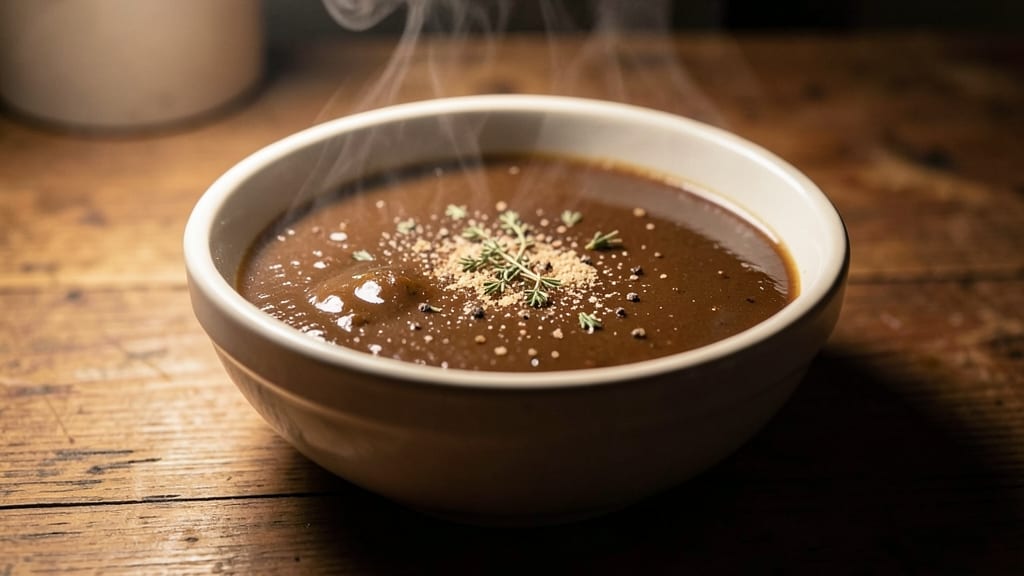
Transforming a simple pan sauce into rich, restaurant-quality gravy starts with this gravy seasoning recipe—a dry blend that elevates every drop of flavor. I developed it during a particularly busy week when I needed a foolproof way to enhance pan drippings without extra effort.
The key lies in balancing earthy, savory, and umami notes that deepen as the gravy simmers.
This blend uses just five simple ingredients measured in tablespoons and teaspoons, making it easy to store in a jar for months. The combination of garlic powder, thyme, and black pepper creates a harmonious base, while onion powder adds subtle sweetness and salt ties everything together.
It’s designed to be sprinkled directly into hot pan juices, where the spices dissolve and infuse the liquid with layers of complexity.
What you’ll achieve is gravy that’s richer, more aromatic, and far more flavorful than store-bought options. The seasoning works equally well with beef, chicken, or vegetable drippings, and it only takes a few minutes to transform ordinary pan sauce into something extraordinary.
Once you try it, you’ll never settle for bland gravy again.
Perfect for meal prep, holiday dinners, or quick weeknight meals, this seasoning blend is a game-changer for anyone who wants restaurant-quality results with minimal effort. Store it in an airtight container and keep it handy for whenever you need a flavor boost. Let’s get started!
Ingredients for gravy seasoning
Five simple spices transform ordinary pan drippings into restaurant-quality gravy effortlessly.
| Ingredient | Amount | Notes |
|---|---|---|
| Garlic Powder 🧄 | 1 ½ tbsp | Freshly ground preferred for depth |
| Dried Thyme Leaves 🌿 | 1 tbsp | French thyme if available |
| Onion Powder 🧅 | 1 tbsp | Sweet onion preferred |
| Black Peppercorns 🌶️ | 1 ½ tsp | Freshly cracked for intensity |
| Diamond Crystal Kosher Salt 🧂 | 1 tsp | Fine grain preferred |
The garlic powder and onion powder form the aromatic backbone here. Penzeys or the bulk bins at Whole Foods carry the best quality—look for vibrant color and no clumping. Freshly cracked black pepper makes all the difference (I grind mine in a pepper mill right before measuring), and French thyme adds an earthy depth you won't get from regular dried thyme. If you can only find Italian thyme, it'll work, but it'll taste slightly different. Store-bought blends often use stale spices, so buying these individually ensures maximum freshness.
No garlic powder? Garlic salt at half the amount works in a pinch, but you'll need to adjust the salt later. Short on thyme? Dried marjoram at the same quantity gives a similar herbal note. Want more umami? Add 1/4 tsp of MSG or 1/2 tsp of fish sauce to the finished gravy. The kosher salt is crucial—it dissolves completely unlike table salt. For a smoky twist, swap half the onion powder for smoked paprika. This blend is designed to be flexible, so don't stress about exact measurements.
Mix everything in a small bowl, then transfer to an airtight container. Keeps for 6-12 months in a cool, dark place—perfect for your spice rack. For best results, use within 3 months of opening. I make a triple batch and keep one jar in my pantry and one in my camping gear. A little goes a long way—start with 1 tsp per cup of liquid and adjust to taste. The spices intensify as they sit, so taste before adding more.
Why You'll Love This Recipe
- Pantry Magic: I swear by this blend—no fresh herbs, no last-minute shopping. Just grab what’s already there: garlic powder, thyme, onion powder, and a pinch of salt. It’s the kind of shortcut that still feels intentional.
- Savory Umami Bomb: That garlic-thyme-onion combo? It’s like a flavor hug for whatever you’re cooking. The black peppercorns add a tiny kick, but the real star is how it deepens the taste of gravy, mashed potatoes, or even roasted veggies—without overpowering.
- Weeknight Superstar: Between us, this is my go-to for busy nights. Toss it into pan drippings for instant gravy, sprinkle it on roasted chicken, or even mix it into soups. It’s the kind of thing that makes dinner feel fancy without the fuss.
- Budget-Friendly Staple: Honestly, I’ve used this for years and never run out. A little goes a long way, and since it’s just spices, it’s way cheaper than buying pre-made seasoning packets. Plus, the leftovers? They last forever in my spice drawer.
Step-by-step instructions for homestyle gravy seasoning
Here's how to blend this simple yet transformative seasoning that elevates any pan sauce.
Measure and Prepare Your Ingredients
Start by gathering all your ingredients in a small mixing bowl. You'll need the 1.5 tablespoons of garlic powder, 1 tablespoon of dried thyme leaves, 1 tablespoon of onion powder, 1.5 teaspoons of black peppercorns, and 1 teaspoon of Diamond Crystal kosher salt. I like to use a fine-mesh strainer for the thyme leaves to remove any stems or debris—this ensures a smooth, even texture in your final blend.
If you have freshly ground garlic powder or freshly cracked black peppercorns, use those instead of pre-ground versions. The intensity and freshness will make a noticeable difference in your gravy's depth of flavor. For the onion powder, I recommend sweet onion powder if you can find it—it adds a subtle sweetness that complements the savory notes of the other spices.
Combine Dry Ingredients Thoroughly
Using a whisk or a small fork, gently combine the garlic powder and onion powder in the bowl. This initial mixture creates a base that will carry the other flavors. Next, add the dried thyme leaves and stir them in, making sure they're evenly distributed. The thyme leaves should be finely dispersed—this prevents clumping and ensures every spoonful of your seasoning delivers consistent flavor.
Now, add the black peppercorns and Diamond Crystal kosher salt. Sprinkle them lightly over the other ingredients to avoid creating pockets of concentrated seasoning. Use the whisk to gently fold everything together, breaking up any larger clumps of peppercorns or salt. The goal here is to create a homogeneous blend where each ingredient is evenly distributed throughout.
Fine-Tune the Texture and Consistency
At this stage, you might notice some unevenness in the blend. Use a fine-mesh sieve to sift the entire mixture back into the bowl. This step is crucial—it ensures your seasoning is ultra-fine and free of any larger particles that could settle unevenly in your gravy. If you don't have a sieve, a fork or whisk will work, but you'll need to be more deliberate in breaking up any clumps.
Taste a pinch of the seasoning to gauge its strength. Since we're using precise measurements, the flavor should be balanced but potent. If you're using this for a large batch of gravy, you might want to reduce the amount slightly—this blend is designed to be strong, and you can always add more as needed. Store the remaining seasoning in an airtight container in a cool, dark place for up to 6 months.
Use Your Seasoning to Elevate Any Gravy
To use your seasoning, simply sprinkle 1 to 2 teaspoons into your pan sauce while it's simmering. Stir it in gently to avoid stirring up any settled particles at the bottom of the pan. This seasoning works like magic in classic pan sauces, especially those made from roasted or pan-seared meats. The garlic and onion powders add a rich, savory depth, while the thyme and black peppercorns bring warmth and a subtle kick.
For the best results, add the seasoning toward the end of cooking, just before you remove the sauce from heat. This allows the flavors to meld without overpowering the natural taste of your gravy. If you're making a gravy from scratch, incorporate the seasoning after you've thickened the sauce with a roux or cornstarch slurry. You'll notice an immediate upgrade in complexity and depth—this simple blend transforms an ordinary pan sauce into something truly special.
Pro Tips For Making Gravy Seasoning
- CRUSH THE PEPPERCORNS: Don’t just eyeball those whole peppercorns—actually grind them in a mortar, spice grinder, or even a clean coffee grinder right before mixing. Whole peppercorns in gravy seasoning just sit there like tiny rocks, and you’ll end up with a bland, uneven bite every time. A quick 10-second pulse makes all the difference.
- TOAST THE THYME: Dry thyme leaves lose their punch fast, but a 30-second dry toast in a skillet (no oil) before adding to your mix wakes up their flavor. It’s not mandatory, but I’ve noticed the difference in rich, savory dishes—especially when the seasoning gets simmered in gravy. Smells like a restaurant kitchen when you do it right.
- SALT IN LAYERS: Diamond Crystal kosher salt clumps like crazy when measured by volume, so weigh it (or tap the measuring spoon sharply to settle it). But here’s the real trick: Add half the salt to the dry spices first, mix, then sprinkle the rest over the finished gravy. This keeps the seasoning balanced whether you’re using it dry or dissolving it in liquid.
- BLEND WITH FAT: Mix your seasoning with a tiny bit of butter or oil (about 1 teaspoon per tablespoon of spices) before adding to gravy. It helps the powdered ingredients disperse smoothly and prevents clumping—no more floating garlic powder islands in your sauce. Works especially well if you’re prepping a big batch to store.
Best sauces and condiments for this gravy seasoning
Classic Gravy Boosters
For beef gravy, add 1 tsp Worcestershire sauce or 1 tsp soy sauce to your pan drippings before sprinkling in the seasoning. The umami depth from these ingredients pairs perfectly with the garlic and thyme, creating a richer, more complex sauce.
I keep a small bottle of Lee Kum Kee soy sauce in my pantry specifically for this purpose—it’s salty enough to balance the seasoning without overpowering. 💛
Vegetarian Adaptations
Swap the black peppercorns for 1 tsp smoked paprika and add ½ tsp celery salt to create a vegetarian-friendly version. This combo works beautifully with mushroom or onion-based gravies, giving them a smoky, savory character.
I’ve used this variation for my lentil stews, and it adds a depth that store-bought seasonings simply can’t match.
Herb Variations
For a rosemary twist, replace the thyme with 1 tbsp dried rosemary (finely ground) and add ½ tsp dried sage. This works wonderfully with roasted chicken or turkey gravies, offering a piney, earthy aroma that complements poultry beautifully.
If you’re using fresh rosemary, reduce to 1 tsp and crush it lightly before adding to the blend.
Spicy Kick Options
Add ½ tsp cayenne pepper or 1 tsp crushed red pepper flakes for heat. This variation is perfect for Cajun-style dishes or when you want to spice up your beef gravy.
I like to toast the red pepper flakes in a dry pan for 30 seconds before adding them to the blend—this deepens their smoky flavor. For a milder heat, reduce to ¼ tsp cayenne.
Umami Enhancers
Boost the savory notes by adding ½ tsp fish sauce or ¼ tsp MSG directly to your gravy after sprinkling in the seasoning. These ingredients amplify the garlic and onion powders, creating a deeper, more complex flavor profile.
I keep a small bottle of Red Boat fish sauce in my kitchen for this exact purpose—it’s clean, potent, and adds layers of umami without overpowering.
Storage and Freshness
Store your seasoning blend in an airtight glass jar (like Ball Mason jars) in a cool, dark place for up to 6 months. For longer storage, freeze it in ice cube trays—just pop out a cube whenever you need it.
The spices will keep their freshness longer this way, and you won’t have to worry about clumping. I also like to label my jars with the date so I can track freshness. ✨
Nutrition facts
Frequently asked questions
Can I use this seasoning blend for gravy made from vegetables?
Yes, but with a small adjustment! For vegetable-based gravies, swap the black peppercorns for 1 teaspoon smoked paprika and add ½ teaspoon celery salt. This creates a smoky, savory profile that works beautifully with mushroom or onion gravies while keeping the blend vegetarian-friendly.
How much seasoning should I use for a large pot roast?
For a standard 3-4 pound pot roast, start with 2 teaspoons of the seasoning blend after deglazing the pan. If you're making gravy from the drippings, add it toward the end of simmering to let the flavors meld. For extra richness, sprinkle in ½ teaspoon of Worcestershire sauce along with the seasoning. Taste and adjust—this blend is potent!
Will this seasoning work with store-bought gravy mixes?
Not ideally—this blend is designed to enhance homemade pan sauces where you control the base flavors. Store-bought mixes already contain salt and preservatives that would overpower our delicate spice balance. Instead, use it to elevate homemade gravies or drippings from roasted meats and vegetables. For store-bought gravy, try adding ½ teaspoon of the blend per cup after heating it through.
Can I make this seasoning without garlic powder?
If you don't have garlic powder, substitute with ½ teaspoon garlic salt (adjust other salt in the recipe accordingly) or 1 teaspoon onion powder plus ½ teaspoon granulated garlic. For even more depth, add ¼ teaspoon of MSG to boost umami. The flavor will be slightly different but still delicious—just more savory than aromatic.
How do I prevent clumping when storing the seasoning?
Store your seasoning in an airtight glass jar with a damp paper towel placed between the lid and spices. The moisture keeps humidity out while preventing the spices from drying out and clumping. For extra protection, add a silica gel packet to the jar. If clumps do form, simply crush them with a fork or whisk before using.