
Soups & Stews
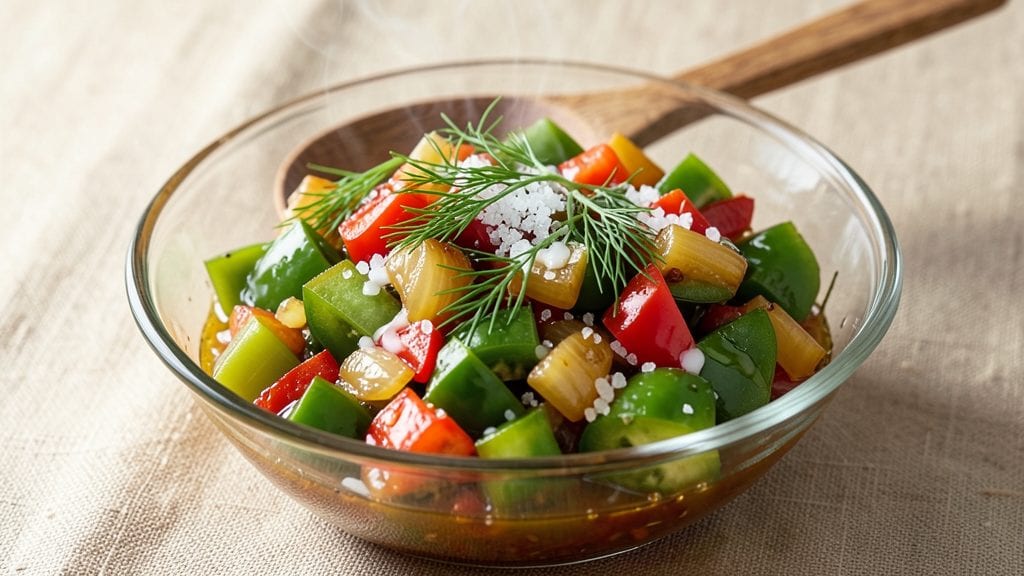
This green tomato relish recipe no canning delivers bright, tangy flavor in just 30 minutes—perfect for preserving summer's harvest without the wait. The vinegar-packed relish transforms firm green tomatoes into a chunky, zesty condiment that shines on sandwiches, burgers, or as a side.
I developed this method after realizing store-bought relish couldn't match homemade freshness, especially when green tomatoes are at their peak.
The secret lies in balancing vinegar for tang, sugar for sweetness, and fresh herbs for depth. Unlike canned versions, this relish stays vibrant in the fridge for 1-2 weeks, making it ideal for small-batch prep.
The process is straightforward: chop tomatoes, onions, and bell peppers, then simmer with vinegar, sugar, and spices until tender but still holding shape. This approach preserves texture while building complex flavor.
What you’ll end up with is a bold, vinegar-forward relish with crisp tomato pieces and aromatic herbs. The acidity cuts through richness, making it a perfect pairing for fried chicken, grilled meats, or even as a tangy topping for deviled eggs.
Every bite delivers that fresh-from-the-garden taste, proving you don’t need canning to enjoy summer’s bounty year-round.
Use it within two weeks for peak flavor, or store in airtight containers in the refrigerator. The relish thickens slightly over time, so give it a quick stir before serving. This is the kind of condiment that elevates simple meals into something memorable—let’s make it.
Ingredients for green tomato relish recipe no canning
Nine simple ingredients transform garden-fresh green tomatoes into zesty relish without canning.
| Ingredient | Amount | Notes |
|---|---|---|
| Green Tomatoes 🍅 | 3 cups | Chopped into 1/2-inch pieces |
| Yellow Onion 🧅 | ½ cup | Diced small, about 1/4-inch |
| Red Bell Pepper 🍆 | ½ cup | Diced small, seeds removed |
| White Vinegar 💧 | ½ cup | White or apple cider vinegar |
| Granulated Sugar 🍚 | ½ cup | White or light brown sugar |
| Fresh Dill 🌿 | ¼ cup | Chopped, stems removed |
| Fresh Parsley 🌿 | ⅛ cup | Chopped, flat-leaf preferred |
| Garlic Cloves 🧄 | 3 cloves | Minced fine, about 1 tsp |
| Salt 🧂 | 1 tsp | Diamond Crystal kosher salt |
| Black Peppercorns 🌶️ | ½ tsp | Crushed lightly |
The tomatoes are the star—pick firm, unblemished ones for the best texture. Local farmers markets often have perfect green tomatoes in late summer when grocery stores are out. If you can't find them fresh, Trader Joe's sometimes stocks them in the produce section. For the vinegar, white vinegar gives classic tang, but apple cider adds subtle sweetness. The sugar balances the acidity, so don't skip it—this isn't a raw salsa. I always double-check my tomatoes for any soft spots before chopping, as those will turn mushy during cooking.
No fresh dill? Dried dill at half the amount works, but fresh has that bright, herby punch you can't replicate. Short on bell pepper? Jalapeño or banana pepper adds heat and color—just dice extra small. The garlic can be pre-minced from a jar (not ideal, but fine in a pinch), but fresh minced is always better. For the vinegar, substitute lemon juice at 3/4 cup if you're avoiding vinegar, though the flavor will be milder. The relish thickens as it sits, so if it seems too loose right after making, let it rest 1 hour before tasting again.
This relish keeps beautifully in the fridge for 1-2 weeks in an airtight container. The flavors actually improve after the first day as everything melds. I like to portion it into small jars—perfect for lunches or quick snacks. If you make a big batch, freeze half in ice cube trays for single-serving portions. The relish reheats well, so toss a spoonful in a pan with a splash of water to loosen it up if it thickens too much.
Why You'll Love This Recipe
- No-Canning Hassle: I’ll be real—this relish skips the jars and pressure cooker entirely. Just chop, simmer, and store in the fridge. No fancy equipment, no stress, just fresh flavor waiting in your fridge for weeks.
- Sweet-Tangy Magic: That balance of sugar and vinegar? It’s chef’s kiss—bright, crunchy green tomatoes with a kiss of heat from the bell pepper. Honestly, I’ve never tasted a relish that doesn’t taste like a sad, mushy afterthought.
- Pantry Stash Gold: Make a big batch and use it all year—slather it on sandwiches, mix it into deviled eggs, or toss it with hot dogs. It’s my go-to for quick meals, potlucks, or even a lazy Sunday brunch. (Yes, even on a Tuesday night.)
- Zero Waste, Maximum Value: Green tomatoes? Onions? Bell peppers? This recipe turns them into something useful before they spoil. Plus, it costs pennies to make and keeps for ages. Budget win, flavor win.
Step-by-step instructions for green tomato relish
Here's how to create a vibrant, tangy relish that captures summer's bounty without canning.
Prep All Ingredients for Even Cooking
Start by chopping the 3 cups green tomatoes into ½-inch pieces—this ensures even cooking and consistent texture throughout the relish. I like to work with a sharp chef's knife for this, cutting the tomatoes into uniform chunks that will soften beautifully without turning mushy. Set these aside in a large bowl.
Next, dice the ½ cup yellow onion into small pieces about ¼-inch in size, and remove the seeds from the ½ cup red bell pepper before dicing it similarly. The smaller the pieces, the quicker they'll cook down and blend with the tomatoes. You'll want these ingredients to be roughly the same size so they cook evenly together.
Sauté Vegetables Until Soft and Aromatic
Heat a large skillet over medium heat and add the chopped tomatoes, onions, and red bell pepper. Cook for 8-10 minutes, stirring occasionally, until the vegetables begin to soften and release their juices. You'll notice the mixture becoming more fragrant and the colors deepening—a sign the natural sugars are caramelizing slightly.
After 5 minutes, add the 3 minced garlic cloves and stir for 30 seconds until fragrant. This is where the garlic infuses its bold flavor into the vegetables. Keep the heat at medium—too high and the garlic will burn before the vegetables soften properly. The mixture should be tender but still hold its shape slightly.
Balance Sweet and Tangy Flavors
Reduce the heat to low and stir in the ½ cup white vinegar and ½ cup granulated sugar. Let the mixture simmer gently for 5-7 minutes, stirring occasionally, until the sugar dissolves completely and the flavors meld together. You'll see the relish begin to thicken slightly as the vinegar cooks off and the sugar caramelizes just enough to round out the acidity.
Taste the mixture at this point—it should be tangy from the vinegar but balanced by the sweetness. If it's too sharp, add a little more sugar; if it's too sweet, a splash of vinegar will bring it back into balance. This is where you fine-tune the flavor profile before adding the herbs.
Finish with Fresh Herbs and Seasonings
Remove the skillet from heat and stir in the ¼ cup chopped fresh dill, ⅛ cup chopped fresh parsley, 1 teaspoon salt, and ½ teaspoon crushed black peppercorns. The herbs add a bright, fresh finish that cuts through the tanginess. Let the relish sit off the heat for 5 minutes—this allows the flavors to fully integrate without cooking further.
Give it one final taste and adjust the seasoning if needed. The relish should be vibrant, tangy, and slightly sweet with a hint of garlic and pepper. If it's too thick, you can thin it with a splash of water or vinegar; if too thin, let it sit uncovered for 10 minutes to reduce slightly. The texture should be like a thick salsa—chunky but cohesive.
Serve or Store for Maximum Freshness
Serve the relish immediately as a topping for grilled meats, sandwiches, or cheese boards, or transfer it to an airtight container. For best flavor, use it within 5-7 days when stored in the refrigerator. The colors will deepen and the flavors will intensify over time, making it even more delicious.
This relish is perfect for those who love the tangy, slightly sweet profile of green tomatoes without the canning process. The vinegar preserves the freshness while the sugar and herbs create a harmonious balance. Enjoy it as a condiment or even as a topping for roasted vegetables—it's incredibly versatile!
Pro Tips For Making Green Tomato Relish Recipe No Canning
- Chop Tomatoes Small: I learned this the hard way—big chunks make uneven texture. Dice the green tomatoes into ¼-inch pieces (no bigger than a pea) so every bite gets that same tangy crunch. Use a sharp knife and don’t skimp on the time; this is where the relish’s consistency comes from.
- Sauté Onions Slow: After burning three batches, I finally figured out: low and slow for onions. Cook them over medium heat for 8–10 minutes until translucent but not browned—you want them sweet, not bitter. Rushing this step turns your relish into onion-flavored mush.
- Balance Vinegar First: Sounds weird, but it works: add half the vinegar upfront, then taste before the full amount. The acidity needs time to develop, and adjusting early lets you hit that perfect tang-sweet ratio without overpowering. (Yes, even if you’re impatient like me.)
- Skip the Crowding: This isn’t the prettiest method, but it’s the tastiest: work in batches if your pan’s too crowded. Overloading steams the tomatoes instead of browning them, and you’ll end up with a watery relish. A slightly busy pan = better caramelization = deeper flavor.
Dietary considerations for these flavors
Gluten-Free Adaptation
This relish is naturally gluten-free since it contains no grains or wheat-based ingredients. The vinegar, sugar, and herbs are all gluten-free in their pure forms, so you can enjoy it safely if you or someone in your household has celiac disease or gluten sensitivity.
Always double-check your vinegar and sugar brands—some flavored varieties may contain hidden gluten. I recommend Bragg Organic Apple Cider Vinegar and Wholesome! Sweetener (a gluten-free sugar blend) for extra peace of mind. 🌾
Low-Sugar Options
If you're watching your sugar intake, reduce the granulated sugar to ¼ cup and add 1 tablespoon honey or 1 teaspoon maple syrup for natural sweetness. The vinegar’s acidity will still balance the flavors, but the overall sugar content drops by 50%.
For a diabetic-friendly version, use erythritol or monk fruit sweetener in a 1:1 ratio—just be aware these may alter the texture slightly. Taste as you go, as sugar also helps thicken the relish.
Vegan-Friendly Adjustments
This recipe is already vegan, but if you're using animal-derived vinegar (like balsamic), opt for vegan-certified white vinegar or apple cider vinegar. The herbs, vegetables, and spices are all plant-based, so no changes are needed beyond verifying your vinegar source.
For extra depth, add 1 teaspoon smoked paprika—it enhances the umami notes without animal products. Store-bought relishes often contain honey or fish-based ingredients, so homemade is a great alternative. 🌱
Allergen Awareness
Watch for sulfite sensitivities if using dried herbs or vinegar with added preservatives. Fresh herbs and pure vinegar are the safest choices. For those with histamine intolerance, reduce the fermented vinegar to ¼ cup and replace the rest with fresh lemon juice.
The relish’s acidity will still shine, but with fewer histamines. Always label your relish if sharing with others—this way, everyone can enjoy it safely. 🚨
Acid Sensitivity Tips
If vinegar’s acidity is a concern, swap ½ cup white vinegar for ¼ cup vinegar + ¼ cup lemon juice. The lemon adds tang without the sharpness, and the extra liquid helps balance the texture.
For a milder version, simmer the relish for only 5 minutes after adding vinegar—less cooking time means less acidity development. Store it in a glass container (like Ball mason jars) to preserve freshness while minimizing exposure to plastic leachates.
Nutrition facts
Frequently asked questions
Can I use unripe green tomatoes for this relish?
Yes, but choose firm, mature green tomatoes—not the tiny, hard ones. These should be about 2-3 inches in diameter with a slightly waxy skin. Unripe tomatoes lack flavor, while overripe ones turn mushy during cooking. Look for tomatoes that yield slightly when pressed but don't feel mealy.
How do I adjust the spice level in this relish?
For more heat, add ½ teaspoon cayenne pepper or 1 chopped jalapeño with the bell pepper. For milder flavor, omit the black peppercorns or reduce to ¼ teaspoon. The vinegar naturally balances heat, so you can always adjust after tasting.
Can I make this relish without vinegar?
Yes, but the texture and preservation will differ. Replace the vinegar with ½ cup lemon juice + 1 tablespoon apple cider vinegar for tang. The relish will keep only 3-5 days in the fridge and may separate. For longer shelf life, use ¼ cup vinegar + ¼ cup lemon juice instead.
Why did my relish turn watery after refrigerating?
This happens when the vegetables release too much liquid during cooking. To fix it, simmer uncovered for 10-15 minutes on low heat to reduce the liquid, or stir in 1 tablespoon cornstarch mixed with 1 tablespoon water to thicken. For prevention, cook the vegetables until just tender before adding vinegar.
What's the best way to use up leftover relish?
Try it as a sandwich spread, burger topping, or mix into deviled eggs for extra zing. Freeze portions in ice cube trays for single servings—thaw overnight in the fridge. It also pairs well with roasted potatoes or grilled chicken. The bold flavors make it versatile for both sweet and savory dishes!