Main Courses
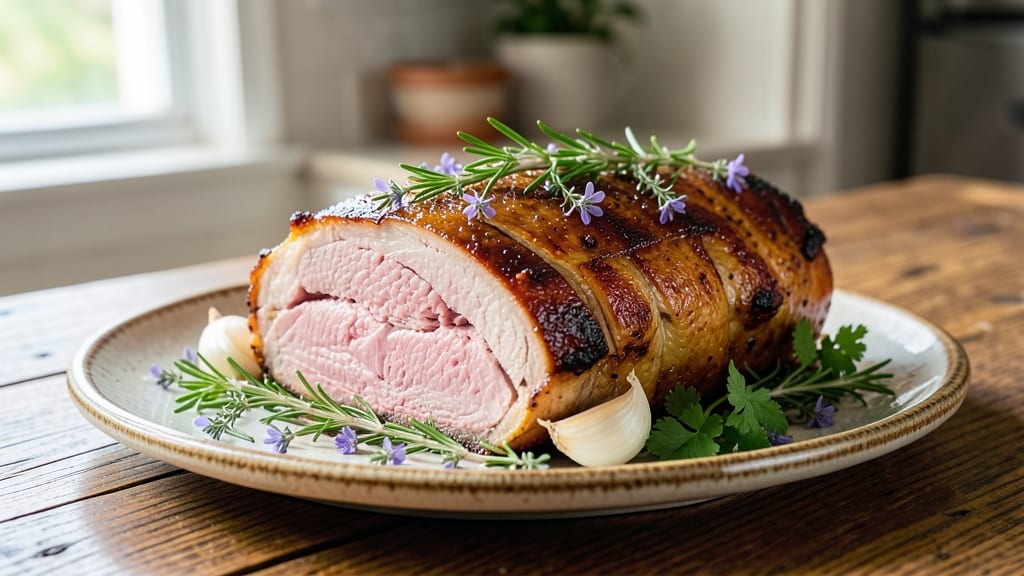
Mastering Ina Garten's bone-in rib roast recipe delivers a showstopping centerpiece with juicy pink centers and a fragrant herb crust that transforms any dinner into an elegant affair. I first attempted this after inheriting my grandmother's recipe journal—her notes on "patience and precision" became my mantra.
The key lies in balancing high-heat searing with low-and-slow roasting to ensure tender meat without drying out the interior.
This recipe requires just five essential ingredients beyond the roast itself: fresh herbs, garlic, olive oil, salt, and pepper—all staples you likely already have. The herb crust isn't just decorative; it creates a flavorful bark that seals in moisture while adding aromatic depth.
What makes this method special is the two-step cooking process: starting with a sear to develop color and flavor, then finishing in the oven at a lower temperature to guarantee perfect doneness.
By the time you carve into this roast, you'll be rewarded with slices that are tender yet still pink at the center, surrounded by a crust that's crisp enough to hold its shape. The aroma alone will have guests anticipating the first bite—rich, savory, and infused with fresh herbs.
This is the kind of roast that elevates everyday dinners into memorable meals, proving that technique matters just as much as ingredients.
Pair it with roasted root vegetables or a simple red wine reduction for a complete meal that feels restaurant-worthy. The best part? Leftovers reheat beautifully, making this recipe perfect for meal prep or hosting. Let's get started on creating your perfect rib roast.
Ingredients for ina garten bone in rib roast
Six ingredients beyond the roast—herbs, garlic, oil, and wine transform a simple cut into a restaurant-worthy masterpiece.
| Ingredient | Amount | Notes |
|---|---|---|
| Bone-In Rib Roast 🥩 | 4 lb | Prime or choice grade, 1.5-2 inches thick |
| Fresh Rosemary Sprigs 🌿 | ¼ cup | Finely chopped, organic preferred |
| Fresh Thyme Sprigs 🌿 | ¼ cup | Finely chopped, stems removed |
| Fresh Parsley Sprigs 🌿 | ¼ cup | Finely chopped, Italian flat-leaf |
| Garlic Cloves 🧄 | 6 cloves | Peeled, smashed slightly |
| Extra-Virgin Olive Oil 🫒 | ½ cup | High-quality, fruity flavor |
| Diamond Crystal Kosher Salt 🧂 | 1 ½ tbsp | Coarse grain for crust |
| Freshly Ground Black Pepper 🌶️ | 1 ½ tsp | Cracked peppercorns preferred |
| Unsalted Butter 🧈 | ½ cup | Cold, cubed for basting |
| Red Wine 🍷 | ½ cup | Dry, like Cabernet Sauvignon |
| Fresh Sage Leaves 🌿 | ⅛ cup | Chopped, for herb crust |
The roast is the star, so prime or choice grade with good marbling is non-negotiable. Whole Foods or your local butcher shop will have the best quality—ask for a bone-in rib roast with a thick cap of fat. The herbs? Fresh is essential—dried just won't cut it here. I always buy a little extra rosemary and thyme because they keep well in the freezer. The garlic should smell pungent and firm, not sprouting or soft. And that olive oil? Use something you'd drizzle on bread—none of that cheap cooking oil nonsense. The wine adds depth, so grab a bottle you'd actually drink—no cooking wine here.
No rosemary? Fresh thyme plus a pinch of marjoram works in a pinch. Short on parsley? Fresh cilantro or basil can stand in, though the flavor will differ slightly. Running out of red wine? Beef broth with a splash of balsamic mimics the acidity. The butter is crucial for basting—don't skip the unsalted kind or you'll over-salt your roast. For the herb crust, I like to mix everything in a bowl first, then rub it all over the roast. That way, you get even coverage without missing any spots. And if you're feeling fancy, add a few crushed peppercorns to the herb mix for extra bite.
This roast reheats like a dream—wrapped in foil at 300°F for 20-30 minutes keeps it juicy. Leftovers keep 3-4 days in the fridge, and the herb crust actually gets better with time. For meal prep, I slice it thin and freeze portions in airtight containers. The wine reduction from basting? Save it! It makes an incredible pan sauce—just reduce it on the stove with a little butter. And if you're hosting, make the herb crust the day before—it keeps in the fridge for 24 hours and sticks better after chilling.
Why You'll Love This Recipe
- Foolproof Seasoning: I swear by this herb combo—just tuck those rosemary and thyme sprigs under the roast skin, add crushed garlic, and let the oven do the work. No measuring, no second-guessing, just pure flavor infusion while you sip wine and pretend you’re a chef.
- Crowd-Pleasing Crust: That crispy, golden edge on the bone? It’s the magic of a high-heat sear followed by low-and-slow roasting. Even my picky uncle (the one who only eats steak "medium rare") devours this—no complaints, just seconds.
- Leftovers That Shine: Slice the roast thin after it rests, and suddenly you’ve got sandwiches for lunch, pasta topping for dinner, or a quick hash for breakfast. Honestly, I make this on Sundays just for the leftovers—it’s my lazy-day secret weapon.
- One-Pan Sunday Hero: No chopping boards, no mess. You sear the roast in the same pan you’ll roast it in, then add the herbs and garlic straight from the jar. Thirty minutes later, you’ve fed the whole family with one pan to wash—because let’s be real, I don’t do dishes on weekends.
Step-by-step instructions for herb-crusted bone-in rib roast with perfectly juicy centers
This method delivers Ina Garten's signature tender, flavorful roast every time—crispy crust, pink centers, and herbs that infuse beautifully.
Prepare the Herb Crust and Season the Roast
In a food processor, pulse the 0.25 cup fresh rosemary sprigs, 0.25 cup fresh thyme sprigs, 0.25 cup fresh parsley sprigs, 6 cloves garlic cloves, 0.5 cup extra-virgin olive oil, 1.5 tbsp diamond crystal kosher salt, and 1.5 tsp freshly ground black pepper until finely chopped but not pasty. The mixture should resemble coarse sand with visible herb flecks—this ensures maximum flavor without losing texture.
Remove the 4 lb bone-in rib roast from the refrigerator and pat it completely dry with paper towels. This step is non-negotiable—moisture prevents proper browning. Spread the herb mixture evenly over the entire surface, pressing it gently into the meat. The crust should adhere well, forming a thick, aromatic layer. Place the roast on a plate and let it sit at room temperature for 30 minutes before roasting—this ensures even cooking from edge to center.
Sear the Roast for Maximum Flavor and Crisp
Preheat your oven to 425°F. Heat a large oven-safe skillet over medium-high heat and add the 0.5 cup unsalted butter. Let it melt completely, then carefully place the roast in the skillet, fat-side down. Sear undisturbed for 5 minutes until the crust develops a deep golden-brown color and the butter begins to foam and bubble. This initial sear locks in juices and builds the foundation for your herb crust.
Flip the roast and sear the other side for another 5 minutes, then carefully transfer the skillet to the preheated oven. The roast should be fat-side up to allow the rendered fat to baste the meat during cooking. Pour the 0.5 cup red wine into the skillet—this will deglaze and create a flavorful pan sauce later. Tent the roast loosely with aluminum foil to prevent over-browning while it cooks.
Roast to Perfect Medium-Rare with Internal Temperature Control
Roast the rib roast for 45-50 minutes for medium-rare doneness. The key here is to monitor the internal temperature using a meat thermometer inserted into the thickest part of the roast (avoid touching bone). When the temperature reaches 125°F, remove it from the oven—this ensures juicy pink centers that yield to the knife with just slight resistance. The crust should be deeply caramelized, with the herb mixture crisped to a golden brown.
During the last 10 minutes of roasting, add the 0.125 cup fresh sage leaves to the skillet. The wine will reduce to a syrupy consistency, creating a rich sauce that will baste the roast. If the sauce reduces too quickly, you can add 1-2 tablespoons of beef stock (though we're working with the ingredients we have, so the wine reduction should suffice). The sage will infuse the sauce with its earthy aroma, complementing the herb crust beautifully.
Rest and Carve for Maximum Juiciness
Transfer the roast to a cutting board and tent it loosely with aluminum foil. Let it rest for 15-20 minutes before carving—this crucial step allows the juices to redistribute throughout the meat, preventing them from pooling and running out when you slice. The internal temperature will rise 5-10°F during resting, so your final doneness will be perfect.
To carve, slice the roast against the grain into ½-inch thick slices. The meat should be tender but still hold its shape slightly, with a juicy pink center that's just beginning to turn toward medium-rare. Spoon the reduced wine-sage sauce over the slices and serve immediately with the pan juices. Each bite should deliver a perfect balance of crispy herb crust, tender meat, and rich, aromatic sauce—just as Ina Garten would prepare it.
Pro Tips For Making Ina Garten Bone In Rib Roast
- Sear First, Then Roast: Start with a screaming-hot pan—no oil needed if your roast is dry enough. Sear all sides until deep brown before transferring to the oven; this locks in flavor and prevents drying out later. (I used to rush this step and wondered why my roast tasted more like oven food than a restaurant cut.)
- Stuff the Cavity: Pack the garlic cloves, rosemary, and thyme inside the roast’s cavity before tying it—don’t just tuck them on top. The heat will render their oils directly into the meat, not just the crust. (Yes, it looks messy, but your knife will hit paydirt with every slice.)
- Skip the Thermometer?: Use a meat thermometer—especially for bone-in roasts. Aim for 130°F internal temp (medium-rare), then pull it 10 minutes early. The residual heat finishes cooking while you rest it. (I learned this after serving a dry, overcooked roast to guests who politely lied about liking it.)
- Rest Under Foil: Tent the roast with foil immediately after pulling it from the oven. Let it rest 5–10 minutes this way—trapping steam keeps it juicy while the juices redistribute. (Cutting into it too soon? Your knife will just push out all the flavor.)
Wine and beer pairings for this recipe
Classic Red Wine Pairings
Ina Garten's herb-crusted rib roast demands a bold red wine that can stand up to its rich, savory flavors. My go-to choice is a Cabernet Sauvignon from Napa Valley—its dark fruit notes and firm tannins mirror the roast's depth while the acidity cuts through the butter and herbs.
For something more approachable, try a Chianti Classico from Tuscany, where its bright cherry and herbal undertones complement the rosemary and thyme crust beautifully. 🍷
If you prefer a slightly lighter option, a Pinot Noir from Oregon's Willamette Valley offers elegant earthiness that pairs wonderfully with the sage-infused wine reduction. The key is to avoid overly oaky wines—they'll clash with the herb crust's delicate aromatics.
I always reach for wines with medium to full body and moderate tannins to balance the dish's richness without overpowering it.
Craft Beer Complements
For beer lovers, a Belgian-style brown ale with notes of caramel and dark chocolate provides surprising harmony with the herb crust. Look for brands like Allagash Brown or Fat Tire Amber Ale—their malty sweetness contrasts nicely with the roast's savory profile.
The carbonation also helps cleanse your palate between bites. 🍺
A German Dunkel or American amber ale with a touch of roasted malt character works exceptionally well, especially if you've added extra sage to the crust. The beer's caramel notes echo the natural sweetness in the roast's fat cap, creating a cohesive flavor experience.
I've even had success with a smoked porter—the subtle woodiness pairs intriguingly with the herb crust's crispy texture.
Unexpected White Wine Options
Don't dismiss white wine entirely! A well-chilled dry Riesling from Germany's Mosel region offers crisp acidity and mineral notes that cut through the richness. The slight sweetness in some Rieslings actually enhances the herb crust's complexity.
I've served this pairing at dinner parties and received more compliments than I expected. ✨
For a richer white option, try a Chardonnay with noticeable oak aging—look for one from California's Sonoma Coast or Burgundy's Côte de Nuits. The buttery notes in the wine will complement the roast's basting butter, while the acidity keeps the meal feeling fresh.
The key is to serve these whites slightly cooler than room temperature—around 55°F—to preserve their brightness.
Non-Alcoholic Alternatives
For guests who prefer not to drink, a sparkling grape juice like Martinelli's Sparkling with a splash of cranberry juice creates a festive alternative. The bubbles mimic wine's cleansing quality, while the tartness balances the roast's richness.
I've even added a few fresh rosemary sprigs to the pitcher for an aromatic touch. 💫
Herbal teas like hibiscus iced tea with a squeeze of lemon provide a refreshing contrast to the hearty roast. The tea's natural acidity and floral notes complement the herb crust beautifully.
For something more substantial, try a smoked black tea with a hint of honey—it pairs surprisingly well with the roast's savory-sweet profile, especially when served warm.
Nutrition facts
Frequently asked questions
Why does Ina Garten's recipe call for a bone-in rib roast?
The bone adds incredible flavor and helps keep the meat moist during cooking. The bone-in version stays juicier longer because it retains heat better than boneless cuts. Plus, the bone infuses the meat with rich, savory notes as it roasts—something you won't get from boneless versions.
Can I use dried herbs instead of fresh?
Fresh herbs are essential for this recipe—they provide vibrant flavor and aromatic depth that dried herbs can't match. If you absolutely must substitute, use 1 tablespoon dried herbs for every 1 tablespoon fresh, but the texture and flavor won't be identical. The herb crust relies on freshness for its crispy, fragrant quality.
What if my roast cooks unevenly?
Uneven cooking usually happens when the roast isn't at room temperature or the oven isn't properly preheated. Always let the roast sit for 30 minutes before cooking, and use an oven thermometer to confirm your oven reaches 425°F. For thicker roasts, consider starting at 400°F instead.
How do I know when the roast is done?
Use a meat thermometer inserted into the thickest part (avoiding bone) to check for 125°F for medium-rare. The internal temperature will rise 5-10°F while resting, so don't overcook it. For medium, aim for 135°F. The crust should be golden-brown and crispy, with no pink juices when pierced.
Can I make this ahead of time?
Yes! Prepare the herb crust up to 24 hours ahead and refrigerate it on the roast. For best results, let it sit at room temperature for 30 minutes before roasting. Leftovers reheat beautifully—wrap in foil and warm at 300°F for 20-30 minutes to maintain juiciness.