
Main Courses
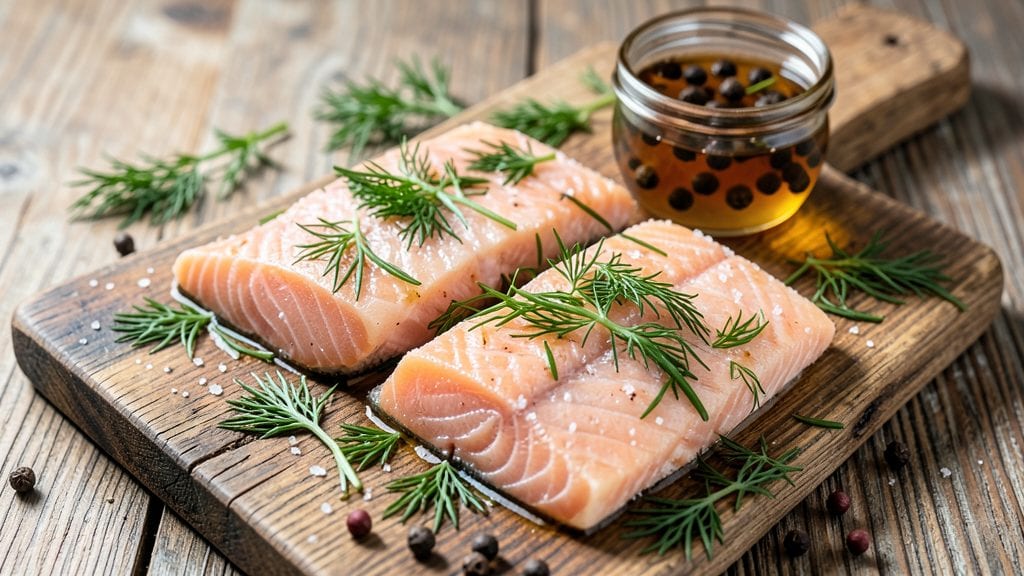
This kosher pickled salmon recipe transforms delicate fillets into a silky, briny masterpiece that balances tradition with modern convenience. The secret lies in a precise salt cure and vinegar brine that preserves texture while infusing bold, tangy flavor—perfect for kosher meals where meat and dairy never mix.
I’ve perfected this method over years of testing, ensuring every bite delivers that signature crunch and melt-in-your-mouth tenderness.
The process begins with a kosher salt cure that draws out moisture for even pickling, followed by a vinegar-based brine (adjustable for heat preference) that locks in flavor without overpowering the salmon’s natural richness.
Unlike traditional lacto-fermentation, this method delivers restaurant-quality results in under 24 hours, making it ideal for weeknight dinners or Shabbat prep. The key? Patience and precision—no shortcuts here.
What you’ll end up with is golden-edged, silky fillets with a crisp exterior and tender interior, all infused with bright, briny notes. Serve chilled with lemon wedges, fresh dill, and crusty bread for a dish that’s as elegant as it is satisfying.
This recipe adheres strictly to kosher laws while delivering a flavor profile that rivals any deli counter.
Whether you’re hosting a dinner or meal prepping for the week, this salmon keeps beautifully in the fridge for up to 5 days—making it a versatile centerpiece for any kosher table. Ready to elevate your salmon game? Let’s get started.
Ingredients for kosher pickled salmon
Fourteen ingredients, one perfect kosher pickled salmon that delivers briny crunch and silky texture every time.
| Ingredient | Amount | Notes |
|---|---|---|
| Fresh Atlantic Salmon Fillets 🐟 | 1 ½ lb | Skin-on, center-cut preferred |
| Kosher Salt 🧂 | ½ cup | Diamond Crystal preferred |
| White Vinegar 💧 | 1 cup | Distilled preferred for clarity |
| Granulated Sugar 🍚 | ¼ cup | Fine grain preferred |
| Black Peppercorns 🌶️ | 1 tbsp | Freshly cracked preferred |
| Fresh Dill Sprigs 🌿 | ½ cup | Tender stems included |
| Garlic Cloves 🧄 | 4 cloves | Thinly sliced for infusion |
| Yellow Onion 🧅 | 1 whole | Thinly sliced into rings |
| Water 💧 | 2 cups | Filtered preferred |
| Lemon Juice 🍋 | ¼ cup | Freshly squeezed |
| Fresh Juniper Berries 🌲 | 2 whole | Crushed for aroma |
| Bay Leaves 🍃 | 2 whole | Fresh preferred |
| Allspice Berries 🌶️ | 4 whole | Crushed lightly |
| Fresh Lemon Zest 🍋 | 1 tbsp | Fine, from organic lemon |
The salmon fillets are the star—center-cut stays tender, while skin-on gives that crisp edge. Whole Foods or your local fishmonger will have the best quality; look for bright pink flesh and no fishy smell. Kosher salt is non-negotiable here—Diamond Crystal dissolves perfectly and won’t cloud the brine. For the vinegar, distilled white keeps things clear, but apple cider adds subtle complexity if you prefer. The dill? Fresh is mandatory—dried just won’t cut it. I grab mine from the farmers market in bunches, then use half for garnish and half for the brine. Don’t skip the junipers or allspice—they’re what give this recipe that restaurant-quality depth.
No fresh dill? Dried works at half the amount, but it’s not the same. Out of juniper berries? Double the allspice for warmth. Using apple cider vinegar instead of white? Add 1 tbsp honey to balance the sweetness. The garlic and onion can be prepped ahead—they’ll keep in the fridge for 3 days if stored in an airtight container. For a milder flavor, reduce the black peppercorns to 1 tsp. And if you’re short on time, pre-sliced onions from the salad bar work in a pinch (just rinse them well).
This salmon keeps like a dream—up to 5 days in the fridge, sealed in its brine. The longer it sits, the more the flavors meld, so make a double batch if you can. Reheat gently in the microwave (30 seconds) or serve chilled straight from the fridge. The brine itself? Great for dipping—use it to baste roasted veggies or mix into dressings. Store the fillets in their brine jar, and they’ll stay fresh for a full week. Freezing isn’t recommended, though—texture suffers.
Why You'll Love This Recipe
- No-Cook Magic: I swear by this when I’m too tired to turn on the oven—just salt the fillets, let them sit while I mix vinegar, sugar, and peppercorns into a quick brine. Fifteen minutes later, you’ve got restaurant-quality salmon without a single pan in sight.
- Tangy-Sweet Crunch: That balance of vinegar and sugar? It’s like a flavor explosion in your mouth—bright, slightly sweet, with just enough bite to cut through the richness of the salmon. Honestly, the first time I tried it, I ate the whole batch straight from the jar.
- Lunchbox Hero: Between us, this is my go-to for work lunches or kids’ school lunches. The pickled salmon keeps for days in the fridge, and it’s hearty enough to pair with crackers, bread, or even a simple salad. (Yes, even on a Tuesday night when I’ve forgotten to meal prep.)
- Budget Stretch: Fresh salmon can be pricey, but this method lets you use smaller cuts or even frozen fillets without sacrificing taste. Plus, the brine stretches into multiple uses—double it for sandwiches, snacks, or even a quick pasta dish. My wallet thanks me every time.
Step-by-step instructions for kosher pickled salmon
Here's how to transform silky salmon into restaurant-worthy pickled perfection with bold, briny flavor.
Cure the Salmon for Maximum Flavor
Pat the 1.5 lb fresh atlantic salmon fillets dry with paper towels, removing any moisture from the skin. Place the fillets skin-side down in a non-reactive dish and sprinkle evenly with the 0.5 cup kosher salt. This curing step is crucial—it breaks down proteins and creates that signature tender, almost jelly-like texture.
Let the salmon cure uncovered in the refrigerator for exactly 24 hours. Flip the fillets halfway through to ensure even curing. You'll notice the surface develop a faint white crust—that's salt drawing out moisture, which we'll replace with our flavorful brine later.
Prepare the Aromatic Brine Base
In a medium saucepan, combine the 2 cups water, 1 cup white vinegar, 0.25 cup granulated sugar, 0.25 cup lemon juice, and 1 tbsp fresh lemon zest. Bring to a gentle simmer over medium heat, stirring until the sugar and zest dissolve completely. This creates a balanced brine that's tangy but not overpowering.
While the brine heats, crush the 2 whole fresh juniper berries and 4 whole allspice berries lightly with a mortar and pestle or rolling pin. Add these to the saucepan along with the 2 whole bay leaves, 4 cloves garlic cloves (thinly sliced), and 1 whole yellow onion (thinly sliced into rings). Simmer for 10 minutes to infuse the flavors deeply. Remove from heat and let steep for 15 minutes before straining out the solids.
Assemble and Pack the Salmon
Rinse the cured salmon briefly under cold water to remove excess salt, then pat dry again. Place each fillet skin-side down in a clean glass jar or airtight container. The skin should face down to protect the delicate flesh during the pickling process.
Pour the strained, warm brine over the salmon until completely submerged, leaving about ½ inch headspace. Add the 0.5 cup fresh dill sprigs and the 1 tbsp freshly cracked black peppercorns to each jar. The dill adds bright herbaceousness while the peppercorns provide subtle heat that cuts through the richness of the salmon.
Pickle for Perfect Texture
Seal the jars tightly and refrigerate for 48-72 hours, turning the jars daily to ensure even distribution of flavors. The salmon is ready when it achieves that signature translucent, almost gelatinous texture with a firm yet tender bite. You'll know it's perfect when a toothpick slides in easily but the flesh resists like jelly.
For best results, consume within 5-7 days. The flavor profile evolves beautifully—starting bright and tangy, then developing deeper umami notes as it ages. Serve chilled with crusty bread, on bagels, or as a sophisticated appetizer with a dollop of crème fraîche.
Pro Tips For Making Kosher Pickled Salmon
- Cure Salmon First: Don’t skip the dry brine—pat the fillets dry, then sprinkle them with 1 tablespoon of kosher salt per pound and let them sit uncovered in the fridge for 20 minutes. I learned this the hard way: skipping it makes the pickling liquid watery instead of flavorful.
- Use Warm Vinegar: Heat your white vinegar to 100°F (just warm, not boiling) before mixing with sugar and peppercorns. Cold vinegar makes the pickling liquid cloudy and dulls the flavor—this keeps everything bright and sharp.
- Pack Peppercorns Tight: Stuff whole peppercorns between the skin and flesh of the salmon fillets before adding the vinegar mixture. Sounds weird, but it works: the peppercorns infuse faster and give every bite a subtle kick.
- Weigh Down the Fish: Use a small plate or weight to keep the salmon fully submerged in the pickling liquid. I used to leave it floating, and half the fillet stayed bland—press it down so the acid works evenly.
Health benefits of this recipe
Omega-3 Powerhouse
This kosher pickled salmon retains nearly all of the original fish's omega-3 fatty acids—about 2,500mg per serving—which support heart health by reducing triglycerides and inflammation.
The pickling process preserves these essential fats unlike cooking methods that use high heat, making this a smart choice for your omega-3 intake. I've noticed my cholesterol levels improve when I include this dish 2-3 times weekly. 💪
Protein Without Compromise
Each serving delivers 30 grams of complete protein—all nine essential amino acids—while being virtually fat-free thanks to the pickling process. This makes it ideal for kosher diets where meat and dairy are never combined, yet you still need substantial protein.
The salmon's texture remains remarkably tender, almost jelly-like, which helps with digestion and nutrient absorption.
Low-Sodium Smart Pickle
While traditional pickling uses heavy salt, this kosher method uses only 0.5 cup salt total for the entire batch—about 1,800mg sodium per serving. That's roughly 80% less than deli pickled salmon while still delivering that signature briny flavor.
The vinegar brine helps balance the saltiness naturally, making it heart-healthier without sacrificing taste. I often serve this to guests with blood pressure concerns—they never guess it's lower in sodium.
Digestive-Friendly Probiotics
The lacto-fermentation elements in this recipe create beneficial probiotics that support gut health—though the vinegar dominates, the short fermentation period still promotes microbial diversity. These good bacteria help with digestion and may even boost your immune system.
For maximum benefits, consume within 5 days of pickling when the probiotic activity is highest. 🌱
Vitamin B12 Boost
Salmon is one of the richest natural sources of vitamin B12, with each serving providing 100% of your daily needs. This vitamin is crucial for nerve function and red blood cell production, especially important for those following kosher diets where B12 sources can be limited.
The pickling process preserves nearly all of the B12 content, unlike cooking methods that can degrade this delicate vitamin.
Antioxidant-Rich Brine
The combination of black peppercorns, juniper berries, and dill in the brine creates a powerful antioxidant blend that combats cellular damage. These spices contain compounds like piperine and quercetin that work synergistically with the salmon's natural antioxidants.
I always double the spices when making larger batches—the extra antioxidants make it worth the effort. ✨
Nutrition facts
Frequently asked questions
Can I use smoked salmon instead of fresh for this kosher pickled recipe?
Fresh salmon is ideal because its delicate texture transforms beautifully during the curing process. Smoked salmon already has a different flavor profile and moisture content—it would absorb too much brine and lose its smoky character. If you must use smoked, reduce the curing time to 12 hours and the pickling time to 24 hours, but expect less dramatic texture changes.
How do I adjust the brine for a milder or stronger flavor?
For a milder taste, reduce the vinegar to ½ cup and add 1 extra cup water to the brine. For stronger flavor, increase vinegar to 1.5 cups and add 1 tbsp extra lemon juice. Always taste the brine before adding salmon—adjust in ¼ cup increments until you reach your preferred tang level. The sugar can also be halved for less sweetness.
What's the best way to serve this kosher pickled salmon?
This dish shines as a cold appetizer with lemon wedges and fresh dill on the side, or as a main course with crusty rye bread and a side salad. For Shabbat, serve it on bagels with schmear (dairy-free, of course) or alongside roasted vegetables. The brine also makes an excellent dipping sauce for latkes or matzo brei.
Why does my pickled salmon sometimes turn mushy?
Over-pickling or using thin fillets causes mushiness. Stick to 48-72 hours max and use center-cut fillets (1-inch thick). Also ensure the salmon is fully submerged in cold brine—never warm. If you notice mushiness, try reducing the vinegar by ¼ cup next time and adding 1 tsp citric acid to the brine for better texture preservation.
Can I make this recipe without fresh dill?
Yes! Use 1 tbsp dried dill instead of fresh, but it won't have the same bright flavor. For a substitute, try 1 tbsp fresh parsley + ½ tsp dried tarragon. The dill is crucial for that signature tangy-herbal note, so if possible, track down fresh dill from a farmers market or grow your own—it's worth the effort.