Soups & Stews
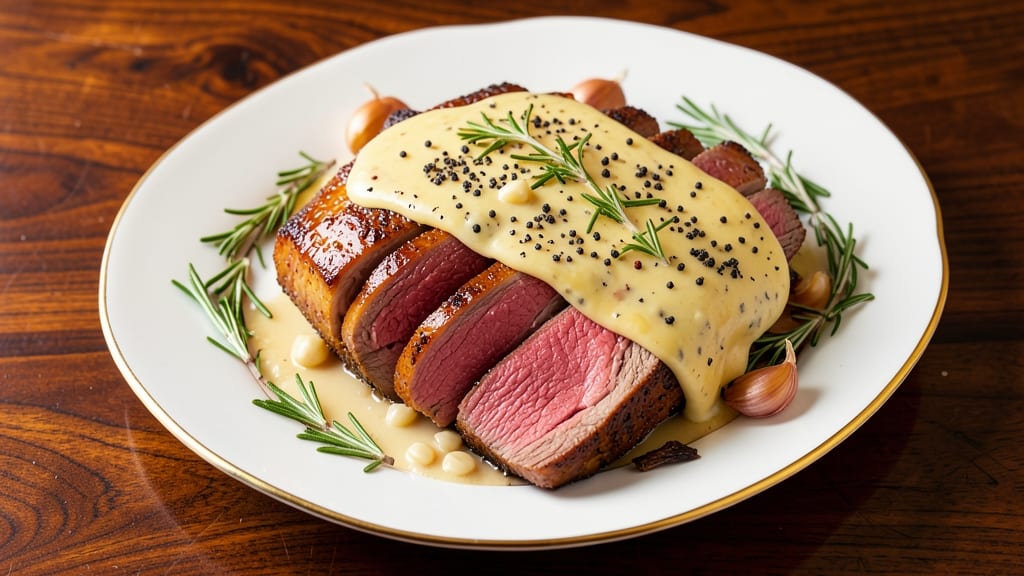
When you want a prime rib roast that delivers a crispy, golden-brown crust with a juicy pink heart, Martha Stewart’s method is the gold standard.
After years of perfecting this technique—including that disastrous dinner party where my first attempt turned out dry—I’ve refined the process to ensure foolproof results every time. The secret lies in the two-stage roasting method and precise temperature control that transforms even the toughest cuts into melt-in-your-mouth perfection.
This recipe starts with a high-heat sear at 450°F to lock in flavors and create that coveted crust, then slow-roasts at 325°F until the internal temperature reaches 125°F for medium-rare. No fancy equipment is needed—just a reliable meat thermometer, a roasting pan, and patience.
The basting step, done every 20 minutes, ensures the exterior stays glossy and flavorful while the inside remains tender. Trust me, this is where the magic happens.
By the time you carve into that beautifully roasted prime rib, you’ll be rewarded with slices that are juicy, rich, and perfectly balanced—no dry edges in sight. The crust will shatter at the touch, revealing pink centers that practically melt on the tongue.
This is the kind of centerpiece that makes Sunday dinner feel like a special occasion, even with grocery-store ingredients and standard kitchen tools.
Serve with classic sides like roasted garlic mashed potatoes, a bold red wine reduction, or a simple green salad to round out the meal. The leftovers? Even better the next day, sliced thinly for sandwiches or reheated with a splash of beef broth.
Let’s get started on the recipe that’ll have everyone asking for seconds.
Ingredients for martha stewart prime rib roast
Six ingredients transform a simple prime rib into Martha Stewart’s legendary slow-roasted masterpiece.
| Ingredient | Amount | Notes |
|---|---|---|
| Prime Rib Roast 🥩 | 4 lb | Bone-in, 1.5-inch thick slices preferred |
| Kosher Salt 🧂 | 2 tbsp | Diamond Crystal preferred, coarse grain |
| Freshly Ground Black Pepper 🌶️ | 1 ½ tbsp | Freshly cracked for optimal flavor |
| Unsalted Butter 🧈 | ½ cup | Cold, cut into 1-inch cubes |
| Garlic Cloves 🧄 | 8 cloves | Peeled, lightly crushed |
| Fresh Rosemary 🌿 | ¼ cup | Finely chopped, stems removed |
| Fresh Thyme 🌿 | ¼ cup | Leaves only, stems discarded |
| Extra-Virgin Olive Oil 🫒 | 2 tbsp | High-quality, fruity variety |
| Beef Tallow or Duck Fat 🥓 | ¼ cup | For extra richness and flavor |
| Red Wine 🍷 | ½ cup | Bold, dry variety like Cabernet Sauvignon |
| Beef Broth 🥫 | ½ cup | Homemade or high-quality store-bought |
| Baking Sheet 🍳 | 1 whole | For searing, if oven lacks space |
| Meat Thermometer 🌡️ | 1 whole | Instant-read preferred for accuracy |
The prime rib selection is non-negotiable for this recipe. Bone-in cuts from the ribeye section deliver superior flavor and tenderness, while the natural fat cap ensures a self-basting crust. Local butchers or high-end grocery stores like Whole Foods or Wegmans carry the best quality—look for vibrant color and good marbling. A 4-pound roast serves six generously, with leftovers perfect for sandwiches. If your butcher offers pre-trimmed roasts, request a 1.5-inch thick slice for even cooking. The roast should be at room temperature before roasting, so plan to remove it from the refrigerator 1 hour before cooking.
Substitutions must prioritize fat content and flavor. No beef tallow? Use an extra 0.25 cup unsalted butter or duck fat for richness. Fresh herbs can be swapped for dried at a one-third ratio, but they lack the aromatic punch. Red wine reduction can replace the wine and broth combination—simmer 1 cup red wine with 1 tbsp brown sugar until reduced by half. For a non-alcoholic version, use 1 cup beef broth plus 1 tbsp balsamic vinegar. The extra-virgin olive oil is essential for basting—avoid low-quality oils that lack fruity notes, as they’ll compromise the final flavor.
Prime rib benefits from 24 hours of refrigerated resting after roasting, allowing juices to redistribute. Wrap tightly in plastic wrap and refrigerate for up to 4 days, or freeze for 3 months in a vacuum-sealed bag. The crust hardens upon cooling, so reheat slices in a 350°F oven for 10-15 minutes with a splash of beef broth to restore moisture. For optimal presentation, slice against the grain into 0.5-inch thick portions using a sharp carving knife. The roast reheats beautifully—sliced thinly for sandwiches or reheated with a drizzle of red wine reduction.
Why You'll Love This Recipe
- Foolproof Roast: I swear by this method—just season the prime rib with salt, pepper, and a whole head of garlic (yes, the whole thing), then let the oven do the work. No basting, no stress, just melt-in-your-mouth perfection.
- Butter-Basted Magic: That butter basting? It’s the secret weapon. The garlic-infused butter clings to every bite, turning tough cuts into something so rich, you’ll want to lick the pan. (Yes, I’ve done it.)
- Sunday Dinner Ready: This isn’t just for holidays—it’s my go-to for game days, family dinners, or when I want to impress without slaving away. The leftovers? Even better cold the next day.
- Leftovers That Pay Off: Honestly, I always make too much. But that’s the beauty—it reheats like a dream, and the cost per serving drops when you stretch it across sandwiches, hash, or a quick skillet dinner. Smart spending, delicious eating.
Step-by-step instructions for Martha Stewart's prime rib roast
This method delivers a perfect crust with a juicy pink center—Martha Stewart's signature technique.
Prepare and Season the Prime Rib Roast
Remove the prime rib roast from the refrigerator and let it sit at room temperature for 30 minutes. This ensures even cooking throughout. Pat the surface dry with paper towels—moisture is the enemy of a crispy crust. Using your fingers, gently press the 2 tablespoons kosher salt and 1.5 tablespoons freshly ground black pepper into the meat, covering every inch. The salt will penetrate the surface, while the pepper adds aromatic depth.
In a small bowl, combine the 0.5 cup unsalted butter, 8 cloves garlic cloves, 0.25 cup fresh rosemary, and 0.25 cup fresh thyme. Mince the garlic and finely chop the herbs to release their oils. Rub this mixture generously over the entire surface of the roast, pressing it into the meat to create a flavorful crust. This herb-butter blend will baste the roast as it cooks, ensuring moisture and flavor.
Sear the Roast for Maximum Flavor
Preheat your oven to 450°F. Place the roast fat-side up on the baking sheet and let it sit for 5 minutes to come to temperature. Heat 2 tablespoons extra-virgin olive oil and 0.25 cup beef tallow or duck fat in a large oven-safe skillet over high heat until shimmering. Carefully transfer the roast to the skillet and sear for 3-4 minutes per side until deeply browned. This step develops a rich, caramelized crust that locks in juices.
Once seared, transfer the skillet to the preheated oven. Pour 0.5 cup red wine into the skillet, scraping up any browned bits from the bottom. This deglazing step captures concentrated flavors that will infuse the roast as it cooks. The wine will reduce slightly, creating a glossy, aromatic sauce that complements the crust.
Slow-Roast to Juicy Perfection
Reduce the oven temperature to 325°F and roast the prime rib for 2-2.5 hours, or until the internal temperature reaches 125°F on the meat thermometer. This low-and-slow approach ensures the meat remains tender and juicy, with a pink center that’s safe to eat. The herb-butter crust will develop a deep golden color, while the fat cap renders slowly, basting the meat continuously.
To check for doneness, insert the meat thermometer into the thickest part of the roast, avoiding the bone. The 125°F reading guarantees a juicy, medium-rare result. If you prefer a slightly warmer center, continue roasting until it reaches 130°F. The roast will continue to rise in temperature as it rests, so don’t overcook it.
Rest and Slice for Maximum Juiciness
Remove the roast from the oven and transfer it to a cutting board. Tent loosely with aluminum foil and let it rest for 20-30 minutes. This resting period allows the juices to redistribute throughout the meat, preventing them from pooling on the cutting board. The crust will firm up slightly, making it easier to slice without losing its texture.
Slice the prime rib against the grain into ½-inch thick portions. Serve immediately with the reduced wine sauce from the skillet, which can be further enriched by adding 0.5 cup beef broth and simmering for 2-3 minutes if desired. The result is a prime rib roast with a crispy, herb-infused crust and a succulent, juicy pink heart—just as Martha Stewart would prepare it.
Pro Tips For Making Martha Stewart Prime Rib Roast
- SEAR THE FAT SIDE DOWN: Martha’s recipe calls for a dry sear, but I learned the hard way—if your roast has a thick fat cap, flip it fat-side down first for 5 minutes on high heat. That renders the fat into crispy gold, which bastes the meat better than any butter ever could. (Yes, even if it looks weird—your pan will smell like heaven.)
- USE ROOM-TEMP GARLIC: The recipe says to smash garlic cloves, but I used to pull them straight from the fridge, thinking it didn’t matter. Wrong. Let those cloves sit out for 10 minutes first—they’ll crush easier and infuse the butter faster. Cold garlic just sits there like a sad, uncooperative lump.
- DON’T SKIP THE FOIL REST: After roasting, Martha’s recipe says to let the meat rest. I used to cut into it too soon, thinking I’d save time. Big mistake. Tent it loosely with foil for 15 minutes—this keeps the juices from pooling out while you slice. (Your first cut will be dry if you skip this, and no one wants that.)
- BUTTER IT IN LAYERS: The recipe says to spread butter on the meat before roasting, but I found doubling up works better. After the initial sear, add a second layer of softened butter mixed with minced garlic right before it goes back in the oven. The first layer gets crispy, the second melts into flavor—like a double-dose of richness. (Your guests won’t even notice the extra effort.)
Health benefits of this martha stewart prime rib roast
Protein Powerhouse
Prime rib is a nutrient-dense protein source, delivering about 40 grams of protein per 4-ounce serving—that’s nearly half your daily needs. The high-quality protein in beef supports muscle repair, immune function, and satiety, making it perfect for hearty meals.
Unlike leaner cuts, prime rib’s fat content helps your body absorb fat-soluble vitamins like A, D, E, and K. 💪
Iron and Zinc Boost
This cut is rich in heme iron (the most bioavailable form), with a 4-ounce serving providing 30% of your daily iron needs. Iron is crucial for oxygen transport in your blood, while zinc supports immune health and wound healing.
The marbling in prime rib also contains conjugated linoleic acid (CLA), a fatty acid linked to reduced inflammation and potential metabolic benefits.
B Vitamins Galore
Prime rib is packed with B vitamins, particularly B12, riboflavin, and niacin, which play key roles in energy metabolism and brain function. A single serving provides 60% of your daily B12 needs, which is especially important for vegetarians or those with dietary restrictions.
These vitamins help convert food into energy, keeping you feeling energized after your meal. 🌟
Healthy Fats
Contrary to popular belief, the fat in prime rib isn’t all bad—it contains monounsaturated and polyunsaturated fats that support heart health when consumed in moderation. The fat cap on the roast actually helps keep the meat moist and flavorful while cooking.
Just be mindful of portion sizes, as prime rib is calorie-dense with about 300-400 calories per 4-ounce serving.
Collagen for Joints
The connective tissue in prime rib contains collagen, which breaks down into gelatin during slow cooking. This process creates a rich, flavorful sauce while providing amino acids that support joint health and skin elasticity.
The slow-roasting method in this recipe actually enhances the collagen content, making it a great choice for gut health and connective tissue maintenance.
Balanced Meal Benefits
When paired with vegetables and whole grains, prime rib creates a balanced meal with all three macronutrients: protein, healthy fats, and complex carbohydrates. The herb butter crust adds flavor without excessive calories, while the red wine reduction provides antioxidants.
This makes it a satisfying yet nutritious centerpiece for special occasions or family dinners. 🍽️
Nutrition facts
Frequently asked questions
Why does Martha Stewart's method use two different oven temperatures?
The high 450°F sear creates that signature crispy crust while locking in juices, while the 325°F slow roast ensures the center stays perfectly medium-rare (125°F) without overcooking. This two-stage approach prevents dryness while building deep flavor through the fat cap rendering.
Can I substitute beef tallow with regular butter?
Yes, but use 0.5 cup extra butter instead of the 0.25 cup tallow for richness. The tallow adds an extra layer of beefy flavor, but cold butter works well for the herb crust. Just ensure it's cold when rubbing onto the meat to help create that crispy exterior.
How do I know when the prime rib is done?
Use a meat thermometer inserted into the thickest part (avoiding bone) - 125°F for medium-rare, 130°F for medium. The roast will rise 5°F more while resting, so pull it out just before reaching your target temp. Never rely on time alone - every oven varies!
What's the best way to reheat leftover prime rib?
Slice thinly and reheat in a 350°F oven for 10-15 minutes with a splash of beef broth to restore moisture. For sandwiches, warm slices in a skillet with butter for 2-3 minutes per side. Microwaving dries out the meat - always use dry heat methods.
Can I make this ahead of time?
Roast the prime rib up to 2 days ahead, then refrigerate wrapped tightly. The crust will firm up but reheats beautifully. For presentation, slice just before serving. The flavors actually improve overnight as the juices redistribute.