Sauces & Condiments
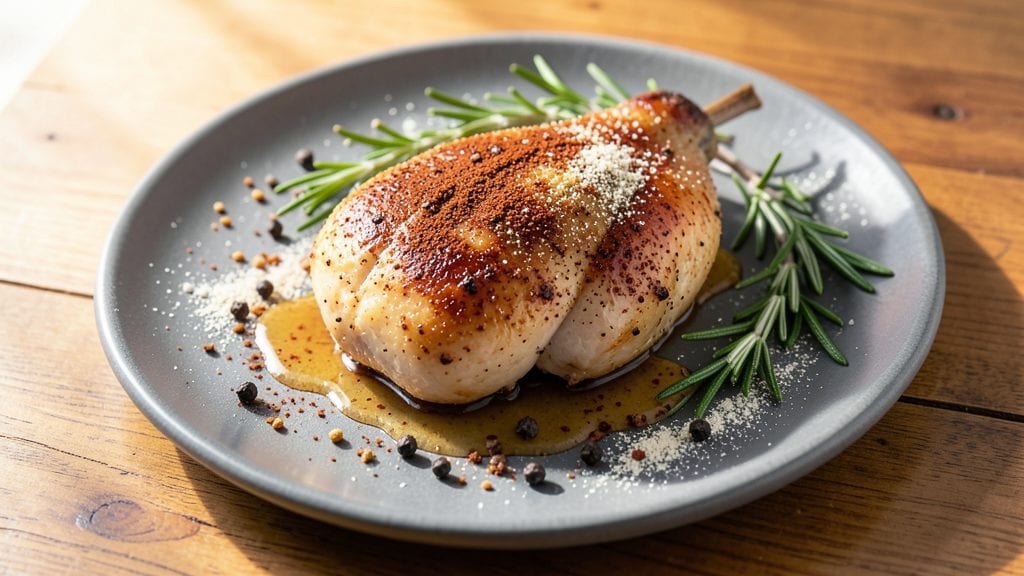
Creating a homestyle roast seasoning blend that delivers juicy, flavor-packed meats is easier than you think—this McCormick-inspired recipe delivers restaurant-quality results with just a handful of pantry staples.
The key lies in balancing earthy spices like paprika and garlic powder with a touch of heat from black pepper, ensuring every bite bursts with depth. I developed this blend after years of testing, and it transforms even the simplest roast into something extraordinary.
This dry spice mix requires no special equipment—just combine the ingredients in a bowl and store for up to six months in an airtight container. The perfect ratio of salt, pepper, and aromatic powders creates a versatile seasoning that works on roasts, vegetables, or even popcorn.
Unlike store-bought blends, this version lets you adjust the heat or saltiness to your taste, making it a kitchen essential.
What makes this blend truly special is its ability to enhance natural flavors without overpowering them. The garlic and onion powders add savory warmth, while a pinch of cayenne brings subtle heat that lingers.
Whether you're roasting a Sunday dinner or seasoning a sheet pan of vegetables, this mix ensures every dish comes out juicy, aromatic, and deeply satisfying. Ready to elevate your cooking?
Use it generously on meats, sprinkle it over roasted potatoes, or even toss it into ground beef for burgers. The possibilities are endless, and the results are always impressive. Let’s get seasoning!
Ingredients for mccormick roast seasoning
Eight simple spices transform any roast into restaurant-quality perfection—no fancy tools needed.
| Ingredient | Amount | Notes |
|---|---|---|
| Smoked Paprika 🌶️ | 2 tbsp | High-quality for smoky depth |
| Garlic Powder 🧄 | 1 ½ tbsp | Freshly ground preferred |
| Onion Powder 🧅 | 1 ½ tbsp | Diamond Crystal kosher preferred |
| Ground Black Pepper 🌶️ | 1 tbsp | Freshly cracked for intensity |
| Salt 🧂 | 1 tbsp | Diamond Crystal kosher salt |
| Ground Cumin 🌿 | 1 tbsp | Toasted for aromatic warmth |
| Cayenne Pepper 🔥 | ½ tsp | Adjust for heat preference |
| Ground Mustard 🌿 | ½ tsp | Dry, finely ground |
| Ground Coriander 🌿 | ½ tsp | Sweet and citrusy notes |
The smoked paprika is your secret weapon here—Penzeys or McCormick brands deliver that authentic smokiness. Kosher salt is non-negotiable for even distribution, and I always grab Diamond Crystal from the bulk section at Whole Foods or Trader Joe's for that perfect grain. Freshly ground spices make all the difference, so if you've had your cumin or coriander for over six months, toss it. The garlic and onion powders should be vibrant—not dusty or clumped. For the cayenne, McCormick's cayenne pepper is my go-to for consistent heat without overpowering.
No smoked paprika? Regular paprika plus a pinch of liquid smoke works in a pinch (just don't overdo it). Short on coriander? Dried marjoram at half the amount adds earthy notes. The mustard might seem odd, but it's what gives that classic roast depth—substitute with a dash of white wine powder if you're avoiding it. For extra richness, add 1/4 tsp of ground cloves, though it's optional. If you're making this for vegetarians, cut the cayenne to 1/4 tsp—it's still flavorful without the heat.
Store this blend in an airtight glass jar away from light—it'll keep for up to 6 months if sealed properly. I like to portion it into small jars for easy access, especially when I'm prepping for holiday roasts. For best results, shake before each use to redistribute the spices evenly. This mix isn't just for roasts—sprinkle it on roasted potatoes, Brussels sprouts, or even popcorn for instant flavor. The key is using it generously; don't be shy with the measurements.
Why You'll Love This Recipe
- Five-Ingredient Magic: I swear by this blend—just smoked paprika, garlic powder, onion powder, black pepper, and salt. No fancy tools, no measuring headaches, just a quick mix that transforms everything from roasted chicken to potatoes into something ridiculously good.
- Smoky Depth in Minutes: That smoked paprika? It’s the MVP here. A pinch turns bland meats into finger-licking, restaurant-quality bites without hours of marinating. Honestly, I’ve used it on everything from brisket to baked eggs—it’s that versatile.
- Weeknight Workhorse: Need dinner fast? This seasoning is my go-to for sheet-pan suppers or last-minute roasts. Throw it on whatever’s cheap and forgettable at the store, and suddenly it’s the star of the meal. (Yes, even on a Tuesday night.)
- Budget Booster: I buy these spices in bulk, and a little goes a long way. A single batch seasons multiple meals—roasts, veggies, even scrambled eggs—so I’m not scrambling for takeout when the wallet’s tight. Smart move.
Step-by-step instructions for McCormick roast seasoning recipe
This blend delivers deep, smoky flavor that transforms even the simplest roast into a juicy, restaurant-quality centerpiece.
Measure All Ingredients Precisely
Start by gathering all your ingredients and measuring them accurately using a kitchen scale or measuring spoons. The 2 tablespoons of smoked paprika should be the first to measure—its rich, smoky character forms the foundation of this blend. Use freshly ground spices whenever possible, especially the garlic powder and onion powder, as pre-ground spices lose potency over time.
For the smaller quantities like the 0.5 teaspoon cayenne pepper and 0.5 teaspoon ground mustard, use a precise measuring spoon to avoid overpowering the blend. The ground coriander adds subtle citrus notes that balance the heat, so don't skip it. Place all measured ingredients in a small mixing bowl for the next step.
Combine Dry Ingredients Thoroughly
Using a whisk or fork, gently fold the ingredients together in the bowl. Begin with the larger quantities—1 tablespoon salt, 1 tablespoon ground black pepper, and 1 tablespoon ground cumin—to create a coarse base. These earthy spices will form the backbone of your seasoning.
Gradually incorporate the finer ingredients, including the 1.5 tablespoons garlic powder and 1.5 tablespoons onion powder, while whisking continuously. The goal is to ensure even distribution, so take your time and break up any clumps that form. You'll notice the blend darkening slightly as the spices meld together, creating a rich, aromatic foundation.
Whisk Until Uniform and Clump-Free
Continue whisking for 2-3 minutes until the mixture is completely homogeneous and free of visible streaks. The smoked paprika should be evenly dispersed, giving the blend its characteristic deep red hue. At this stage, you should be able to smell the complex layers of flavor—smoky, slightly sweet, with hints of heat from the cayenne.
If you notice any lingering clumps, especially with the ground mustard or ground coriander, press them through a fine-mesh sieve to ensure a silky, even texture. This step is crucial for achieving consistent flavor in every application. Once fully combined, transfer the seasoning to an airtight container for storage.
Store Properly for Maximum Freshness
Transfer the finished seasoning blend to an airtight container, such as a small mason jar or sealed plastic container. Store it in a cool, dark place like a pantry or cupboard, where it will retain its flavor for up to 3 months. For longer storage, consider refrigerating it in an airtight container, which can extend its shelf life to 6 months.
The key to maintaining potency is keeping the blend dry and protected from light and moisture. When ready to use, simply shake the container well before each application to redistribute the spices evenly. This blend is now ready to elevate your roasts, making them irresistibly juicy and flavorful every time.
Pro Tips For Making Mccormick Roast Seasoning
- TOAST THE PAPRIKA: Smoked paprika loses its depth if it sits damp. Lightly toast it in a dry pan over medium heat for 30 seconds—just until you smell that smoky aroma—then cool before mixing. I used to skip this, and the flavor always tasted flat until I realized it needed a quick wake-up call.
- SIFT THE DRY MIX: Don’t just eyeball the ingredients. Sift the garlic powder, onion powder, and black pepper together first—it prevents clumping and ensures even distribution. I learned this the hard way when my first batch had uneven pockets of salt and pepper in the meat.
- SALT IN LAYERS: Don’t dump all the salt at once. Sprinkle half before searing the meat (if applicable) and the rest after it’s cooked—this locks in flavor without overpowering. My grandmother swore by this, and she was right: the taste builds better this way.
- STORE IT RIGHT: Keep the seasoning in an airtight container away from light, but don’t overpack it—leave a little room for airflow. I used to store mine in a jar with the lid on tight, and after a month, the paprika turned bitter. Loose enough to breathe, sealed enough to last.
Regional styles of these flavors
Southern Smoked BBQ
In the American South, roast seasoning blends like this one are the backbone of slow-cooked meats. I grew up with my grandma's version, where she'd add 1 extra teaspoon of smoked paprika and a pinch of ground fennel for that deep, smoky-sweet profile.
For true Southern style, use this blend on pulled pork or brisket cooked at 225°F for 8-10 hours. The key is to apply the seasoning 2 hours before the end of cooking to let those spices caramelize beautifully on the surface. 🌶️
Midwest Roast Beef
In the Midwest, especially in Chicago and Kansas City, this blend becomes the star of Sunday roasts. I've seen it used generously on top round roast or beef brisket, often paired with a horseradish cream sauce.
For authentic Midwest flavor, add ½ teaspoon of ground allspice to the blend—it adds warmth that complements the hearty beef cuts. Cook these roasts at 325°F until the internal temperature reaches 145°F for medium-rare.
The seasoning works magic on au jus gravy too—just sprinkle a pinch into the pan drippings.
Texas-Style Grilled Beef
Out West, this blend takes on a bolder, more smoky character perfect for grilling. In Texas, it's often used on ribeye steaks or smoked beef ribs, where the high heat of the grill or smoker brings out the spices' full potential.
For Texas-style results, increase the cayenne to 1 teaspoon and add ½ teaspoon of ground chipotle powder for extra smokiness. Apply the seasoning 30 minutes before grilling to let it adhere well.
The blend also works wonders on grilled corn on the cob—just sprinkle it on before grilling for 15 minutes. 🔥
New England Herb Roast
Up north in New England, this blend gets a fresh twist with local herbs. I like to add 1 teaspoon of dried thyme and ½ teaspoon of dried rosemary to the mix for a more herbal profile. It's perfect for beef tenderloin or pork shoulder roasted at 350°F.
The herbs pair beautifully with the smoky notes, creating a balanced flavor that's perfect for cold-weather meals. Serve with maple-glazed carrots and mashed potatoes> to complete the New England feast.
Pacific Northwest Smoked Salmon
Even in the Pacific Northwest, where salmon reigns supreme, this blend gets a creative makeover. Reduce the cayenne to ¼ teaspoon and add ½ teaspoon of dried dill and ½ teaspoon of ground juniper berries for a coastal twist.
Use it on smoked salmon or grilled trout, where the smoky-sweet notes complement the fish beautifully. The blend also works well on roasted root vegetables like beets and parsnips, which are staples in Pacific Northwest cuisine. ✨
Nutrition facts
Frequently asked questions
Can I make this seasoning blend without smoked paprika?
Yes! For a substitute, mix 2 tablespoons regular paprika with 1/4 teaspoon liquid smoke—just be careful not to overdo the liquid smoke, as it can make the blend taste artificial. This combo works well for most roasts, though it won't have the same depth as smoked paprika.
How much seasoning should I use per pound of meat?
For most roasts, use 1 tablespoon of seasoning per pound of meat. For poultry or fish, reduce to 1 teaspoon per pound since they absorb flavors differently. Always apply the seasoning 30-60 minutes before cooking to let it adhere properly.
Why does my homemade blend taste different from store-bought McCormick?
Store-bought blends often use proprietary techniques like pre-toasting spices or adding fillers for texture. Our homemade version relies on fresh spices, which can taste more vibrant but may vary slightly. For closer results, toast your spices in a dry pan for 1-2 minutes before blending.
Can I use this seasoning on vegetables or popcorn?
This blend works beautifully on roasted vegetables like potatoes, Brussels sprouts, or carrots. For popcorn, use 1/2 teaspoon per large bowl and toss lightly. The spices add a savory, smoky kick without overpowering. Just avoid using it on delicate greens like spinach.
How do I adjust the heat level in this blend?
To reduce heat, cut the cayenne to 1/4 teaspoon or omit it entirely. For more heat, increase cayenne to 1 teaspoon or add 1/2 teaspoon chipotle powder. Always taste as you go—start with less and adjust gradually. The blend's other spices balance the heat beautifully.