Side Dishes
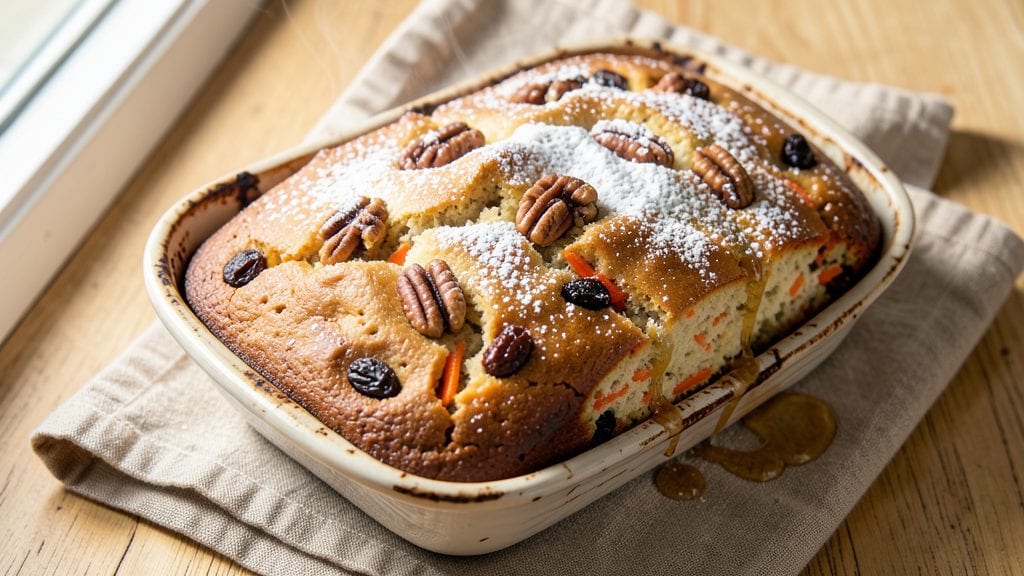
This old-fashioned carrot bread recipe delivers a moist crumb and nutmeg-kissed sweetness that transports you straight to Grandma's kitchen. The secret lies in precise ingredient ratios and a gentle baking approach that preserves that signature tender texture. I've perfected this version after years of testing—no dry, crumbly results here.
The beauty of this recipe is its simplicity: just six core ingredients create a loaf that's rich with caramelized carrots and warm spices. The nutmeg and cinnamon blend creates that classic old-fashioned flavor profile, while the molasses adds depth that store-bought mixes can't match.
Baking at the right temperature ensures a golden crust while keeping the interior perfectly moist.
What you'll end up with is a loaf that's moist throughout, with tender crumb and just the right amount of carrot sweetness. The aroma alone will have everyone gathering around your kitchen.
This bread is perfect for breakfast with butter, as a snack with tea, or even as a dessert with a light glaze.
For extra indulgence, brush the warm loaf with a simple powdered sugar glaze or serve slices toasted with cream cheese. The recipe makes two standard loaves, so you'll have plenty to share—or save for later since it keeps beautifully for days.
Ingredients for old fashioned carrot bread
Six core ingredients, two loaves—this carrot bread is all about that moist crumb and nutmeg warmth.
| Ingredient | Amount | Notes |
|---|---|---|
| All-Purpose Flour 🌾 | 3 cups | Sifted for light texture |
| Granulated Sugar 🍚 | 1 ½ cups | White or light brown |
| Packed Brown Sugar 🍚 | ½ cup | For moist crumb |
| Unsalted Butter 🧈 | 1 cup | Cold, cubed for creaming |
| Large Eggs 🥚 | 2 whole | Room temperature |
| Molasses 🍯 | ¼ cup | Unsulphured preferred |
| Grated Carrots 🥕 | 2 cups | Packed, fine shredded |
| Ground Cinnamon 🌿 | 2 tsp | Freshly ground preferred |
| Ground Nutmeg 🌿 | ½ tsp | Freshly grated |
| Ground Ginger 🌿 | 1 tsp | Freshly ground |
| Baking Soda 🧪 | 1 tsp | Pure baking soda |
| Salt 🧂 | ½ tsp | Fine sea salt |
| Vanilla Extract 🍃 | 1 tsp | Pure vanilla preferred |
| Powdered Sugar 🍚 | ¼ cup | For glaze (optional) |
| Milk 🥛 | ½ cup | For glaze (optional) |
The carrots are non-negotiable—fresh, orange ones from the store's produce section work fine, but organic baby carrots (peeled and grated) bring extra sweetness. I grab mine from Whole Foods when they're on sale, but regular grocery store carrots are just as good if they're crisp. The molasses? Unsulphured is key—it's sweeter and won't leave that bitter aftertaste. If you can't find it, blackstrap molasses works too, but reduce the amount by half since it's stronger. The spices—cinnamon, nutmeg, and ginger—need to be freshly ground if possible. Pre-ground spices lose their punch fast, so buy small jars and use them up quickly.
No molasses? Maple syrup at half the amount works in a pinch, but it won't give that same deep, caramelized flavor. Running out of brown sugar? White sugar plus a pinch of caramel color mimics the molasses depth. The butter should be cold and cubed—don't melt it ahead of time, or you'll end up with a dense loaf. For the glaze, powdered sugar plus milk is classic, but honey or simple syrup works too if you're feeling fancy. The carrots can be steamed for 5 minutes first to soften them slightly, but raw works just as well—just make sure they're finely grated.
This bread keeps for 4-5 days at room temperature wrapped in foil, or 1 week in the fridge. Freeze slices for up to 3 months—just wrap them individually so they don't stick. The glaze, if you make it, should go on right after baking while the loaf is still warm. For extra indulgence, brush the top with extra butter before serving. I always make a double batch—one loaf for breakfast, one for tea time. The aroma alone is worth the effort.
Why You'll Love This Recipe
- No Mixer Needed: I swear by this recipe because it’s one of those rare loaves that doesn’t require a stand mixer. A big bowl and a sturdy spoon do the trick—no fuss, no stress, just good old-fashioned elbow grease (or lack thereof).
- Sweet-Spiced Magic: That combo of brown sugar and butter? It’s the secret weapon here. The bread has this perfect balance of caramelized sweetness and a warm, buttery richness that’ll make you forget it’s "just" carrot bread.
- Breakfast or Snack: Honestly, I keep a loaf in the fridge for days. Toast it for breakfast, pack slices for lunch, or serve it with coffee—it’s that versatile. Even my picky teenage son grabs a piece before soccer practice.
- Budget-Friendly Staples: Between us, this recipe uses pantry basics. Flour, sugar, butter—things you already have. It stretches to feed a crowd without breaking the bank, and the leftovers? They last longer than my willpower to resist them.
Step-by-step instructions for old fashioned carrot bread
Here's how to bake a tender, moist carrot bread with that perfect nutmeg-spiced sweetness.
Cream Butter and Sugars Together
In a large mixing bowl, combine the 1 cup unsalted butter (cold and cubed) with the 1.5 cups granulated sugar and 0.5 cup packed brown sugar. Use a hand mixer or stand mixer on medium speed and beat for 3-4 minutes until the mixture is light and fluffy. You'll see it nearly double in volume and become pale in color.
This creaming process incorporates air into the butter, which creates that classic tender crumb. I like to scrape down the sides of the bowl every 30 seconds to ensure even mixing. The butter should be completely smooth with no visible lumps by the end.
Add Eggs and Molasses
Add the 2 whole large eggs (room temperature) one at a time, mixing well after each addition. Then stir in the 0.25 cup molasses and 1 teaspoon vanilla extract. The molasses gives this bread its signature deep, caramel-like flavor that sets it apart from regular carrot cake.
Mix on low speed for 1 minute until fully combined. The batter should be thick and smooth. If you notice any streaks of molasses, don't worry—it'll blend in completely when we add the dry ingredients. This is where that rich, old-fashioned flavor starts developing.
Combine Dry Ingredients and Grated Carrots
In a separate bowl, whisk together the 3 cups all-purpose flour, 1 teaspoon baking soda, 0.5 teaspoon salt, 2 teaspoons ground cinnamon, 0.5 teaspoon ground nutmeg, and 1 teaspoon ground ginger. Sift the flour mixture directly over the wet ingredients to avoid clumping.
Gently fold in the 2 cups grated carrots using a rubber spatula. Be careful not to overmix—just combine until the carrots are evenly distributed. The batter will be thick and slightly sticky, which is perfect for that moist texture. If it seems too dry, add 1-2 tablespoons of milk to help bring it together.
Prepare and Bake the Loaves
Preheat your oven to 350°F. Grease two 9x5-inch loaf pans thoroughly with butter or line them with parchment paper for easy removal. Divide the batter evenly between the pans and smooth the tops with a spatula.
Bake for 50-55 minutes or until a toothpick inserted in the center comes out clean. The tops should be golden brown, and the edges should pull away slightly from the pan. If the tops brown too quickly, loosely tent with aluminum foil after 30 minutes to prevent over-browning while ensuring the centers cook through.
Glaze and Cool (Optional)
While the bread is still warm, prepare the optional glaze by whisking together the 0.25 cup powdered sugar and 0.5 cup milk until smooth. Immediately pour the glaze over the hot loaves and let it soak in for 1 minute before spreading evenly with a spatula.
Allow the bread to cool in the pans for 10 minutes, then transfer to a wire rack to cool completely. The glaze will give it that beautiful shine and add just a touch of sweetness to each bite. Once fully cooled, slice and serve with butter or jam—this bread is perfect for breakfast or an afternoon treat!
Pro Tips For Making Old Fashioned Carrot Bread
- MEASURE BROWN SUGAR PACKED: That "packed" instruction isn’t just fluff—it’s the difference between dense, moist bread and something closer to a brick. Use a spoon to scoop it directly into the measuring cup, then level with a knife. I learned this the hard way when my first batch turned out dry because I fluffed it like flour.
- CREAM BUTTER AND SUGAR LONG: Skip the food processor—your wrists will thank you. Use a wooden spoon and elbow grease to beat the butter, brown sugar, and granulated sugar together for 3-4 minutes until it’s light and fluffy. This isn’t the time to rush; the bread’s texture depends on how well you incorporate air here.
- DON’T OVERMIX THE BATTER: Once you fold in the flour, eggs, and carrots, stop mixing the second everything is just combined. Overworking the batter makes the bread tough, and nobody wants a carrot loaf that fights back. Two or three gentle stirs with a spatula should do it—no need to turn it into a science experiment.
- BAKE WITH A COOL PAN: Your bread pan should be at room temperature when you pour in the batter. A cold pan helps the edges set evenly and prevents a gummy center. Pop it in the oven right away—no need to wait, but if you’re preheating, just let the pan sit out while the oven cranks up. Trust me, this small step saves you from a sad, uneven bake.
Essential equipment for this recipe
Mixing Essentials
You'll need a stand mixer or hand mixer with a large bowl for creaming the butter and sugars—this creates that signature light texture. I recommend a KitchenAid stand mixer with the paddle attachment for best results, but a Cuisinart hand mixer works perfectly too.
The bowl should be at least 5-quart capacity to handle the thick batter comfortably. 💛
Measuring Precision
Accurate measurements are key for this recipe. Invest in a digital kitchen scale for dry ingredients like flour and sugar—this ensures consistency every time. For wet ingredients, use liquid measuring cups with clear markings.
I swear by the OXO Good Grips set—they're durable and easy to read. The molasses and vanilla extract should be measured with a small squeeze bottle for precision.
Baking Pans
Two 9x5-inch loaf pans are essential for this recipe. I prefer Wilton Perfect Results pans—they're non-stick and distribute heat evenly. For easier release, line the pans with parchment paper cut to size.
If you don't have loaf pans, 8x4-inch pans work in a pinch, but baking time may increase by 5-10 minutes. Always grease the pans thoroughly with unsalted butter or baking spray before adding batter.
Grating Tools
A fine grater is crucial for even carrot distribution. The Microplane is my go-to—it produces ultra-fine shreds that blend seamlessly into the batter. Avoid box graters, as they create uneven textures. For maximum efficiency, peel the carrots first using a Y-peeler or vegetable peeler to remove the tough outer skin.
The grated carrots should be packed tightly into your measuring cup—don't fluff them or you'll end up with less than the required 2 cups.
Optional Glazing Tools
For the optional powdered sugar glaze, a small whisk and offset spatula make application easy. I like to use a West Bend offset spatula for smooth, even coverage. If you prefer a different glaze, a pastry brush works well for honey or simple syrup applications.
Keep a fine-mesh sieve handy if you want to dust the cooled loaves with extra powdered sugar for presentation.
Storage Containers
For leftovers, store slices in an airtight container with parchment paper between layers to prevent sticking. I recommend Glasslock containers—they're durable and maintain freshness better than plastic. For freezing, use quart-sized freezer bags with the air squeezed out.
Label everything with the date to track freshness. The bread keeps well for 5 days at room temperature or 3 months in the freezer when properly stored. ✨
Nutrition facts
Frequently asked questions
Why does this recipe use molasses instead of regular sugar?
The molasses adds that signature deep, caramelized flavor that makes this bread taste truly old-fashioned. It's what gives the loaf its rich, slightly complex sweetness that store-bought mixes can't replicate. Just 0.25 cup creates that perfect balance—too much would make it bitter.
Can I make this bread without a mixer?
Use a sturdy wooden spoon or rubber spatula to cream the butter and sugars by hand. It'll take about 5-7 minutes of vigorous mixing to achieve the same light, fluffy texture. The key is to mix until the butter is completely smooth and pale in color before adding other ingredients.
What's the best way to store leftover carrot bread?
Wrap cooled slices in plastic wrap or store in an airtight container with parchment between layers. It stays fresh for 4-5 days at room temperature or up to 1 week in the fridge. For longer storage, freeze slices for 3 months—just thaw at room temperature before serving.
How do I fix if my bread turns out too dense?
Overmixing the batter or using warm butter are the most common causes. Make sure to cream the butter and sugars until light and fluffy (about 3-4 minutes) and use cold, cubed butter straight from the fridge. Also, don't overfill the pans—batter should come about 2/3 up the sides.
Can I substitute walnuts for the carrots?
While you could technically swap them, the texture and flavor will be completely different. Carrots add moisture and natural sweetness that walnuts can't replicate. If you love nutty flavors, try adding 0.5 cup chopped walnuts as an extra ingredient—but keep the carrots for that classic moist crumb.