Main Courses
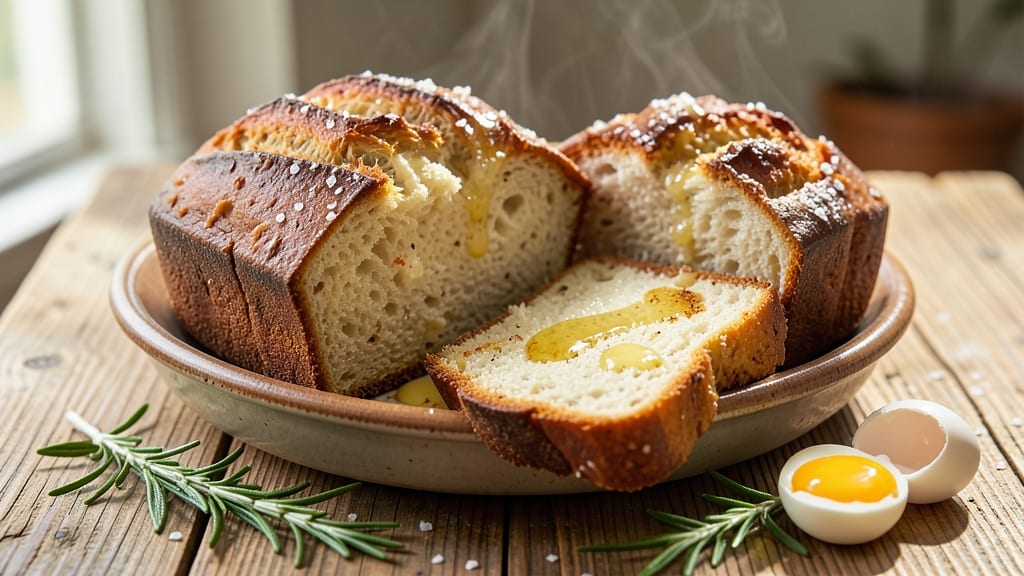
Paula Deen's bread recipe brings the soul of Southern kitchens to your table with its signature buttery crust and tender crumb—this is the kind of bread that disappears faster than conversation at a family reunion. 💛 I first tasted it during a visit to Savannah, where the warm, golden loaves were passed around with Sunday dinner like sacred offerings.
That first bite—crispy outside, soft inside, with just the right amount of sweetness—stuck with me years later.
The secret to recreating this Southern classic lies in the technique: a slow fermentation for deep flavor, precise kneading for that signature texture, and a generous brushing of melted butter before baking. This isn't just bread; it's comfort in a loaf, the kind that makes every meal feel special.
The recipe uses simple ingredients—flour, yeast, sugar, milk, and butter—but transforms them into something extraordinary with patience and care.
What you'll end up with is a loaf so good it'll have your kitchen smelling like a Southern bakery and your guests asking for seconds before the last slice is even cut.
The crust is golden and crisp, while the interior remains soft and slightly sweet, with just enough richness to satisfy even the pickiest eaters. This bread pairs perfectly with butter, honey, or jam, or serves as the centerpiece of a hearty meal.
Perfect for holiday gatherings, Sunday brunches, or simply treating yourself to a taste of the South. The recipe yields two loaves, so you'll have plenty to share—or save for later, because once you try this, you'll want to bake it again and again.
Let's get started on creating this Southern staple in your own kitchen.
Ingredients for paula deen bread
Simple pantry staples transform into golden Southern loaves with crispy crusts and tender crumb.
| Ingredient | Amount | Notes |
|---|---|---|
| All-Purpose Flour 🌾 | 8 cups | Sifted for light texture |
| Active Dry Yeast 🍞 | ¼ oz | Or 2 packets (1/4 oz each) |
| Granulated Sugar 🍚 | ¼ cup | For yeast activation |
| Unsalted Butter 🧈 | ½ cup | Cold, cubed for dough |
| Whole Milk 🥛 | 1 cup | Room temperature preferred |
| Large Eggs 🥚 | 1 whole | Room temperature |
| Salt 🧂 | 1 tsp | Kosher or sea salt |
| Melted Butter 🧈 | ½ cup | For brushing crust |
| Coarse Sugar 🍚 | 2 tbsp | For topping loaves |
| Cornmeal 🌽 | ½ cup | For dusting baking sheets |
| Poppy Seeds 🌿 | 1 tbsp | Optional for classic touch |
Flour is the foundation—King Arthur or Gold Medal work best for that signature tender crumb. Yeast is non-negotiable: grab Fresh & Easy brand if you want to skip proofing, or use standard active dry. The butter? Land O'Lakes or Plugrá—full-fat makes all the difference. Milk should be room temperature (cold milk kills yeast). I always buy extra butter because it gets used in every step—dough, brushing, and topping. For the sugar, Domino or C&H are reliable, but if you have Demerara, use that for the topping instead of coarse sugar.
No yeast? Sourdough starter at 1/4 cup works, but the flavor will differ. Butter substitute? Coconut oil or shortening, but you'll lose that rich Southern taste. Milk allergy? Warm water plus 1 tbsp sugar activates yeast just fine. The poppy seeds are optional but add that classic Paula Deen touch—Trader Joe's or bulk bins have great prices. For the coarse sugar topping, if you can't find it, pulse regular sugar in a blender until it's gritty. And trust me on the melted butter for brushing—don't skip this step—it's what gives that signature golden crust.
Dough keeps 2 days wrapped in the fridge, or 3 months frozen in a sealed bag. Shape loaves ahead and freeze them unbaked—just brush with melted butter and bake straight from frozen (add 10-15 minutes). The baked loaves stay fresh 3 days at room temperature wrapped in a towel, or 1 week in the fridge. I always bake two loaves—one for now, one for later. The extra butter brushing? Worth the extra minute—it makes the difference between good bread and showstopping bread.
Why You'll Love This Recipe
- I’ll be real: this bread is my go-to for French toast (the sugar caramelizes perfectly), toasted with jam, or even as a base for bread pudding. The butter and milk give it enough richness to handle sweet or savory, so it’s not just for Sunday mornings—it’s for any day.
- Warmth in Every Slice: Between us, there’s something about that rich, buttery aroma rising from a loaf fresh out of the oven—it’s like a hug from Paula Deen herself. The whole milk and sugar create this golden crust that’s crisp on the outside but tender inside, the kind of bread that makes you slow down and savor every bite.
- Pantry Staple Magic: Honestly? I keep this recipe on repeat because it only needs five ingredients you already own. No fancy yeast substitutes or specialty flours—just flour, butter, sugar, and milk. That first rise? You can do it while you’re watching TV or waiting for dinner to cook. No stress, no fuss.
- Breakfast to Dessert: I’ll be real: this bread is my go-to for French toast (the sugar caramelizes perfectly), toasted with jam, or even as a base for bread pudding. The butter and milk give it enough richness to handle sweet or savory, so it’s not just for Sunday mornings—it’s for any day.
Step-by-step instructions for Southern-style buttery bread
This classic Paula Deen-inspired recipe delivers golden, flaky loaves with a buttery crust that'll make your kitchen smell like Sunday morning.
👨🍳 Step 1: Activate the Yeast and Mix the Dough
In a large bowl, combine the 1 cup whole milk and 0.25 cup granulated sugar. Sprinkle the 0.25 oz active dry yeast on top and let sit for 5-10 minutes until foamy—this tells you your yeast is alive and ready to work. If it doesn't foam, start over with fresh yeast.
In a separate bowl, whisk together the 8 cups all-purpose flour and 1 tsp salt. Create a well in the center and add the yeast mixture, 1 whole large egg, and 0.5 cup cold cubed unsalted butter. Mix with a wooden spoon until a shaggy dough forms, then turn it out onto a lightly floured surface and knead for 8-10 minutes until smooth and elastic. Real talk: your dough should be soft but not sticky—if it sticks, add just enough flour to coat your hands.
🥘 Step 2: Let the Dough Rise for Maximum Flavor
Place the dough in a greased bowl, cover with a damp kitchen towel, and let it rise in a warm spot for 1-2 hours until doubled in size. I like to put my oven on its lowest setting (170°F) for 5 minutes, then turn it off and place the bowl inside—this creates a perfect warm environment. Poke the dough gently; if it springs back slowly, it's ready.
While waiting, preheat your oven to 375°F. Dust a baking sheet with 0.5 cup cornmeal—this prevents sticking and gives the bread that classic rustic look. Divide the risen dough into two equal pieces and shape them into smooth, round loaves. Here's the thing—press gently on the dough to release air bubbles while shaping, but don't overwork it or you'll deflate those beautiful bubbles.
🔥 Step 3: Bake to Golden Perfection
Place the shaped loaves on the prepared baking sheet and brush the tops generously with 0.5 cup melted butter. Sprinkle with 2 tbsp coarse sugar and 1 tbsp poppy seeds for that classic Southern touch. Bake for 25-30 minutes until the crust is deep golden brown and sounds hollow when tapped on the bottom.
I know it's tempting to open the oven early, but resist! The steam inside is what creates that beautiful crust. If the tops brown too quickly, loosely cover with aluminum foil for the last 5-10 minutes of baking. When done, transfer to a wire rack to cool completely—this prevents soggy bottoms and makes slicing easier.
⏰ Step 4: Serve Warm for Ultimate Comfort
Once cooled for 10 minutes, slice the warm loaves and serve with butter melting on top. The crust should be crispy enough to hold a knife's edge, while the interior remains soft and pillowy. This bread freezes beautifully too—wrap slices in plastic and freeze for up to 3 months. Just thaw at room temperature before serving for that fresh-baked goodness.
Here's where it gets fun—pair your bread with honey butter or jam for a perfect Southern breakfast. The buttery crust and tender crumb make every bite worth the wait, and that poppy seed topping adds just the right amount of crunch. Trust me, your kitchen will smell like home the whole time it bakes!
Pro Tips For Making Paula Deen Bread
- Warm the Milk First: Paula Deen’s bread relies on that buttery milk for tenderness, and cold milk kills yeast faster than a bad joke at a family dinner. Heat the whole milk to about 110°F (just warm to the touch) before mixing—this keeps the yeast happy and active longer. Trust me, your dough will thank you with a lighter rise.
- Cut the Butter Cold: I used to melt that unsalted butter like a lazy cook, but cold cubes make all the difference. Cut the butter into small chunks and toss them straight into the flour—this creates pockets of fat that give the bread its signature flaky layers. No need to soften it unless you’re in a rush (and even then, just let it sit out for 10 minutes).
- Don’t Over-Knead the Dough: This isn’t pizza dough—you’re not trying to win a gluten toughness contest. Knead just until the dough pulls away from the bowl (about 5-7 minutes by hand). Overworking it makes the bread dense and chewy, and nobody wants that when they’re going for that classic Paula Deen softness.
- Let It Rise Twice: The first rise is obvious, but the second one? That’s where the magic happens. After shaping, let the dough rise again until it’s nearly doubled—this ensures a light, airy crumb. I know, I know, it’s tempting to rush it, but skipping this step turns your bread into a sad, dense brick. Patience, my friend.
Serving suggestions for this paula deen bread
Breakfast Pairings
This bread shines at breakfast with honey butter—just mix ½ cup softened butter with ¼ cup honey and a pinch of salt. I like to add a splash of lemon juice for brightness.
Serve with thick-cut bacon and scrambled eggs for a Southern-style brunch that'll have everyone reaching for seconds. The buttery crust soaks up the honey perfectly, creating a sweet-savory balance. 🍯
Dinner Centerpiece
Turn your bread into the star of dinner by serving it alongside slow-cooked pot roast or smothered pork chops. The crust handles rich gravies beautifully, while the tender interior absorbs flavors.
I often make a double batch—one loaf for the table, one to keep warm in the oven for extra servings. For a lighter option, pair with roasted vegetables and a simple herb butter.
Sandwich Game-Changer
Toast thick slices and use them for Southern-style sandwiches. My go-to is fried chicken with coleslaw and a drizzle of buttermilk ranch. The bread's thickness holds up perfectly to juicy chicken, while the buttery crust adds richness.
For a vegetarian option, try grilled cheese with tomato soup—this bread makes the ultimate melt. The poppy seeds add a nice textural contrast to every bite. 🥪
Dessert Twist
Warm slices make incredible dessert bread pudding. Tear the bread into chunks, layer with vanilla custard, whipped cream, and chopped pecans, then bake until golden. I add a splash of bourbon or rum to the custard for extra depth.
For a simpler dessert, spread with peanut butter and banana slices, then broil until the peanut butter is toasty and gooey. The buttery crust adds a perfect contrast to sweet fillings. 🍌
Holiday Gift Idea
Wrap slices in parchment paper and tie with twine for beautiful holiday gifts. Include a small jar of homemade jam or a butter packet for the perfect pairing. I've seen these wrapped bread bundles at Southern markets—customers always ask for the recipe.
For a festive touch, sprinkle cinnamon sugar on the butter-brushed loaves before baking. These make thoughtful gifts that'll disappear quickly from any kitchen. 🎄
Everyday Comfort
Keep a loaf on hand for simple meals like grilled cheese or peanut butter toast. The buttery crust makes even the simplest sandwich feel special. I often serve it with soup—the crust soaks up broth beautifully, while the soft interior stays intact.
For a quick snack, spread with cream cheese and smoked salmon for an elegant bite. This bread turns everyday meals into something memorable. ✨
Nutrition facts
Frequently asked questions
Why does Paula Deen's bread have poppy seeds?
Poppy seeds add a classic Southern touch and subtle nutty flavor that complements the buttery richness. They also provide a delightful crunch contrast to the soft bread interior. This signature topping appears in many of Paula Deen's recipes, giving them that recognizable Southern charm.
Can I make this bread without yeast?
Yes, but the texture will differ significantly. Use 1/4 cup sourdough starter instead of yeast, but reduce the milk by 2 tablespoons to maintain proper hydration. The flavor will be tangier and the crumb denser, but it'll still be delicious. For best results, let the sourdough ferment 12-24 hours in the fridge before shaping.
How do I fix dense bread?
Dense bread usually means the dough didn't rise enough. Next time, ensure your yeast is fresh (it should foam within 5-10 minutes in warm milk). Also check your oven temperature—375°F is critical. If your dough sticks during kneading, add just enough flour to coat your hands, but don't overdo it or the bread will be too dry.
What's the best way to store leftover bread?
Wrap cooled loaves in a clean kitchen towel and store at room temperature for 3 days. For longer storage, slice and freeze in airtight bags for up to 3 months. Thaw slices at room temperature—they'll be just as fresh as day. The towel wrapping keeps the crust crisp while maintaining softness inside. Never store in plastic directly—it traps moisture and makes bread soggy.
Can I use this dough for dinner rolls?
Divide the dough into 12 equal pieces instead of 2 loaves. Shape into balls, place on a baking sheet, and bake at 375°F for 12-15 minutes until golden. Brush with melted butter and sprinkle with poppy seeds just before serving. These rolls pair perfectly with Sunday gravy or roasted meats. The same dough works for both loaves and rolls—just adjust the shaping!