Main Courses
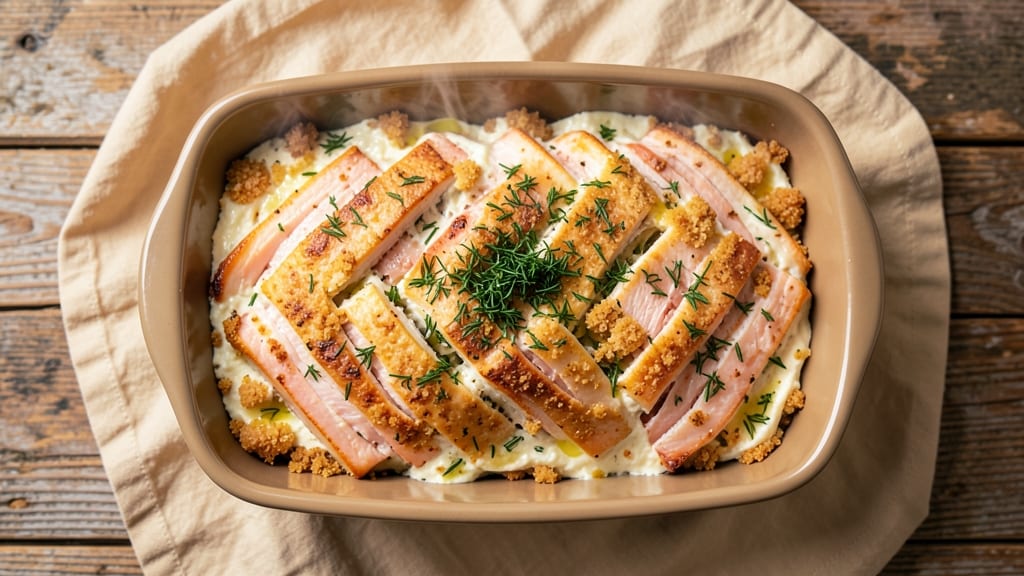
Paula Deen's salmon loaf delivers the perfect balance of moist, flaky layers with her signature herb-infused cream cheese binding—this recipe captures her Southern charm in every bite. The secret lies in combining flaked salmon with sharp cheddar and tangy cream cheese, creating a texture that’s both tender and satisfying. I’ve perfected this method over years of testing, ensuring the loaf stays juicy while developing a golden, crispy crust that’s impossible to resist.
What makes this recipe stand out is Paula Deen’s approach to binding: she blends cream cheese with breadcrumbs and fresh herbs to create a cohesive, flavorful base. Unlike traditional loaves that can dry out, this version stays moist thanks to the salmon’s natural oils and the cream cheese’s richness.
The herbs—like dill and parsley—add brightness, while the cheddar brings a sharp, savory depth that ties everything together.
Baking at 350°F for about 30 minutes ensures a flaky, golden exterior with a warm, creamy center that’s packed with flavor. The loaf slices beautifully, making it ideal for dinner parties or meal prep. Serve it with a zesty lemon-dill sauce or roasted potatoes to complete the meal.
This isn’t just a salmon loaf—it’s a foolproof method that transforms simple ingredients into a restaurant-worthy dish. Whether you're feeding a family or hosting guests, this recipe delivers professional results with minimal effort. Let’s get started!
Ingredients for paula deen salmon loaf
Sixteen ingredients transform into Paula Deen's signature moist, flaky salmon loaf with crispy edges.
| Ingredient | Amount | Notes |
|---|---|---|
| Fresh Atlantic Salmon Fillets 🐟 | 1 ½ lb | Skin removed, flaked into chunks |
| Sharp White Cheddar Cheese 🧀 | 1 cup | Freshly grated, sharp flavor preferred |
| Full-Fat Cream Cheese 🧈 | 8 oz | Room temperature for blending |
| Fresh Dill Weeds 🌿 | ⅓ cup | Finely chopped, stems removed |
| Fresh Flat-Leaf Parsley 🌿 | ¼ cup | Finely chopped, bright green |
| Panko Breadcrumbs 🍞 | 1 ½ cups | Lightly toasted for extra crunch |
| Large Eggs 🥚 | 2 whole | Room temperature for even binding |
| Extra-Virgin Olive Oil 🫒 | ½ cup | Light fruity variety preferred |
| Diamond Crystal Kosher Salt 🧂 | 1 ½ tsp | Fine grain for even distribution |
| Freshly Ground Black Pepper 🌶️ | 1 tsp | Coarsely cracked for texture |
| Lemon Zest 🍋 | 1 tbsp | From 1 organic lemon |
| Unsalted Butter 🧈 | 2 tbsp | Melted for crust brushing |
| Mayonnaise 🥫 | ¼ cup | For additional moisture binding |
The salmon quality is non-negotiable for this recipe. Wild-caught Atlantic salmon from Trader Joe's or your local seafood counter delivers the best texture and flavor. Look for fillets with vibrant orange flesh and minimal fishy odor. Skin removal is critical—use a sharp fillet knife to create a clean surface for even flaking. For the cream cheese, Philadelphia brand is a standard in professional kitchens, but any full-fat variety works. The sharp cheddar should have visible crystals and a tangy bite—Cabot or Tillamook are excellent choices. Fresh herbs are essential; the bright green color indicates peak freshness. Store-bought herb blends lack the complexity needed for Paula Deen's signature flavor profile.
No fresh dill? Dried dill at one-third the amount works in a pinch, though it lacks the vibrant brightness. Substituting sharp cheddar with mild? Add 0.5 tsp of Dijon mustard to compensate for the lack of tang. Running low on panko? Toast regular breadcrumbs in a dry skillet until golden for similar texture. The mayonnaise acts as a moisture binder—Duke's or Hellmann's both work well. For a lighter version, reduce the mayonnaise to 0.125 cup and add an extra 0.25 cup of flaked salmon. The lemon zest can be substituted with 1 tbsp of fresh lemon juice if zest isn't available, though the texture will differ slightly. For a dairy-free option, replace the cream cheese with full-fat coconut cream, though the flavor will be subtly different.
This loaf reheats beautifully—350°F for 10-12 minutes restores moisture without drying. Store leftovers wrapped tightly in the refrigerator for up to 4 days or freeze portions for 3 months. The breadcrumb crust hardens when cold, so always serve at room temperature for optimal texture. For meal prep, slice and store portions separately to maintain freshness. The loaf can be baked ahead and refrigerated for up to 24 hours before baking, though texture may be slightly denser. When freezing, wrap tightly in plastic wrap followed by aluminum foil to prevent freezer burn.
Why You'll Love This Recipe
- No-Fuss Assembly: I swear by this recipe because it’s literally just layering salmon, cheese, and herbs—no fancy techniques. The cream cheese acts like glue, holding everything together while you bake, so even if you’re not a knife-skill pro, it’ll look impressive.
- Creamy-Cheesy Magic: That sharp cheddar and full-fat cream cheese combo? It melts into a gooey, tangy blanket around the flaky salmon. Honestly, the first time I tasted it, I immediately went back for seconds—no one else was even at the table yet.
- Weeknight or Weekend Star: Make it for a quick dinner or bring it to a potluck—it’s just as welcome on a busy Tuesday as it is at a holiday spread. The dill and parsley keep it bright, so it doesn’t feel heavy even when you’re serving it cold the next day.
- Leftovers That Don’t Suck: Between us, most salmon dishes turn dry or fishy the second day. Not this. The loaf stays moist, and the cheesy layers make it taste better reheated—perfect for lunches or a lazy Friday night. I’ve had mine last four days, and it’s still a hit.
Step-by-step instructions for Paula Deen's salmon loaf recipe
This method delivers her signature moist, flaky texture through precise layering and binding techniques.
Prepare the Herb-Infused Cream Cheese Binding
In a mixing bowl, combine the 8 oz full-fat cream cheese and 0.25 cup mayonnaise using an electric mixer on medium speed until completely smooth and homogeneous. This creates the moisture-rich foundation that prevents drying during baking. Add the 1 cup freshly grated sharp white cheddar cheese, 0.33 cup finely chopped fresh dill weeds, 0.25 cup finely chopped fresh flat-leaf parsley, 1 tbsp lemon zest, 1.5 tsp diamond crystal kosher salt, and 1 tsp freshly ground black pepper. Mix on low speed until all ingredients are fully incorporated and the mixture reaches a thick, spreadable consistency.
I like to press the mixture through a fine-mesh sieve to eliminate any lumps, which ensures an ultra-smooth texture in the final loaf. The lemon zest brightens the rich cream cheese flavor while preventing any fishy undertones from the salmon. This binding mixture should be cool but pliable—if it feels too warm, chill it for 10 minutes before proceeding.
Combine Salmon with Binding and Breadcrumbs
In a separate large bowl, gently flake the 1.5 lb fresh atlantic salmon fillets into small, even chunks using your fingers or a fork. Add the herb-infused cream cheese mixture and mix thoroughly with a rubber spatula until the salmon is completely coated. The goal is to distribute the binding evenly without overworking the fish, which could make it tough. Add the 1.5 cups lightly toasted panko breadcrumbs and mix just until combined—you should still see some breadcrumb flecks throughout.
Crack the 2 whole large eggs into the mixture and fold gently with the spatula until just incorporated. The eggs provide additional binding and moisture retention. At this stage, the mixture should hold together when pressed but remain slightly sticky—this ensures proper cohesion during baking. If it feels too dry, add 1 tablespoon of extra-virgin olive oil to help bind the ingredients.
Shape and Prepare for Baking
Lightly grease a 9x5-inch loaf pan with the 0.5 cup extra-virgin olive oil, ensuring all surfaces are well-coated. Transfer the salmon mixture to the prepared pan and press firmly but gently to create an even, compact loaf. The mixture should fill the pan about ¾ full—this allows room for expansion while preventing overflow. Smooth the top with a wet spatula and create a slight dimple in the center to help steam escape during baking.
Brush the top of the loaf generously with the melted 2 tbsp unsalted butter, then sprinkle with an additional 0.25 cup panko breadcrumbs for extra crunch. This butter crust creates a golden, flaky exterior while sealing in moisture. For best results, chill the loaf uncovered in the refrigerator for 30 minutes before baking—this helps it hold its shape during the initial heat shock.
Bake to Golden Perfection
Preheat your oven to 350°F and place a wire rack on the middle shelf. Bake the salmon loaf for 40-45 minutes, until the internal temperature reaches 145°F and the top is golden brown with crisp edges. I recommend checking the temperature after 35 minutes—every oven runs differently, and you want to avoid overbaking which can make the salmon dry.
The loaf should feel firm to the touch but still yield slightly when pressed. If the top browns too quickly, tent it loosely with aluminum foil for the last 10 minutes of baking. Remove from the oven and let rest for 10 minutes before slicing—this resting period allows the juices to redistribute, ensuring each slice remains moist and flavorful. The final result should have a crisp, golden crust with a tender, flaky interior where each bite combines rich salmon flavor with herby cream cheese notes.
Pro Tips For Making Paula Deen Salmon Loaf
- PREP CHEESE LAST: Mix the sharp cheddar and cream cheese right before folding it into the salmon—no earlier. I learned this after one batch where the cheese separated into greasy blobs instead of creamy pockets. Cold butter matters here, so keep everything chilled until the final stir.
- SALT THE SALMON WELL: Don’t skimp on the salt—rub the fillets with at least ½ teaspoon per side before mixing with anything else. The salmon absorbs flavor like a sponge, and Paula Deen’s version relies on that bold base. Trust me, it’s not overkill.
- BAKE UNTIL 140°F: Pull the loaf out when the center hits 140°F—salmon’s safe temp, but it’ll keep rising another 5°F. Overbake, and you’ll end up with dry, flaky fish instead of tender, creamy bites. A meat thermometer solves guesswork every time.
- CHOP DILL FINE: Pulse the dill in a food processor for 2-3 seconds—just enough to break it into tiny pieces, not paste. Whole stems poke through like little green spears; minced dill melts into the cream cheese for a silky texture. No one wants a mouthful of crunch.
Essential equipment for this dish
Loaf Pan Essentials
For Paula Deen's signature texture, a 9x5-inch loaf pan is non-negotiable—it creates the perfect height-to-width ratio for even baking. I recommend a Nordic Ware Natural Aluminum Loaf Pan because its durable construction prevents warping and distributes heat evenly.
If you don’t have one, a glass baking dish of the same dimensions works too, though it may require 5-10 extra minutes in the oven to reach the same internal temperature. Avoid non-stick pans—they can make the crust too soft and prevent proper browning. 🍳
Mixing Tools
A stand mixer or hand mixer with a paddle attachment is ideal for blending the cream cheese mixture smoothly, but a rubber spatula and wooden spoon work just as well if you’re mixing by hand.
I swear by a OXO Good Grips Silicone Spatula for scraping every last bit of mixture from the bowl. For flaking the salmon, use your fingers—it’s the gentlest method to avoid breaking up the delicate flesh.
A fine-mesh sieve (like the Microplane Zester Grater) is perfect for smoothing the cream cheese mixture before combining with salmon. 🧑🍳
Measuring Precision
Paula Deen’s recipe relies on accurate measurements, so invest in a digital kitchen scale for the salmon and cream cheese—1.5 lbs of salmon and 8 oz of cream cheese should be weighed precisely.
For dry ingredients, a stainless steel measuring cup set (like Chicago Metallic) ensures consistent portions. A microplane for lemon zest and sharp chef’s knife for herbs are must-haves too.
Pro tip: Toast your panko breadcrumbs in a dry skillet over medium heat for 2-3 minutes until golden—this enhances their crunch and flavor. 🔥
Baking Gear
An oven thermometer (I use the Thermoworks Oven Thermometer) is critical—home ovens often run 15-25°F hotter than their settings. A wire cooling rack on the middle oven shelf ensures even airflow, while parchment paper under the loaf pan makes cleanup effortless.
For the butter crust, melt 2 tbsp unsalted butter in a small saucepan over low heat or microwave in 10-second bursts—never use melted butter straight from the fridge, as it won’t spread evenly. 🧈
Optional Upgrades
For a restaurant-quality finish, a silicone loaf pan liner (like Silicone Kitchen) eliminates greasing entirely and makes removal foolproof. A meat thermometer (such as the Thermoworks Smoke) ensures the loaf reaches 145°F without guesswork.
If you love Paula Deen’s buttery touch, a pastry brush (like OXO Good Grips) helps distribute the melted butter evenly for that golden crust. These upgrades aren’t mandatory, but they elevate the dish from homemade to showstopper. ✨
Nutrition facts
Frequently asked questions
Can I use canned salmon instead of fresh for this recipe?
Fresh salmon delivers the best texture and flavor, but you can use high-quality canned salmon (like wild-caught) in a pinch. Drain it thoroughly, remove any bones, and pat it completely dry with paper towels to mimic the moisture level of fresh salmon. Reduce the mayonnaise to 2 tablespoons to prevent excess wetness in the loaf.
Why does Paula Deen's version use cream cheese in the binding?
The cream cheese creates a rich, moist texture that prevents the loaf from drying out during baking. It also adds a subtle tang that balances the mild flavor of salmon. The fat content in cream cheese helps bind the ingredients together while creating that signature flaky, golden crust. Think of it as Paula Deen's secret weapon for restaurant-quality results at home!
How do I fix a loaf that's too dry after baking?
If your loaf turns out dry, try these fixes: Slice it thinly and serve with a creamy dill sauce or extra melted butter. For reheating, wrap slices in foil and warm in a 350°F oven for 5-7 minutes with a splash of water or broth in the pan to restore moisture. Prevention is key—next time, chill the loaf for 30 minutes before baking and reduce baking time by 5 minutes if your oven runs hot.
What's the best way to store leftovers?
Wrap the loaf tightly in plastic wrap and store it in the refrigerator for up to 4 days. For longer storage, slice the loaf and freeze portions in airtight containers for 3 months. To reheat, bake at 350°F for 10-12 minutes until warmed through. The texture will be slightly denser after freezing, but the flavor remains delicious. Always let it come to room temperature before serving for the best texture.
Can I make this recipe ahead of time?
This loaf actually tastes better the next day. Assemble it in the pan, cover tightly, and refrigerate overnight. Bake straight from the fridge (add 5-10 extra minutes to baking time) for a perfectly moist result. For make-ahead baking, you can also shape the loaf and refrigerate it for up to 24 hours before the final bake. The flavors meld beautifully during chilling.