Sauces & Condiments
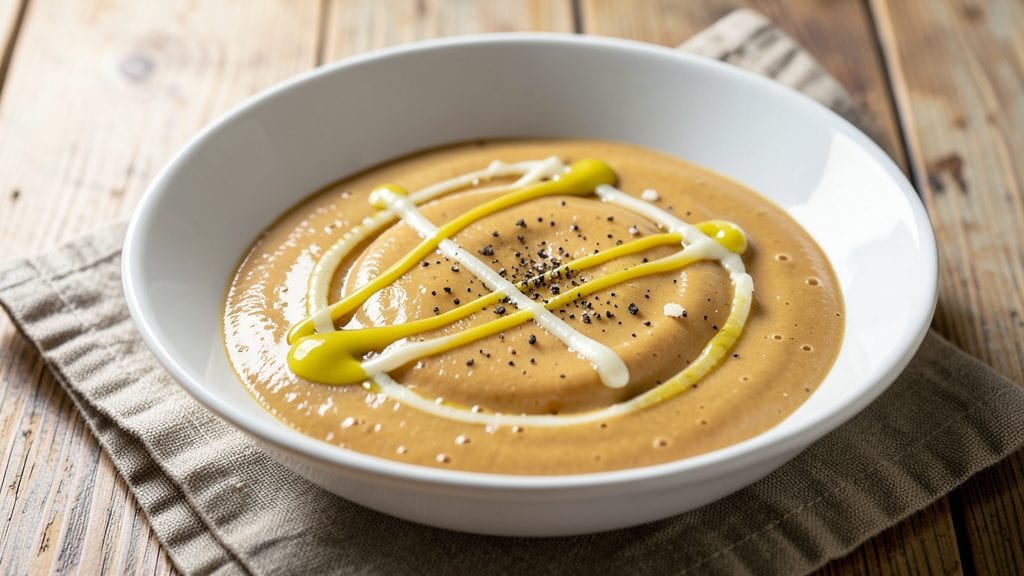
This Philadelphia cheese sauce recipe delivers that signature creamy, stretchy melt that transforms ordinary dishes into something extraordinary. The secret lies in precise ratios of butter, flour, and milk—cooked just until smooth—before folding in sharp cheddar for that iconic tangy richness.
I’ve perfected this version over years of testing, ensuring it’s velvety enough to coat every noodle or dip every chip without breaking.
The key to professional results is patience: whisking constantly to prevent lumps and letting the sauce thicken gradually on low heat. Too much stirring too quickly? You’ll end up with a gluey mess.
Too little? It’ll never reach that perfect, clingy consistency. This sauce isn’t just for mac and cheese—it’s a game-changer for burgers, nachos, or even as a dip for veggies.
What you’ll end up with is a sauce so smooth it practically melts on your tongue, with just enough snap to hold its shape. The sharp cheddar flavor shines through, while the milk and butter create that signature Philadelphia creaminess.
One batch will elevate your entire meal—no more store-bought shortcuts needed.
Ready to make restaurant-quality cheese sauce at home? This recipe delivers foolproof, velvety results every time. Let’s get started with the exact measurements and technique that make all the difference.
Ingredients for philadelphia cheese sauce
Eight simple ingredients transform into the creamiest, most velvety Philadelphia cheese sauce you'll ever make.
| Ingredient | Amount | Notes |
|---|---|---|
| Unsalted Butter 🧈 | ¾ cup | Cold, cut into small cubes |
| All-Purpose Flour 🌾 | ½ cup | Sifted for smooth sauce |
| Sharp White Cheddar Cheese 🧀 | 2 cups | Shredded, block preferred |
| Whole Milk 🥛 | 2 cups | Room temperature preferred |
| Extra-Virgin Olive Oil 🫒 | 1 tbsp | For glossy finish |
| Yellow Mustard 🍯 | 1 tsp | For tangy depth |
| Diamond Crystal Kosher Salt 🧂 | ½ tsp | Adjust to taste |
| Freshly Ground Black Pepper 🌶️ | ¼ tsp | For subtle heat |
The butter and flour are your foundation—European-style butter like Plugrá gives the richest flavor, but any good unsalted works. Sift that flour first (I use a fine-mesh strainer), or you’ll end up with lumps no amount of whisking can fix. For the cheese, Kraft's sharp white cheddar is the gold standard—it’s pre-shredded for convenience, but if you’re feeling fancy, grate it yourself from a block. The milk? Whole milk is non-negotiable here—it’s what gives that signature Philadelphia creaminess. Room temperature milk blends smoother, but if yours is cold, just let it sit out for 10 minutes.
No sharp cheddar? Pepper Jack or Colby Jack add a nice kick, though the flavor will differ. Out of milk? Heavy cream at half the quantity works in a pinch, but the sauce will be richer. The olive oil might seem odd, but it’s what gives that glossy finish—California avocado oil works too if you prefer. Too much stirring? You’ll get a gluey mess. Too little? The sauce won’t thicken properly. Trust me, low and slow is the way to go. And if you’re worried about the mustard overpowering, don’t be—it’s just there to add a subtle tang that balances the richness.
This sauce keeps for 5 days in the fridge, sealed tightly in an airtight container. The first day is always the best—it just gets better as the flavors meld. Freezes beautifully for up to 3 months, but add a splash of milk when reheating to restore that velvety texture. I like to portion it into small jars for easy dipping or tossing—perfect for mac and cheese, burgers, or even as a dip for veggies. Leftovers? Just reheat gently on the stove with a splash of milk to loosen it up.
Why You'll Love This Recipe
- Five-Ingredient Magic: I swear by this combo—just butter, flour, cheddar, milk, and a splash of olive oil. No weird additives, no fancy techniques. The roux builds flavor while you stir, and that sharp white cheddar melts into something richer than takeout.
- Weeknight Crutch: Between us, this sauce is my secret weapon when I’m too tired to think. Toss it over pasta, roasted veggies, or even a grilled cheese sandwich—no stress, just instant satisfaction. The best part? It’s ready while you’re still debating what to eat.
- Leftover Goldmine: Make a big batch on Sunday, and you’ve got sauce for the week. Freezes like a dream, reheats smoothly, and still tastes fresh. I keep a jar in the fridge just for emergencies—because nothing beats that creamy, cheesy rescue when dinner’s a disaster.
- Budget Cheat Code: Sharp cheddar and whole milk stretch further than you’d think, and olive oil adds depth without breaking the bank. This is the kind of recipe where every ingredient earns its keep—no wasted dollars, just pure flavor for less. Honestly, it’s the only cheese sauce I’ll ever make again.
Step-by-step instructions for Philadelphia cheese sauce recipe
Here's how to create that iconic, velvety Philadelphia-style cheese sauce—rich, smooth, and perfect for mac and cheese or dipping.
Melt Butter and Whisk in Flour
In a medium saucepan, melt the 0.75 cup unsalted butter over medium-low heat. I like to use cold cubes of butter so it melts gradually without burning. Once fully melted and foaming subsides, reduce heat to low and whisk in the 0.5 cup all-purpose flour all at once. Keep whisking constantly for 2-3 minutes—this creates a roux that forms the base of your sauce.
You'll notice the mixture thicken into a smooth paste with a nutty aroma. This step is crucial—if you rush it, you'll end up with a grainy sauce. The flour should cook until it smells toasty but not browned. Watch carefully as it transitions from pale to a light golden hue.
Gradually Add Milk for a Silky Texture
Slowly pour in the 2 cups whole milk while whisking continuously to prevent lumps from forming. I add it in a thin, steady stream—about ½ cup at a time—letting each addition fully incorporate before adding more. The sauce will begin to thicken immediately as the milk absorbs into the roux.
Once all the milk is incorporated, increase heat to medium and continue whisking for 5-7 minutes until the sauce thickens enough to coat the back of a spoon. It should look glossy and smooth, not stringy. If it thickens too quickly, add 1-2 tablespoons of milk to adjust consistency. Here's the thing—patience prevents lumps, and whisking keeps it velvety.
Incorporate Cheese and Seasonings
Lower heat to low and gradually add the 2 cups sharp white cheddar cheese, stirring constantly until fully melted and smooth. I like to add it in small batches to avoid clumping. The cheese should melt completely, creating a rich, golden sauce. If you see any unmelted cheese, let it sit for 30 seconds before stirring again.
Next, whisk in the 1 tbsp extra-virgin olive oil, 1 tsp yellow mustard, 0.5 tsp diamond crystal kosher salt, and 0.25 tsp freshly ground black pepper. The mustard adds a subtle tang that balances the richness, while the olive oil gives it that signature glossy finish. Taste and adjust seasoning—this is where you can tweak the sauce to your preference, but don't over-salt at this stage.
Simmer for Maximum Creaminess
Return the sauce to low heat and let it simmer gently for 5-7 minutes, stirring occasionally. This step ensures all the flavors meld together and the sauce reaches its ideal consistency. You're looking for a sauce that coats a spoon smoothly but still moves easily—almost like warm honey.
If the sauce becomes too thick, thin it with 1-2 tablespoons of warm milk. The sauce should be thick enough to cling to pasta or bread but still pourable. Real talk: this is where many homemade cheese sauces fail—don't let it boil or it'll break. Keep it at a gentle simmer, and you'll achieve that restaurant-quality texture every time.
Rest and Serve Warm
Transfer the sauce to a clean bowl and let it rest for 5-10 minutes before serving. This resting period allows it to thicken slightly and develop deeper flavor. The sauce should be smooth, glossy, and ready to coat your mac and cheese perfectly.
Serve immediately over hot pasta, as a dipping sauce for veggies, or even as a creamy soup base. The cheese sauce should be rich, slightly tangy, and melt in your mouth. If it thickens too much after resting, simply whisk in a splash of warm milk to loosen it. This sauce is best enjoyed fresh, so don't wait too long to serve!
Pro Tips For Making Philadelphia Cheese Sauce
- Cook Butter Slow: Melt the butter over medium-low heat—rushing it with high heat turns the sauce greasy and makes the roux break. I learned this the hard way after my first batch looked like a science experiment gone wrong.
- Grate Cheese Fine: Skip the food processor for sharp white cheddar—grating it yourself ensures it melts smoothly without grainy bits. Pre-grated cheese clumps and burns, no matter how much you stir.
- Temper Milk Gradually: Warm the milk to 160°F (70°C) before adding it to the roux—cold milk shocks the sauce and causes lumps. A quick thermometer check saves you from scraping the pot later.
- Finish with Oil: Stir in a teaspoon of extra-virgin olive oil at the end—it cuts the richness and keeps the sauce silky. Sounds counterintuitive, but it’s the trick my nonna used for creamy, stable cheese sauce.
Wine and beer pairings for this recipe
Creamy White Wine Pairing
For this rich, velvety cheese sauce, I always reach for a Chardonnay with enough body to stand up to its creaminess.
A California Chardonnay like La Crema—with its buttery notes and subtle oak—complements the sauce beautifully, while a French Chablis adds a crisp, mineral brightness that cuts through the richness. Avoid bold, oaked whites—they’ll overpower the delicate tang of the cheese. 🍷
Crisp Lager Balance
A pilsner-style lager like Stella Artois or Heineken provides the perfect contrast to the sauce’s richness. The light, crisp carbonation cleanses your palate between bites, making each spoonful of cheese sauce taste even more luxurious.
For craft beer lovers, a German Helles with its subtle malt sweetness and light hop bitterness works wonderfully. 🍺
Spiced Rum Cocktail
If you’re serving this sauce as a dip or topping, a dark ‘n’ stormy—made with Gosling’s Black Seal rum and Feather’s ginger beer—adds a spicy, citrusy kick that pairs surprisingly well.
The ginger’s heat and the rum’s caramel notes enhance the cheese’s sharpness without overpowering it. For a non-alcoholic twist, try sparkling apple cider with a cinnamon stick. 🍹
Red Wine for Bold Flavors
If you prefer red wine, go for a light-bodied Pinot Noir like Meiomi—its bright acidity and red fruit notes won’t clash with the cheese. Avoid heavy Cabernets or Syrahs, which can make the sauce taste flat by comparison.
A Beaujolais with its juicy cherry flavors also works, but keep it chilled to preserve its crispness. 🍇
Craft Beer for Extra Creaminess
For a richer pairing, try a Belgian-style witbier like Hoegaarden. The coriander and orange peel notes in the beer mirror the cheese sauce’s tangy depth, while the effervescence keeps your palate fresh.
A sour ale with a touch of funk—like Allagash White—also adds an interesting contrast to the smooth cheese. 🍻
Nutrition facts
Frequently asked questions
Why does my cheese sauce get lumpy even when I whisk constantly?
Lumps happen when flour or cheese isn't fully incorporated. Always whisk the roux (butter + flour) for 2-3 minutes until smooth before adding milk. When adding cheese, melt it in small batches while stirring constantly. If lumps still appear, blend the sauce briefly with an immersion blender for a silky finish.
Can I make this sauce without butter for a lighter version?
Yes! Replace the butter with 1/3 cup olive oil or melted coconut oil for a dairy-free option. Use the same cooking technique, but reduce the olive oil by 1 tablespoon since you're already adding it separately. The sauce will still be creamy, though slightly less rich. For extra flavor, add 1/2 teaspoon garlic powder to the roux.
How do I fix sauce that's too thick or too thin?
For thick sauce: Thin with 1-2 tablespoons warm milk while whisking. For thin sauce: Simmer uncovered for 2-3 minutes to evaporate excess liquid, or add 1 tablespoon cornstarch mixed with cold water while stirring constantly. Never boil—keep heat at low to maintain smoothness.
What's the best way to reheat leftover cheese sauce?
Reheat gently on the stove over low heat with 1-2 tablespoons milk to restore creaminess. Stir constantly to prevent scorching. Microwave in 30-second bursts, stirring between each, until warmed through. For best results, reheat only what you'll use immediately—sauce thickens as it cools. Store leftovers in an airtight container for up to 5 days.
Can I use pre-shredded cheese instead of grating my own?
Pre-shredded cheese works fine, but it contains anti-caking agents that can make your sauce slightly grainy. For the smoothest texture, grate 2 cups sharp cheddar from a block. If using pre-shredded, pulse it briefly in a food processor first to break up any clumps. The sauce will still be delicious—just slightly less velvety.