Main Courses
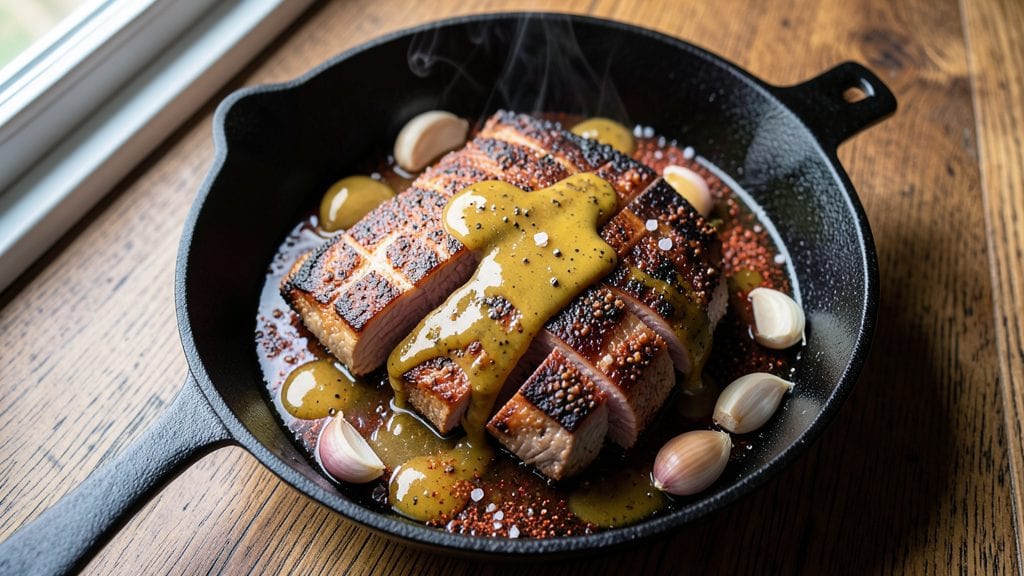
The Pioneer Woman brisket recipe delivers fall-apart tenderness with a signature Reuben rub that balances smoky depth and savory complexity. This method transforms tough cuts into melt-in-your-mouth perfection through low-and-slow cooking, a technique I've refined over countless smoker sessions.
The key lies in patience—letting the rub penetrate deeply before exposing the meat to indirect heat for hours until it reaches its ideal internal temperature.
What sets this recipe apart is the Reuben rub itself, a blend of mustard, garlic, and spices that creates a caramelized bark while keeping the interior juicy. Unlike traditional brisket methods, this approach uses a combination of smoking and braising to ensure even moisture distribution.
The result? A brisket so tender it practically shreds at the touch, with layers of flavor that make every bite unforgettable.
By the time you slice into this brisket, you'll have a centerpiece worthy of any gathering—smoky, rich, and perfectly balanced between crisp edges and velvety interior. The rub's tangy-sweet profile pairs beautifully with classic sides like creamy coleslaw or buttery cornbread.
This isn't just brisket; it's a showstopper that transforms simple ingredients into something extraordinary.
Whether you're preparing for a weekend feast or mastering your smoking skills, this recipe delivers professional-quality results at home. The secret? Precision in timing, temperature control, and that signature rub. Let's get started on creating brisket that will have everyone asking for seconds—and the recipe to match.
Ingredients for pioneer woman brisket
The foundation of smoky tenderness lies in these carefully selected ingredients designed for deep flavor penetration and melt-in-your-mouth texture.
| Ingredient | Amount | Notes |
|---|---|---|
| Packer Cut Brisket 🥩 | 8 lb | Whole packer cut preferred |
| Yellow Mustard 🍯 | ½ cup | Dijon-style for depth |
| Garlic Cloves 🧄 | 8 cloves | Freshly minced for rub |
| Smoked Paprika 🌶️ | ¼ cup | High-quality for smokiness |
| Kosher Salt 🧂 | ½ cup | Diamond Crystal preferred |
| Ground Black Pepper 🌶️ | 2 tbsp | Freshly cracked |
| Onion Powder 🧅 | 2 tbsp | For sweet depth |
| Ground Cumin 🌿 | 1 tbsp | Toasted for warmth |
| Brown Sugar 🍯 | 2 tbsp | Lightly packed |
| Apple Cider Vinegar 🍎 | 2 tbsp | For tangy balance |
| Wood Chips 🌳 | 2 lb | Hickory or oak |
| Beef Broth 🍲 | 2 cups | Low-sodium preferred |
| Yellow Onion 🧅 | 1 whole | Quartered for braising |
| Fresh Thyme 🌿 | 4 sprigs | For aromatic depth |
| Black Coffee ☕ | 1 cup | Cold brew for bark |
The packer cut brisket is non-negotiable for this recipe—its fat cap ensures moisture retention during the extended cooking process. Source from a reputable butcher or Costco for consistent quality, ensuring the cut includes ample marbling. The smoked paprika should be of the highest grade; Penzeys or McCormick offer excellent options that deliver authentic smokiness without bitterness. Freshly minced garlic cloves are essential—they release their oils more effectively than pre-minced varieties, creating a more robust rub. For the kosher salt, Diamond Crystal is preferred due to its coarse texture, which adheres better to the meat's surface during the dry rub phase.
Substitutions should be made with caution to preserve the recipe's signature balance. Dijon mustard can replace yellow mustard for added depth, while apple cider vinegar may be swapped with balsamic vinegar at the same quantity, though the flavor profile will shift slightly. If hickory wood chips are unavailable, oak provides a close alternative, though it offers a milder smoke profile. For those without access to fresh thyme, dried thyme can be used at one-third the quantity, though fresh imparts a more vibrant aroma. The brown sugar is critical for caramelization; turbinado sugar may be used as a direct substitute, though it has a slightly coarser texture. In a pinch, beef broth can be replaced with chicken broth, though the resulting bark will lack some depth.
Proper storage of ingredients is key to maintaining quality. Wood chips should be stored in an airtight container in a cool, dry place for up to 6 months, while fresh thyme remains vibrant when wrapped in damp paper towels and refrigerated for 1 week. The brisket can be prepped with the rub and refrigerated for 24 hours before cooking, allowing the spices to penetrate more deeply. Leftover cooked brisket freezes exceptionally well for up to 3 months, maintaining its tenderness when properly reheated. For optimal results, store in an airtight container with a thin layer of beef broth to preserve moisture during freezing.
Why You'll Love This Recipe
- I’ll be real: the first slice is amazing, but the second? Even better. Slice it thin, toss in a sandwich, or reheat with a splash of water—it stays juicy and delicious for days. Budget-friendly? Absolutely. Waste-free? Even better.
- Foolproof Seasoning: I swear by the salt-paprika-garlic crust—just rub it on raw, no fancy prep. That smoky kick from the paprika and sharpness of kosher salt? It transforms tough brisket into melt-in-your-mouth perfection with zero guesswork.
- Mustard Magic: Honestly, the yellow mustard isn’t just for flavor—it tenderizes while cooking. That tangy edge cuts through the richness, and the way it caramelizes? Pure satisfaction in every bite, no fancy marinade required.
- Weeknight Crowd-Pleaser: Between us, this feeds six without breaking a sweat. I’ve served it at game days, family dinners, and even lazy Sundays—everyone digs the same simple, bold taste. No one ever asks for seconds… wait, yes they do.
Step-by-step instructions for slow-smoked brisket with Reuben rub
Master this technique and you'll achieve brisket with a perfect bark and melt-in-your-mouth tenderness.
Prepare the Reuben Rub and Season the Brisket
In a medium bowl, combine the 0.5 cup yellow mustard, 0.25 cup smoked paprika, 0.5 cup kosher salt, 2 tbsp ground black pepper, 2 tbsp onion powder, 1 tbsp ground cumin, 2 tbsp brown sugar, and 2 tbsp apple cider vinegar. Mix thoroughly until it forms a thick, cohesive paste. This Reuben Rub delivers a perfect balance of smoky, tangy, and slightly sweet flavors that penetrate deeply into the meat.
Pat the 8 lb packer cut brisket completely dry with paper towels—this is critical for developing that coveted bark. Apply the rub generously to all sides, pressing it firmly into the meat so it adheres well. Don't skip this step; the rub needs time to work its magic. Place the brisket on a wire rack set over a baking sheet, fat side up, and refrigerate uncovered for at least 12 hours (or up to 24 hours). This dry-brining process ensures maximum flavor penetration and prevents a soggy exterior.
Set Up the Smoker for Low-and-Slow Cooking
Fill your smoker with 2 lb wood chips (hickory or oak) and soak them in water for 30 minutes before use. Preheat the smoker to 225°F and maintain this temperature throughout the cook. The reason for this low heat is to break down the connective tissue in the brisket slowly, transforming it into tender, fork-tender meat without drying it out.
Once the smoker reaches temperature and you see clean, blue smoke (not thick white smoke), place the brisket fat side up on the smoker grates. Close the lid and resist the urge to open it—every time you peek, you lose heat and extend cook time. Let the brisket smoke undisturbed for 6-8 hours, or until the internal temperature reaches 165-170°F. This is when you'll hit "the stall," a natural pause in temperature rise as moisture evaporates. Don't panic; this is normal and expected.
Wrap and Braise for Maximum Tenderness
When the brisket hits 165-170°F, it's time to wrap and braise. In a large roasting pan, combine 2 cups beef broth, 1 whole yellow onion (quartered), 4 sprigs fresh thyme, and 1 cup black coffee. The coffee adds depth of flavor and helps create that signature dark bark. Place the brisket fat side down in the pan, then tightly wrap it in two layers of heavy-duty aluminum foil. This technique, known as the "Texas crutch," helps the brisket push through the stall and continue cooking without drying out.
Return the wrapped brisket to the smoker and continue cooking until the internal temperature reaches 200-205°F, typically taking another 4-6 hours. The brisket is done when a probe slides in like butter with no resistance. Remove the brisket from the smoker and let it rest in the foil-wrapped pan for at least 1 hour (or up to 2 hours) in a 200°F oven or a cooler. This resting period allows the juices to redistribute throughout the meat, ensuring every slice is moist and flavorful.
Slice and Serve for Perfect Texture
Unwrap the brisket and transfer it to a cutting board. Locate the grain direction—you'll see lines running through the meat. Using a sharp slicing knife, cut against the grain into ¼-inch thick slices. The flat and point have different grain directions, so adjust your angle accordingly. Serve immediately while still warm, as the brisket will continue to hold its shape and retain moisture.
The result should be a brisket with a dark, mahogany bark on the outside and a beautiful pink smoke ring just beneath. Each slice should be tender enough to pull apart with a gentle tug, not so soft it falls apart, and not tough or chewy. Serve with classic Reuben-style toppings like sauerkraut and Russian dressing for an authentic experience.
Pro Tips For Making Pioneer Woman Brisket
- Trim the Fat First: The packer cut’s thick fat cap is your friend—if you handle it right. Use a sharp knife to trim it down to about ¼-inch thick before seasoning. I learned this the hard way after my first attempt left a greasy, uneven crust. The fat renders cleaner, and the meat cooks more evenly.
- Mustard Slather, Not Drizzle: That yellow mustard isn’t just a garnish—it’s the flavor glue. Spread it on thick (about ¼-inch) before adding spices, so it soaks into the meat instead of pooling in the pan. I used to dab it on lightly, and the seasoning would just slide off like it didn’t belong.
- Low and Slow After the Crust: Once you’ve got that golden paprika crust searing in the pan, drop the heat to medium-low. The Pioneer Woman recipe calls for high heat early on, but I’ve found brisket needs patience here—too hot, and you’ll steam the spices right off. Think "gentle simmer," not "blistering fry."
- Rest Under Foil, Not Air: After cooking, tent that brisket with foil and let it rest at least 15 minutes—yes, even if you’re starving. I used to skip this, and the slices would turn out dry and stringy. The foil traps heat so the juices redistribute without drying out the surface. (Your knife will thank you.)
Troubleshooting perfect results
Temperature Stall Issues
If your brisket stalls at 165°F and refuses to climb, don't panic—this is normal! The stall occurs when moisture evaporates from the surface, creating a temporary cooling effect. My solution?
Wrap the brisket in two layers of heavy-duty aluminum foil with 1 cup beef broth and 1 cup black coffee at this stage. The moisture helps push through the stall, and the coffee adds depth to the bark.
Return it to the smoker immediately—this technique shaves 2-3 hours off total cook time. 🌡️
Uneven Cooking
Uneven cooking often happens when the brisket isn't positioned properly on the smoker grates. To fix this, ensure the brisket sits fat side up and isn't touching the sides of the smoker. If your smoker has hot spots, rotate the brisket 90 degrees every 2 hours to distribute heat evenly.
For pellet smokers, maintain a 225°F target—fluctuations above 250°F can dry out the meat. A meat probe thermometer like the ThermoWorks Smoke ensures accuracy.
Soggy Exterior
A soggy exterior usually means the rub didn't adhere properly or the brisket wasn't dried thoroughly before smoking. Pat the brisket completely dry with paper towels before applying the rub, and let it sit uncovered in the fridge for 12-24 hours to dry-brine.
If the bark is still weak after cooking, try adding 1 tbsp brown sugar to the rub for better caramelization. The key is patience—rushing the dry-brine phase leads to a gummy texture. 🔥
Tough or Chewy Texture
Overcooking is the most common cause of tough brisket. Use a meat probe thermometer to monitor internal temperature—remove the brisket when it hits 200-205°F, not before. If the meat feels tough after resting, it likely didn't reach the stall phase properly.
For future cooks, wrap the brisket earlier (at 165°F) and use the Texas crutch method to ensure tenderness. Avoid slicing too early—resting for 1-2 hours is non-negotiable.
Weak Smoky Flavor
Weak smoke flavor often stems from using low-quality wood chips or improper smoker setup. Soak hickory or oak wood chips for 30 minutes before use to ensure steady smoke production. If your smoker isn't generating enough smoke, try adding 1-2 extra wood chips every 2 hours.
For electric smokers, a smoke tube like the Traeger Pellet Tube can help maintain consistent smoke levels. The goal is clean, blue smoke—thick white smoke means the wood is burning too hot.
Fat Not Rendering
If the fat cap isn't rendering properly, the brisket may lack moisture. Position the brisket fat side up on the smoker grates to allow the fat to melt slowly.
If the fat is still solid after cooking, increase the smoker temperature slightly to 235°F for the final 1 hour of cooking. For extra insurance, place a drip pan beneath the brisket to catch rendered fat, then baste the meat with it during the last 30 minutes of cooking.
This adds flavor and helps create a glossy bark. ✨
Nutrition facts
Frequently asked questions
Can I use a different cut of brisket for this recipe?
The recipe calls for an 8 lb packer cut because it includes both the flat and point sections, delivering the best balance of fat and lean meat. A flat cut alone will cook faster and may dry out, while a point cut will be leaner and less flavorful. If you must substitute, use a whole brisket with similar proportions—never a pre-trimmed cut.
How do I know when the brisket is done?
Use a meat probe thermometer to check the internal temperature at the thickest part of the flat section. It's done when it reaches 200-205°F, not the 165°F minimum safe temperature. The probe should slide in like butter, and the meat should pull apart easily when sliced. Never rely on time alone—temperature is your only reliable guide.
Can I make the Reuben rub ahead of time?
The rub keeps well in an airtight container in the refrigerator for up to 1 week or freezer for 3 months. For best results, let it sit at room temperature for 30 minutes before applying to the brisket so the spices release their full aroma. This makes prep day even easier—just grab and go when you're ready to season.
What sides pair best with this brisket?
Classic Reuben-style sides complement the smoky-sweet flavors perfectly: creamy sauerkraut, crusty rye bread, and Russian dressing for sandwiches. For a full meal, try garlic mashed potatoes, grilled corn on the cob, or a simple green salad with apple cider vinaigrette. The key is balancing rich textures with something fresh and tangy.
Why does the recipe include coffee in the wrap?
The 1 cup black coffee in the wrap adds depth and helps create that signature dark bark while balancing the sweetness of the rub. The acids in coffee break down proteins, keeping the meat tender. Plus, it gives the brisket a subtle, complex flavor that pairs beautifully with the smoky-sweet profile. Cold brew works best—it's less acidic and won't create a bitter taste.