Main Courses
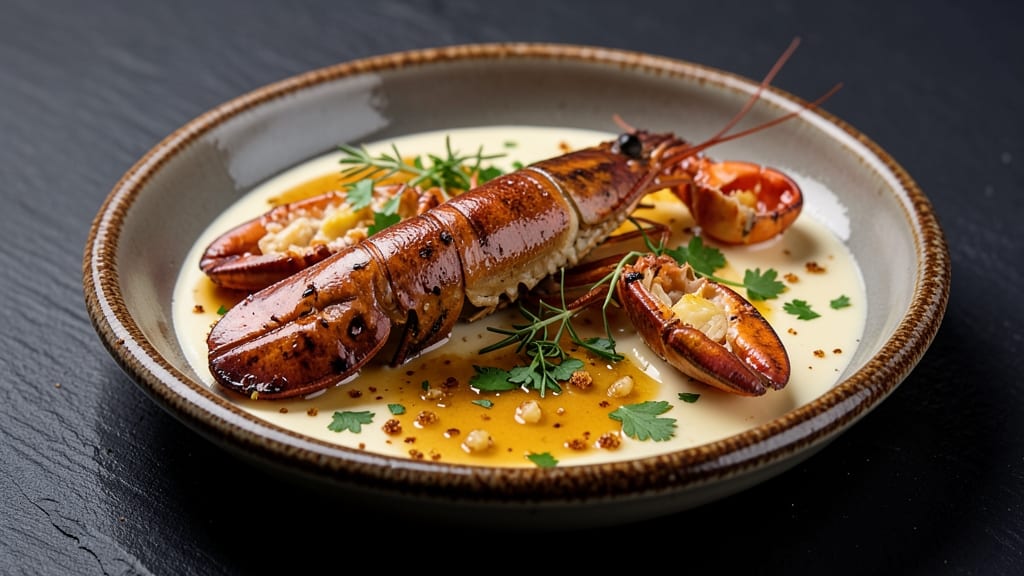
This potted lobster recipe transforms a decadent seafood centerpiece into a luxurious, restaurant-worthy dish with minimal effort. Born from British coastal traditions, potted lobster elevates simple ingredients—rich butter, aromatic herbs, and a touch of cream—into a velvety, flavor-packed experience.
The key lies in the slow, gentle poaching process that keeps the lobster meat tender while infusing it with garlic-herb essence.
What sets this method apart is its versatility—whether you're working with live lobsters or thawed tails, the technique remains foolproof. A court bouillon reduction (or classic butter-cream blend) creates the signature sauce, while a crisp oven finish ensures the lobster stays moist without overcooking.
The result? A dish so elegant it feels like a special occasion, yet simple enough for weeknight dinners.
By the time you plate this lobster, you’ll have golden, buttery meat that practically melts in your mouth, surrounded by a fragrant, herb-infused sauce. The aroma alone will have guests anticipating every bite, while the texture—tender yet firm—delivers on all promises.
Perfect for impressing guests or treating yourself to a seafood extravaganza.
For those with dietary considerations, this recipe clearly highlights its seafood content while offering a pescatarian-friendly approach. The method scales beautifully for gatherings, and leftovers (if any) reheat gracefully. Ready to master this classic with a modern twist?
Ingredients for potted lobster
Buttery lobster meets aromatic herbs in this luxurious seafood centerpiece requiring just fourteen ingredients.
| Ingredient | Amount | Notes |
|---|---|---|
| Live Lobsters or Thawed Lobster Tails 🦞 | 2 lb | Shell-on preferred for traditional presentation |
| Unsalted European-Style Butter 🧈 | 1 cup | High-fat content for optimal flavor infusion |
| Heavy Whipping Cream 🥛 | ½ cup | Full-fat for velvety sauce texture |
| Garlic Cloves 🧄 | 8 cloves | Freshly smashed for aromatic depth |
| Fresh Thyme Sprigs 🌿 | ¼ cup | Leaves only, stems discarded |
| Fresh Parsley Sprigs 🌿 | ¼ cup | Flat-leaf preferred for presentation |
| Fresh Bay Leaves 🍃 | 2 whole | Dried bay leaves work in a pinch |
| Dry White Wine 🍷 | ½ cup | Sauvignon Blanc recommended |
| Diamond Crystal Kosher Salt 🧂 | 1 ½ tsp | Fine grain for even dissolution |
| Fresh Lemon Juice 🍋 | 2 tbsp | From 1/2 medium lemon |
| Freshly Ground Black Peppercorns 🌶️ | ½ tsp | Coarsely cracked for texture |
| Vegetable Oil 🫒 | 2 tbsp | For pre-heating oven pan |
| Fresh Chives 🌿 | 2 tbsp | Finely chopped for garnish |
| Lemon Zest 🍋 | 1 tsp | From 1/2 medium lemon |
The lobster selection is paramount—live lobsters from a reputable seafood purveyor like Whole Foods Market or New England Lobster Company ensure optimal freshness. For thawed tails, opt for vacuum-sealed varieties stored at 0°F or below. The butter should be European-style with 82% fat content—Plugrá or Kerrygold brands deliver superior flavor. Fresh herbs must be vibrant; wilted parsley or thyme will compromise the dish's elegance. When selecting wine, dry Sauvignon Blanc from New Zealand or Chile provides the necessary acidity without overpowering the delicate lobster flavor.
Substitutions should be made judiciously. For wine, dry vermouth or additional lemon juice can replicate the acidity profile. If fresh bay leaves are unavailable, dried bay leaves at one-quarter the quantity suffice, though the flavor will be less nuanced. For those avoiding wine entirely, additional lemon juice and a splash of seafood stock create an acceptable court bouillon alternative. The cream can be substituted with heavy cream substitute for reduced fat, though texture will differ. When using thawed lobster tails, ensure they're fully defrosted in the refrigerator—never at room temperature—to maintain meat integrity.
Proper storage begins with the lobster—live lobsters should be stored in a well-ventilated container with ice for no more than 24 hours prior to cooking. Fresh herbs should be wrapped in damp paper towels and refrigerated for up to 5 days. The prepared butter-cream mixture can be refrigerated for 3 days or frozen for 3 months, though texture may slightly alter upon reheating. When reheating, use low heat to prevent sauce separation. Leftover lobster meat can be repurposed into lobster rolls or salads, though the sauce should be consumed fresh for optimal flavor.
Why You'll Love This Recipe
- One-Pot Magic: I swear by this recipe—just lobster tails, butter, cream, and thyme in one dish. No chopping, no fuss, and that rich butter pool? It’s basically melting into heaven while you stir.
- Garlic-Butter Bliss: That first bite of lobster with the crispy shell crackling over velvety garlic butter? Honestly, it’s the kind of flavor that makes you pause mid-chew just to savor it. The cream ties it all together like a hug.
- Date Night Ready: Between us, this is my go-to for impressing someone special. It takes 30 minutes max, looks fancy in a skillet, and the aroma alone makes the room feel like a bistro. (Yes, even on a Tuesday night.)
- Leftovers That Don’t Suck: The good news? This keeps better than most seafood dishes. Reheat the lobster tails in the butter sauce, and it’s like it was just made. My kids even fight over the scraps—proof it’s actually foolproof.
Step-by-step instructions for potted lobster
Master this luxurious technique where tender lobster poaches in rich butter and aromatic herbs.
Prepare the Lobster and Aromatics
Begin by thoroughly cleaning the live lobsters or thawed tails if using frozen. For live lobsters, submerge them in boiling water for 30 seconds to stun them humanely, then drain and rinse under cold water. Pat dry completely with paper towels—moisture is the enemy of crispy shells and perfect poaching.
While the lobsters chill, prepare the aromatics. Peel the 8 cloves garlic and smash them lightly with the flat side of a knife to release their oils without mincing. Strip the leaves from the 0.25 cup fresh thyme sprigs and 0.25 cup fresh parsley sprigs, discarding woody stems. Tear the 2 whole fresh bay leaves in half to release their essential oils more effectively.
Create the Poaching Bath
In a large, deep skillet or Dutch oven that can accommodate the lobsters snugly, melt the 1 cup unsalted European-style butter over medium-low heat. The butter should foam gently but not brown—this ensures a delicate, golden sauce rather than a bitter one. Once melted, add the 2 tbsp vegetable oil to help distribute heat evenly and prevent the butter from seizing.
Add the smashed garlic, thyme, parsley, and bay leaves to the butter. Cook for 2-3 minutes until the garlic turns pale golden and the herbs release their fragrance. This infusion forms the aromatic base of your potted lobster. Immediately pour in the 0.5 cup dry white wine, scraping up any browned bits from the bottom of the pan—these contain concentrated flavor.
Poach the Lobster to Perfection
Carefully add the lobsters to the skillet, shell-side down if using tails or with the underside facing the butter. Pour in the 0.5 cup heavy whipping cream and bring the liquid to a gentle simmer over low heat. The temperature should never exceed 160°F—this ensures the lobster remains tender rather than rubbery. Cover the pan with a lid and poach for 8-10 minutes for live lobsters or 6-8 minutes for thawed tails, until the meat is opaque and the shells begin to curl slightly at the edges.
Here's the thing—don't overcook. Lobster continues to cook slightly as it rests, and you want it tender yet still slightly firm to the touch. Test doneness by gently probing the thickest part of the tail with a knife; it should offer slight resistance but yield cleanly. Remove the lobsters with tongs and set them aside on a warm platter.
Reduce the Sauce and Finish
Return the poaching liquid to a gentle simmer over medium heat. Reduce it by half—this should take about 5 minutes—until it thickens into a velvety sauce that coats the back of a spoon. Season with the 1.5 tsp diamond crystal kosher salt, 0.5 tsp freshly ground black peppercorns, 2 tbsp fresh lemon juice, and 1 tsp lemon zest. Stir in the 2 tbsp finely chopped fresh chives just before removing from heat to preserve their bright color and delicate flavor.
The sauce should be rich, glossy, and infused with the lobster's natural sweetness. If it's too thick, whisk in 1-2 tablespoons of reserved poaching liquid to achieve the perfect consistency. Real talk: this sauce is worth the effort—it's the soul of your potted lobster.
Pro Tips For Making Potted Lobster
- Boil Lobsters Alive: DESCRIPTION: If using live lobsters, plunge them headfirst into boiling salted water—no need to wait for the pot to boil again after adding them. I learned the hard way that a quick, violent death keeps the meat sweeter, and it’s actually more humane than letting them sit in warm water.
- Brown Butter First: DESCRIPTION: Melt the European-style butter until it’s a deep golden brown—almost nutty—before adding cream and garlic. This adds a rich, toasty depth that cuts through the richness of the lobster. Skip this, and you’ll miss the flavor that makes potted lobster feel special.
- Reduce Cream Early: DESCRIPTION: Simmer the heavy cream with thyme and garlic until it’s reduced by about a third before adding the lobster meat. This thickens the sauce naturally and prevents a watery finish—no need for cornstarch or heavy cream substitutes.
- Don’t Overcook Tails: DESCRIPTION: Thawed lobster tails cook in just 3–4 minutes in the sauce—any longer, and they turn rubbery. Use a meat thermometer to check: 130°F (54°C) is perfect. Overcooking is the fastest way to ruin this dish.
Serving suggestions for leftovers
Classic Plating Style
The most traditional approach is to serve potted lobster directly in its shell, creating an elegant, rustic presentation. Use a large, shallow platter and arrange the lobsters with their shells facing upward. Spoon the buttery garlic-herb sauce generously over the meat, allowing it to pool slightly at the base.
Garnish with finely chopped chives and a sprinkle of lemon zest for a pop of color. This method highlights the lobster's natural beauty while keeping the sauce contained—perfect for a formal dinner. 🦞
Modern Twist: Sauce Drizzle
For a more contemporary look, plate the lobster meat directly on a white or neutral plate (I love Stone Island or Le Creuset ceramic). Use a small offset spatula to create an elegant drizzle of sauce around the lobster, mimicking a coulis.
Add a small pool of sauce on the side for dipping, and finish with microgreens or edible flowers for a restaurant-worthy touch. This approach works beautifully for seafood-focused gatherings.
Bread Service
No potted lobster is complete without crusty bread to soak up that luxurious sauce. I recommend a baguette or sourdough cut into thick slices and toasted until golden. Brush the warm bread with garlic-infused olive oil before serving.
For an extra-special touch, offer warm dinner rolls or crusty crostini on the side. The contrast of crispy bread and velvety sauce is pure magic. 🥖
Wine and Beverage Pairings
A dry Sauvignon Blanc (like Cloudy Bay or Kim Crawford) is my go-to pairing—its citrus notes complement the lemon zest and garlic in the sauce. For red wine lovers, a Pinot Noir with bright acidity works surprisingly well.
If you prefer something bubbly, chilled Champagne or Prosecco cleanses the palate between bites. For non-alcoholic options, sparkling water with lemon or iced hibiscus tea adds a refreshing contrast. 🍷
Seasonal Garnishes
Spring and summer call for fresh herbs like dill or tarragon, while fall and winter benefit from toasted pumpkin seeds or crispy fried shallots. In winter, a dusting of smoked paprika adds warmth, while in summer, thinly sliced radishes provide a crisp, refreshing bite.
Always garnish just before serving to preserve freshness and visual appeal. The right garnish can elevate your dish from good to extraordinary. ✨
Family-Style Serving
For a communal dining experience, serve potted lobster in a large, shallow ceramic dish (like a Le Creuset round platter) at the center of the table. Place individual serving spoons around the dish so guests can help themselves.
This approach is perfect for celebrations and encourages shared enjoyment. Pair with side salads or roasted vegetables to balance the richness of the lobster. 🍽️
Nutrition facts
Frequently asked questions
Can I use frozen lobster tails instead of live lobsters?
Thawed lobster tails work perfectly for this recipe. Just ensure they're fully defrosted in the refrigerator (never at room temperature) to maintain texture. The cooking time will be slightly shorter—6-8 minutes instead of 8-10 minutes—since frozen tails need less time to reach the ideal 160°F internal temperature.
What's the difference between potted lobster and regular poached lobster?
The key difference is the sauce: potted lobster uses a rich, reduced butter-cream base infused with aromatics, while regular poaching often relies on water or broth. The "potting" technique creates a luxurious, velvety sauce that clings to the meat, whereas simple poaching results in a lighter, more delicate preparation.
Can I make this recipe ahead of time?
Yes! The lobster can be poached and refrigerated for up to 2 days before serving. Store the sauce separately and reheat both components gently before plating. For best results, reheat the sauce over low heat and warm the lobster in a 200°F oven for 10 minutes to maintain moisture.
What if my sauce separates when reheating?
This happens when the sauce cools too quickly. To fix it, whisk in 1-2 tablespoons of warm water or reserved poaching liquid while stirring gently over low heat. The butter should re-emulsify for a smooth, velvety texture. For prevention, store the sauce in an airtight container and reheat slowly.
Is potted lobster suitable for a seafood allergy sufferer?
No, this recipe contains lobster and shellfish derivatives (like butter and wine). For allergy-safe options, substitute with chicken or duck in the same butter-cream sauce, or use a dedicated seafood-free preparation. Always check all ingredients (like wine or broth) for potential cross-contamination risks.