Main Courses
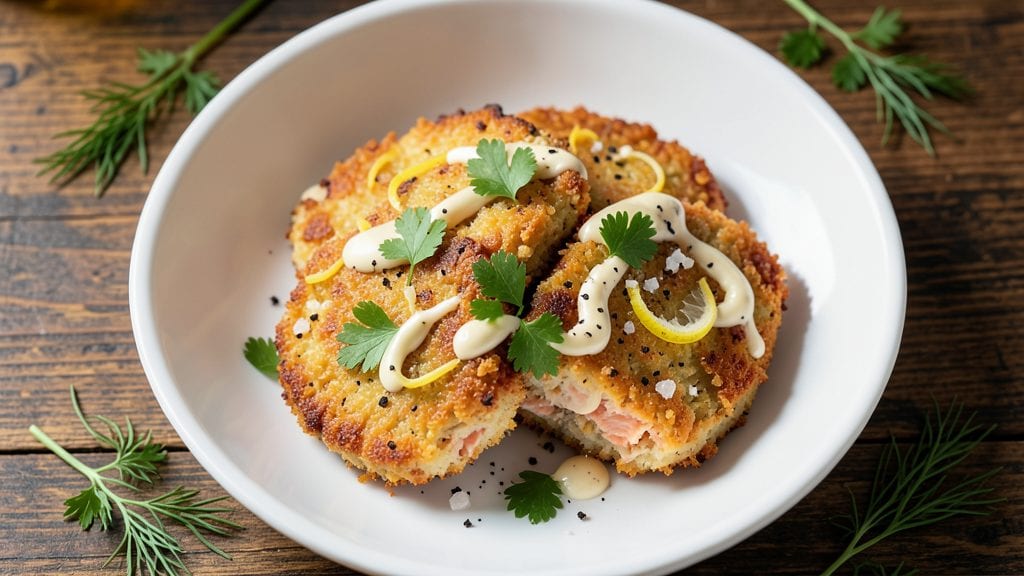
This simple recipe for salmon patties using canned salmon shows how easy it is to make fluffy, golden bites without fresh fish. This recipe turns pantry staples into a protein-packed meal that’s ready in under 30 minutes—no special skills required.
The secret lies in proper binding and gentle cooking, ensuring tender interiors and crispy exteriors every time.
What makes this recipe truly simple is the minimal prep work. You’ll mix canned salmon with egg, breadcrumbs, and herbs, then shape into patties that cook beautifully in a skillet or oven.
The result? A dish that’s light yet satisfying, perfect for weeknight dinners or meal prep. No waste, no fuss—just delicious, fluffy patties that taste like they came from a seafood counter.
These salmon patties deliver crispy edges and moist centers, thanks to a foolproof binding technique that holds together during cooking. Serve them with lemon wedges, tartar sauce, or a fresh salad for a complete, balanced meal.
The versatility of canned salmon makes this recipe budget-friendly while still feeling special—ideal for anyone looking to elevate simple ingredients.
Whether you’re feeding a family or preparing a light lunch, this method ensures consistent results without complicated steps. The key is patience during mixing and careful cooking—once mastered, you’ll wonder why you ever bought fresh salmon for patties. Let’s get cooking with this straightforward, flavorful solution.
Ingredients for simple recipe for salmon patties using canned salmon
Pantry staples meet protein power—just 13 ingredients for golden salmon patties.
| Ingredient | Amount | Notes |
|---|---|---|
| Canned Salmon 🐟 | 15 oz | Drained, flaked with fork |
| Large Eggs 🥚 | 2 whole | Room temperature for even binding |
| Panko Breadcrumbs 🍞 | ¾ cup | Light and crispy preferred |
| Fresh Dill 🌿 | ¼ cup | Chopped finely, stems removed |
| Fresh Parsley 🌿 | ⅛ cup | Chopped, for brightness |
| Garlic Cloves 🧄 | 2 cloves | Minced, for subtle depth |
| Lemon Zest 🍋 | 1 tbsp | From 1 medium lemon |
| Mayonnaise 🥛 | ¼ cup | Full-fat for creaminess |
| Extra-Virgin Olive Oil 🫒 | 1 tbsp | For crispy coating |
| Salt 🧂 | 1 tsp | Kosher or sea salt |
| Ground Black Pepper 🌶️ | ½ tsp | Freshly ground preferred |
| Vegetable Oil 🫒 | ¼ cup | For skillet cooking |
| Lemon Wedges 🍋 | 2 whole | For serving, optional |
The canned salmon is the star, so opt for high-quality brands like Wild Planet or Vital Choice—they pack more flavor and fewer additives. Drain it thoroughly and flake with a fork to mimic fresh texture. Trader Joe's often carries excellent options at a budget-friendly price. Fresh herbs elevate the flavor dramatically, but if you're short on time, dried dill at one-third the amount works in a pinch. The egg binds everything together, so ensure it's room temperature to prevent cold spots in your patties. For extra richness, consider adding a splash of whole milk or Greek yogurt to the mix.
No panko? Regular breadcrumbs plus a pinch of baking powder create a lighter texture. Substituting mayo? Greek yogurt or sour cream adds protein without overpowering. If you dislike dill, chives or tarragon provide a similar freshness. The lemon zest can be skipped if you're serving with wedges, but it adds a bright pop of flavor that's hard to beat. For those avoiding mayo, mashed avocado works surprisingly well—just add a squeeze of lemon to balance. The garlic is optional but recommended; it adds depth without overpowering the delicate salmon flavor.
Store prepped patty mixture in an airtight container with parchment between layers for up to 2 days. For longer storage, freeze shaped patties on a tray before transferring to a bag—they'll keep for 3 months. Reheat gently in a skillet or oven to maintain crispiness. These patties reheat beautifully, making them perfect for meal prep. Serve with lemon wedges or tartar sauce to cut through the richness, or pair with a crisp salad for a balanced meal.
Why You'll Love This Recipe
- No-Fuss Pantry Magic: I swear by this when I’ve got nothing but canned salmon and a handful of staples. Drain the fish, mix it with the egg and panko, and—boom—you’ve got dinner. The dill and parsley add that fresh pop without needing a full herb garden.
- Crispy-Creamy Contrast: That crispy panko shell with the flaky, buttery salmon inside? It’s the kind of texture combo that makes you forget it’s canned fish. Honestly, my kids ask for seconds before I even finish serving.
- Weeknight Hero: Between us, this is my go-to when I’m too tired to chop anything. Toss them in the pan while I prep a side salad or steam veggies—no stress, no fuss. Even my picky husband doesn’t complain.
- Budget-Friendly Protein: A can of salmon feeds my family for days, and the patties freeze like a dream. I make a big batch on Sundays, reheat them for lunches, and still have leftovers for when I’m too lazy to cook. Solid win.
Step-by-step instructions for salmon patties using canned salmon
Here's how to create tender, flavorful patties with just pantry staples.
Prepare the Salmon Mixture
Drain the 15 oz canned salmon thoroughly and use a fork to flake it into a mixing bowl. I press down gently with the fork to break up any large chunks while preserving moisture. This texture creates the perfect foundation for fluffy patties.
Add the 2 whole large eggs to the bowl and whisk vigorously until fully combined. The eggs bind the mixture and add moisture. Then incorporate the 0.75 cup panko breadcrumbs, the 0.25 cup finely chopped fresh dill, and the 0.125 cup chopped fresh parsley. Mix gently to avoid crushing the breadcrumbs, which helps maintain that crispy exterior.
Add Seasonings and Binders
In a small bowl, combine the 1 tablespoon lemon zest, 0.25 cup mayonnaise, 1 tablespoon extra-virgin olive oil, 1 teaspoon salt, and 0.5 teaspoon ground black pepper. The mayonnaise acts as a binder and adds richness, while the lemon zest brightens the flavor profile. Mix these ingredients thoroughly before adding them to the salmon mixture.
Pour the seasoning mixture into the salmon bowl and fold everything together gently. You want just enough mixing to combine all ingredients evenly without developing gluten. The mixture should hold together when pressed but still feel slightly loose—this ensures fluffy interiors when cooked.
Shape and Chill the Patties
Divide the mixture into 4 equal portions (about 3 ounces each) and shape them into 4-inch round patties. I use my hands lightly dampened with water to prevent sticking, pressing each portion gently but firmly. The patties should be about ½-inch thick for even cooking. Place them on a plate and refrigerate for 30 minutes to firm up.
Chilling is crucial—it prevents the patties from falling apart when you cook them. While they're chilling, heat 0.25 cup vegetable oil in a large skillet over medium heat until it reaches 350°F. Use a thermometer to check the temperature—this ensures proper cooking without burning.
Cook to Golden Perfection
Carefully place the chilled patties in the hot oil. Cook for 3-4 minutes per side until golden brown and crispy. You'll know they're ready when the edges turn a rich golden color and the internal temperature reaches 165°F. Avoid pressing down on the patties with a spatula—this squeezes out moisture and makes them dense.
Transfer the cooked patties to a paper towel-lined plate to drain excess oil. Let them rest for 2-3 minutes before serving. The internal temperature will rise slightly during resting, ensuring they're fully cooked through. Serve immediately with the 2 lemon wedges for a bright, refreshing contrast.
Pro Tips For Making Simple Recipe For Salmon Patties Using Canned Salmon
- Drain and Fluff the Salmon: Open the can and drain the salmon thoroughly—don’t just pour it out. Use a fork to break up the chunks and press out any excess liquid with your fingers. Wet salmon makes mushy patties, and no one wants that. (Yes, this takes 30 seconds, but it’s worth it.)
- Chill the Mixture: After mixing everything, press the patties onto a plate and refrigerate for 15-20 minutes. Cold salmon holds its shape better, and the panko will crisp up properly instead of turning greasy. I learned this the hard way—skipping this step means sad, flat patties.
- Press Panko into Edges: Before frying, press extra panko firmly around the edges of each patty. This creates a crispy barrier that keeps them from falling apart when flipping. (Pro move: Use your palm to pat it down—no need for fancy tools.)
- Use Medium Heat, Not High: Crank the heat to medium and let the oil get hot but not smoking—about 350°F. High heat burns the outside before the inside cooks through, leaving you with a dry, rubbery center. A few minutes per side is all you need; rushing it ruins the texture.
Essential equipment for this recipe
Skillet Essentials
Your non-stick skillet is the MVP for crispy salmon patties—I recommend a 10-inch cast iron like Lodge for even heat distribution. If you prefer non-stick, a GreenPan Ceramic skillet works well, but avoid overheating to prevent coating damage.
Heat your skillet over medium heat until it’s hot enough to sizzle when a patty touches it—this ensures a golden crust without burning. 🔥
Oil Selection Matters
Use light or vegetable oil for neutral flavor and high smoke point. I prefer avocado oil for its rich taste and stability at high heat, but any neutral oil works. Avoid olive oil—its low smoke point can make patties greasy.
Preheat the oil until it reaches 350°F (use a thermometer for accuracy) before adding patties. This temperature guarantees a crispy exterior while keeping the inside tender.
Thermometer Upgrade
A digital instant-read thermometer like the Thermoworks ThermoPop is a game-changer for perfect patties. It ensures your oil is at 350°F and confirms the patties reach 165°F internally.
Without it, you risk undercooked centers or burnt exteriors. I keep mine handy for all skillet cooking—it’s worth the $20 investment for foolproof results every time. 🌡️
Patty Turner Tools
For shaping, I use a wet spatula (dampened with water) to prevent sticking when forming patties. A small offset spatula works best for flipping—its narrow edge helps maintain shape.
If you’re making many patties, a patty press (like the OXO Good Grips) ensures uniform thickness, but a simple ½-inch gap between your fingers works just as well.
Optional: Baking Alternative
Skip the skillet entirely and bake patties at 375°F for 12-15 minutes on a lined baking sheet. Use a wire cooling rack underneath to prevent sogginess. This method requires lightly oiled patties (brush with olive oil) and works well for meal prep. A parchment-lined sheet pan makes cleanup effortless. 💡
Nutrition facts
Frequently asked questions
Why do my salmon patties fall apart when cooking?
The most common reason is overmixing the batter—this develops gluten, making patties tough. Mix just until combined, and chill them for 30 minutes before cooking. Also, ensure your canned salmon is fully drained and flaked properly. Using too much liquid (like extra egg) can also weaken the structure.
Can I use frozen canned salmon for this recipe?
Yes, but thaw it completely first in the refrigerator (not at room temperature). Frozen salmon releases excess moisture, which can make patties soggy. Drain thoroughly and pat dry with paper towels before mixing. For best results, use fresh or recently opened canned salmon.
How do I make these patties extra crispy?
Use panko breadcrumbs instead of regular breadcrumbs—they expand when cooked. Chill patties before cooking to prevent moisture from escaping too quickly. Cook in 350°F oil until golden brown, then transfer to a wire rack to drain excess oil. A light spray of olive oil before baking also helps.
What’s the best way to store leftover salmon patties?
Cool them completely, then store in an airtight container with parchment paper between layers for up to 3 days in the fridge. For longer storage, freeze shaped patties (uncooked) for 3 months. Reheat in a skillet over medium heat for 2-3 minutes per side or bake at 350°F for 10 minutes.
Can I substitute mayo with something else?
Try Greek yogurt (for tanginess) or mashed avocado (for creaminess). For a lighter option, use egg whites or unsweetened applesauce—just reduce by 25% since they’re less binding. The key is maintaining moisture while keeping the patties cohesive.