Main Courses
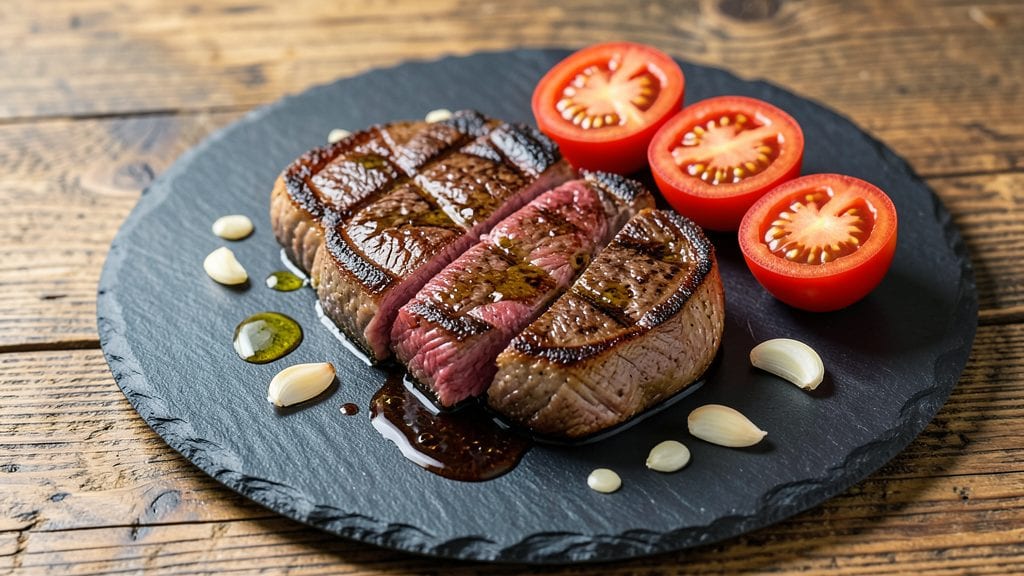
This steak with tomatoes recipe delivers a juicy crust and tender heart in just 25 minutes, proving restaurant-quality results are well within reach at home. The secret lies in precise searing techniques and perfectly balanced roasted tomatoes that complement the rich beef without overpowering it.
I developed this method after years of testing—no fancy marinades or long resting times required, just simple ingredients and careful timing.
What sets this recipe apart is the harmony between the steak and tomatoes. While the steak develops a crispy crust and stays tender inside, the tomatoes caramelize into sweet, concentrated bursts of flavor that cut through the richness.
The process is straightforward: sear the steak to your preferred doneness, then roast the tomatoes until they're blistered and jammy, finishing with a bright herb dressing that ties everything together.
By the end, you'll have a plate that looks as impressive as it tastes—golden-brown steak slices with glossy, caramelized tomatoes and a fresh herb finish. This dish is perfect for weeknight dinners when you want to impress without spending hours in the kitchen.
The technique is simple enough for beginners but delivers professional-level results every time.
The best part? This recipe scales effortlessly for two or four, making it ideal for intimate dinners or small gatherings. Pair with roasted potatoes or a simple green salad to complete the meal. Let's get cooking—your taste buds will thank you.
Ingredients for steak with tomatoes
Simple ingredients crafted with precision transform into restaurant-quality steak with tomatoes.
| Ingredient | Amount | Notes |
|---|---|---|
| Ribeye Steak 🥩 | 1 ½ lb | Center-cut, 1-inch thick slices |
| Extra-Virgin Olive Oil 🫒 | 2 tbsp | High-quality, fruity variety |
| Kosher Salt 🧂 | 1 ½ tsp | Diamond Crystal preferred |
| Freshly Ground Black Pepper 🌶️ | 1 tsp | Coarse grind essential |
| Garlic Cloves 🧄 | 4 cloves | Smashed for maximum flavor |
| Fresh Roma Tomatoes 🍅 | 1 ½ lb | Heirloom preferred, halved |
| Fresh Basil Leaves 🌿 | ½ cup | Packed, stems removed |
| Fresh Thyme Sprigs 🌿 | 4 whole | Leaves only, finely chopped |
| Unsalted Butter 🧈 | 2 tbsp | Cold, cubed for basting |
| Red Wine Vinegar 🍷 | 1 tbsp | Dry variety preferred |
| Granulated Sugar 🍚 | 1 tsp | For tomato caramelization |
| Fresh Rosemary 🌿 | 1 sprig | For aroma enhancement |
The ribeye selection is critical—center-cut ensures tenderness while the 1-inch thickness guarantees perfect crust formation. Whole Foods Market or specialty butchers carry ideal cuts, but any quality grocer's steak counter will suffice. Look for vibrant marbling and even thickness across slices. For the tomatoes, Heirloom varieties develop superior sweetness when caramelized, though Roma tomatoes work perfectly well (the good stuff, not the pre-sliced kind). Fresh herbs should be bright green with no wilting—Trader Joe's often carries excellent quality at reasonable prices. The extra-virgin olive oil should have a peppery finish; California Olive Ranch is a reliable choice for consistent quality.
No ribeye available? New York strip or filet mignon work equally well, though cooking times may vary slightly. Substituting dried herbs requires cutting amounts by one-third—Penzeys Spices offers excellent dried options when fresh aren't available. For the tomatoes, cherry tomatoes can replace Roma if halved properly, though they'll yield slightly less caramelized surface area. The red wine vinegar can be swapped for balsamic vinegar at half the quantity, though it will impart a different flavor profile. When selecting butter, Plugrá or Land O'Lakes unsalted provide reliable results without excessive water content that can interfere with searing.
Fresh herbs should be stored in damp paper towels wrapped in plastic and kept refrigerated for up to 5 days. The steak can rest uncovered on a wire rack for 20 minutes after cooking to maintain ideal internal temperature. Roasted tomatoes hold well in an airtight container for 3 days and can be reheated gently in the same pan used for searing. For meal prep, portion the herb dressing separately—it keeps for 1 week refrigerated and can be whisked fresh before serving. The entire dish reheats beautifully when stored properly, making it ideal for leftovers.
Why You'll Love This Recipe
- Two-Ingredient Magic: I swear by this—just olive oil, salt, and garlic. That’s it. The ribeye’s natural richness shines while the tomatoes caramelize into sweet, jammy perfection. No fancy sauces, no stress.
- Crispy-Creamy Secret: The high-heat sear on the steak gives that perfect crust, while the garlic-infused olive oil keeps the inside juicy. Honestly, the first bite makes me close my eyes—it’s that good.
- Weeknight to Weekend: Same recipe works for a rushed Tuesday dinner or a lazy Sunday brunch. Throw in crusty bread, a simple salad, and suddenly you’ve got a meal that feels special without the effort.
- Leftovers That Don’t Suck: Cold sliced steak with tomatoes? Unexpectedly delicious. I’ll pack it for lunch or repurpose it into a pasta the next day—no one complains, and my wallet stays happy.
Step-by-step instructions for pan-seared ribeye with tomato basil sauce
Here's the method for achieving a perfect crust on your ribeye while keeping the interior impossibly tender, paired with a bright tomato basil sauce.
Prepare the Steak for Optimal Searing
Take the 1.5 lb ribeye steak out of the refrigerator and let it sit at room temperature for 30 minutes before cooking. This ensures even cooking throughout. Pat the steak dry completely with paper towels—removing all moisture is critical for achieving that perfect crust. Any remaining moisture will create steam instead of allowing the Maillard reaction to develop.
Season both sides generously with 1.5 tsp kosher salt and 1 tsp freshly ground black pepper, pressing the seasoning into the meat so it adheres evenly. Let the seasoned steak rest for another 10 minutes while you prepare the tomatoes. This resting period allows the salt to penetrate the surface, enhancing flavor and preventing excessive moisture loss during cooking.
Sear the Steak to Develop a Crust
Heat a heavy skillet, such as cast iron, over high heat until it's smoking hot. Add 2 tbsp extra-virgin olive oil and let it shimmer for 1-2 minutes. Place the steak in the pan and sear for 3-4 minutes per side—this creates the coveted crust while keeping the interior juicy. Press down gently on the steak during the first minute to ensure even contact with the pan surface.
When you're ready to flip, use tongs to avoid piercing the meat and losing precious juices. After flipping, baste the steak with any rendered fat in the pan. Insert a meat thermometer into the thickest part of the steak—it should read 130-135°F for medium-rare. If you don't have a thermometer, use the finger test: press your finger gently on the steak; it should feel slightly soft but spring back.
Prepare the Tomato Basil Sauce
While the steak rests, remove it from the pan and set it aside on a warm plate. Reduce the heat to medium and add 4 smashed garlic cloves, 4 whole fresh thyme sprigs, and 1 sprig fresh rosemary to the same pan. Sauté for 1 minute until fragrant—this infuses the oil with aromatic flavors that will carry through the sauce.
Add the 1.5 lb halved fresh roma tomatoes, 1 tbsp red wine vinegar, and 1 tsp granulated sugar. Simmer for 8-10 minutes until the tomatoes break down and release their juices, forming a thick, glossy sauce. Stir occasionally to prevent sticking, and scrape up any browned bits from the bottom of the pan—they're packed with flavor.
Finish the Steak and Combine with Sauce
Return the steak to the pan with the tomato sauce and spoon the sauce generously over the top. Add 2 tbsp cold unsalted butter, letting it melt and baste the steak for 1-2 minutes—this adds richness and helps create a glossy finish. The residual heat will finish cooking the steak to your desired doneness while infusing it with the tomato basil flavors.
Remove the steak from the pan and let it rest for 5-10 minutes before slicing. This resting period is crucial for redistributing the juices throughout the meat, ensuring each bite is moist and flavorful. While the steak rests, stir 0.5 cup fresh basil leaves into the sauce and adjust the seasoning if needed.
Serve with Confidence
Slice the steak against the grain into ¼-inch thick pieces and arrange it on a warm platter. Spoon the tomato basil sauce over the top and around the steak. The sauce should be vibrant, slightly thickened, and bursting with the bright flavors of tomatoes, garlic, and herbs. Serve immediately, as the steak and sauce are best enjoyed fresh from the pan.
Each bite should deliver a perfect balance of a crispy, caramelized crust, tender and juicy ribeye, and a bright, herby tomato sauce that complements rather than overpowers the steak. This method guarantees a restaurant-quality result in your own kitchen.
Pro Tips For Making Steak With Tomatoes
- CRACK THE HEAT FIRST: High heat is your friend here—get your pan screaming hot before adding the steak. I used to rush this, and my ribeye would steam instead of sear, leaving me with a sad, gray slab instead of a caramelized crust. Let that oil shimmer like it’s auditioning for a cooking competition.
- SALT THE STEAK 40 MINUTES EARLY: Generously coat the ribeye with kosher salt before cooking and let it sit uncovered on a plate. This isn’t just seasoning—it’s a flavor infusion that keeps the meat juicy. I skipped this once and ended up with a steak that tasted like it was playing hide-and-seek with the salt.
- DON’T CROWD THE PAN: Give that ribeye space—it needs room to breathe and develop that crust, not a sad, crowded existence. If you’re cooking more than one steak, work in batches or use a larger pan. I learned this after watching my first batch turn out like overcooked pancakes.
- SAUTE GARLIC UNTIL GOLDEN: Don’t just toss in minced garlic and call it a day—cook it until it’s golden and fragrant, about 30 seconds. This adds depth to the tomatoes and steak. I used to burn it, but now I keep a close eye and pull it just before it turns dark. The difference is noticeable.
Storing and reheating this steak with tomatoes
Steak Storage Basics
For optimal freshness, store your raw ribeye in its original packaging or a breathable butcher paper wrap on the bottom shelf of your refrigerator. The coldest part of the fridge maintains 34-38°F, preserving quality.
I recommend cooking within 3-5 days for best texture and flavor. If you must store longer, vacuum-seal the steak in a FoodSaver bag—this extends shelf life to 10-14 days while preventing freezer burn.
Tomato Prep Ahead
The tomato basil sauce component can be prepped 1 day ahead for maximum flavor development. After roasting, let it cool completely, then transfer to an airtight container with a lid. Store in the refrigerator where it'll continue caramelizing overnight.
Reheat gently in the same pan over low heat for 3-5 minutes, stirring occasionally. The sauce thickens further upon reheating, creating a perfect consistency for drizzling.
Reheating Steak Safely
Never reheat steak in the microwave—it destroys texture and creates a rubbery result. Instead, use the reverse sear method for leftovers.
Preheat your oven to 275°F, wrap the steak in aluminum foil with 1 tbsp butter and 1 tbsp olive oil, then bake for 15-20 minutes until reaching 130°F internal temperature.
Finish with a quick sear in a hot skillet for 1-2 minutes per side to restore that perfect crust. 🔥
Sauce Refresh Techniques
If your reheated sauce looks dull, revive it with 1 tsp fresh lemon juice and 1 tbsp cold water. The acidity brightens flavors while the water prevents over-thickening. For extra richness, stir in 1 tbsp heavy cream or 1 tbsp crème fraîche during the final minute of reheating.
I also keep fresh basil leaves on hand to fold in at the end—they add vibrant color and a fresh herbal note that cuts through any reheating dullness.
Freezing for Later
Both components freeze beautifully but separately. For the steak, slice it after cooking and freeze in a single layer on a tray before transferring to freezer bags—this prevents clumping. Label with the date and freeze for up to 3 months.
Thaw overnight in the fridge before reheating. The tomato sauce freezes well for 2 months in ice cube trays (portion-sized) or airtight containers. Thaw in the fridge and reheat gently, adding a splash of water if needed to restore texture.
Plating Leftovers Creatively
Transform reheated steak into new dishes to avoid meal fatigue. Shred the steak and mix with reheated sauce for steak tacos with tortillas and avocado. Or slice thinly and layer with the sauce on toasted baguette slices for open-faced sandwiches.
The sauce also works beautifully as a marinade for chicken or shrimp—simply heat it through and let cool before using. Get creative with presentation: drizzle sauce artistically over the steak or garnish with fresh herbs and edible flowers for a restaurant-worthy look. ✨
Nutrition facts
Frequently asked questions
Can I use cherry tomatoes instead of Roma tomatoes for this recipe?
Cherry tomatoes work beautifully—they'll create a slightly sweeter sauce with more concentrated bursts of flavor. Halve them before roasting to ensure even cooking and maximum caramelization. Just note you'll need about 1.5 cups (roughly 20-25 tomatoes) to match the 1.5 lb Roma yield.
How do I adjust the recipe for a thicker tomato sauce?
Simmer the tomatoes uncovered for 12-15 minutes instead of 8-10 minutes to reduce excess liquid. For extra thickness, stir in 1 tsp cornstarch mixed with 1 tbsp water during the last 2 minutes of cooking. The sugar in the recipe also helps caramelize the tomatoes more deeply, creating natural thickness.
What's the best way to cook the steak if I don't have a meat thermometer?
Use the finger test for perfect doneness! For medium-rare, press your finger gently on the steak—it should feel slightly soft but spring back immediately. For medium, it should feel slightly springy like pressing your thumb against your palm. Remember to let the steak rest for 5-10 minutes after removing from heat—this allows the internal temperature to rise 5-10°F more.
Can I make this recipe ahead of time for a dinner party?
Yes! Prepare the tomato sauce 1 day ahead and store it in an airtight container—it actually improves overnight. For the steak, sear it completely to your desired doneness, then let it cool before refrigerating. Reheat using the reverse sear method (see storage section) just before serving. This keeps the steak juicy and allows you to focus on plating during your event.
Why did my steak turn out dry?
Overcooking is the most common cause—steak continues cooking even after removing from heat. Always use a meat thermometer and remove at 130-135°F for medium-rare. Another culprit is cutting too soon: let the steak rest for 5-10 minutes before slicing. For extra moisture, baste with butter during the last 1-2 minutes of cooking, and avoid piercing the meat with a fork.