
Side Dishes
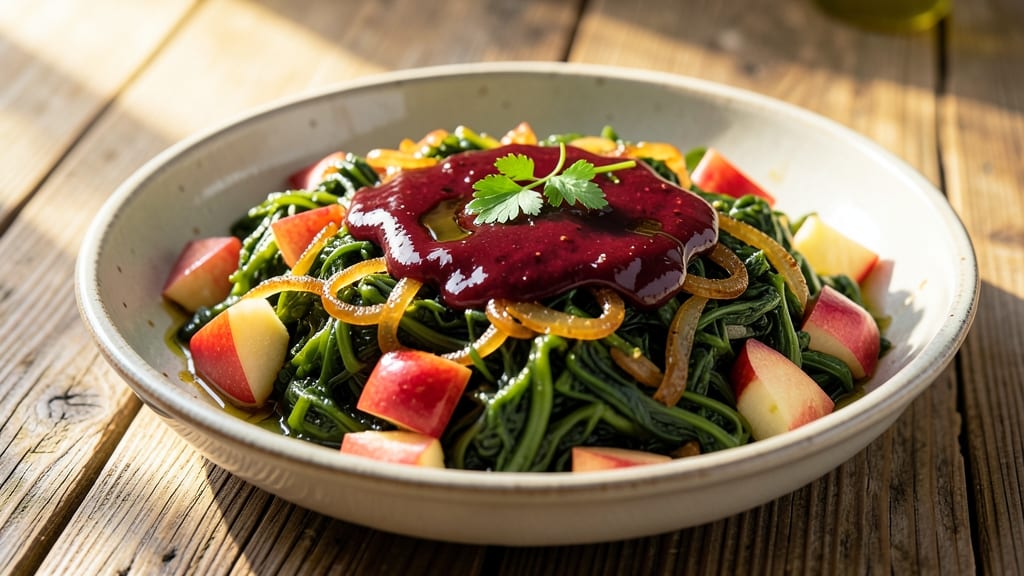
This sweet sauerkraut recipe transforms tangy fermented cabbage into a caramelized, apple-infused side dish that pairs perfectly with sausages, roasted meats, or even as a vegetarian centerpiece. The balance of sweetness from onions and apples with the tangy crunch of sauerkraut creates a flavor profile that's both comforting and unexpected.
I developed this version after realizing how versatile sauerkraut could be beyond its traditional sour applications.
The secret lies in caramelizing onions until they're deep golden, then adding diced apples and a touch of sweetener to complement the sauerkraut's natural acidity. This method preserves the probiotic benefits while creating a dish that's rich, slightly sweet, and satisfyingly textured.
Unlike store-bought versions, this recipe lets you control the sweetness and depth of flavor to suit your taste.
What you'll end up with is a side dish that's hearty enough to stand alone or elegant enough to complement a holiday meal. The caramelized onions add a deep, almost jam-like quality, while the apples introduce a bright, crisp contrast.
This version works beautifully with smoked sausages, roasted potatoes, or even as a topping for grilled chicken.
For vegetarians, simply omit the meat and enjoy it with crusty bread or as a side to roasted vegetables. The recipe scales easily, making it perfect for family gatherings or meal prep. Let's get started on creating this flavorful twist on a classic side dish.
Ingredients for sweet sauerkraut
Nine simple ingredients transform tangy sauerkraut into a caramelized, apple-infused vegetarian side dish.
| Ingredient | Amount | Notes |
|---|---|---|
| Sauerkraut 🥬 | 3 cups | Drained, rinsed lightly |
| Yellow Onions 🧅 | 1 ½ lb | Yellow or red, thinly sliced |
| Red Apples 🍎 | 2 medium | Honeycrisp or Fuji, peeled |
| Granulated Sugar 🍯 | ½ cup | Light brown sugar preferred |
| Extra-Virgin Olive Oil 🫒 | ¼ cup | For caramelizing onions |
| Apple Cider Vinegar 🍶 | 1 tbsp | Balances sweetness |
| Fresh Thyme Leaves 🌿 | ½ tsp | Or 0.25 tsp dried thyme |
| Salt 🧂 | ½ tsp | Diamond Crystal kosher |
| Black Peppercorns 🌶️ | ¼ tsp | Freshly cracked |
| Fresh Parsley 🌿 | ¼ cup | Chopped for garnish |
| Vegetable Broth 💧 | ½ cup | Low-sodium preferred |
| Cinnamon Stick 🌳 | 1 whole | Optional, for depth |
The onions are the backbone here—yellow or red both work, but yellow has a slightly sweeter base. Trader Joe's sells pre-sliced onions if you're short on time, but fresh is always better. The apples? Honeycrisp or Fuji stay crisp when cooked, but Granny Smith works if you want more tartness. Look for sauerkraut with visible moisture—Bubbies or Masuji are my go-tos, but any jarred sauerkraut will do. The sugar is where you can play—light brown adds molasses notes, but white works fine if that's what you've got.
No apples? Pears or dried apricots (soaked in warm water) work in a pinch. Skip the vinegar? A splash of red wine or apple juice keeps the balance. Fresh thyme is ideal, but dried at one-third the amount gets you close. The cinnamon is optional but adds warmth—Ceylon cinnamon has a milder flavor if you're sensitive to strong spices. For the broth, low-sodium is key so you don't overpower the dish. And if you're prepping ahead, the onions caramelize even better the next day—just reheat gently with a splash of water.
This keeps beautifully in the fridge for 5-6 days, though it tastes best within 2 days. For meal prep, store in airtight containers—it reheats perfectly with a splash of water or broth. Freezes for 3 months if you want to make a big batch. The parsley stays fresh longer if you wrap it in damp paper towels, but even wilted leaves add flavor. Serve warm with crusty bread or alongside roasted potatoes for a hearty vegetarian meal.
Why You'll Love This Recipe
- Pantry Magic: I swear by this recipe when I’ve got nothing but a jar of sauerkraut and a bag of apples. No fancy prep—just chop onions, dice apples, and toss everything in a pan. The sugar caramelizes while you’re still deciding what to eat for dinner.
- Sweet-Tart Magic: That tangy crunch of sauerkraut meets the honeyed bite of caramelized apples—it’s like a grown-up version of apple pie, but better. The olive oil ties it all together with a silky finish that makes you want to eat it straight from the pot.
- Leftovers That Shine: This stuff tastes even better the next day. I keep a jar in the fridge for quick sandwich toppings, a side for breakfast toast, or a last-minute addition to sausages. It’s the kind of side that gets eaten before the main course.
- Budget Bright Spot: Sauerkraut and apples are cheap, and this recipe stretches them into something special. I make a big batch when apples are on sale, and suddenly I’ve got a pantry staple that costs pennies but feels like a treat. (Yes, even on a Tuesday night.)
Step-by-step instructions for sweet sauerkraut with caramelized onions
This sweet and tangy side dish comes together through gentle caramelization and balanced flavors—perfect for balancing rich holiday meals.
Caramelize the Onions Slowly
Heat the extra-virgin olive oil in a large, heavy-bottomed skillet over medium-low heat. Add the 1.5 lb yellow onions, sliced thinly, and cook them undisturbed for 5 minutes. You want the onions to release their moisture first before they begin to brown.
Once they start to soften and release liquid, stir occasionally, breaking up any large clusters. The onions should cook for about 25-30 minutes total, until they're deep golden brown and sweet-smelling. This slow process develops their natural sugars into caramelized goodness. If they start to stick, add a splash of vegetable broth to deglaze and keep them moist.
About 10 minutes before they're fully caramelized, add the cinnamon stick and let it infuse into the onions. Remove the cinnamon stick just before the onions reach the perfect golden hue—you don't want it to become bitter.
Cook the Apples and Sweeten the Mixture
While the onions caramelize, peel and dice the 2 medium red apples into small, even pieces. Once the onions are nearly done, add the apples to the skillet and cook for another 5 minutes, stirring occasionally. The apples will soften quickly and absorb the caramelized onion flavors.
Next, sprinkle in the 0.5 cup granulated sugar and stir to combine. Let the mixture cook for another 3-4 minutes until the sugar begins to dissolve and the apples soften further. The combination of caramelized onions, sweet apples, and sugar creates a rich, complex base for the sauerkraut.
Here's the thing—don't rush this step. You want the sugar to fully integrate and the apples to break down just enough to release their juices. If the mixture starts to stick, add another splash of vegetable broth to keep it loose.
Incorporate the Sauerkraut and Season
Drain and rinse the 3 cups sauerkraut lightly under cold water to remove excess acidity, then pat it dry with a clean kitchen towel. Add the sauerkraut to the skillet and stir gently to combine with the caramelized onions and apples. Cook for 5-7 minutes, allowing the sauerkraut to absorb the sweet flavors.
Season with the 0.5 tsp salt, 0.25 tsp freshly cracked black peppercorns, and 0.5 tsp fresh thyme leaves. Stir in the 1 tbsp apple cider vinegar and let the mixture simmer for another 2-3 minutes. The vinegar balances the sweetness and enhances the tangy flavor of the sauerkraut.
Taste the mixture and adjust the seasoning if needed. You want a harmonious blend of sweet, tangy, and slightly savory notes. If the mixture is too thick, add a bit more vegetable broth to loosen it to your desired consistency.
Finish and Garnish
Remove the skillet from heat and let the sweet sauerkraut sit for 5 minutes to allow the flavors to meld together. This resting period ensures that the sauerkraut absorbs all the caramelized onion and apple juices, creating a cohesive and flavorful dish.
Before serving, garnish with the 0.25 cup chopped fresh parsley. The bright, fresh flavor of the parsley contrasts beautifully with the sweet and tangy sauerkraut, adding a pop of color and a touch of freshness.
Serve warm as a side dish with roasted meats, sausages, or even as a topping for grilled cheese sandwiches. This sweet sauerkraut is versatile and pairs well with a variety of dishes, making it a crowd-pleaser for any occasion.
Pro Tips For Making Sweet Sauerkraut
- Drain and Rinse First: Skip the soggy mess by draining the sauerkraut in a colander for 10 minutes, then rinse it under cold water. This cuts the acidity and keeps your sweet-savory balance from turning into a vinegar bomb—trust me, I’ve learned this the hard way after making a batch taste like pickled disappointment.
- Sweat the Onions Low: Cook the onions on medium-low heat until they’re translucent and just starting to caramelize—about 8-10 minutes. High heat burns them before they soften, and you’ll end up with bitter bits instead of that deep, sweet foundation the apples and sugar need to shine.
- Core and Dice Apples Small: Remove the core and chop the apples into ¼-inch pieces—no bigger, no smaller. Larger chunks stay crunchy and release less juice, while smaller pieces dissolve into mush. Aim for even cooking and a saucy texture that coats everything evenly.
- Add Sugar Gradually: Stir in half the sugar first, let it melt into the kraut for 5 minutes, then add the rest. This prevents a grainy, clumpy mess and lets the flavors meld smoothly. I used to dump it all at once and ended up with sugar crystals that felt like eating candy-coated gravel.
Dietary considerations for this sweet sauerkraut
Vegetarian Adaptations
This sweet sauerkraut shines as a vegetarian centerpiece, especially when paired with roasted potatoes or crusty bread. The caramelized onions and apples provide hearty texture, while the sauerkraut adds probiotic richness.
For extra protein, stir in ½ cup cooked lentils or crumbled tofu during the final 5 minutes of cooking. 🌱
Gluten-Free Considerations
All ingredients in this recipe are naturally gluten-free, but always double-check sauerkraut brands for potential cross-contamination warnings. I recommend Bubbies or Masuji sauerkraut, which are certified gluten-free. The vegetable broth should also be labeled gluten-free to ensure safety. This makes the dish perfect for gluten-sensitive diets.
Low-Sugar Options
To reduce sugar content, swap the ½ cup granulated sugar for ¼ cup maple syrup or 2 tbsp honey. The apples and caramelized onions still provide natural sweetness, but these alternatives cut refined sugar by half.
Taste as you go—the apples release their own sugars as they cook, so you may need even less sweetener.
Vegan Sweetener Swaps
For a fully vegan version, replace honey with agave nectar or coconut sugar. Apple cider vinegar is already plant-based, and the caramelized onions develop sweetness without added sugars. If using maple syrup, ensure it's 100% pure with no additives. The result is just as flavorful but completely plant-based. 🌿
Probiotic Boost
Sauerkraut is a fermented food, meaning it contains live probiotics that support gut health. These beneficial bacteria thrive in the tangy environment created by fermentation. By lightly rinsing the sauerkraut before cooking, you preserve some of these probiotics while still reducing excess acidity.
For maximum benefits, serve this dish warm but not boiling hot to maintain probiotic viability.
Allergen-Friendly Notes
This recipe is naturally free from common allergens like dairy, eggs, and nuts. However, if you're sensitive to sulfur compounds, be aware that sauerkraut naturally contains small amounts. For those with apple allergies, substitute with pears or dried apricots.
Always check ingredient labels, especially for sauerkraut brands that may process in facilities handling other allergens. 💡
Nutrition facts
Frequently asked questions
Can I make this sweet sauerkraut without apples?
Swap the apples for pears or dried apricots (soaked in warm water first) to maintain sweetness. The key is using fruit that caramelizes well—just reduce cooking time slightly since dried fruit softens faster. For extra depth, try ¼ cup raisins instead.
How do I prevent the onions from burning while caramelizing?
Keep heat at medium-low and stir occasionally to prevent sticking. If onions darken too quickly, reduce heat further or add a splash of vegetable broth to deglaze. A heavy-bottomed skillet is crucial—it distributes heat evenly and prevents scorching.
Is this recipe suitable for a probiotic-rich meal?
Yes! Sauerkraut retains probiotics when lightly rinsed and cooked gently. To maximize benefits, serve warm (not boiling) and avoid overcooking. The caramelized onions and apples add flavor without compromising the fermented goodness. Pair with whole-grain bread for a gut-friendly meal.
Can I make this ahead of time?
Perfect for meal prep! Store in an airtight container in the fridge for 5-6 days. Reheat gently with a splash of water or broth—it tastes even better the next day as flavors meld. For freezing, portion before adding parsley and freeze for up to 3 months.
What's the best way to balance the sweetness?
Start with 1 tbsp apple cider vinegar to cut sweetness, then adjust to taste. For extra tang, add ½ tsp mustard seeds or a pinch of smoked paprika. The caramelized onions naturally develop sweetness, so taste before adding all the sugar.