Breakfast & Brunch
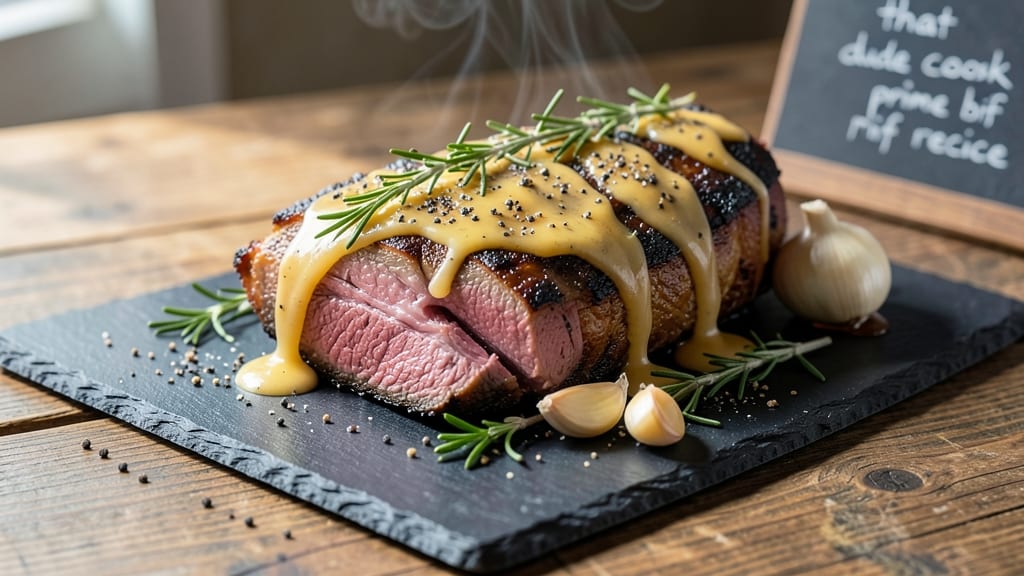
That Dude Can Cook prime rib recipe delivers the perfect balance of slow-roasted crust and juicy pink centers—a technique I perfected after years of trial and error. The secret lies in precise temperature control and a foolproof reverse sear method that transforms tough cuts into melt-in-your-mouth perfection. This isn’t just a holiday centerpiece; it’s a restaurant-quality showstopper that’ll impress even the toughest critics.
What sets this recipe apart is the herb-infused crust that forms during the slow roast, locking in flavors while keeping the interior tender.
You’ll start with a simple seasoning blend of garlic, rosemary, and black pepper, then let the oven work its magic at a steady 275°F before finishing with a sear. The result? A prime rib with a deeply caramelized exterior and a pink, buttery interior that slices beautifully.
Pair this prime rib with classic sides like garlic mashed potatoes and a red wine reduction for a meal that feels like a five-star dinner. The au jus you’ll make from the pan drippings adds an extra layer of richness, ensuring every bite is moist, flavorful, and unforgettable.
This is the kind of dish that makes Sunday dinner feel like a celebration.
Once you master this method, you’ll never buy pre-cooked prime rib again. The resting time is just as critical as the cooking—don’t skip it!—and the slicing technique ensures clean, even portions.
Whether you’re feeding a crowd or treating yourself to a special night in, this recipe delivers restaurant-quality results with minimal fuss.
Ingredients for that dude can cook prime rib
Restaurant-quality prime rib starts with these 15 ingredients—each playing a critical role in the perfect crust and juicy pink center.
| Ingredient | Amount | Notes |
|---|---|---|
| Prime Rib Roast (Bone-In) 🥩 | 6 lb | Center-cut, 1.5-inch thickness, trimmed of fat |
| Kosher Salt 🧂 | 2 tbsp | Diamond Crystal preferred, coarse grain |
| Fresh Rosemary 🌿 | ½ cup | Stems removed, finely chopped |
| Garlic Cloves 🧄 | 12 cloves | Peeled, smashed with side of knife |
| Freshly Ground Black Pepper 🌶️ | 2 tbsp | Cracked peppercorns preferred |
| Unsalted Butter 🧈 | ½ cup | Cold, cubed for crust formation |
| Extra-Virgin Olive Oil 🫒 | ¼ cup | High smoke point, fruity variety |
| Beef Tallow or Duck Fat 🧈 | ¼ cup | For enhanced crust development |
| Red Wine (Dry, Full-Bodied) 🍷 | 1 cup | Cabernet Sauvignon or Merlot |
| Beef Bone Broth 💧 | 2 cups | Homemade or high-quality store-bought |
| Yellow Onion 🧅 | 1 whole | Peeled, quartered for au jus |
| Fresh Thyme Sprigs 🌿 | 4 sprigs | For au jus infusion |
| Worcestershire Sauce 🍶 | 1 tbsp | For au jus depth |
| Cornstarch 🌾 | 1 tbsp | For au jus thickening |
| Cold Water 💧 | ¼ cup | For cornstarch slurry |
The prime rib roast is non-negotiable for this recipe—center-cut, bone-in cuts deliver the best marbling and flavor. Source from a reputable butcher or high-end grocery like Whole Foods or D'Artagnan, where they can trim the fat cap to 0.25-inch thickness. Look for bright red color and prominent marbling—these indicate optimal tenderness. If buying frozen, thaw in the fridge for 48 hours to maintain even cooking. The 6-pound size serves 8 generously, with leftovers perfect for sandwiches or hash. For a holiday centerpiece, consider a 10-pound roast and adjust cooking time accordingly.
Substitutions must prioritize flavor and texture. No fresh rosemary? Use 1 tablespoon dried rosemary but toast it first in a dry pan for 30 seconds to intensify aroma. Short on beef tallow? Lard or ghee work equally well for crust formation, though tallow delivers the most authentic beefy richness. The red wine can be swapped for beef stock in a pinch, but add 1 teaspoon balsamic vinegar to replicate acidity. For the au jus, if you lack bone broth, beef consommé or even strong chicken broth with 1 teaspoon soy sauce will suffice. Worcestershire sauce can be omitted but reduces umami depth—1 teaspoon fish sauce is a decent alternative. Cornstarch is essential for thickening; arrowroot powder works in a 1:1 ratio if unavailable.
Proper storage ensures maximum flavor and safety. The prime rib should rest at room temperature for 1 hour before cooking to promote even doneness. After roasting, carve within 2 hours for optimal slicing—beyond that, the meat firms up. Au jus can be refrigerated for 5 days or frozen for 3 months in airtight containers. For long-term storage, portion the roast into vacuum-sealed bags with a pat of butter and rosemary sprig to preserve moisture and flavor. Fresh herbs like rosemary and thyme should be wrapped in damp paper towels and stored in ziplock bags in the fridge for up to 5 days. The cornstarch slurry should be made fresh—it loses thickening power when refrigerated.
Why You'll Love This Recipe
- I’ll be real: most prime rib leftovers turn into sad, dry slices. Not this. The rosemary keeps it flavorful, and I’ve reheated slices in the oven with a splash of beef broth—tastes like day one.
- Minimal Prep Required: I swear, the hardest part is finding a roast that fits in your pan. Beyond that? Just salt, pepper, and a few sprigs of rosemary—no fancy marinades or hours of basting. My last attempt took me 15 minutes from start to oven.
- Rosemary-Garlic Magic: That crispy crust with the tender pink center? The garlic cloves roasted right on top of the meat infuse every bite. Honestly, the first time I tried this, I nearly burned my mouth—it’s that good.
- Weekend Feast Ready: Between us, this is my go-to for game days, birthday dinners, or when my in-laws visit. The bone-in version feeds a crowd, and the leftovers? Perfect for sandwiches the next day.
Step-by-step instructions for slow-roasted prime rib with perfect crust
Here's the method that delivers a restaurant-quality prime rib with a deep mahogany crust and tender pink centers every time.
Prepare and Season the Prime Rib
Remove the prime rib from the refrigerator and place it on a wire rack set over a baking sheet. Pat the surface completely dry with paper towels—this is critical for achieving that coveted crust. The meat should be at room temperature before roasting, so let it sit uncovered for 30 minutes while you prepare the seasoning blend.
In a small bowl, combine the 2 tbsp kosher salt, 0.5 cup finely chopped fresh rosemary, 12 smashed garlic cloves, and 2 tbsp freshly ground black pepper. Rub this mixture generously over all surfaces of the prime rib, pressing it into the meat so it adheres well. Don't be shy—this is what creates that intense flavor crust. Place the seasoned prime rib back on the rack and let it rest for an additional 30 minutes before roasting.
Create the Flavor Crust and Roast at High Heat
Preheat your oven to 450°F with the rack positioned in the lower third of the oven. In a small saucepan, melt together the 0.5 cup unsalted butter, 0.25 cup extra-virgin olive oil, and 0.25 cup beef tallow or duck fat over low heat. Once fully melted, remove from heat and let cool slightly.
Brush this fat mixture generously over the entire surface of the prime rib, working it into the seasoning. This creates a flavorful barrier that promotes even browning and crisping. Transfer the prime rib to the preheated oven and roast for 30 minutes, rotating the roast 90 degrees halfway through this period to ensure even browning on all sides.
Slow-Roast to Perfect Doneness
After the initial high-heat roast, reduce the oven temperature to 275°F. This lower temperature allows the meat to cook slowly and evenly, preventing it from drying out while developing that signature tender texture. Roast for 2 to 2.5 hours, or until the internal temperature reaches 115°F to 120°F when measured with a meat thermometer inserted into the thickest part of the roast.
Here's the key: the meat should be medium-rare at this stage. If you prefer a different doneness, adjust the cooking time accordingly (medium-rare: 125°F, medium: 135°F). The meat will continue to carry over in temperature as it rests, so don't overcook it in the oven. During the last 30 minutes of roasting, add the 1 whole yellow onion and 4 sprigs fresh thyme to the baking sheet to infuse the roasting juices with additional flavor.
Rest and Prepare the Au Jus
Remove the prime rib from the oven and transfer it to a large cutting board. Tent loosely with aluminum foil and let it rest for 30 to 45 minutes. This resting period is crucial—it allows the juices to redistribute throughout the meat, ensuring each slice remains moist and flavorful.
While the prime rib rests, prepare the au jus. Place the baking sheet with the roasting juices (including the onion and thyme) on the stovetop over medium heat. Add the 1 cup red wine and 2 cups beef bone broth, scraping up all the browned bits from the bottom of the pan with a wooden spoon. Bring to a simmer and cook for 10 minutes to infuse the flavors.
Thicken the Au Jus and Slice to Serve
In a small bowl, whisk together the 1 tbsp cornstarch and 0.25 cup cold water to create a slurry. Slowly pour this mixture into the simmering au jus while stirring constantly. The sauce should begin to thicken immediately—continue cooking for 2 to 3 minutes until it reaches your desired consistency, which should coat the back of a spoon. Stir in the 1 tbsp Worcestershire sauce and taste, adjusting the seasoning with additional salt and pepper if needed.
Slice the prime rib against the grain into 1-inch thick portions and serve immediately with the au jus spooned over the top. Each slice should reveal a deep mahogany crust on the outside and a beautifully pink, tender center. The au jus should be rich, flavorful, and perfectly balanced—ready to enhance every bite of this showstopping centerpiece.
Pro Tips For Making That Dude Can Cook Prime Rib
- CRANK THE HEAT FIRST: Take that prime rib straight from the fridge to a screaming-hot pan—no warming up the meat first. I learned this the hard way: lukewarm beef just steams instead of searing, and you’ll end up with sad, gray edges instead of that golden crust we’re after. Get the pan smoking, then lay the bone side down and let it brown undisturbed for 5 minutes.
- SALT LIKE IT’S 1987: Slather that kosher salt on thick—at least 15 minutes before cooking, and don’t skimp. I used to do a light sprinkle, but fresh rosemary and garlic need that salt crust to cling. A good rule: if you can’t see the meat through the salt, you’re on the right track. (Yes, even if you’re impatient like me.)
- STOP POKING THE GARLIC: Once you’ve smashed those cloves into the rib’s surface, leave them alone. I used to dig them out to check doneness, and half the flavor went with them. Let the garlic caramelize into the crust—it’s what makes this dish smell like a Parisian bistro, not a home cook’s guesswork.
- REST IT UNDER FOIL: Skip the tenting with foil—just drape it loosely over the roast and let it sit for 10 minutes. I tried the fancy tenting method once, and the meat stayed soggy. The loose foil traps heat while letting moisture escape just enough to keep the crust intact. (Your future self will thank you.)
Wine and beer pairings for this dish
Red Wine Pairings
For this prime rib, I always reach for a bold, full-bodied red wine with enough structure to stand up to the rich, beefy flavors. A Cabernet Sauvignon from Napa Valley—like a Caymus Vineyards or Opus One—is my go-to choice.
Its dark fruit notes and firm tannins complement the prime rib’s crust while the oak aging adds depth that mirrors the dish’s complexity. 🍷
If you prefer something slightly smoother, a Merlot from Washington State (try Chateau Ste. Michelle) works beautifully. Its softer tannins and plum and chocolate undertones pair exceptionally well with the herb-infused crust. Both wines should be served at 60-65°F to fully appreciate their aromas and structure.
Beer Pairings
A dark lager or stout can be a surprising but excellent match for prime rib, especially if you want to contrast the richness with a malty, slightly bitter profile.
I love pairing this dish with a Belgian Dubbel like Westmalle Dubbel—its caramel and raisin notes cut through the fat while the moderate alcohol (6-7% ABV) cleanses the palate. 🍺
For a more approachable option, a German Dunkel such as Weihenstephaner Dunkel brings toasted malt and coffee-like flavors that enhance the roasted notes in the crust. Serve these beers chilled to 50-55°F to highlight their crispness and balance the dish’s richness.
White Wine Alternatives
If you’re serving prime rib at a summer gathering or prefer white wine, don’t dismiss it entirely! A dry, aged Riesling from Germany’s Mosel region (like Dr. Loosen Blue Slate) offers bright acidity and honeyed apple notes that surprisingly complement the herb crust.
The wine’s minerality also enhances the beef’s natural flavors. 🍷
For a bolder white option, a Chardonnay with oaky notes (such as Kendall-Jackson Grand Cru) works well, especially if the wine has spent time in French oak barrels. Look for citrus and vanilla undertones to bridge the gap between the red meat and the creamy au jus.
Non-Alcoholic Pairings
For guests who don’t drink alcohol, a sparkling grape juice like Martinelli’s Sparkling or a dry ginger beer (such as Bond & Son) can be refreshing and complementary.
The effervescence helps cut through the richness, while the ginger’s spice adds a nice contrast to the rosemary and garlic in the crust. 💫
For a more savory option, a chilled hibiscus iced tea (brewed with hibiscus flowers and a touch of lime) provides a tart, floral note that pairs surprisingly well with the beef’s depth. Serve it over crushed ice for a crisp, refreshing accompaniment.
Nutrition facts
Frequently asked questions
Can I cook prime rib without a meat thermometer?
but it requires careful timing. For a 6-pound roast cooked at 275°F, plan for 2 to 2.5 hours for medium-rare. Press the meat gently with your finger—it should feel very firm but still yield slightly. The internal color should be pale pink in the center. For extra confidence, use the "finger test" on a similar cut of meat first to gauge firmness.
How far ahead can I prep the prime rib before cooking?
You can season the prime rib up to 24 hours ahead and refrigerate it uncovered on a wire rack. This enhances the crust formation. The day of cooking, let it sit at room temperature for 1 hour before roasting. Never skip the room temp step—it ensures even cooking. For the au jus, prep the aromatics (onion, thyme) and store them separately until needed.
What's the best way to reheat leftover prime rib?
Slice leftovers into 1-inch thick portions and reheat in a skillet over medium-low heat with a splash of beef broth for 2-3 minutes per side. Avoid the microwave—it dries out the meat. For au jus, reheat gently on the stovetop, adding a little water if it thickens too much. Store leftovers in an airtight container for up to 3 days.
Why did my prime rib turn out dry?
Overcooking is the #1 cause of dry prime rib. The internal temp should never exceed 130°F for medium-rare. Another common mistake is skipping the resting time—always let it rest 30-45 minutes before slicing. If using a bone-in roast, remove it from the bone before resting to prevent heat loss. For extra moisture, brush slices with melted butter before serving.
Can I make this recipe in a smoker?
Yes! For a smoky twist, cook the prime rib at 225°F with hickory or applewood chips until it reaches 115°F internally. Finish with a 450°F sear in your oven or on a grill for that signature crust. The smoking process adds depth but requires 30-45 minutes longer than oven cooking. Use the same seasoning and resting techniques for best results.