Soups & Stews
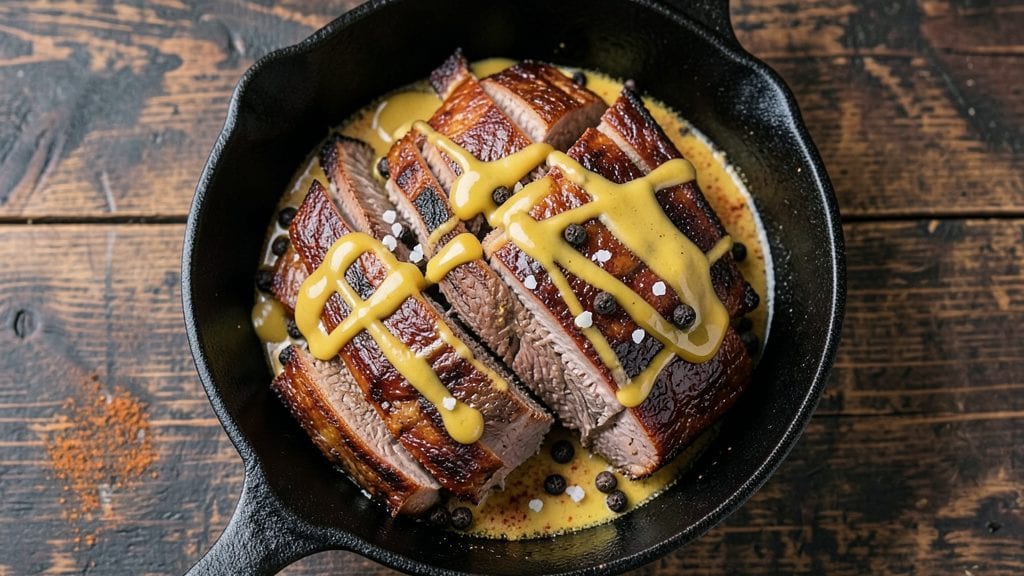
This traditional beef brisket recipe delivers the kind of fall-off-the-bone tenderness and deep, smoky flavor that defines true Texas-style barbecue.
The secret lies in a precise low-and-slow cooking method that transforms tough cuts into melt-in-your-mouth perfection, while a carefully balanced rub ensures every bite carries that signature bark and savory depth.
After years of perfecting this technique—including the critical resting period that keeps juices locked in—I can confidently say this is the closest you’ll get to competition-worthy brisket without a smoker in your backyard.
What sets this recipe apart is the combination of traditional methods and modern accessibility. We’ll use a 3-2-1 method (3 hours on one side, 2 hours on the other, 1 hour wrapped) to create a bark that’s both flavorful and tender, while monitoring internal temperatures to ensure 195°F doneness.
The rub isn’t just salt and pepper—it’s a carefully balanced blend of spices that builds layers of flavor without overpowering the beef’s natural richness. And yes, the resting time is non-negotiable; skipping it means losing precious juices.
By the time you serve this brisket, you’ll have a centerpiece that’s juicy, deeply aromatic, and packed with that irresistible smoky-sweet crust. The texture is what makes it unforgettable: tender enough to shred with a fork but with enough structure to hold its shape when sliced.
This isn’t just a recipe—it’s a restaurant-quality experience that belongs at your holiday table, game day spread, or any occasion where you want to impress.
Pair it with classic sides like creamy mac and cheese, buttery cornbread, or a crisp coleslaw to complete the meal. The beauty of this recipe is its versatility—whether you’re feeding a crowd or meal prepping for the week, the leftovers reheat beautifully and only get better with time.
Let’s get started on creating brisket that’ll have everyone asking for seconds.
Ingredients for traditional beef brisket
Eight pounds of beef brisket and a handful of pantry staples transform into legendary Texas-style barbecue.
| Ingredient | Amount | Notes |
|---|---|---|
| Beef Brisket (Packer Cut) 🥩 | 8 lb | Whole packer cut, fat cap intact |
| Yellow Mustard 🍯 | ½ cup | For binder application |
| Coarse Kosher Salt 🧂 | ½ cup | Diamond Crystal preferred |
| Black Peppercorns 🌶️ | 2 tbsp | Freshly cracked preferred |
| Smoked Paprika 🌶️ | 2 tbsp | High-quality Spanish preferred |
| Garlic Powder 🧄 | 1 tbsp | Freshly ground preferred |
| Onion Powder 🧅 | 1 tbsp | Finely ground preferred |
| Ground Cumin 🌿 | 1 tbsp | Toasted for depth |
| Granulated Sugar 🍚 | 1 tbsp | Light brown preferred |
| Chopped Fresh Parsley 🌿 | ¼ cup | For garnish |
| Apple Cider Vinegar 🍏 | ¼ cup | For spritzing |
| Beef Tallow or Shortening 🧈 | ½ cup | For wrapping |
| Butcher Paper 📄 | 1 sheet | For wrapping |
| Aluminum Foil 📦 | 1 sheet | Heavy-duty |
The beef brisket is the star—look for a packer cut with intact fat cap at your local butcher or Costco. The fat renders during cooking, creating that signature juicy texture. If buying pre-cut, ensure it's a full packer cut (not flat cut). Whole Foods or high-end grocery stores often carry the best quality. The fat cap should be about 1/4-inch thick—anything thinner means less flavor and moisture during cooking. If you're feeling fancy, ask your butcher to trim it slightly to expose more surface area for the rub to cling to.
No smoked paprika? Regular paprika plus a pinch of liquid smoke gets you close. Fresh parsley wilting? Dried parsley at half the amount works in a pinch. The apple cider vinegar is non-negotiable for that tangy depth—substitute lemon juice if needed. For the wrap, beef tallow is ideal but high-quality shortening works too. If you can't find butcher paper, aluminum foil works (just don't skip the foil underneath). The spices? Penzeys or Spicewalla for premium quality, but store-brand works if fresh. Toast your cumin seeds in a dry pan for 30 seconds before grinding—worth the extra minute.
This brisket tastes even better the next day—plan ahead. Store leftovers in the fridge for 5-6 days or freeze for 3 months. For serving, slice against the grain for maximum tenderness. The rub keeps for 6 months in an airtight container. I always make double the rub—perfect for future smoked projects. The butcher paper and foil can be reused for other smoking sessions if cleaned properly.
Why You'll Love This Recipe
- Four-Hour Hands-Off: Between us, this brisket practically cooks itself. Rub it with salt, pepper, and smoked paprika—no fancy prep—then let the oven do the work while you handle the rest of the day.
- Mustard Magic: That yellow mustard isn’t just for dipping—it’s the secret. It keeps the brisket juicy while adding a tangy depth that cuts through the richness, making every bite ridiculously balanced.
- Leftovers for Days: Honestly, I make this on purpose just to have sandwiches. The meat stays tender for hours, and the flavors only get better the next day—no sad, dry slices here.
- Budget Crowd-Pleaser: A packer cut stretches for a whole family, and the ingredients? Salt, pepper, mustard—stuff you already have. It’s the kind of meal that makes your wallet and your guests happy.
Step-by-step instructions for traditional beef brisket
Here's the time-tested method for brisket that delivers melt-in-your-mouth tenderness and that prized mahogany bark.
Prepare the Brisket with Dry Rub and Mustard Binder
Begin by trimming the fat cap of the 8 lb beef brisket (packer cut) to about ¼ inch thickness using a sharp boning knife. Leave the fat cap intact on the sides to protect the meat during smoking. In a small bowl, combine the 0.5 cup coarse kosher salt, 2 tbsp black peppercorns (freshly cracked), 2 tbsp smoked paprika, 1 tbsp garlic powder, 1 tbsp onion powder, 1 tbsp ground cumin, 1 tbsp granulated sugar, and mix thoroughly.
Apply a thin layer of the 0.5 cup yellow mustard to the entire surface of the brisket using your fingers, working it into all the crevices. This creates a binder that helps the rub adhere and prevents it from falling off during smoking. Then generously coat the brisket with the dry rub mixture, pressing it firmly into the meat so it penetrates the surface. Place the brisket on a wire rack set over a rimmed baking sheet, fat side up, and refrigerate uncovered for at least 4 hours or overnight. This dry-brining step ensures maximum flavor penetration and helps develop that coveted bark.
Smoke the Brisket Low and Slow
Preheat your smoker to 225°F using hickory or oak wood. Place a water pan in the smoker to maintain moisture and prevent the bark from drying out too quickly. Once the smoker reaches temperature and you see clean, blue smoke, place the brisket on the smoker grate, fat side up. Close the lid and resist the urge to open it during the cook—every time you peek, you lose heat and extend cook time.
Smoke the brisket undisturbed for 6-8 hours, or until the internal temperature reaches 165-170°F. This is when you'll hit "the stall," where the temperature plateaus as moisture evaporates. Don't be alarmed—this is normal and expected. The brisket should have a deep reddish-pink color at this stage, with a darkening bark beginning to form. Spritz the brisket with a mixture of 0.25 cup apple cider vinegar and 0.25 cup hot water every 2 hours to keep the surface moist and enhance bark development.
Wrap and Finish the Brisket
Once the brisket hits the stall, it's time to wrap. Remove the brisket from the smoker and place it on a sheet of heavy-duty aluminum foil. Spread 0.5 cup beef tallow or shortening evenly over the surface, then wrap it tightly in the foil, sealing all edges completely. Return the wrapped brisket to the smoker and continue cooking until the internal temperature reaches 200-205°F, which should take an additional 4-6 hours.
During this final stage, the brisket will continue to tenderize as the connective tissue breaks down. The wrapping technique, known as the "Texas crutch," helps power through the stall while preserving moisture. The brisket is done when it's probe-tender—meaning a meat thermometer inserted into the thickest part slides in like butter with no resistance. Remove the brisket from the smoker and transfer it to a cutting board.
Rest and Slice the Brisket
Unwrap the brisket and transfer it to a sheet of butcher paper. Let it rest at room temperature for 15-20 minutes before slicing. This resting period allows the juices to redistribute throughout the meat, ensuring every slice is moist and flavorful. While the brisket rests, preheat your oven to 250°F and place the butcher paper-wrapped brisket on a baking sheet. This keeps the brisket warm and prevents it from drying out.
To slice, locate the grain direction—you'll see lines running through the meat. Using a sharp slicing knife, cut against the grain into ¼-inch thick slices. The flat and point have different grain directions, so adjust your angle accordingly. Garnish each serving with 0.25 cup chopped fresh parsley for a pop of color and freshness. Serve immediately while still warm, with any accumulated juices spooned over the top for extra moisture and flavor.
Pro Tips For Making Traditional Beef Brisket
- Trim the Fat First: That thick fat cap on a packer cut isn’t just for looks—it renders down into flavor gold. Use a sharp knife to trim it to about ¼-inch thick before seasoning. Too much fat? It’ll steam instead of crisp, and you’ll end up with soggy bark instead of that perfect crust.
- Salt the Night Before: I used to salt brisket right before cooking, but that’s a rookie move. Salt it 12–24 hours ahead—it breaks down the proteins and keeps the meat juicy. Wrap it tightly in plastic and refrigerate, then pat dry right before hitting the heat. (Yes, even if you’re impatient like me.)
- Start Hot, Finish Slow: Don’t be afraid to sear that brisket hard over medium-high heat for 5–7 minutes per side—it builds the crust. Then, drop the temp to 250°F (120°C) for the low-and-slow cook. Rushing the sear means a weak crust; skipping the high start means bland, gray meat.
- Mustard Slather, Not Drizzle: Yellow mustard isn’t just a binder—it’s the glue for that smoky crust. Spread it thickly over the entire surface (about 2 tablespoons) before adding smoked paprika. Thin layers won’t stick, and you’ll end up with patchy seasoning. (Trust me, I’ve tried the lazy drizzle.)
Flavor customization for this traditional beef brisket
Sweet Heat Balance
For a brisket with caramelized sweetness and subtle heat, increase the light brown sugar to 2 tbsp and add 1 tsp cayenne pepper to the rub. This creates a perfect balance—think of it as a Texas-style BBQ twist.
I swear by Penzeys brand cayenne for its consistent heat level. The sugar helps form a glossy bark while the cayenne adds depth without overpowering. 🌶️
Smoky Chipotle Twist
Swap 1 tbsp of the smoked paprika for 1 tbsp chipotle powder (or 2 chipotle peppers in adobo sauce, finely chopped) for a smoky, slightly spicy kick. This variation works especially well if you're serving the brisket with avocado slices or pickled red onions.
The chipotle adds complexity that pairs beautifully with creamy sides. I like to toast the chipotle peppers in a dry skillet for 30 seconds before blending them into the rub.
Herb-Infused Variation
Add 1 tbsp dried thyme and 1 tbsp dried rosemary to the rub for a Mediterranean-inspired twist. This version pairs perfectly with roasted garlic mashed potatoes or grilled asparagus. The herbs add an earthy depth that complements the smokiness.
For extra freshness, sprinkle 1 tbsp chopped fresh rosemary over the brisket right before serving. The aroma alone makes it feel like a gourmet meal.
Brown Sugar & Black Pepper Crust
Double the brown sugar to 2 tbsp and reduce the smoked paprika to 1 tbsp for a sweeter, stickier bark. This variation is ideal if you love that caramelized crust that clings to every bite.
I recommend using light brown sugar for a more subtle sweetness. The extra sugar also helps create a beautiful mahogany bark that’s perfect for presentation. Serve with honey butter on the side for dipping.
Citrus & Spice Zest
Add the zest of 1 orange and 1 lemon to the rub for a bright, citrusy twist. This variation works wonderfully if you're serving the brisket at a brunch or summer gathering. The citrus zest adds a fresh contrast to the rich, smoky flavors.
I also like to sprinkle 1 tbsp orange zest over the sliced brisket before serving. The acidity cuts through the fat beautifully. 🍊
Garlic & Herb Bomb
Increase the garlic powder to 2 tbsp and add 1 tbsp dried oregano to the rub for a bold, aromatic flavor. This variation is a crowd-pleaser, especially if you're serving it with garlic bread or roasted garlic potatoes.
The extra garlic adds a punch that pairs perfectly with the smoky depth of the brisket. For an extra kick, add 1 minced garlic clove to the mustard binder before applying it to the brisket.
Nutrition facts
Frequently asked questions
Why does a traditional beef brisket need to cook so long?
The low-and-slow method breaks down tough connective tissue through collagen conversion, transforming it into gelatin that makes the meat melt-in-your-mouth tender. At 225°F, the brisket reaches 195°F+ internal temp over 12-16 hours, ensuring maximum tenderness while preserving moisture. This is why competition-style brisket takes so long—patience is key for that signature texture.
What's the difference between the flat and point cuts?
The brisket has two distinct sections: the flat cut (leaner, more uniform) and the point cut (fatter, more flavorful). The flat cooks faster and stays tender, while the point benefits from longer cooking to render its fat. When slicing, cut against the grain in both sections—the grain runs differently in each. The point often develops a deeper bark due to its higher fat content.
Can I cook brisket without a smoker?
Use an oven at 275°F with a water pan for moisture, or a grill with indirect heat. For bark, place a wood chip pan underneath. The key is maintaining 225°F± temperature—use an oven thermometer. Wrapping at 165°F works the same way. Just extend cooking time by 2-3 hours since ovens/grills lose heat when opened.
Why does my brisket turn out dry?
Overcooking past 205°F or skipping the resting period are the most common causes. Always wrap at 165°F and monitor closely. The 15-20 minute rest lets juices redistribute—cutting too soon means losing precious moisture. For extra insurance, keep the brisket warm at 250°F while resting. A meat thermometer is your best friend here.
How do I store leftovers?
Slice and refrigerate in an airtight container for 5-6 days, or freeze for 3 months. Reheat in a 350°F oven with a splash of beef broth or water to restore moisture. Leftovers actually improve—this is why many BBQ joints serve brisket the next day! For sandwiches, store components separately to avoid sogginess.