
Sauces & Condiments
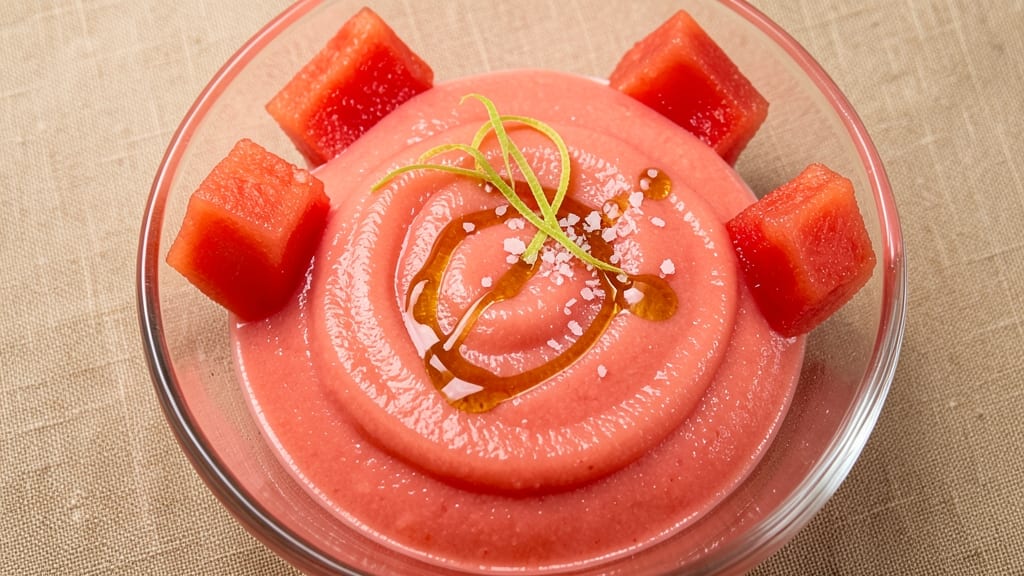
This watermelon puree recipe transforms summer’s juiciest fruit into a vibrant, versatile base that brightens smoothies, elevates cocktails, and adds a refreshing touch to both sweet and savory dishes.
The secret lies in balancing sweetness with subtle acidity—just a splash of lime juice and a pinch of salt—while keeping the process simple with minimal equipment.
I’ve tested this puree in everything from spicy margaritas to vegan sorbets, and it never fails to deliver that signature bright pink hue and refreshing watermelon essence.
The beauty of this recipe is its adaptability—whether you strain it for silky smoothness or leave it slightly chunky for texture, the method stays the same.
With just five ingredients and 10 minutes of active prep, you’ll have a puree that’s ready to use immediately or store for up to five days in the fridge. The key is ripe watermelon (look for a deep red interior) and a high-speed blender to break down the flesh effortlessly.
No straining? No problem—just pulse until smooth, and the natural fiber adds a pleasant bite.
What you’ll end up with is a versatile, restaurant-quality base that’s as easy to make as it is impressive. Use it to sweeten morning smoothies, garnish cocktails, or even glaze grilled proteins for a unexpected summer twist.
The puree’s natural sweetness pairs beautifully with mint, basil, or even a hint of chili powder, making it a game-changer for both drinks and dishes. Ready to put that ripe watermelon to work? Here’s everything you need to know.
For those who love to experiment, this puree also freezes beautifully—just portion it into ice cube trays for easy, single-serving additions to drinks later. And if you’re feeling adventurous, try reducing it slightly for a concentrated syrup that’s perfect for drizzling over pancakes or yogurt.
The possibilities are endless, but the method stays foolproof.
Ingredients for watermelon puree
Five ingredients, one blender—this vibrant puree turns summer’s star fruit into a versatile base.
| Ingredient | Amount | Notes |
|---|---|---|
| Seedless Watermelon 🍉 | 4 cups | Ripe, deep red flesh only |
| Fresh Lime Juice 🍋 | 2 tbsp | Strained, no pulp |
| Granulated Sugar 🍚 | ¼ cup | Adjust to taste |
| Sea Salt 🧂 | ¼ tsp | Fine grain preferred |
| Extra-Virgin Olive Oil 🫒 | 1 tbsp | For richness and texture |
Watermelon is the MVP here, so pick one with a deep red interior—the riper, the sweeter. Seedless varieties like Sugar Baby or Crimson Sweet work best, but any ripe watermelon will do. I always grab mine from local farmers markets in peak season, but the grocery store’s pre-cut watermelon section is fine in a pinch. If you’re using a whole melon, cut it in half, scoop out the flesh with a spoon, and discard the rind. The flesh should be juicy and sweet—if it’s dry or pale, let it sit at room temperature for 30 minutes to revive. For extra convenience, Trader Joe’s sells pre-cut seedless watermelon that’s perfect for this recipe.
No lime juice? Fresh lemon juice works too, though it’ll have a slightly different tartness. Running short on sugar? Maple syrup or agave nectar are great 1:1 swaps, but they’ll add a distinct flavor. The olive oil might seem odd, but it’s what gives the puree that luxurious mouthfeel—skip it if you’re using this for savory dishes. For a chunkier texture, pulse the watermelon in short bursts instead of blending continuously. Need it smoother? Strain through a fine-mesh sieve or cheesecloth. And if you’re feeling fancy, add a pinch of Tajín for a spicy-sweet kick.
This puree keeps beautifully in an airtight container for 5 days in the fridge, but it’s best used within 24 hours for maximum freshness. For longer storage, freeze it in ice cube trays—just pop out a cube whenever you need a quick addition to drinks. The puree also reduces well for a concentrated syrup: simmer 2 cups of puree in a small saucepan over medium heat until reduced by half, then cool before using. Store reduced syrup in the fridge for up to 1 week or freeze for 3 months. Trust me, you’ll want to make extra—it disappears fast.
Why You'll Love This Recipe
- No-Fuss Blending: I swear, it’s just watermelon, lime, and a quick spin—no peeling, no straining, no fuss. The food processor does all the work while I sip my iced tea and pretend I’m not cooking.
- Bright & Balanced: That tangy lime cut and just a touch of sugar? It’s like summer in a jar—sweet but sharp enough to keep you coming back. The olive oil finish makes it silky, not cloying.
- Secret Weapon Everywhere: Drizzle it over grilled fish, spoon it into smoothies, or use it as a glaze for chicken. I’ve even mixed it into cocktails when I’m feeling fancy. One batch lasts me a week.
- Budget Summer Magic: Watermelon’s cheap this time of year, and a little lime and oil stretch it far. Plus, it keeps for days in the fridge—no waste, just pure flavor. My wallet and taste buds thank me.
Step-by-step instructions for watermelon puree
This vibrant puree delivers a silky, balanced base perfect for cocktails or smoothies—just five ingredients, precise technique.
Prepare the Seedless Watermelon
Cut the 4 cups of seedless watermelon into 1-inch cubes, removing any rind or white pith. I like to use a melon baller for clean, uniform pieces—this ensures even blending later. Place the cubes in a large bowl and let them sit at room temperature for 10 minutes. This brief rest allows the flesh to soften slightly, making the blending process smoother and more efficient.
For best results, choose watermelon with deep red flesh that yields slightly when pressed—this indicates peak ripeness. The natural sugars will concentrate as the fruit sits, intensifying the puree's sweetness without needing extra sugar. If using pre-cut watermelon, pat the pieces dry with paper towels to remove excess moisture, which can dilute the final texture.
Blend Until Silky Smooth
Transfer the watermelon cubes to a high-speed blender, leaving the bowl behind. Add the 2 tablespoons of fresh lime juice and blend on high for 30 seconds. The lime juice not only brightens the flavor but also helps emulsify the puree later. You'll notice the mixture immediately turn a vibrant pink and begin to liquefy.
With the blender still running, gradually add the 1 tablespoon of extra-virgin olive oil through the feed tube. This step is crucial—it creates a luxurious mouthfeel that prevents the puree from tasting watery. Pulse occasionally to ensure the oil fully incorporates, then blend continuously for another 1-2 minutes until completely smooth. The puree should coat the back of a spoon with no graininess.
Season and Adjust Consistency
Transfer the blended puree to a mixing bowl and whisk in the 0.25 cup of granulated sugar and 0.25 teaspoon of sea salt. Taste immediately—this is where the magic happens. The sugar should balance the watermelon's natural sweetness while the salt enhances all flavors. If the puree tastes too sweet, add a splash of water and blend again; if it's too tart, add a pinch more sugar.
For a thicker consistency ideal for cocktails, transfer the puree to a fine-mesh strainer lined with cheesecloth and strain into a clean bowl. For smoothies, you can skip this step—the natural texture works beautifully. The strained version will have a velvety finish perfect for garnishing glasses or layering in drinks. Let it rest at room temperature for 10 minutes before using to allow flavors to meld fully.
Store for Maximum Freshness
Divide the puree into airtight containers, leaving about 1-inch headspace. I recommend using glass jars for storage—they preserve flavor better than plastic. Seal tightly and refrigerate for up to 5 days, or freeze for up to 3 months. When ready to use, thaw overnight in the refrigerator for smoothies or at room temperature for cocktails.
The puree will keep its vibrant color and bright flavor when stored properly. For best results, shake or stir vigorously before using, especially if you've frozen it. This puree works equally well in frozen margaritas, fruity smoothie bowls, or as a refreshing base for summer cocktails. The olive oil gives it a luxurious quality that elevates any drink it's poured into.
Pro Tips For Making Watermelon Puree
- Freeze the Watermelon First: Toss the cubed watermelon in a bowl and stick it in the freezer for 30 minutes before blending. The cold flesh purees smoother and yields more liquid—no grainy texture, no extra straining. I learned this the hard way after struggling with a blender full of sticky, uneven pulp.
- Use a Microplane for Lime: Skip the juicer—zest the lime with a microplane and add the zest to the puree. The fine texture brightens the flavor without altering the consistency. (Yes, even if you’re impatient like me, this takes 10 seconds and makes a real difference.)
- Salt Before Sweetening: Add the sea salt to the watermelon cubes before blending—it enhances the natural sweetness and balances the acidity better than sprinkling it on top. I was skeptical until I tried it; now I never skip this step.
- Strain Through a Fine Mesh: Line a sieve with cheesecloth or a coffee filter for ultra-smooth puree—no pulpy bits. It’s extra work, but the texture is silky, especially for drizzling or pairing with creamy dishes. (Your future self will thank you for not cutting corners here.)
Common mistakes when making perfect results
Overblending Creates Grain
I’ve ruined more purees than I’d like to admit by overblending—especially when I’m eager to get to the good part. But here’s the deal: blending watermelon too long (beyond 2-3 minutes) turns it into a mushy, gritty mess.
The high-speed blender breaks down the fruit’s fibers into a paste that won’t dissolve properly. Instead of a silky texture, you end up with something that clumps or feels like wet sand. 💡
Underripe Watermelon
Nothing kills flavor faster than using underripe watermelon. I learned this the hard way when I grabbed a pale, slightly green melon from the store—it tasted bland and watery, no matter how much sugar I added.
Always press the flesh with your thumb: it should give slightly and feel juicy, not firm or dry. If you’re unsure, let it sit at room temperature for 30 minutes to revive its sweetness.
For best results, pick watermelon with a deep red interior and a slightly hollow sound when tapped near the stem.
Skipping the Rest Time
Rushing the 10-minute rest after blending is a classic mistake. This step allows the flavors to meld and the puree to settle, but I’ve seen people pour it straight into drinks or smoothies—only to regret it later.
The lime juice and salt need time to integrate fully, and the puree’s texture will be more consistent after resting. If you’re in a hurry, at least let it sit for 5 minutes, but I promise you’ll notice the difference in flavor balance.
Ignoring the Olive Oil
The olive oil isn’t just for flavor—it’s what keeps the puree from tasting flat and watery. I’ve made this puree without it (usually because I’m out or forgot), and the result is noticeably thinner and less satisfying.
The oil adds body and richness, making it perfect for cocktails or as a topping. If you’re using this for savory dishes, you can skip it, but for drinks and desserts, it’s a game-changer. Use a high-quality extra-virgin olive oil for the best flavor.
Over-Salting or Over-Sweetening
This is where I usually mess up—either I go too heavy on the sugar or the salt, and the puree ends up tasting one-dimensional. The key is to taste as you go: start with the ¼ cup sugar and ¼ teaspoon salt, then adjust in small increments.
A good rule of thumb is to balance the sweetness with just a hint of saltiness—think of it like a simple syrup. If it’s too sweet, add a splash of water and blend again; if it’s too tart, a pinch of sugar does the trick. Trust your palate!
Using the Wrong Blender
A regular blender or food processor just won’t cut it for this recipe. The high-speed action of a blender like the Ninja BN601 or Vitamix is what breaks down the watermelon into a silky puree.
I’ve tried making this in a food processor, and it leaves the texture grainy and uneven. If you don’t have a high-speed blender, pulse the watermelon in short bursts and strain it thoroughly—but you’ll still miss that ultra-smooth finish.
Invest in a good blender if you plan to make this often; it’s a game-changer for purees, sauces, and smoothies alike. 💪
Nutrition facts
Frequently asked questions
Can I use regular watermelon instead of seedless?
Yes, but you'll need to remove all seeds and rind carefully. For 4 cups of flesh, expect to cut about 6 cups of seeded watermelon to account for the extra work. The texture will be identical once blended, but seedless varieties save time and avoid unexpected bits in your puree.
How do I make this puree less sweet?
Reduce the sugar to 2 tablespoons instead of ¼ cup and taste after blending. For extra tartness, add 1 extra tablespoon of lime juice. If it's still too sweet, blend with 2 tablespoons of water to dilute. The natural sweetness varies by watermelon ripeness—always adjust to your preference.
Can I make this without olive oil?
Skip the olive oil for a lighter puree, but expect it to be thinner and less rich. For cocktails, add 1 teaspoon of vanilla extract instead to enhance flavor. The puree will still work beautifully in smoothies or as a fruit topping—just stir well before using.
What's the best way to freeze watermelon puree?
Portion into 1-cup silicone molds or ice cube trays for easy single servings. Freeze solid, then transfer to a labeled freezer bag. Thaw overnight in the fridge for smoothies or at room temperature for 10 minutes before using in drinks. The texture may separate slightly after freezing—just stir vigorously before using.
How can I use this puree in savory dishes?
Omit the sugar and reduce lime juice to 1 tablespoon. Use the puree as a glaze for grilled chicken or fish, or mix with yogurt for a refreshing dip. The natural sweetness balances spicy flavors beautifully—try drizzling over tacos or grilled vegetables. For extra depth, add a pinch of chili powder or smoked paprika.