Soups & Stews
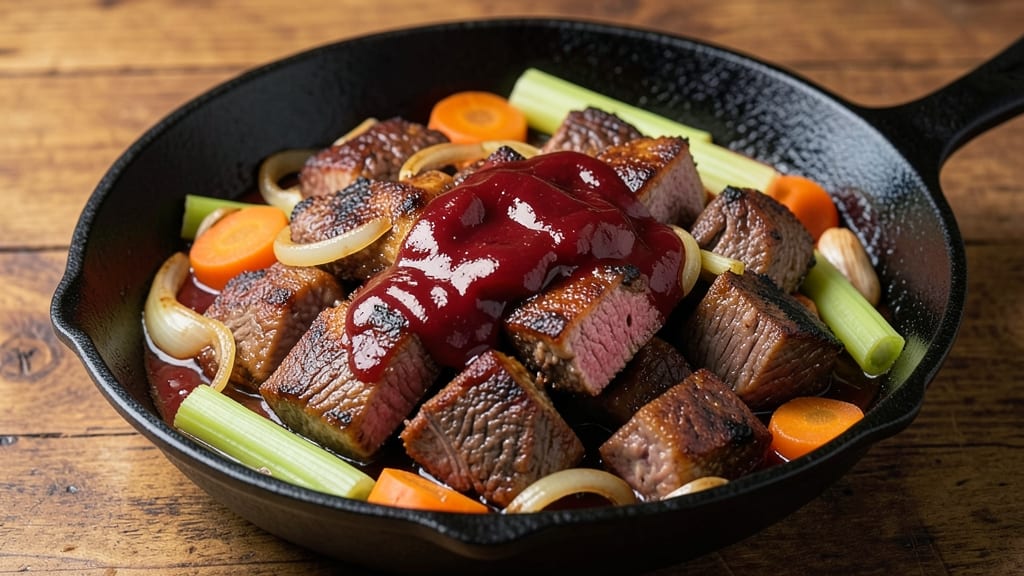
This buona beef copycat recipe brings that legendary slow-braised dish straight into your kitchen—packed with the same restaurant-quality richness and umami depth you love. The secret lies in a precise blend of garlic, herbs, and a carefully reduced sauce that tenderizes tough beef into melt-in-your-mouth perfection.
After years of perfecting this technique, I’ve developed a method that transforms your kitchen into a flavor powerhouse—no shortcuts, just authentic results.
This copycat recipe focuses on three critical elements: a proper sear to lock in juices, slow braising to develop flavor, and a sauce that’s rich yet balanced. With just 10 ingredients and 3 hours of hands-off cooking, you’ll achieve the same depth of flavor that makes Buona Beef legendary.
The process is straightforward, but the patience pays off in every tender, saucy bite.
By the end, you’ll have fork-tender beef swimming in a velvety sauce with caramelized edges and aromatic herbs. The dish pairs beautifully with crusty bread or roasted vegetables, making it a standout for dinner parties or family meals. This isn’t just a copy—it’s a masterpiece of umami-driven comfort food.
The beauty of this recipe is its adaptability. Swap chuck roast for short ribs or beef brisket, and adjust cooking times to fit your schedule. Every variation maintains the core flavors that define Buona Beef’s signature dish. Let’s get started on your journey to restaurant-quality braised beef at home.
Ingredients for buona beef copycat
Ten essential ingredients transform tough beef into melt-in-your-mouth perfection with umami depth.
| Ingredient | Amount | Notes |
|---|---|---|
| Chuck Roast 🥩 | 3 lb | Trimmed of excess fat, cut into 1.5-inch cubes |
| Yellow Onion 🧅 | 1 whole | Medium size, sliced into 0.5-inch half-moons |
| Garlic Cloves 🧄 | 8 cloves | Peeled, smashed for maximum aroma |
| Carrots 🥕 | 4 whole | Medium size, cut into 1-inch chunks |
| Celery Stalks 🌿 | 4 whole | Trimmed, cut into 1-inch pieces |
| Tomato Paste 🍅 | ½ cup | High-quality, unsweetened |
| Dry Red Wine 🍷 | 1 cup | Bold variety like Cabernet Sauvignon |
| Beef Broth 💧 | 3 cups | Low-sodium, homemade preferred |
| Fresh Rosemary 🌿 | ¼ cup | Chopped, stems removed |
| Fresh Thyme 🌿 | ¼ cup | Leaves only, stems discarded |
| Salt 🧂 | 1 ½ tsp | Diamond Crystal kosher salt |
| Black Peppercorns 🌶️ | 1 tsp | Freshly cracked, coarse grind |
| Extra-Virgin Olive Oil 🫒 | 2 tbsp | High-quality, fruity variety |
| Balsamic Vinegar 🍷 | 1 tbsp | Aged, for depth of flavor |
The beef is the star—chuck roast delivers that signature fall-apart texture. Most grocery stores carry it pre-cut, but if you're buying a whole roast, ask the butcher to cube it for you. Costco or Whole Foods often have the best quality, but any reputable supermarket will do. Look for good marbling—those little white flecks of fat are what make the meat tender. The aromatics (onion, garlic, carrots, celery) are called the 'holy trinity' for a reason—they build the flavor foundation. Fresh herbs like rosemary and thyme are non-negotiable here; dried just won't cut it for that restaurant-quality aroma.
No red wine? Beef broth with an extra splash of balsamic vinegar works in a pinch, though the depth won't be quite the same. Short on fresh herbs? Dried thyme at one-third the amount gets you close, but you'll miss that fresh brightness. The tomato paste is key—Rao's or Mutti brands are my go-tos for quality. If you're using a squeeze tube, measure carefully; those little packets are perfect for this recipe. For the broth, homemade is ideal, but low-sodium store-bought works if you reduce it first to concentrate the flavor. The olive oil should be something you'd drizzle on bread—not the cheap stuff.
This dish tastes even better the next day as the flavors meld. Store leftovers in an airtight container in the fridge for up to 5 days, or freeze portions for 3 months. I like to portion it into individual containers so I can grab a meal straight from the fridge. The sauce thickens as it cools, so a splash of broth or water when reheating helps restore its velvety texture. Leftovers reheat beautifully—just warm gently on the stove with a splash of broth to keep it moist.
Why You'll Love This Recipe
- One-Pot Magic: I swear by this—just toss the chuck roast, onions, garlic, carrots, and celery into a Dutch oven with broth and let it slow-cook. No cutting boards, no mess, no stress. The veggies soften into the meat, and honestly? That’s where the real flavor hides.
- Deep Umami Bomb: The slow braise turns tough chuck roast into melt-in-your-mouth perfection, while the caramelized onions and garlic seep into every bite. Between us, that crispy edge with the creamy center? It’s the kind of rich, savory punch that makes you want to skip dessert.
- Weeknight to Holiday: This recipe works for lazy Tuesdays and Thanksgiving leftovers. Serve it over mashed potatoes for a hearty weeknight dinner, or slice it for sandwiches when you’ve got a crowd to feed. My daughter picks out the carrots, but still asks for seconds—proof it’s universally loved.
- Budget Stretch: A chuck roast feeds six for under $15, and the leftovers? Even better the next day. I’ll be real: I’ve reheated this for breakfast tacos, and nobody batted an eye. It’s my secret weapon for stretching groceries without sacrificing taste.
Step-by-step instructions for buona beef copycat recipe
Let's create that signature Buona Beef experience with rich, slow-braised chuck roast.
Sear the Chuck Roast for Deep Flavor
Heat a heavy Dutch oven over medium-high heat until very hot. Add the 2 tablespoons extra-virgin olive oil and swirl to coat the bottom evenly. Working in batches if needed, add the 3 lb chuck roast cubes in a single layer and sear undisturbed for 3-4 minutes per side until deeply browned with a crust forming.
Don't rush this step—the Maillard reaction happening here creates the foundational depth of flavor. You'll see the meat release easily when properly seared. Transfer the browned beef to a plate and set aside temporarily.
Build the Aromatic Base with Vegetables
In the same Dutch oven, add the 1 whole yellow onion, 4 whole carrots, and 4 whole celery stalks all at once. Cook for 5-6 minutes until the vegetables begin to soften and the onions turn translucent. Add the 8 cloves garlic cloves and cook for another 30 seconds until fragrant.
This initial cooking develops the vegetables' natural sweetness while building complex flavors. You'll notice the aromatics release their juices, which will form the base of your braising liquid. I like to press down gently on the vegetables with a wooden spoon to ensure even cooking.
Deglaze and Develop the Sauce Foundation
Pour in the 1 cup dry red wine and scrape up all the browned bits from the bottom of the pot using a wooden spoon. This deglazing step captures all the concentrated beef flavor that would otherwise stick to the pan. Let the wine simmer for 3-4 minutes until reduced by about half.
Next, stir in the 0.5 cup tomato paste and cook for 1 minute to toast the tomato flavors. This creates a rich, velvety base that will carry the beef's umami depth. If you notice the mixture sticking to the bottom, add 1-2 tablespoons beef broth to prevent burning.
Braise Until Fork-Tender Perfection
Return the beef to the Dutch oven along with any accumulated juices. Add the 3 cups beef broth, 0.25 cup fresh rosemary, 0.25 cup fresh thyme, 1.5 teaspoons salt, and 1 teaspoon black peppercorns. Stir gently to combine, then bring the mixture to a simmer.
Once simmering, cover the pot tightly with a lid and transfer to a preheated 300°F oven. Braise for 3-3.5 hours until the beef is fork-tender and easily pulls apart. I check the internal temperature periodically—it should reach 200-205°F when fully tender. If the liquid reduces too quickly, add a splash of water or broth as needed.
Finish with Balsamic and Rest
Remove the beef from the oven and uncover the pot. Stir in the 1 tablespoon balsamic vinegar and simmer uncovered for 5-7 minutes to reduce the sauce slightly and deepen its flavor. The balsamic adds a subtle tang that cuts through the richness of the beef.
Let the beef rest in the braising liquid for 15-20 minutes before serving. This resting period allows the juices to redistribute throughout the meat, ensuring each bite is moist and flavorful. Skim any excess fat from the surface before serving, and spoon the rich braising liquid over the beef to create that signature Buona Beef presentation.
Pro Tips For Making Buona Beef Copycat
- SEAR THE ROAST HARD: Chuck roast needs a crust that sticks to your ribs—don’t baby it. Hit 450°F for 10 minutes on each side with a dry pan until the edges turn deep brown. I used to skimp here, and the sauce never clung like it should.
- CHOP VEGETABLES UNIFORM: Carrots and celery should be cut into ½-inch chunks, not random sizes. Big pieces turn mushy; tiny ones burn. Use a knife skill you’ve got—no fancy dicing required, just consistency.
- DEGLAZE WITH BEER FIRST: After browning, splash in ½ cup of beer (or broth) immediately while the pan’s still hot. Let it bubble for 30 seconds before adding the rest of the liquid. This pulls up all those caramelized bits you’d otherwise scrape off later.
- DON’T SKIP THE FAT CAP: When the roast is halfway done, flip it so the fatty side faces up. That fat renders into the pan and baste the meat naturally—no extra oil needed. I learned this after a dry, tough first attempt.
Wine and beer pairings for this buona beef copycat
Red Wine Pairings
The bold, rich flavors of this braised beef call for a wine that can stand up to its depth while complementing its umami notes. I always reach for a Cabernet Sauvignon from Napa Valley—its dark fruit flavors and tannins mirror the dish's intensity.
A glass of Caymus Vineyards or Opus One elevates the meal to restaurant-quality dining. For a slightly lighter option, try a Malbec from Argentina, which offers juicy plum and spice notes that harmonize beautifully with the rosemary and thyme. 🍷
Beer Pairings
If you prefer beer, a dark ale or porter works wonders with this rich beef dish. I love pairing it with a Guinness—the roasted malt flavors and creamy texture cut through the sauce's richness while enhancing its caramelized notes.
For a craft option, try a Belgian-style dubbel like Westmalle Dubbel, which brings caramel and spice accents that complement the balsamic finish. Avoid hoppy IPAs—they can overpower the delicate herbaceousness of the beef.
White Wine Surprise
Don’t overlook white wine lovers—this dish pairs surprisingly well with a full-bodied Chardonnay that has undergone malolactic fermentation. A Meiomi Pinot Grigio or Kendall-Jackson Vintner’s Reserve with its buttery texture and citrus notes creates an unexpected but delightful contrast.
The acidity refreshes your palate between rich bites, making it a perfect match for those who prefer whites. 💫
Non-Alcoholic Options
For non-drinkers, a sparkling apple cider like Martinelli’s adds a crisp, fruity brightness that cleanses the palate. Alternatively, a ginger beer like Feather’s provides a spicy kick that enhances the dish’s depth.
Both options balance the richness without competing for attention, ensuring every bite shines. The effervescence also helps cut through the sauce’s thickness, making it a smart choice for lighter palates.
Serving Temperature Tips
Wine and beer should be served at the right temperature to complement the dish. Red wines like Cabernet Sauvignon should be served slightly cooler than room temperature—around 60-65°F—to preserve their fruit flavors. Beers like Guinness should be served at 40-45°F to highlight their creamy texture.
For white wines, aim for 45-50°F to balance their richness. I always chill my wine for 30 minutes before serving to achieve the perfect temperature. ✨
Nutrition facts
Frequently asked questions
Can I use a different cut of beef instead of chuck roast?
For similar results, try short ribs (add 10-15 minutes to braising time) or beef brisket (increase to 4 hours at 300°F). Avoid lean cuts like sirloin—they won't become tender enough. The key is choosing a cut with good marbling and connective tissue that breaks down during slow cooking.
How do I know when the beef is fully tender?
The beef is ready when it reaches an internal temperature of 200-205°F and easily pulls apart with a fork. Test a piece by pressing it gently—if it crumbles, it's perfect. If the sauce reduces too quickly, add ½ cup beef broth to prevent drying. The total cooking time varies based on your oven, but 3-3.5 hours is standard for chuck roast.
Can I make this recipe in a slow cooker?
Yes! Follow the same steps for searing the beef, then transfer everything to a 6-quart slow cooker. Cook on low for 8 hours or high for 5 hours, then finish with the balsamic vinegar on the stovetop. The slow cooker method is more hands-off, but the flavor development won't be as concentrated as oven-braising. For best results, use a Dutch oven insert if possible.
What if I don’t have red wine for the recipe?
No problem! Substitute with 1 cup beef broth plus 1 tbsp balsamic vinegar for depth. For extra richness, add ½ tsp Worcestershire sauce or a pinch of smoked paprika. Avoid white wine—it lacks the boldness needed to complement the beef. The dish will still turn out delicious, though the sauce will be slightly lighter in color.
Can I prep this dish ahead of time?
This recipe tastes even better the next day! After braising, let the beef cool completely, then refrigerate in an airtight container for up to 5 days. Reheat gently on the stove with a splash of broth to restore moisture. For freezing, portion into containers and store for 3 months. Thaw overnight in the fridge before reheating. The flavors deepen as they meld over time!