
Main Courses
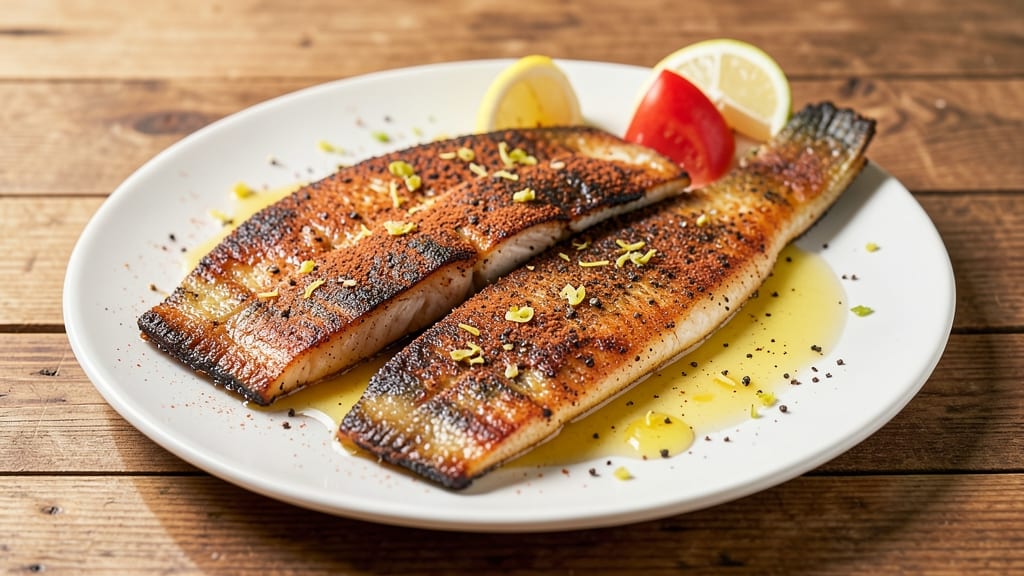
This Southern-style blackened channel catfish recipe delivers restaurant-quality crispness and bold flavor without deep-frying. The secret lies in a precise blend of spices and a quick sear that creates a dark, aromatic crust while keeping the fish tender inside.
I developed this method after years of perfecting the balance between traditional Southern techniques and modern efficiency—no messy fryers required.
The preparation is straightforward but demands attention to detail, particularly in the seasoning process. You'll need just 15 minutes of active prep time, followed by 4-5 minutes of cooking, making it ideal for weeknight dinners or weekend gatherings.
The buttery lemon zest adds a bright, citrusy contrast that cuts through the richness of the blackened crust, creating a harmonious balance of flavors.
What you'll achieve is a plate of perfectly blackened catfish with a crisp exterior and moist, flaky interior, served with a zesty lemon-butter sauce. The aroma alone will draw everyone to the table, while the first bite delivers that satisfying crunch followed by tender, flavorful fish.
This recipe transforms a simple protein into a showstopping centerpiece.
Pair it with classic Southern sides like creamy coleslaw, buttery corn on the cob, or a fresh tomato-cucumber salad to complete the meal. The versatility of this method also works for air frying or baking, giving you options for different cooking preferences while maintaining that signature Southern flair.
Ingredients for channel catfish
Fourteen essential ingredients crafting Southern-style blackened catfish with restaurant-quality crispness.
| Ingredient | Amount | Notes |
|---|---|---|
| Channel Catfish Fillets 🐟 | 1 ½ lb | Skin-on, cut into 6-8 even pieces |
| Unsalted Butter 🧈 | ½ cup | Cold, cubed for crust formation |
| Fresh Lemon Zest 🍋 | 1 tbsp | Finely grated, bright yellow |
| Fresh Lemon Juice 🍋 | 2 tbsp | From 1 medium lemon |
| Cajun Seasoning Blend 🌶️ | 2 tbsp | Homemade or Tony Chachere's |
| Smoked Paprika 🌶️ | 1 tbsp | For deep aromatic crust |
| Garlic Powder 🧄 | 1 tsp | Freshly ground preferred |
| Ground Black Pepper 🌶️ | ½ tsp | Freshly cracked for intensity |
| Kosher Salt 🧂 | 1 ½ tsp | Diamond Crystal preferred |
| Vegetable Oil 🫒 | ½ cup | High smoke point for searing |
| Fresh Parsley 🌿 | ¼ cup | Chopped, for garnish |
| Cornmeal 🌽 | ¼ cup | Fine grind for extra texture |
The catfish selection is critical—skin-on fillets from a trusted seafood purveyor like Whole Foods Market or Local Seafood Market ensure optimal texture. Look for fillets with a vibrant, slightly translucent appearance and minimal bruising. The skin should be intact and firm to the touch. For the Cajun seasoning, Tony Chachere's is the gold standard, but a homemade blend of smoked paprika, cayenne, garlic powder, and thyme works beautifully. The cornmeal from Bob's Red Mill adds that signature Southern crunch without overpowering the delicate fish flavor. Always source your butter from Plugrá or Land O'Lakes for optimal fat content and flavor development during searing.
Substitutions should prioritize maintaining the balance of flavors and textures. No Cajun seasoning? Create your own blend with 1 tbsp smoked paprika, 1 tsp cayenne, 1 tsp dried thyme, and 1 tsp onion powder. Running low on cornmeal? All-purpose flour works in a pinch, though the texture will be slightly less pronounced. For the lemon, bottled lemon juice can replace fresh juice (though zest quality suffers), or use lime zest and juice for a tangy variation. The vegetable oil can be swapped for avocado oil if you prefer a neutral, high-heat option. For those avoiding gluten, ensure your cornmeal is certified gluten-free, or use crushed pork rinds as a substitute.
Proper storage begins with the catfish—keep it on ice or in the coldest part of your refrigerator until ready to use, ideally within 2 days of purchase. The Cajun seasoning blend stores well in an airtight container for up to 6 months in a cool, dark place. Prepared lemon zest can be refrigerated for 3 days in an airtight container, though fresh is always superior. The blackened catfish reheats beautifully—30 seconds in a skillet over medium heat restores the crispiness. For meal prep, store the cooked fish in an airtight container with a paper towel to absorb moisture, keeping it fresh for 2 days in the refrigerator or 3 months in the freezer.
Why You'll Love This Recipe
- Five-Ingredient Magic: I swear, this recipe is one of those "how did I live without this?" moments. Just butter, lemon, Cajun spice, and the catfish itself—no fancy marinades or hours of prep. The fillets cook in under 20 minutes while you stir-fry veggies or toss together a side salad.
- Cajun Kiss: Honestly, the way the Cajun seasoning clings to the fillets—smoky, spicy, with just enough heat—makes this taste like a restaurant dish. That bright lemon zest at the end? It cuts through the richness and leaves you wanting another bite. (Yes, even on a Tuesday night.)
- Weeknight Workhorse: Between us, this is my go-to when I need something hearty but still feels special. Double the batch and freeze half for lazy days—just thaw and pan-sear. It’s equally at home with buttered corn, roasted potatoes, or even a simple green salad.
- Budget-Friendly Luxury: Catfish fillets are way more affordable than shrimp or salmon, but they deliver that same satisfying texture. The butter and lemon make it feel indulgent without breaking the bank. I’ll be real: my grocery bill thanks me every time I make this.
Step-by-step instructions for Southern-style blackened catfish
Master this technique and you'll achieve a perfect balance of crispy crust and tender fillets every time.
Prepare the Catfish and Seasoning Paste
Pat the 1.5 lb channel catfish fillets completely dry with paper towels—this is critical for maximum crispiness. Arrange the fillets skin-side down on a plate and season both sides generously with 1.5 tsp kosher salt, 0.5 tsp ground black pepper, and 1 tsp garlic powder. Let them rest uncovered at room temperature for 15 minutes while you prepare the seasoning paste.
In a small bowl, combine 2 tbsp Cajun seasoning blend, 1 tbsp smoked paprika, 1 tbsp fresh lemon zest, and 2 tbsp fresh lemon juice. Add 0.25 cup cornmeal and mix until you have a thick, sand-like paste. This blend creates both the signature blackened crust and bright citrus balance that defines this dish.
Create the Double-Crust Technique
Heat 0.5 cup vegetable oil in a large cast-iron skillet over medium-high heat until it reaches 350°F—use a thermometer to confirm. While the oil heats, spread 0.25 of the seasoning paste evenly over each fillet, pressing firmly so it adheres completely. The paste should create a thick, even coating that will form the crust.
Working in batches if needed, carefully place the seasoned fillets in the hot oil. Press down gently on each fillet with a fish spatula for 10 seconds to ensure full contact with the oil. This initial press prevents curling and ensures even browning. Cook for 2 minutes per side until the crust develops a deep mahogany color and the fish releases easily from the pan.
Build the Buttery Lemon Crust
Remove the fillets from the oil and transfer them to a wire rack set over a plate. Immediately add 0.5 cup cold, cubed unsalted butter to the same skillet and let it melt completely over medium heat. Pour this buttery infusion over the cooked fillets, allowing it to pool on top. The residual heat will create a second, velvety crust while keeping the fish moist.
Let the fillets rest for 3 minutes while the butter sets into a glossy coating. This resting period is crucial—it allows the crust to firm slightly while maintaining its tenderness. The butter should create a satin finish that contrasts beautifully with the crispy blackened exterior.
Finish with Citrus and Garnish
Return the skillet to medium heat and add any accumulated butter from the plate. Tilt the skillet to deglaze, scraping up all the browned bits from the bottom with a wooden spoon. This creates a flavorful pan sauce that complements the fish perfectly. Pour this sauce over the fillets just before serving.
Garnish each fillet with 1 tbsp chopped fresh parsley and serve immediately with lemon wedges. The finished dish should showcase a dramatic color contrast—deep blackened crust on the outside, golden butter crust in the middle, and tender pink flesh within. Each bite should deliver the complex flavors of Cajun spice, smoky paprika, and bright citrus.
Pro Tips For Making Channel Catfish
- Pat the fillets dry: Wet fish sticks to the pan like glue, and that’s when you end up with steamed catfish instead of crispy. Grab paper towels and press firmly—even if it feels like overkill. The butter won’t brown properly if moisture is lurking.
- Sear in batches: I learned this the hard way—crowding the pan drops the temperature fast, and suddenly you’re frying instead of searing. Keep it tight but not packed; 2-3 minutes per side over medium-high heat guarantees a golden crust without a greasy mess.
- Zest first, juice last: Toss the lemon zest into the butter while it melts—it infuses the flavor way better than just drizzling juice at the end. Save the juice for the very last second, right before serving, so the fillets stay tender. (Yes, even if you’re impatient like me.)
- Check for doneness at 120°F: Catfish flakes easily when done, but if it’s still rubbery, you’ve overcooked it. Use an instant-read thermometer—120°F internal temp is perfect. Pull them off heat just before, then let them rest 1-2 minutes under foil. (Your future self will thank you.)
Make-ahead tips for this recipe
Prep Ahead Spice Mix
Make the Cajun-cornmeal paste up to 3 days ahead and store it in an airtight container in the fridge. I like to divide it into 1 tbsp portions for easy use—just thaw at room temperature for 10 minutes before coating the fish.
The cornmeal stays crispy even after refrigeration, and the spices retain their intensity. This saves 15 minutes of prep day-of! 🌶️
Partial Cooking
For meal prep, partially cook the catfish by searing only one side until deeply browned (2 minutes per side), then flip and cook for 30 seconds to set the crust. Let cool completely before refrigerating in an airtight container.
Finish cooking in 1 minute per side when ready to serve—this restores the crispiness while keeping the interior tender. Store prepped fish for up to 2 days.
Freezer-Friendly
Fully cook the catfish and let it cool completely before freezing. Place each fillet in a single layer on a parchment-lined tray, then freeze for 1 hour to prevent sticking. Transfer to a freezer bag with 1 inch headspace and store for up to 3 months.
Thaw overnight in the fridge, then crisp in a skillet with 1 tbsp butter for 2 minutes per side. The texture stays surprisingly crisp!
Sauce Prep
Make the lemon-butter sauce ahead by melting 0.5 cup butter with 2 tbsp lemon juice and 1 tbsp lemon zest in a saucepan over low heat. Keep it warm in a thermos or reheat gently in the microwave for 20 seconds.
I often prep this sauce the night before—it adds a bright, zesty finish without last-minute stress. ✨
Batch Cooking
Double the recipe and store the fully cooked fillets in an airtight container with a paper towel to absorb moisture. Reheat in a skillet over medium heat for 1-2 minutes per side, adding 1 tbsp butter to restore crispiness.
This works perfectly for game day appetizers or meal prep lunches. The fish reheats beautifully and maintains its signature blackened crust.
Garnish Prep
Chop all garnishes (0.25 cup parsley, lemon wedges) ahead and store in separate airtight containers in the fridge. The parsley stays fresh for 5 days, and lemon wedges keep their brightness for 3 days when stored properly.
This small step saves time and keeps your presentation looking restaurant-quality. 💫
Nutrition facts
Frequently asked questions
Can I use frozen channel catfish for this recipe?
Yes, but thaw it properly first! Place frozen fillets in a sealed bag and submerge in cold water for 15-20 minutes, changing the water every 5 minutes to maintain even thawing. Never use warm water—it promotes bacterial growth. Pat completely dry before seasoning to ensure maximum crispiness in the crust.
What's the secret to getting that perfect blackened crust?
The triple-layer technique is key:
- Dry fillets thoroughly (no moisture = no steam = crisp crust),
- Press the seasoning paste firmly to create adhesion, and
- Use a thermometer to maintain 350°F oil. The butter finish adds that velvety contrast that makes it restaurant-worthy!
Can I make this recipe without Cajun seasoning?
Mix 1 tbsp smoked paprika, 1 tsp cayenne, 1 tsp garlic powder, 1 tsp onion powder, and ½ tsp dried thyme for a homemade blend. The smoked paprika is essential for that signature blackened color and depth of flavor that defines this dish.
How do I prevent the fish from sticking to the pan?
Use a well-seasoned cast-iron skillet and ensure your oil reaches 350°F before adding the fish. The initial 10-second press with a spatula creates a seal between the crust and pan. If needed, add 1 tbsp cornmeal to the pan before cooking to create extra separation.
What's the best way to serve this dish for a crowd?
Double the recipe and use a large chafing dish to keep the fish warm while you finish cooking. Serve family-style with lemon wedges, extra parsley, and a side of warm cornbread. The blackened crust stays crispy when served immediately from the skillet!