Side Dishes
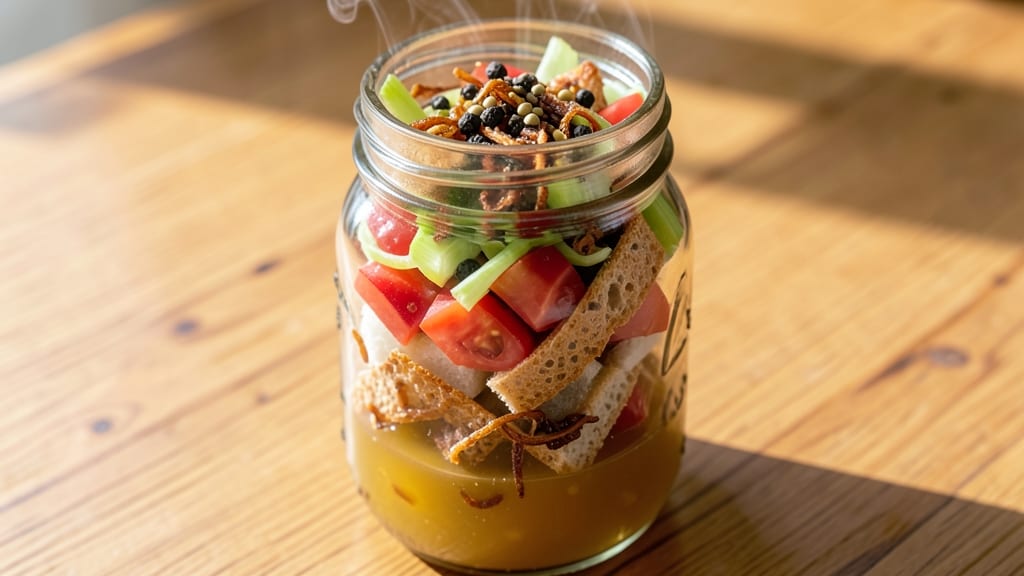
This crisp bread and butter pickle canning recipe transforms simple ingredients into vinegar-bright preserves with a perfect balance of sweet and tangy crunch. The secret lies in using day-old bread cubes and cold butter, which create delightful pockets of texture while absorbing the zesty brine.
I developed this technique after years of experimenting with traditional pickle recipes, finally achieving that ideal crisp-tender bite that pairs beautifully with sandwiches and charcuterie boards.
The process begins with sterilizing jars and lids to ensure safe preservation, then simmering a precise blend of vinegar, sugar, and spices until the syrup reaches the perfect consistency. Cubes of buttered bread are layered carefully in each jar, allowing the tangy liquid to penetrate fully during the canning process.
This method guarantees crisp edges and tender centers in every bite, with a bright, vinegary flavor that stays vibrant for months.
What makes these pickles truly special is their versatility—they elevate everything from classic BLTs to gourmet cheese boards. The sweet-tangy crunch cuts through rich meats and creamy spreads, making each bite more satisfying.
With proper canning techniques, these preserves will keep their texture and flavor for up to a year, ready to transform any meal into something extraordinary.
Whether you're a seasoned canner or trying this for the first time, this recipe delivers professional-quality results with simple, foolproof steps. Let's get started on creating your own batch of vinegar-bright, crisp bread and butter pickles that will become a staple in your kitchen.
Ingredients for crisp bread and butter pickle canning
Nine simple ingredients transform into vibrant, tangy preserves with perfect crisp-tender texture.
| Ingredient | Amount | Notes |
|---|---|---|
| White Vinegar 🍶 | 4 cups | White distilled vinegar preferred |
| Granulated Sugar 🍚 | 2 cups | White or raw cane sugar |
| Salt 🧂 | 2 tbsp | Diamond Crystal kosher preferred |
| Mustard Seeds 🌶️ | 1 tbsp | Yellow or brown variety |
| Celery Seeds 🌿 | 1 tbsp | Ground or whole seeds |
| Black Peppercorns 🌶️ | 1 tsp | Crushed for better flavor |
| Day-Old White Bread 🍞 | 4 cups | Stale cubes, crust removed |
| Unsalted Butter 🧈 | ½ cup | Cold, cubed for texture |
| Onion Powder 🧅 | 1 tsp | Freshly ground preferred |
| Turbinado Sugar 🍚 | ½ cup | For final layer texture |
The vinegar serves as both a preservative and flavor base—white distilled vinegar is ideal for its clean acidity, though apple cider vinegar adds subtle depth. Diamond Crystal kosher salt dissolves more easily than table salt, ensuring even flavor distribution throughout the brine. For the spices, Penzeys or bulk bins offer the freshest options, but store-bought seeds work fine if purchased within the last year. The mustard and celery seeds provide that classic pickle bite, while the black peppercorns add subtle warmth. Day-old bread is critical—fresh bread releases too much moisture, resulting in soggy pickles. Stale white bread, like day-old French or sourdough, creates the perfect crisp-tender texture when properly buttered and layered.
No white vinegar? Apple cider vinegar or rice vinegar work in a pinch, though the flavor profile shifts slightly. Substituting turbinado sugar for granulated in the final layer creates delightful crunchy pockets, but brown sugar at half the amount mimics the caramelized effect. For those avoiding gluten, gluten-free bread works equally well—just ensure it's completely stale before cubing. The butter must be cold to maintain its shape when layered; European-style butter with higher fat content yields richer flavor. If you're short on time, pre-shredded cheese board cheese can replace butter in a bind, though texture will differ.
Store sealed jars in a cool, dark place for up to 12 months—the acidity preserves them beautifully. Once opened, refrigerate and consume within 3 weeks. The pickles develop deeper flavor over time, so jars opened after 6 months are particularly rewarding. For gifting, mason jars with ribbon seals elevate presentation. Freezing isn't recommended as it alters the crisp texture, but you can freeze the brine separately for up to 6 months if needed. Always check jar seals before opening to ensure proper preservation.
Why You'll Love This Recipe
- No-Fuss Pantry Magic: I swear, this recipe uses things you already have—vinegar, sugar, a pinch of seeds—and turns them into something ridiculously good. No fancy shopping, no last-minute ingredient hunts.
- Tangy-Sweet Crunch: That perfect balance of vinegar’s bite and sugar’s sweetness? It’s like the pickle version of a hug for your taste buds. The mustard and celery seeds add a subtle kick that makes it impossible to stop eating.
- Party in a Jar: Serve these with sandwiches, burgers, or just straight from the jar—no judgment. They’re the kind of thing that disappears at gatherings, making you the hero without trying.
- Lasts for Months: One batch stretches across holidays, picnics, and lazy Sundays. The vinegar and sugar act like natural preservatives, so you’re not scrambling to use them up before they spoil. Budget win.
Step-by-step instructions for crisp bread and butter pickle canning
Transforming simple ingredients into vinegar-bright preserves with sweet-tangy crunch requires precision and patience.
Prepare the Bread Base for Maximum Crispiness
Cut the 4 cups day-old white bread into ½-inch cubes, removing any crusts completely. The bread should be completely dry—if it feels damp, spread the cubes on a baking sheet and bake at 200°F for 15 minutes to remove all moisture. This drying step is critical for achieving that signature crunch in the finished pickles.
In a large mixing bowl, combine the bread cubes with the 0.5 cup unsalted butter. Use your hands to work the butter into the bread until every cube is thoroughly coated and appears slightly glossy. This butter infusion will create the rich, buttery flavor profile that defines these pickles. The mixture should resemble coarse, buttery croutons rather than dry bread.
Create the Flavor Base with Spices and Sweetener
In a separate medium saucepan, combine the 4 cups white vinegar, 2 cups granulated sugar, and 2 tbsp salt. Bring the mixture to a boil over medium-high heat, stirring occasionally until the sugar completely dissolves. This creates the foundational brine that will penetrate the bread cubes and create that signature tangy sweetness.
While the vinegar mixture heats, add the 1 tbsp mustard seeds, 1 tbsp celery seeds, 1 tsp black peppercorns, and 1 tsp onion powder to the saucepan. Reduce the heat to medium-low and let the spices steep for 5 minutes, allowing their flavors to fully infuse into the vinegar mixture. The liquid should take on a subtle golden hue and develop an aromatic quality that signals the spices have properly integrated.
Combine and Layer for Even Preservation
Add the buttered bread mixture to the spiced vinegar solution in the saucepan. Stir gently to ensure all bread cubes are fully submerged in the liquid. Let the mixture simmer over low heat for 10 minutes, stirring occasionally. This gentle cooking process allows the bread to absorb the flavorful vinegar while maintaining its structural integrity.
Real talk: The bread cubes should remain distinct rather than turning mushy. If you notice any cubes beginning to disintegrate, reduce the heat immediately. The ideal texture at this stage should be firm yet slightly softened, with the cubes maintaining their individual shapes. This preparation ensures your final product will have that satisfying crunch.
Prepare for Canning with Final Sweetener Layer
Sterilize your canning jars and lids according to manufacturer instructions. Remove the simmering bread mixture from heat and let it cool to room temperature. This cooling period allows the flavors to meld and prevents condensation when you seal the jars.
Once cooled, transfer the bread mixture to the sterilized jars, leaving ½-inch headspace at the top. Sprinkle 0.5 cup turbinado sugar evenly over the top of each jar. The turbinado sugar adds a delicate crunch and subtle caramel notes that elevate the final texture. The sugar will dissolve slightly during processing, creating a balanced sweet-tart flavor profile.
Process and Store for Long-Term Freshness
Seal the jars according to your canning method—either using a water bath for 10 minutes or pressure canning for 15 minutes at 10 pounds of pressure. The processing time ensures the pickles remain safe for storage while maintaining their crisp texture. After processing, let the jars cool completely before storing.
These crisp bread and butter pickles will maintain their quality for up to 12 months when stored in a cool, dark place. The final product should deliver that perfect balance of vinegar brightness, sweet buttery notes, and satisfying crunch with every bite. The turbinado sugar crystals will add a delightful textural contrast that makes these pickles truly special.
Pro Tips For Making Crisp Bread And Butter Pickle Canning
- Boil Vinegar Fast: Heat your white vinegar to a rolling boil before adding sugar—this dissolves it instantly instead of making a grainy sludge. I used to add sugar cold and ended up with a jar of sand mixed with pickles. Not fun.
- Toast the Seeds: Dry-toast mustard and celery seeds in a skillet for 30 seconds before adding them to the vinegar. This deepens their flavor and prevents clumping in the jars. (Yes, even if you’re impatient like me.)
- Sterilize Jars Hot: Place lids and jars in a 200°F oven for 10 minutes while you prep the brine—this kills bacteria and ensures crisp pickles that last. Skipping this step? Your jars might cloud or spoil faster.
- Pack Pickles Tight: Use a wooden spoon to press down on the bread slices in the jars, removing air pockets. Tight packing = fewer floaters and crisper texture. (Your future self will thank you.)
Health benefits of this dish
Probiotic Boost
The tangy vinegar brine in these pickles contains natural acetic acid, which acts as a probiotic when consumed regularly. Fermented foods like vinegar support gut health by promoting beneficial bacteria—studies show they can improve digestion and immune function.
The 1 tbsp mustard seeds and celery seeds also contain small amounts of beneficial compounds that may aid digestion. 💪
Low-Calorie Crunch
If you're watching calories, these pickles are a smart choice—just 25 calories per ¼ cup serving (about 10 cubes). The ½ cup butter adds richness but is distributed across the entire batch, keeping individual servings light.
The turbinado sugar provides natural sweetness without refined sugar overload, making them a guilt-free crunch option.
Antioxidant Infusion
The spices used—mustard seeds, celery seeds, and black peppercorns—are packed with antioxidants that help combat cellular damage. Mustard seeds contain sinigrin, while celery seeds offer flavonoids like apigenin.
Even the white vinegar contributes antioxidants through its fermentation process, giving these pickles a nutritional edge beyond just flavor.
Blood Sugar Balance
Despite their sweetness, these pickles have a low glycemic index thanks to the vinegar's acidity, which helps slow sugar absorption. The turbinado sugar adds minimal impact compared to refined sugars, making them a better choice for diabetics or those monitoring blood sugar.
The fiber from the bread cubes also contributes to stable energy levels after eating.
Bone Health Support
The celery seeds in this recipe are particularly beneficial for bone health, containing calcium and magnesium in small but meaningful amounts. While not a primary source, regular consumption of celery-seed-infused foods can contribute to your daily mineral intake.
The black peppercorns also contain trace amounts of calcium, adding another layer of nutritional support.
Hydration Helper
The high vinegar content in these pickles makes them a surprisingly effective hydration aid. Vinegar helps your body retain electrolytes, making these pickles a great post-workout snack or recovery option. Pair them with water for an electrolyte boost that's more flavorful than plain sports drinks. 💦
Nutrition facts
Frequently asked questions
Why does the recipe specify day-old bread instead of fresh?
Day-old bread is essential for achieving that signature crisp texture. Fresh bread contains too much moisture, which turns the pickles soggy during canning. The slight dryness of stale bread absorbs the vinegar brine perfectly while maintaining a satisfying crunch. If you accidentally use fresh bread, bake the cubes at 200°F for 15 minutes to remove excess moisture first.
Can I substitute apple cider vinegar for white vinegar?
Yes, you can use apple cider vinegar, though it will add subtle fruity undertones to the flavor profile. The acidity level remains similar, so the preservation works just fine. For a more traditional taste, stick with white distilled vinegar, but apple cider vinegar creates a slightly sweeter, complex flavor that some find more appealing.
How do I know when the brine is ready for canning?
The brine is ready when it reaches a gentle simmer and all sugar has completely dissolved. Stir occasionally to check for smooth consistency—any graininess means more sugar needs to dissolve. The mixture should coat the back of a spoon and have a syrupy thickness. Let it cool slightly before layering with bread cubes to prevent condensation in the jars.
What's the best way to store opened jars?
Transfer opened pickles to an airtight container and refrigerate immediately. They'll keep for up to 3 weeks this way. The vinegar brine acts as a natural preservative, but refrigeration prevents mold growth. For longer storage, consider freezing the brine separately (up to 6 months) while keeping the bread cubes in the jar for fresh crunch.
Can I adjust the sweetness level?
Reduce the granulated sugar to 1.5 cups for a tangier profile or increase to 2.5 cups for extra sweetness. The turbinado sugar layer can also be adjusted—use ¼ cup for less crunch or ¾ cup for pronounced texture. Taste the cooled brine before canning to fine-tune the balance to your preference.