Appetizers
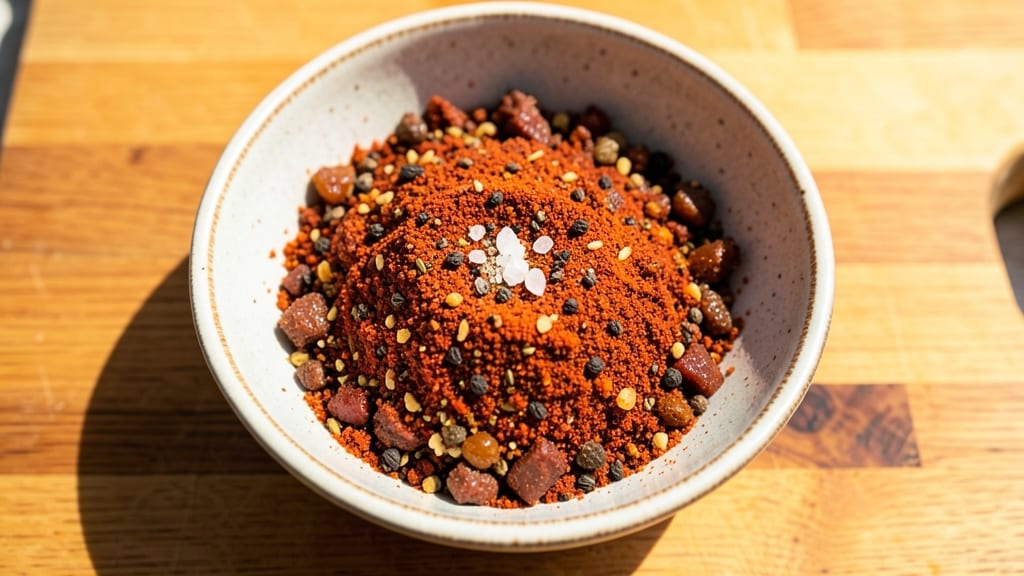
This smoked beef rib rub recipe transforms ordinary ribs into finger-licking masterpieces with just a few simple ingredients and a little patience. The key lies in balancing bold spices that create a crusty bark while keeping the meat tender inside—something I perfected after years of trial and error.
A well-made dry rub isn’t just seasoning; it’s the foundation for restaurant-quality flavor at home.
What makes this blend special is its precision—each spice plays a role, from the smoky depth of paprika to the heat of cayenne and the sweetness of brown sugar.
The measurements are designed for a small batch that lasts 3 months in an airtight container, so you can keep it ready for your next smoking session. No guesswork, just consistent results every time.
The magic happens when you apply this rub generously before smoking, letting it adhere to the meat for maximum flavor penetration. The spices caramelize beautifully, forming a dark, flavorful crust that seals in juices while delivering layers of smoky, spicy, and slightly sweet notes.
This isn’t just a seasoning mix—it’s your ticket to competition-worthy ribs without the fuss.
Use it on beef ribs, pork shoulders, or even chicken thighs for a bold, smoky kick. Store it in a cool, dark place, and you’ll always have a professional-grade rub at your fingertips. Let’s get started on creating that perfect blend.
Ingredients for smoked beef rib rub
Nine spices that turn ribs into smoky masterpieces with just a sprinkle.
| Ingredient | Amount | Notes |
|---|---|---|
| Smoked Paprika 🌶️ | 3 tbsp | High-quality Spanish smoked paprika |
| Brown Sugar 🍚 | 2 tbsp | Light or dark, packed firmly |
| Granulated Garlic Powder 🧄 | 2 tsp | Freshly ground preferred |
| Ground Black Pepper 🌶️ | 1 ½ tsp | Freshly cracked for best flavor |
| Ground Cumin 🌿 | 1 ½ tsp | Toasted for deeper aroma |
| Cayenne Pepper 🔥 | ½ tsp | Adjust for desired heat level |
| Kosher Salt 🧂 | 1 ½ tsp | Diamond Crystal preferred |
| Ground Coriander 🍃 | 1 tsp | Sweet, citrusy flavor profile |
| Mustard Powder 🍯 | ½ tsp | Adds subtle tanginess |
| Onion Powder 🧅 | 1 tsp | Freshly ground preferred |
The smoked paprika is non-negotiable—Penzeys Spanish smoked or Gourmet Madhouse deliver that authentic campfire depth. Brown sugar isn't just sweet; it helps the rub stick to the ribs while caramelizing into a glossy crust. Trader Joe's has great bulk bins for spices, but if you're buying whole spices, toast them first in a dry pan for 30 seconds to wake up their flavors. The cayenne can be tricky—start with half a teaspoon if you're sensitive to heat, but trust me on the full amount if you love bold flavors. For the kosher salt, Diamond Crystal is the gold standard—it dissolves more easily and has that perfect grain size.
No smoked paprika? Regular paprika plus a pinch of liquid smoke works in a pinch (just a quarter teaspoon), though it won't be identical. Swap mustard powder for dijon powder at half the amount if you're feeling fancy. Out of cumin? Celery salt adds a similar earthiness, though it's not a perfect match. The coriander can be skipped if you're short, but the onion powder is essential—it rounds out the smokiness beautifully. For a sweeter rub, bump the brown sugar to 3 tablespoons and reduce the cayenne to a quarter teaspoon. And if you're using this on chicken, cut the cayenne in half—it's more sensitive to heat than beef.
This rub keeps like a dream—6-12 months in an airtight container in a cool, dark place. I like to portion mine into small jars so I always have some ready for last-minute smoking sessions. If it starts to lose its aroma (you'll know—it'll smell flat), just give it a quick pulse in a spice grinder to revive those flavors. The brown sugar will crystallize over time, but that's totally normal—just stir it up before using. And if you make a big batch, freeze half for freshness—it'll stay potent for up to a year.
Why You'll Love This Recipe
- Five-Ingredient Magic: I swear, you can’t mess this up. Just mix the smoked paprika, brown sugar, garlic powder, black pepper, and cumin—no fancy tools, no stress. That’s it. Honestly, I’ve made it while scrolling through my phone.
- Deep, Smoky Love: The smoked paprika gives it that rich, campfire-like depth, while the brown sugar caramelizes into a sticky, savory crust. Between us, that first bite? Pure satisfaction—like a hug in spice form.
- Tailgate to Tuesday: Slap this on ribs, chicken, or even roasted potatoes. Grilling? Smoking? Weeknight dinner? It works everywhere. I’ve used it for game-day wings and lazy Sunday brunch—no excuses not to cook.
- Leftovers That Don’t Suck: The rub keeps its punch even after reheating, so your next-day tacos or sandwiches taste just as bold. Plus, it’s cheap—less than $5 for enough to coat a whole rack of ribs. Budget win.
Step-by-step instructions for smoked beef rib rub
This bold rub delivers deep, complex flavor with every application—perfect for ribs that smoke up with perfect bark and tender meat.
Combine Dry Ingredients in a Mixing Bowl
In a medium bowl, measure out the 3 tablespoons smoked paprika—this is your flavor foundation. Add the 2 tablespoons brown sugar packed firmly, then sprinkle in the 2 teaspoons granulated garlic powder and 1.5 teaspoons ground black pepper. These create the aromatic backbone of the rub.
Next, incorporate the 1.5 teaspoons ground cumin and 1 teaspoon ground coriander for earthy warmth. The cumin adds smoky depth while the coriander brings a subtle citrus brightness that balances the richness. Use a whisk to break up any clumps and ensure even distribution—this prevents flavor pockets when you apply the rub later.
Add Heat and Tangy Elements
Stir in the 0.5 teaspoon cayenne pepper for a controlled heat that lingers without overpowering. I recommend starting with this amount—you can always add more later if you prefer extra spice. The 0.5 teaspoon mustard powder adds a mustardy tang that cuts through the sweetness and enhances the smoky profile.
Finally, add the 1.5 teaspoons kosher salt and 1 teaspoon onion powder. The salt is essential for seasoning penetration, while the onion powder adds a savory depth that complements the smoky-sweet balance. Whisk everything together until the mixture is completely homogeneous—you should see no distinct streaks of color or texture.
Test and Adjust the Rub
For a flavor test, rub a small amount onto the palm of your hand and smell it deeply. You should detect layers of smokiness from the paprika, sweetness from the brown sugar, and underlying warmth from the spices. If it smells too mild, add a pinch more cayenne or smoked paprika. If it's too sweet, reduce the brown sugar slightly.
This rub works best when applied generously—about 1 tablespoon per pound of ribs—so don't be shy with the application. Store any unused rub in an airtight container in a cool, dark place for up to 3 months, where it will continue to develop its complex flavors over time.
Apply to Ribs Before Smoking
When ready to smoke, pat the ribs completely dry with paper towels—this ensures the rub adheres properly and creates that coveted bark. Apply the rub generously to all sides, pressing it firmly into the meat. Let the ribs sit at room temperature for 30 minutes before smoking, allowing the rub to penetrate slightly and develop a crust.
For best results, smoke the ribs at 225-250°F until they reach an internal temperature of 195-203°F (probe-tender). The rub will caramelize beautifully, creating a dark, flavorful crust that contrasts perfectly with the tender meat underneath. The combination of smoked paprika and brown sugar gives you that classic competition-style bark you crave.
Pro Tips For Making Smoked Beef Rib Rub
- TOAST THE SPICES: Heat your smoked paprika and ground cumin in a dry skillet for 30 seconds—just until fragrant. I learned this the hard way after making a batch that tasted flat; toasting deepens the flavor and cuts through the sweetness of the brown sugar.
- BALANCE THE SWEET: Use half the brown sugar called for if your ribs are fatty, or add a pinch of cayenne to cut the cloying sweetness. I used to overdo it, and the rub would taste like dessert instead of savory meat.
- PAT DRY FIRST: Wipe the ribs completely dry with paper towels before applying the rub—wet surfaces prevent the spices from sticking and create a proper crust. Skimping here means a weak, uneven coating.
- LAYER THE RUB: Apply the rub in two thin coats, letting the first layer adhere for 10 minutes before adding more. This ensures even coverage and prevents clumping, especially with the fine garlic powder. (Yes, it takes patience, but it’s worth it.)
Storing and reheating this smoked beef rib rub
Refrigerator Storage
Store your unused rub in an airtight container—I recommend a glass jar with a tight-sealing lid—in a cool, dark place like your pantry. The spices will stay potent for up to 3 months, though the brown sugar may crystallize over time.
Just stir it up before use to restore its smooth texture. If you notice the aroma fading, give it a quick pulse in a spice grinder to revive those flavors. 🌶️
Freezer Preservation
For long-term storage, portion the rub into small airtight containers or freezer bags and freeze for up to 6 months. This works especially well if you make a big batch—just thaw at room temperature for 10-15 minutes before using.
The spices won’t lose their punch, but the brown sugar might separate slightly. Stir it back together, and you’re good to go. ❄️
Reviving Old Rub
If your rub has been sitting for a while and smells dull, don’t toss it! Place it in a small bowl and microwave for 10-15 seconds to reactivate the oils in the spices. Alternatively, toast the spices in a dry skillet over low heat for 1-2 minutes, stirring constantly.
This wakes up the flavors without burning them. Trust me, it’s like giving your rub a second life. 🔥
Reheating Smoked Ribs
If you’ve got leftover smoked ribs, reheat them in a 350°F oven for 10-15 minutes to maintain that crispy bark. Wrap them loosely in aluminum foil to prevent drying out, but leave a small opening to let moisture escape.
For a quick fix, use a skillet over medium heat for 2-3 minutes per side, adding a splash of beef broth to keep them moist. 💫
Reviving Flavor After Storage
When you’re ready to use your stored rub, give it a good stir to redistribute any settled spices. If the brown sugar has hardened, place the jar in a bowl of warm water for 5 minutes to soften it.
For extra depth, add a pinch of fresh ground black pepper or a sprinkle of smoked paprika before applying—it’ll make all the difference in flavor. 💡
Nutrition facts
Frequently asked questions
Can I use this rub on other meats besides beef ribs?
This versatile rub works beautifully on pork shoulders, chicken thighs, and even lamb chops. For chicken, reduce the cayenne to ¼ teaspoon since it's more sensitive to heat. The smoky-sweet balance shines on all meats, though beef ribs are where it truly excels.
How much rub should I use per pound of meat?
Apply about 1 tablespoon per pound of meat for optimal flavor. Don't skimp—this rub is designed to be generous. Press it firmly into the meat to ensure maximum adhesion and flavor penetration. The brown sugar helps it stick beautifully, creating that perfect bark.
Can I adjust the heat level in this recipe?
Yes! Start with the ½ teaspoon cayenne as written, but you can reduce it to ¼ teaspoon for milder heat or increase to 1 teaspoon for extra spice. For a smokier profile without heat, add an extra ½ teaspoon smoked paprika. Always taste and adjust before applying to your meat.
Why does my rub look lumpy after mixing?
Lumps happen when spices clump together, especially with brown sugar. Use a whisk or fork to break them up thoroughly. For extra smoothness, pulse the ingredients briefly in a food processor (just until combined). The key is ensuring even distribution so every bite has balanced flavor.
How long should I let the rub sit on the meat before smoking?
Allow the ribs to sit at room temperature for 30 minutes after applying the rub. This gives the spices time to penetrate slightly and develop a crust. For thicker cuts like pork shoulders, extend this to 1 hour for deeper flavor infusion. Don't skip this step—it makes all the difference!