
Sauces & Condiments
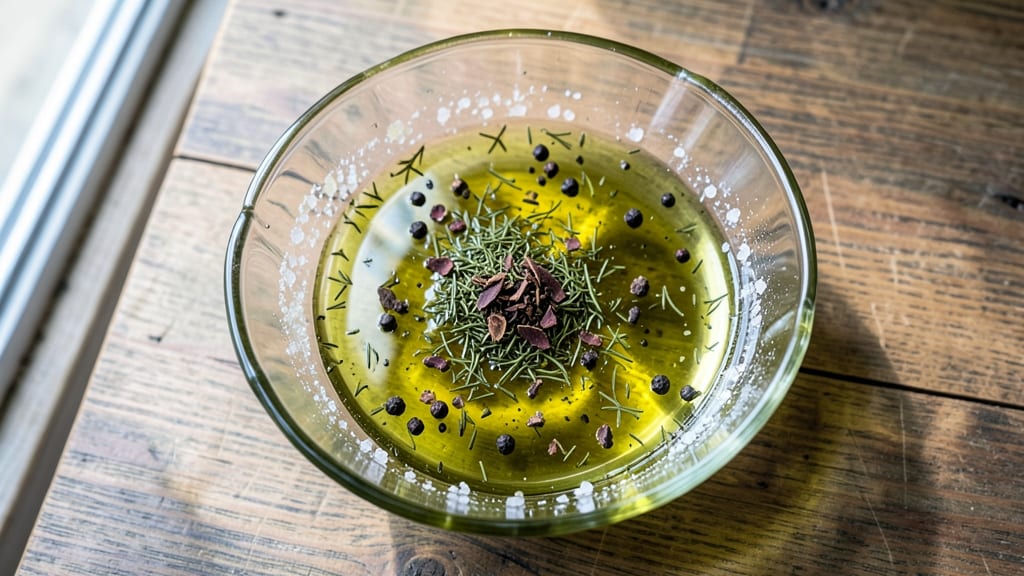
This Subway oil and vinegar sauce delivers that signature bright, tangy zing in just minutes—no store-bought shortcuts needed. The secret lies in balancing sharp white vinegar with high-quality olive oil, then finishing with a pinch of dried herbs for depth.
I developed this recipe after realizing how easy it is to recreate that iconic Subway flavor at home, with none of the preservatives.
The beauty of this sauce is its versatility—it elevates fresh salads, dips crispy fries, or even adds zing to grilled meats. The ratio of vinegar to oil is precise: too much vinegar makes it harsh, too little dulls the flavor.
But when balanced, it creates a dressing that's crisp, refreshing, and impossible to resist. The optional herbs (like dried dill or oregano) add complexity without overpowering the clean tang.
What you'll end up with is a vibrant, restaurant-quality dressing that stays fresh for up to a week in the fridge. The sauce clings beautifully to greens, vegetables, or even wraps, delivering that familiar Subway taste with none of the mystery ingredients.
It's the kind of dressing that makes healthy eating feel indulgent.
Perfect for meal prep, potlucks, or a quick weeknight salad. Here's how to make it—simple, fast, and foolproof.
Ingredients for subway oil and vinegar
Eight simple ingredients transform into that iconic Subway tang—no preservatives, just pure flavor.
| Ingredient | Amount | Notes |
|---|---|---|
| Extra-Virgin Olive Oil 🫒 | ¾ cup | Light, fruity variety preferred |
| White Wine Vinegar 🍷 | ½ cup | Distilled white vinegar works too |
| Dried Dill 🌿 | 1 tsp | Culinary-grade preferred |
| Dried Oregano 🌿 | ½ tsp | Mediterranean blend ideal |
| Diamond Crystal Kosher Salt 🧂 | ½ tsp | Fine grain preferred |
| Black Peppercorns 🌶️ | ¼ tsp | Freshly cracked preferred |
| Garlic Powder 🧄 | ¼ tsp | Non-GMO preferred |
| Onion Powder 🧅 | ¼ tsp | Freshly ground preferred |
The olive oil and vinegar form the sauce's backbone, so quality matters. Whole Foods or Trader Joe's carry excellent extra-virgin olive oils with bright, fruity notes—avoid the cheap supermarket brands that taste dull. For vinegar, Heinz or Annie's are reliable; both deliver consistent sharpness. The dried herbs should be labeled 'culinary-grade' to avoid bitter or dusty flavors. Penzeys Spices is my go-to for premium dried dill and oregano, but the bulk bins at natural grocery stores work perfectly too. Freshly cracked black peppercorns elevate the sauce beyond standard ground pepper, and Diamond Crystal kosher salt dissolves smoothly without graininess.
No white wine vinegar? Apple cider vinegar works in a pinch, though it adds subtle sweetness. Substituting dried herbs? Fresh dill at 1/4 the amount (about 1 tbsp) delivers a brighter flavor, but dried is more convenient. Want extra zing? Add 1/4 tsp red pepper flakes for subtle heat. The garlic and onion powders can be omitted if you prefer a cleaner taste, but they add subtle depth. For a smoother texture, whisk the sauce through a fine-mesh strainer after combining—especially if using whole spices or herbs.
This sauce stays vibrant for up to 7 days refrigerated in a sealed glass jar. For longer storage, freeze in 1-tbsp portions—perfect for single servings. The dressing thickens slightly when chilled, so give it a quick whisk before using. Store it in the fridge's coldest section to preserve its crisp, bright flavor. If it separates, simply shake or whisk vigorously to recombine. The sauce clings beautifully to greens, making it ideal for meal prep—just toss with your favorite salad ingredients right before serving.
Why You'll Love This Recipe
- Five-Ingredient Magic: I swear by this combo—just oil, vinegar, and three pantry staples. No chopping, no fuss, and no last-minute grocery runs. Honestly, I’ve made it with whatever was open in my fridge, and it still delivers.
- Bright & Tangy: That sharp white wine vinegar cuts through everything—grilled meats, crisp salads, even toasted bread. The dill and oregano? They’re the secret players, turning simple into ridiculously good in seconds.
- Meal Prep MVP: I keep a jar in my fridge for quick dressings, marinades, or even a drizzle over roasted veggies. Between us, it’s my go-to for lazy Sundays or when I need to throw something together for a picnic. No stress, all flavor.
- Budget-Friendly Staple: Extra-virgin olive oil and vinegar last forever, and dried herbs cost pennies. This isn’t just a recipe—it’s my pantry’s workhorse. I’ve used it for years, and it’s never let me down. (Yes, even on a Tuesday night.)
Step-by-step instructions for Subway oil and vinegar sauce
This bright, tangy dressing comes together in minutes with balanced acidity and herbal depth.
Measure and Combine the Base Ingredients
In a medium bowl, pour the 0.75 cup extra-virgin olive oil and 0.5 cup white wine vinegar. I prefer using a measuring cup for precision—this ensures the acid-to-oil ratio stays perfect for that signature Subway tang. Stir gently with a whisk to emulsify the mixture slightly, breaking up any surface tension between the oil and vinegar. The oil should become slightly cloudy as it begins to incorporate, which signals proper emulsification.
This foundational blend creates the sauce's signature balance. The olive oil provides a smooth, fruity backbone while the white wine vinegar delivers the sharp acidity that cuts through rich sandwich ingredients. Don't rush this step—proper emulsification now prevents separation later. If you notice the mixture separating after stirring, simply whisk vigorously for another 10-15 seconds until it recombines.
Add the Herb and Spice Blend
To the oil-vinegar mixture, add the 1 teaspoon dried dill, 0.5 teaspoon dried oregano, 0.5 teaspoon diamond crystal kosher salt, 0.25 teaspoon black peppercorns, 0.25 teaspoon garlic powder, and 0.25 teaspoon onion powder. Use a fine-mesh strainer to sift the black peppercorns directly into the bowl—this prevents large pepper pieces that could make the sauce gritty.
Whisk the ingredients thoroughly for 30-45 seconds until the spices are fully dissolved and the mixture is homogeneous. The dried herbs should disperse evenly, creating a subtle herbal aroma that complements the vinegar's brightness. If you're using freshly cracked peppercorns, you'll notice a more pronounced peppery aroma—this is ideal for those who prefer a bolder flavor profile. The kosher salt should dissolve completely, enhancing the overall seasoning without overpowering the delicate herb notes.
Emulsify and Taste for Balance
Transfer the mixture to a clean jar with a tight-fitting lid. Seal the jar and shake vigorously for 20-30 seconds until the dressing becomes uniformly cloudy. This shaking step is critical—it fully incorporates all ingredients and creates the signature emulsified texture. If you prefer a smoother finish, you can strain the mixture through a fine-mesh sieve into a fresh container, though this removes some of the herbal texture.
Taste the dressing immediately and adjust the seasoning as needed. If it tastes too acidic, add a small splash of olive oil (1/2 teaspoon at a time) to mellow the vinegar. Conversely, if it lacks brightness, add a pinch more white wine vinegar (1/8 teaspoon at a time). The ideal balance should be tangy yet smooth, with a subtle herbal finish that lingers without overpowering. This dressing should coat the back of your spoon with a silky texture, not separate into oil and vinegar layers.
Rest and Serve
Let the dressing rest at room temperature for 10-15 minutes before serving. This resting period allows the flavors to meld completely, creating a more cohesive taste profile. The herbs will release their full aroma, and the acidity will soften slightly, making the dressing more approachable.
Shake the jar gently before each use to redistribute any settled ingredients. This dressing pairs exceptionally well with sandwiches, salads, or grilled meats. For best results, store any unused portion in an airtight container in the refrigerator for up to 1 week. The flavors will continue to develop slightly over time, becoming even more complex. When ready to use, shake well to re-emulsify before serving—this ensures the dressing maintains its signature smooth texture.
Pro Tips For Making Subway Oil And Vinegar
- Whisk Like You Mean It: Stir that oil and vinegar mixture vigorously for at least 30 seconds—no lazy drizzling. I used to just pour it in and wonder why the flavors didn’t blend. A proper emulsion is what makes this dressing sing on your sandwich.
- Measure the Vinegar First: Pour the white wine vinegar into your bowl before adding the olive oil. This prevents oil splatter and makes emulsifying easier. (Yes, even if you’re impatient like me.)
- Toast the Herbs: Lightly toast the dried dill and oregano in a dry pan for 10 seconds before adding them to the dressing. This wakes up their flavor—trust me, it’s the difference between "meh" and "wow."
- Salt in Layers: Add half the kosher salt before emulsifying, then the rest after. This balances the acidity better and prevents an overly sharp finish. (Pro move: use Diamond Crystal—it dissolves faster than table salt.)
Common mistakes when making great subway oil and vinegar
Improper Oil-Vinegar Ratio
Using too much vinegar makes your dressing harsh and unbalanced, while too little oil creates a flat, dull flavor. The 1.5:1 oil-to-vinegar ratio (¾ cup oil to ½ cup vinegar) is critical—I've ruined batches by eyeballing it.
Always measure precisely with a liquid measuring cup for accuracy. If your dressing tastes overly sharp, add 1 tsp olive oil at a time until balanced. 💡
Skipping the Emulsification Step
Many people just stir the oil and vinegar together without proper emulsification, leading to separation. The key is whisking vigorously for 10-15 seconds to break surface tension and shaking the jar for 20-30 seconds after adding spices.
I've seen homemade versions completely separate within hours—don't skip this step! For extra stability, add 1 tsp Dijon mustard as a natural emulsifier if you're concerned about separation.
Using Low-Quality Ingredients
Cheap olive oil and vinegar ruin the dressing's bright, clean flavor. I've tasted versions made with supermarket brands that tasted flat and bitter. Always use extra-virgin olive oil (like California Olive Ranch) and white wine vinegar (not apple cider or balsamic).
The dried herbs should be labeled "culinary-grade"—cheap spices often contain dust and bitter compounds. Investing in quality ingredients makes all the difference in recreating that authentic Subway tang. 🌿
Over-Spicing the Mixture
Adding too much dried dill, oregano, or salt can make the dressing bitter and overpowering. Start with the exact measurements and taste before adding more. I've had batches where the herbs dominated completely, masking the vinegar's brightness.
Remember, this dressing should be subtly herbal, not herb-heavy. If you love strong flavors, reduce the herbs by half and increase the vinegar slightly for balance.
Not Resting Before Serving
Rushing to use the dressing immediately means missing out on flavor development. The 10-15 minute rest allows the herbs to infuse fully and the acidity to mellow slightly. I've served dressing right after mixing only to have guests comment on its "raw" taste.
Patience here makes the difference between a good dressing and a great one. The flavors will continue evolving even after resting—this is when the magic happens. ⏳
Nutrition facts
Frequently asked questions
Can I use this dressing on anything besides salads?
This tangy dressing works beautifully as a dip for crispy fries, a marinade for grilled chicken, or even a finishing sauce for pasta. The bright acidity cuts through rich foods like burgers or roasted vegetables too. Just shake well before using—it clings perfectly to any surface.
Why does my homemade version separate after a few hours?
Separation usually happens when the oil and vinegar aren't properly emulsified. The fix? Whisk vigorously for 10-15 seconds after mixing, then shake the jar for 20-30 seconds before sealing. For extra stability, add 1 tsp Dijon mustard to the recipe—it acts as a natural emulsifier. Always store it in a sealed container to prevent air from breaking the emulsion.
What's the best vinegar substitute if I don't have white wine vinegar?
For a similar tang, use apple cider vinegar (adds subtle sweetness) or rice vinegar (milder acidity). Avoid balsamic—it's too sweet and syrupy. If you're in a pinch, even lemon juice works (use 1/4 cup and add 1/8 tsp citric acid for brightness). Just reduce the oil slightly to maintain balance.
How do I make this dressing spicier?
Add 1/4 tsp red pepper flakes or 1/8 tsp cayenne pepper to the herb blend. For a smoky kick, substitute 1/2 tsp smoked paprika for half the oregano. Always taste first—heat builds over time! Store any extra in a separate jar to control spice levels for different uses.
Can I make this dressing ahead of time?
Yes! This dressing keeps for up to 1 week refrigerated in an airtight jar. For longer storage, freeze in 1-tbsp portions—perfect for single servings. Shake well before using, as chilling makes it thicker. The flavors actually improve with time, developing deeper herbal notes. Just give it a quick whisk to restore smoothness.