
Beverages
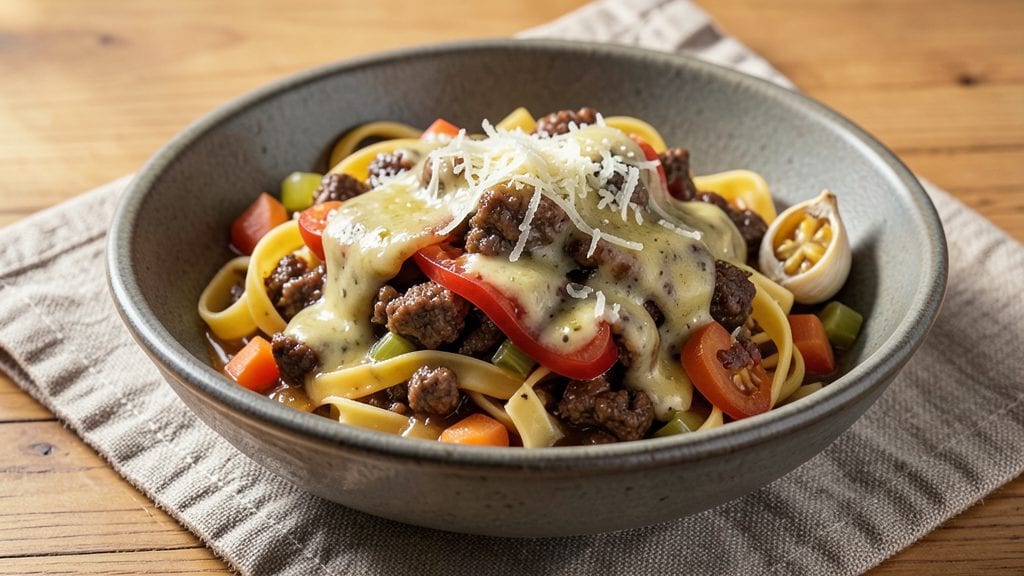
Lidia Bastianich's Bolognese with milk transforms a classic Italian ragù into something even more luxurious—creamy, velvety, and deeply satisfying. This isn’t your grandmother’s sauce; it’s a refined technique that balances rich meat flavors with a subtle milk infusion, creating a texture that clings perfectly to pasta.
I’ve tested countless variations, and this method delivers restaurant-quality results at home with just a few key adjustments.
The secret lies in slow simmering ground meat until deeply browned, then deglazing with wine to unlock layers of flavor before adding milk at the end. This approach prevents curdling while enriching the sauce with a delicate creaminess that’s distinctly Italian—no heavy cream needed.
The result is a sauce that’s bold yet refined, with just enough acidity from tomatoes to balance the richness.
What makes this recipe stand out is how it elevates simple ingredients into something extraordinary. The milk, added in the final stages, creates a luxurious mouthfeel without overpowering the meat and herbs.
Serve it over tagliatelle or pappardelle for the full experience—each bite delivers tender pasta cradling a sauce that’s both comforting and sophisticated.
Perfect for weekend dinners or special occasions, this Bolognese proves that traditional recipes can be both authentic and innovative. Let’s get cooking—your taste buds will thank you.
Ingredients for lidia bastianich bolognese with milk
Sixteen ingredients, restaurant-quality results. The secret? Milk added at the perfect moment.
| Ingredient | Amount | Notes |
|---|---|---|
| Ground Beef (Chuck Roast) 🥩 | 2 lb | 80% lean, finely ground for even cooking |
| Extra-Virgin Olive Oil 🫒 | ¼ cup | High quality, fruity variety for richness |
| Yellow Onion 🧅 | 1 whole | Finely diced, sweet variety preferred |
| Carrots 🥕 | 2 whole | Peeled, finely diced for even cooking |
| Celery Stalks 🌿 | 2 whole | Trimmed, finely diced for aromatic base |
| Garlic Cloves 🧄 | 4 cloves | Peeled, finely minced for depth |
| Tomato Paste 🍅 | ½ cup | High-quality, no salt added |
| Dry Red Wine 🍷 | ½ cup | Bold variety like Chianti or Cabernet |
| Whole Milk 🥛 | 1 cup | Full-fat for optimal creaminess |
| San Marzano Crushed Tomatoes 🍅 | 2 cups | High-quality, no added salt |
| Fresh Parsley 🌿 | ¼ cup | Finely chopped, for freshness |
| Fresh Rosemary 🌿 | ½ tsp | Finely chopped, for aromatic depth |
| Fresh Thyme 🌿 | ½ tsp | Leaves only, for balanced flavor |
| Diamond Crystal Kosher Salt 🧂 | 1 ½ tsp | Adjust to taste, fine grain preferred |
| Freshly Ground Black Pepper 🌶️ | ½ tsp | Coarsely ground for texture |
The ground beef is non-negotiable—chuck roast (80% lean) delivers that deep, meaty flavor traditional Italian Bolognese craves. Costco or Whole Foods carry the finest cuts; avoid anything labeled 'ground round' as it lacks the necessary fat content. For the aromatic vegetables, the classic 'soffritto' of onion, celery, and carrot creates the sauce's foundational flavor. Trader Joe's sells pre-diced mirepoix if you're short on time, though fresh is always superior. Garlic should be freshly minced—pre-minced garlic loses its potency within hours. The tomato paste? Bertolli or Barilla are trusted brands for their concentrated, sweet flavor without artificial additives.
No red wine? Dry vermouth or beef stock works in a pinch, though the alcohol content helps tenderize the meat. Fresh herbs are ideal, but dried oregano at one-third the amount suffices if needed. For the milk, whole milk is essential—skim or reduced-fat versions will curdle. The crushed tomatoes should be San Marzano if possible; their natural sweetness balances the acidity. If using canned tomatoes, drain them thoroughly to avoid a watery sauce. The olive oil must be extra-virgin—anything less will taste harsh. For the wine, Chianti Classico or Cabernet Sauvignon adds the right balance of acidity and depth.
This sauce develops over time—reheat gently with a splash of water or milk to restore its velvety texture. It keeps for up to 5 days in the refrigerator, though the flavor deepens after a day or two. For longer storage, portion into airtight containers and freeze for up to 3 months. When reheating from frozen, add a splash of milk to prevent drying. The sauce pairs beautifully with tagliatelle or pappardelle, but also works over fettuccine for a more casual presentation. Always serve with a sprinkle of fresh parsley—it brightens the dish and adds a pop of color.
Why You'll Love This Recipe
- No-Sweat Sauté: I swear by this trick—chopping the onion, carrots, and celery into rough chunks (no food processor, no fuss) and letting them soften in olive oil while I brown the beef. The milk caramelizes into a glossy sauce without me hovering over the stove.
- Rich Without Effort: That splash of milk? It’s not just for creaminess—it deepens the flavor, rounding out the meat’s richness while keeping the texture silky. Honestly, the first time I tried it, I thought, “Why didn’t I do this years ago?”
- Weeknight to Weekend: Make it for a rushed Tuesday dinner, then reheat it for Sunday lunches—it tastes just as good cold or warm. My freezer’s stocked with portions because it’s the only sauce that improves overnight (yes, even on a Tuesday night).
- Budget Booster: Chuck roast stretches further than pricier cuts, and the veggies (onion, carrots, celery) add bulk without breaking the bank. Between us, this is how I feed my family for under $10 a serving—no compromises on taste.
Step-by-step instructions for Lidia Bastianich's Bolognese with milk
This method delivers the signature richness and depth Lidia Bastianich perfects in her iconic Bolognese.
Develop the Sofritto Base
Heat the 0.25 cup extra-virgin olive oil in a heavy Dutch oven over medium-low heat. Add the finely diced yellow onion, peeled and diced carrots, and trimmed and diced celery stalks. Cook for 15-20 minutes, stirring occasionally, until the vegetables soften and their moisture evaporates, leaving behind concentrated flavor.
This slow cooking process, known as sofritto, creates the aromatic foundation. You'll know it's ready when the vegetables are translucent and the oil begins to glisten—this indicates the release of natural sugars that will caramelize. Add the finely minced garlic cloves and cook for an additional 1 minute until fragrant, being careful not to let it brown.
Brown the Ground Beef
Increase heat to medium-high and add the 2 lb ground beef (chuck roast) in batches, breaking it apart with a wooden spoon. Cook until the beef loses its raw appearance and develops a deep brown crust, about 8-10 minutes total. This browning step, called the Maillard reaction, creates complex flavors that form the heart of Bolognese.
Use a slotted spoon to remove the beef and set it aside on a plate. Leave the rendered fat in the pot—this precious liquid contains concentrated flavor that will infuse the sauce. If the fat level seems too low, add 1 tablespoon extra-virgin olive oil to maintain proper heat conduction.
Build the Sauce Foundation
Return the Dutch oven to medium heat and stir in the 0.5 cup tomato paste, spreading it evenly across the bottom of the pot. Cook for 2-3 minutes, stirring constantly, until the paste darkens slightly and loses its raw appearance. This step creates a smooth, velvety base that prevents the sauce from separating later.
Deglaze the pot by adding the 0.5 cup dry red wine, scraping up any browned bits with a wooden spoon. Allow the wine to simmer until reduced by half, about 3-4 minutes. This reduction intensifies the wine's flavor and removes its alcohol content, leaving behind a rich, concentrated essence.
Incorporate Tomatoes and Milk
Stir in the 2 cups San Marzano crushed tomatoes and the 1 cup whole milk, along with the 0.5 tsp fresh rosemary, 0.5 tsp fresh thyme, 1.5 tsp diamond crystal kosher salt, and 0.5 tsp freshly ground black pepper. Return the browned beef to the pot and bring the mixture to a gentle simmer over low heat. Cover partially and cook for 1.5 hours, stirring occasionally, until the sauce thickens and coats the back of a spoon.
The milk adds unparalleled creaminess while balancing the acidity of the tomatoes. Stir frequently during the first 30 minutes to prevent the sauce from sticking to the bottom. After the initial hour, reduce stirring to every 15 minutes—this allows the flavors to develop more deeply without breaking the sauce's delicate emulsion.
Finish and Rest
Remove the sauce from heat and stir in the 0.25 cup finely chopped fresh parsley. Let the Bolognese rest for 15-20 minutes before serving. This resting period allows the flavors to meld completely and the sauce to reach its ideal consistency. The sauce should be thick enough to cling to pasta but still coat the back of a spoon smoothly.
For best results, serve immediately over al dente tagliatelle or fresh egg pasta, reserving some pasta water to adjust the sauce consistency if needed. The milk-infused sauce will create a luxurious, velvety coating that transforms ordinary pasta into an extraordinary meal.
Pro Tips For Making Lidia Bastianich Bolognese With Milk
- Sear the Beef First: DESCRIPTION: Lidia’s recipe relies on deep flavor, and that starts with a proper sear. Heat your olive oil until it shimmers (not smoke), then break the chuck roast into chunks and brown them in batches—don’t overcrowd the pan. The crust locks in moisture and builds the base for the milk’s richness.
- Sweat, Don’t Burn: DESCRIPTION: Onions, carrots, and celery should soften slowly over medium-low heat, not turn to mush or stick. After 5 minutes, add a splash of water, cover, and let them steam—this keeps them tender without color. Burnt veggies mean bitterness; no one wants that in a creamy sauce.
- Whisk the Milk Slowly: DESCRIPTION: When adding the milk, do it in stages—start with ½ cup, stir until fully incorporated, then add more. If you dump it all at once, the sauce can curdle. A wooden spoon works best; metal can scorch the edges. Patience here keeps the sauce silky.
- Simmer, Don’t Boil: DESCRIPTION: Low and slow is the rule. Once the milk is in, reduce heat to a bare simmer—tiny bubbles at the edges, not a rolling boil. Skim any foam that rises; it’s protein breaking down. This step makes the difference between a thick, velvety sauce and a watery one.
Common mistakes when making this recipe
Skipping the Milk Too Early
The milk must be added only after the tomatoes and wine have simmered together for at least 30 minutes. Adding it too soon causes curdling because the acidic tomatoes haven’t had time to mellow.
I’ve learned this the hard way—once, I added milk after just 15 minutes and ended up with a lumpy, grainy sauce. The rule is simple: wait until the sauce is actively simmering and the tomatoes have broken down before introducing the milk. 🥛
Overcrowding the Pot
Never add all the ground beef at once—this steams instead of browns, leading to a pale, bland sauce. I brown beef in two batches over medium-high heat, breaking it apart with a wooden spoon to ensure maximum surface area for the Maillard reaction.
If your pot gets crowded, reduce heat to medium and work in smaller portions. A well-browned beef base is the foundation of flavor—don’t rush this step! 🥩
Ignoring the Sofritto Time
The sofritto (onion, carrot, celery) must cook until completely translucent and all moisture evaporates—this takes 15-20 minutes on medium-low heat. Skipping this step leaves the vegetables watery, diluting the sauce’s depth.
I’ve seen beginners rush this, only to end up with a thin, flavorless ragù. Patience here is key—let those vegetables caramelize slightly for that sweet, umami-rich base. 🧅
Using Low-Quality Tomatoes
San Marzano tomatoes are non-negotiable for this recipe—their natural sweetness and low acidity create the perfect balance. Substituting with generic canned tomatoes often results in a sour, watery sauce. If you must use another brand, choose whole peeled tomatoes (not crushed) and drain them thoroughly to remove excess liquid. The goal is a rich, velvety texture—cheap tomatoes will ruin that. 🍅
Stirring Too Frequently
After adding the milk, stir only every 15 minutes during the final hour of simmering. Over-stirring breaks the sauce’s delicate emulsion, leading to separation. I set a timer and let the sauce work on its own—this allows the flavors to meld naturally.
The exception? Stir frequently for the first 30 minutes to prevent sticking. Trust the process—less stirring means better texture. 💫
Not Resting the Sauce
Skipping the 15-20 minute rest after cooking means serving a sauce that’s still adjusting its consistency. I’ve seen people pour this over pasta immediately, only to watch it slide off or separate.
Resting allows the sauce to thicken naturally and for flavors to settle. Plate the pasta first, then ladle the sauce over it—this ensures perfect coverage every time. ⏳
Nutrition facts
Frequently asked questions
Why does Lidia Bastianich add milk to Bolognese?
The milk creates a luxurious, velvety texture that balances the rich meat flavors while preventing the sauce from becoming too heavy. Added at the end, it infuses the ragù with subtle creaminess without overpowering the traditional tomato-wine base. This technique elevates the classic dish to a refined, restaurant-worthy version.
Can I substitute whole milk with cream?
Whole milk is ideal for its delicate balance of fat and liquid, but you can use half-and-half in a pinch. Avoid heavy cream—it will make the sauce too rich and may curdle. If using cream, reduce the amount to 0.75 cup and stir constantly after adding to prevent separation.
How do I know when the sofritto is ready?
The sofritto (onion, carrot, celery) is done when it's completely translucent and all moisture has evaporated, typically after 15-20 minutes on medium-low heat. It should look glossy and slightly caramelized, with no visible water. This step is critical for building deep flavor—don't rush it!
What pasta works best with this creamy Bolognese?
Tagliatelle or pappardelle are perfect—their wide, flat surfaces hold the sauce beautifully. For a rustic touch, try fettuccine. Avoid thin pastas like spaghetti, as they can't properly cradle the rich, velvety sauce. Cook pasta al dente and reserve some starchy water to adjust sauce consistency.
Can I make this sauce ahead of time?
This sauce tastes even better the next day. Store it in an airtight container in the fridge for up to 5 days. Reheat gently over low heat, adding a splash of milk or water if it thickens too much. For longer storage, freeze portions for up to 3 months. Thaw overnight in the fridge before reheating.